



National Politics and Housing → [National Politics and Housing] & For more info on Local Politics and Housing→ [Local Politics and Housing]
Written by: Renee Burke
National insurance pressures—from wildfire claims in the West to hurricane rebuilds along the coasts—are rippling into every market, including ours here in the Phoenix metro. Homeowners premiums have climbed steadily, with Phoenix averaging around $2,700 annually for $300,000 dwelling coverage in 2026, up from prior years due to monsoon flood risks and heat-amplified roof wear. I understand the quiet concern this stirs—will rising costs erode the affordability that drew you to the Valley?—and I’ve helped many families recalibrate budgets without panic.
These aren’t abstract national headlines; they hit home in neighborhoods from Chandler to Buckeye, where investors and buyers alike weigh premiums against long-term value. Let’s trace how broader market strains shape our local trends, so you can position wisely.
National Pressures Driving the Surge
Insurers nationwide face ballooning claims: over $100 billion in catastrophe losses last year alone, fueled by climate extremes. Reinsurance costs—those policies carriers buy to protect themselves—have doubled in spots, forcing premium hikes across the board. In Phoenix, this translates to 15-20% year-over-year increases, pushing averages to $2,709 for standard HO-3 policies ($300K dwelling, $1K deductible).
Hail from summer monsoons and wind damage top local claims, but national wildfire exposure (even distant ones) hikes base rates as carriers pool risk. Heat domes strain AC units and tiles, adding to rebuild costs—our arid climate amplifies what coastal storms do elsewhere. Investors feel it most: multifamily in Glendale or rentals near South Mountain see premiums jump 25% if roofs near 20 years old.
Arizona’s regulatory environment tempers some pain—no state-mandated surcharges like Florida—but carriers still pass on 10-15% annual adjustments. Good news: military families snag Armed Forces at $930/year, while American Family leads for civilians at $1,280.
Phoenix-Specific Premium Patterns
Our Valley trends diverge from national chaos thanks to lower hurricane/wildfire density, but monsoons keep us vigilant. Averages: $2,709 Phoenix proper, dipping to $2,084 in Peoria, climbing to $2,781 Tempe. Coverage matters—$500K dwelling hits $3,623 yearly, versus $1,292 for $100K. Higher deductibles ($2K+) shave 10-15%, suiting cash-rich investors.
Submarket quirks shine: East Valley like Chandler ($2,263) enjoys lower rates from newer builds and mitigation; West Valley Buckeye ($2,314) rises with sprawl and flood zones. Scottsdale premiums soar near $4,000+ for luxury, blending wildfire adjacency with high rebuild values. HOAs in Gilbert often bundle discounts for gated perks or smart security.
Misconception: “Phoenix is cheap insurance.” Reality: we’re mid-pack nationally, but rising faster—20% jumps since 2023 outpace home value growth. Flood/earthquake add-ons (separate policies) sting post-monsoon, yet 80% rule (insure 80% replacement cost) prevents under-coverage gaps.
Investor Strategies Amid Rising Costs
For real estate investors, premiums aren’t line items—they’re yield drags. A $500K Queen Creek rental at 7% cap rate loses 1-2% to insurance hikes; counter with fortified roofs (20% discounts) or solar (energy resilience). 1031 exchangers into Goodyear prioritize carriers like State Farm ($1,451 average) for bundling stability.
National capacity shrinks—some carriers non-renew high-risk roofs—but Phoenix sees ample options: Farmers offers green home discounts, Travelers bundles liability well. Shop annually; loyalty costs 30% more. Pair with property tax appeals in high-premium Maricopa pockets for net relief. Lifestyle tie-in: lower premiums fund pool maintenance or EV chargers, enhancing tenant appeal in power-hungry summers.
Mitigation Moves for Valley Owners
Hands-on steps blunt trends:
- Impact-rated roofs/tiles slash 15-25% via wind/hail credits.
- Smart detectors (smoke, water) net 5-10% off.
- Gated communities like Power Ranch add security discounts.
- Bundle auto/home for 10-20% savings.
Track DIFI alerts—Arizona pushes rate filings transparency. Pre-list inspections flag issues, preserving equity in Surprise sales.
Phoenix resilience shines: premiums rise, but so do values (5% yearly), and our dry appeal draws carriers back.
Steady Through the Storm
National pressures test every market, but Phoenix’s fundamentals—job influx, limited supply—keep insurance in perspective. You’ve chosen the Valley for its promise; smart tweaks ensure costs don’t dim that.
If you’re eyeing a purchase, sale, or portfolio adjust in Phoenix—navigating premiums, mitigation, or budget fits—you don’t have to figure it out alone. Reach out anytime. As your local guide, I’ll walk the details with you, building a plan that feels secure and right for your Valley life.
Get the full Phoenix Market Insights → [Market Insights]


-
Cost of Living in Rhode Island: Housing, Taxes, Utilities, and Everyday Expenses
-

What If My Commute Becomes Worse Than Expected?
-
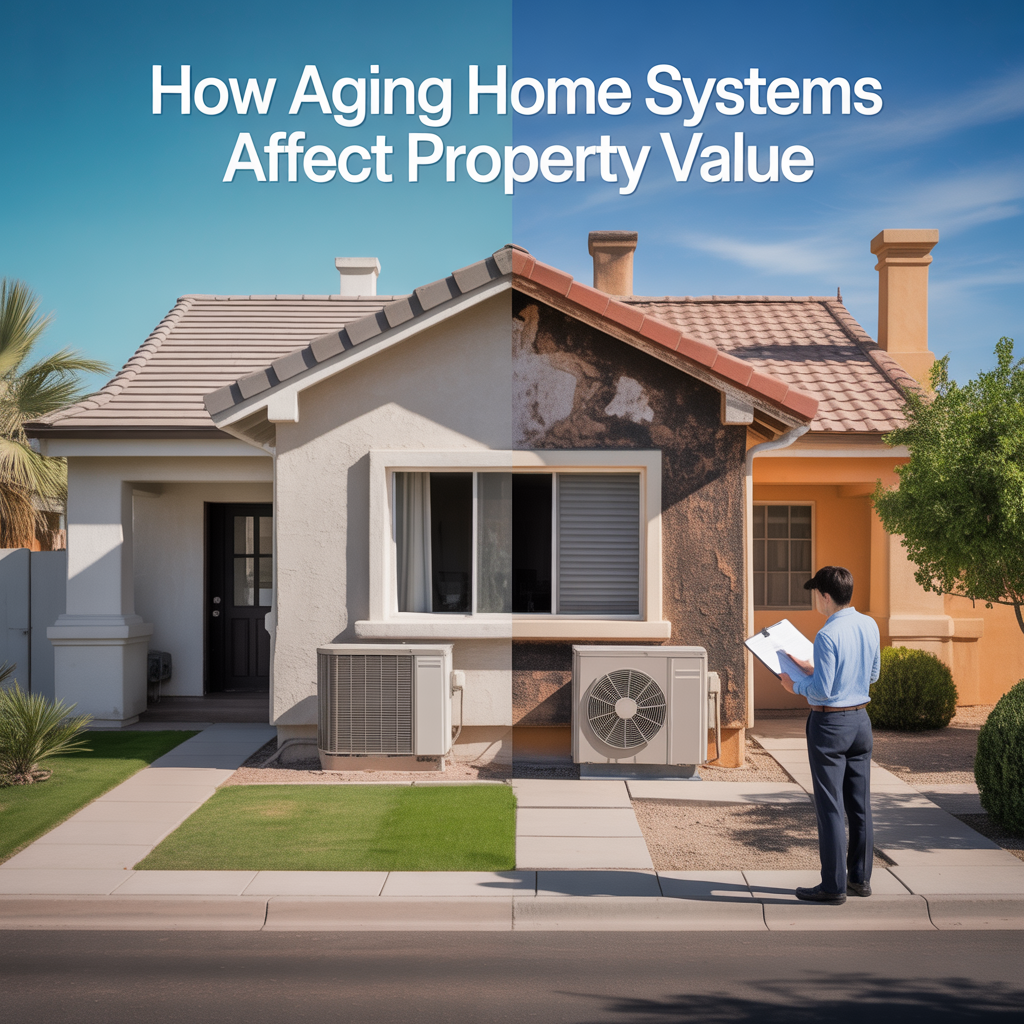
How Aging Home Systems Affect Property Value
Get the full Phoenix Market Insights → [Market Insights]
-
Cost of Living in Rhode Island: Housing, Taxes, Utilities, and Everyday Expenses
-
What If My Commute Becomes Worse Than Expected?
-
How Aging Home Systems Affect Property Value