


National Politics and Housing → [National Politics and Housing] & For more info on Local Politics and Housing→ [Local Politics and Housing]
Written by: Renee Burke
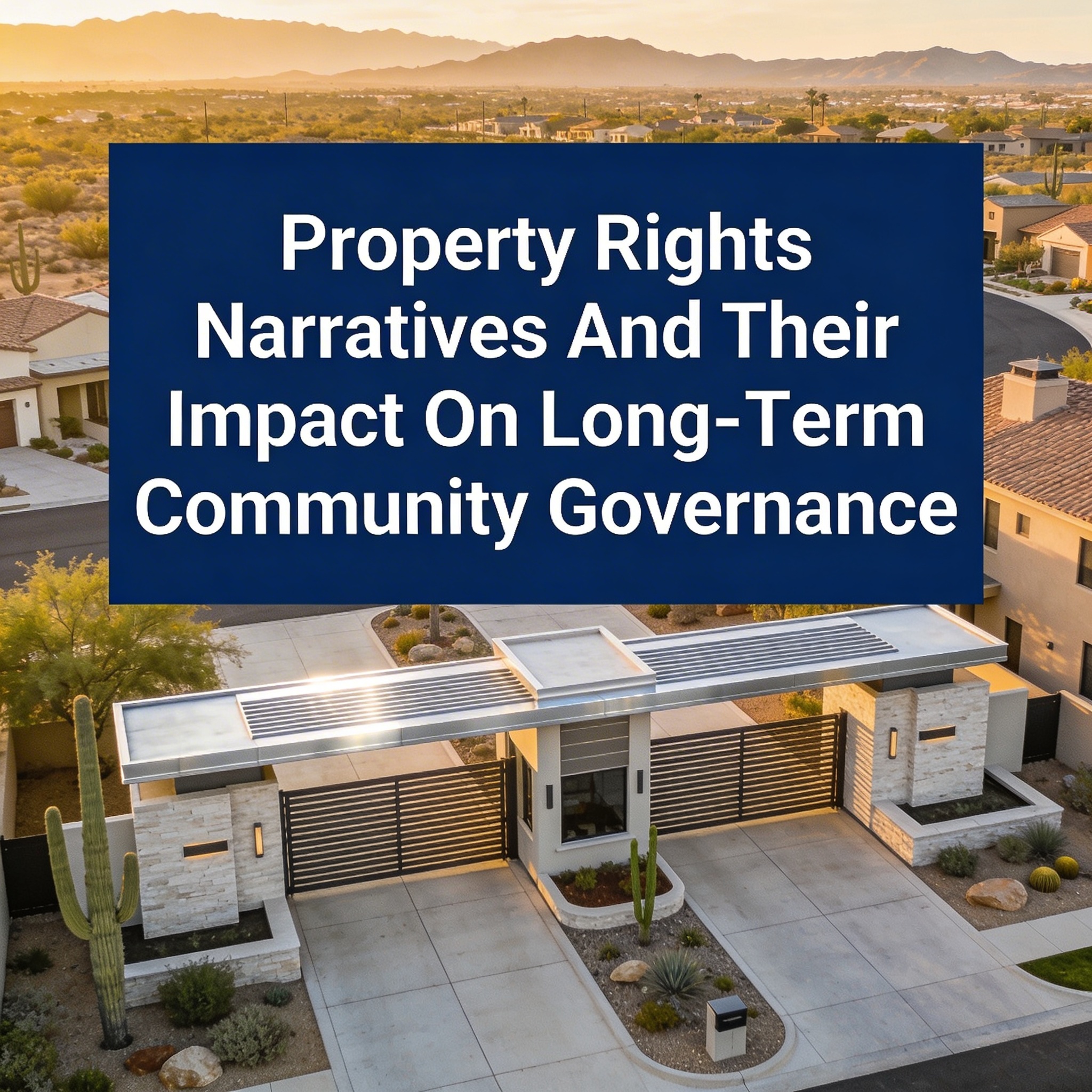
In Phoenix metro, where neighborhoods grow as fast as the summer monsoons, the conversation around property rights has always carried a special weight. It’s not just legal fine print — it’s the heartbeat of how we balance individual freedoms with the shared spaces that make our communities feel like home.
These narratives shape everything from HOA board elections to amendment votes, and they’re influencing the kind of long-term governance that will define places like Eastmark, Verrado, and the tight-knit pockets of central Phoenix for decades.
The Core Tension: Freedom vs. Collective Good
Arizona’s property rights framework is woven into our DNA here in the Valley. The Arizona Planned Communities Act and Condominium Act give homeowners clear authority — the right to use their property, rent it out unless explicitly prohibited, and vote on changes that affect their investment.
But woven right alongside that is the reality of shared governance. CC&Rs, bylaws, and rules exist to protect everyone’s equity, from the resale value of your home in Gilbert to the quiet evenings on your patio in Ahwatukee. When property rights narratives emphasize “unfettered ownership” over “thoughtful stewardship,” it can create friction that lingers for years.
I’ve seen it play out in board meetings: one side passionately defending their right to paint their door purple or park a boat in the driveway, while the other worries about declining standards rippling through the whole neighborhood. Both perspectives come from a place of care — it’s just a question of how they’re balanced.
How Narratives Shape HOA Board Dynamics
Property rights rhetoric doesn’t just stay on paper; it elects boards and sets agendas. In communities across Maricopa County, candidates often campaign on platforms of “less regulation” or “empowering owners,” tapping into real frustrations over fines, approval delays, or dues increases.
This can lead to boards that prioritize short-term owner appeasement over long-term planning — waiving reserve contributions to avoid dues hikes, softening enforcement on maintenance standards, or resisting professional management that might streamline operations. The result? Communities that feel more chaotic, with values stagnating as aesthetics slip.
On the flip side, boards that frame governance as “protecting our shared investment” tend to foster stability. They communicate patiently, hold fair hearings before fines, and use Arizona’s transparency laws — like ARS 33-1805 requirements for financial disclosure — to build trust rather than resentment. It’s governance that honors property rights and community health.
The Amendment Process: Where Narratives Collide
Nothing tests property rights narratives like amending CC&Rs or bylaws. In Phoenix HOAs, changes often need a supermajority vote — 67% or more in many cases — which means broad consensus is essential.
Pro-rights advocates might rally against amendments that add rental caps, solar restrictions, or even mailbox standards, framing them as “overreach.” Meanwhile, those focused on long-term value push for updates that address modern realities, like insurance-driven maintenance rules or EV charging guidelines.
Recent Arizona laws have tipped the scales toward owners here. HB-2067 mandates board accountability on recall meetings, and associations must now remove unlawful restrictions within 90 days of a request — all reinforcing that governance serves owners, not the other way around. But when narratives polarize, amendments stall, leaving outdated documents that no longer fit the community’s evolution. I’ve watched promising updates fail by just a few votes, leaving neighborhoods vulnerable to disputes that could have been avoided.
Litigation and Dispute Resolution: The Cost of Clashing Stories
When property rights narratives harden into “us vs. them,” disputes escalate to hearings, ALJs, or even court. Arizona law requires HOAs to give owners notice and a chance to be heard before penalties, which is a strong protection.
Yet I’ve counseled families through hearings where the real issue wasn’t the violation — a backyard fence two inches too tall — but years of built-up distrust. Boards seen as “power-hungry” face constant challenges; owners viewed as “entitled” get little sympathy. The Arizona Department of Real Estate can step in for formal complaints, but their role is limited — they don’t police everyday governance.
Over time, this erodes the social fabric. Communities that thrive long-term are those where narratives evolve to “we’re all stewards of this place.” They invest in mediation, clear communication, and bylaws that adapt without constant conflict.
Phoenix-Specific Pressures Amplifying the Debate
Our Valley’s unique growth patterns intensify these tensions. Master-planned communities like Power Ranch or Spectrum at Val Vista start with strong governance baked in, but as they mature, newer owners — often from out of state — bring fresh interpretations of “rights.” Meanwhile, older neighborhoods in areas like Arcadia or Moon Valley grapple with aging infrastructure that demands collective action.
State laws reflect this balance: HOAs can’t regulate public roadways indefinitely without compliance, and owners retain strong rental rights under ARS 33-1260.01 unless the declaration says otherwise. But when narratives frame HOAs as “villains” rather than partners, it hampers the proactive governance needed for rising insurance costs, reserve funding, or amenity upgrades.
Buyers sometimes overlook this, drawn to low dues or lax rules, only to find governance gridlock five years in. That’s why understanding a community’s narrative culture — through meeting minutes, recent votes, or board turnover — is as important as square footage or location.
Building Sustainable Narratives for the Future
The healthiest Phoenix communities don’t pick a side in the property rights debate — they integrate both. Boards that succeed:
- Host regular, inclusive forums where owners voice concerns without fear of reprisal.
- Update governing documents thoughtfully, using Arizona’s notice and voting safeguards to ensure buy-in.
- Prioritize transparency, sharing budgets, minutes, and reserve studies as required by law, so trust grows organically.
- Frame rules as value protection, not restriction — explaining how standards benefit resale and lifestyle alike.
These approaches create governance that withstands turnover, economic shifts, and even the occasional rogue owner. They turn potential adversaries into collaborators, ensuring the neighborhood you love today remains desirable for your kids or your next chapter.
The Personal Side: What This Means for Families
At its heart, this is about peace of mind. You didn’t move to a Phoenix HOA for endless debates or legal notices — you wanted a place where your home feels secure, your block looks sharp, and holidays bring neighbors together, not arguments.
When property rights narratives foster division, that vision fades. But when they emphasize mutual respect — your rights alongside everyone else’s — communities flourish. I’ve helped families navigate these waters, from voting on pivotal amendments to resolving disputes before they fester. It’s not about winning; it’s about sustaining what matters.
Guiding Your Community’s Next Chapter
Phoenix real estate rewards those who see beyond headlines to the governance that holds it all together. Whether you’re on a board, considering a run for one, or simply evaluating how a neighborhood’s culture might fit your life, these narratives are your compass.
If you’re thinking about making a move in Phoenix, or if you want to understand how property rights dynamics might shape the long-term governance of a community you love, you don’t have to figure it out alone.
I’ve attended countless meetings, reviewed stacks of CC&Rs, and walked families through the real-world impacts of these stories — so you can focus on building the life you envision here in the Valley.
Let’s connect for a thoughtful conversation about your neighborhood’s narrative, your rights, and the governance that will protect your investment for years to come.
Get the full Phoenix Market Insights → [Market Insights]


-

Signs Your Home’s Electrical System Is Overloaded
-
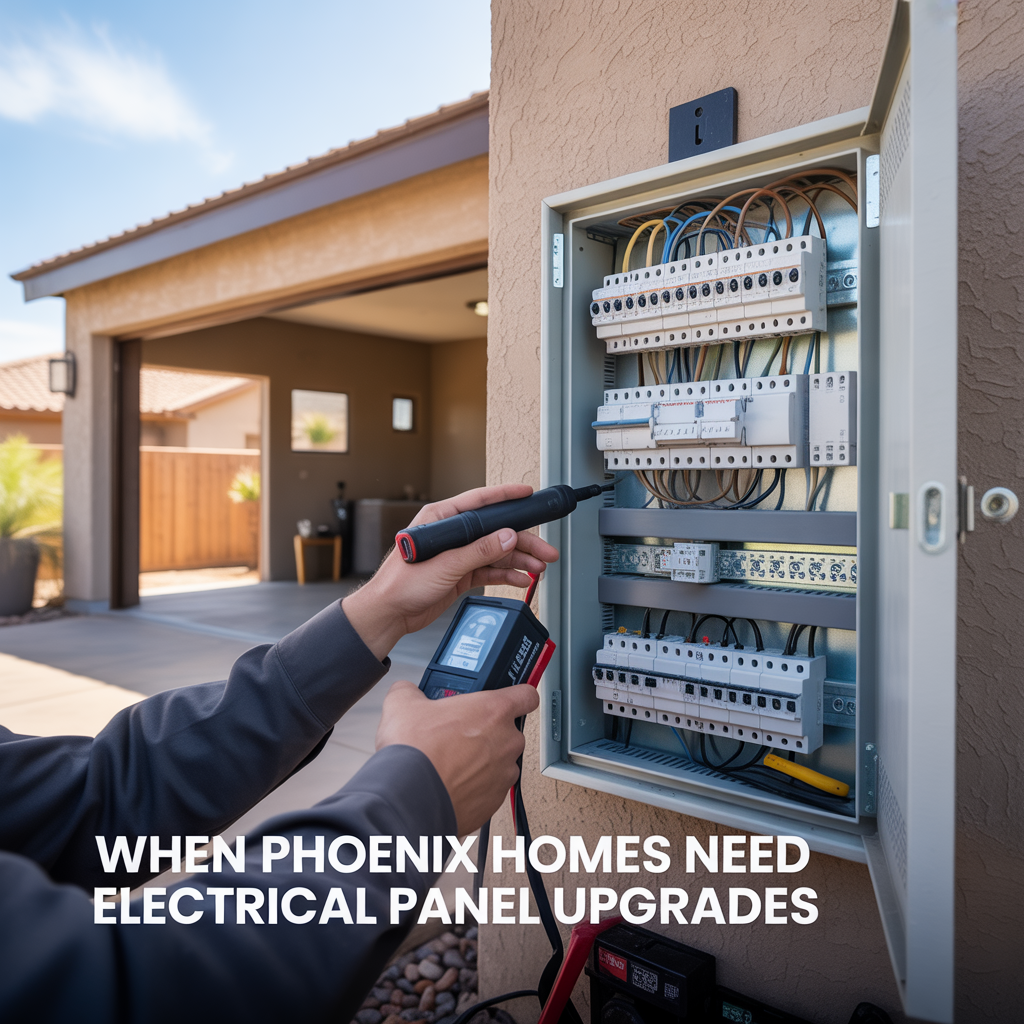
When Phoenix Homes Need Electrical Panel Upgrades
-

Water Pressure Problems in Phoenix Homes Explained