


This is part of the larger Phoenix Financing Guide→ [Phoenix Financing Guide]
Written by: Renee Burke
In Phoenix, where neighborhoods like Gilbert and North Scottsdale stay perennially hot, the condition of your home isn’t just about curb appeal—it’s the quiet foundation that keeps appraisals strong even when the market shifts. I’ve walked countless sellers through this, watching how well-maintained properties hold their value like a steady anchor amid our Valley’s unpredictable rhythms.
Appraisal resilience means your home supports its price through the appraiser’s eyes, no matter if it’s a multiple-offer frenzy or a softer season. In competitive pockets—where buyers still line up for the right Chandler family home or an Arcadia remodel—condition directly influences how much “wiggle room” you have when comps don’t perfectly align. Let’s explore how this works locally, why it matters now more than ever, and practical steps to build that resilience without over-improving.
Why Condition Drives Appraisal Strength
Appraisers in Phoenix aren’t swayed by hype; they lean on three things: recent comps (last 3-6 months), your home’s condition, and adjustments for features. In competitive neighborhoods, where sales are brisk and prices hold firm, superior condition can justify 5-10% above basic comps—think updated kitchens bridging a square footage gap or fresh exteriors offsetting a smaller lot.
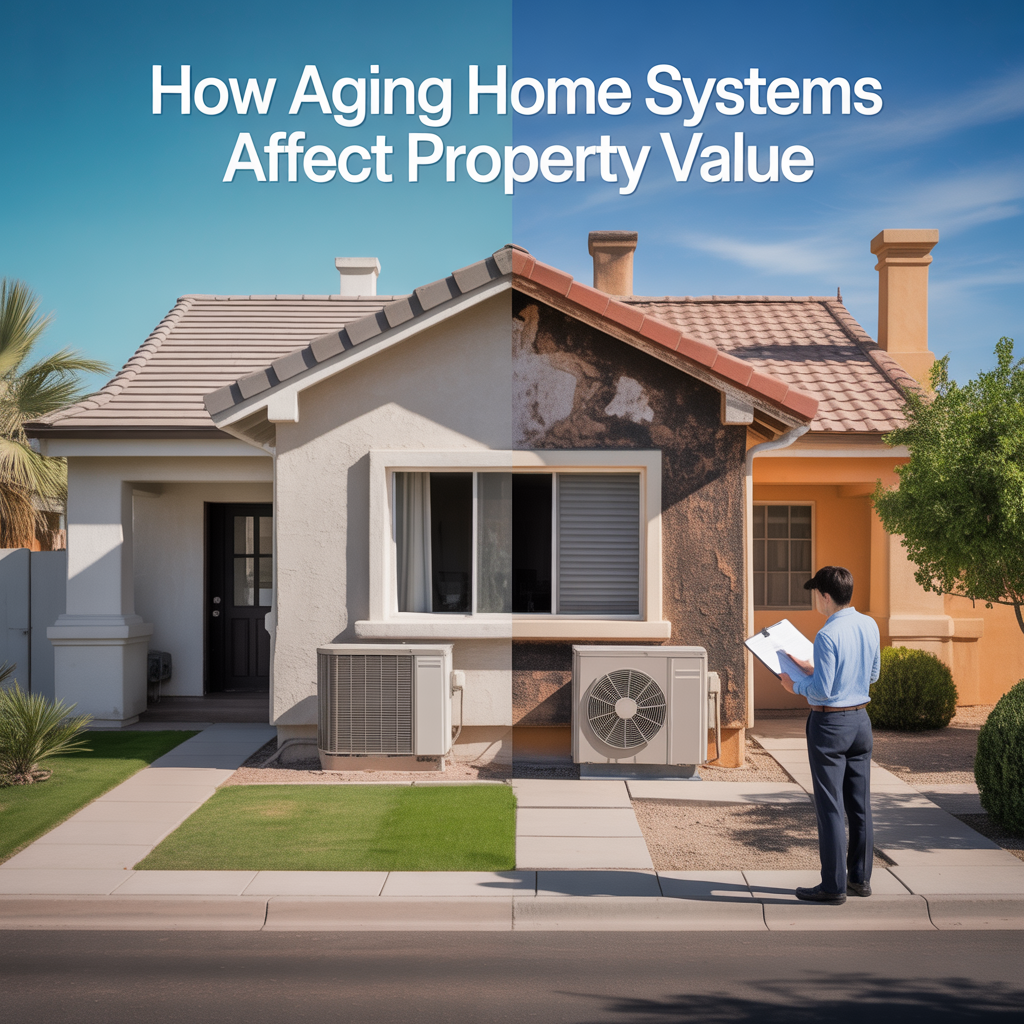
Poor condition, conversely, triggers negative adjustments: $10,000+ for deferred roof maintenance, peeling stucco, or outdated HVAC common in our desert climate. In hot areas like East Valley schools districts, where every detail competes, this can mean the difference between a clean appraisal and renegotiation drama.
Phoenix appraisers know our market intimately—pool values in Mesa, view premiums in Ahwatukee—and reward homes that show pride of ownership. It’s not about perfection; it’s about no red flags.
Competitive Neighborhood Dynamics
Phoenix’s hottest ZIPs amplify condition’s role:
- Gilbert/Chandler (East Valley): Family demand keeps competition fierce; updated interiors (quartz counters, no-popcorn ceilings) support full price, as comps are abundant but buyers nitpick condition.
- North Scottsdale/Fountain Hills: Luxury buyers expect resort-level maintenance—landscaping, hardscaping. Here, condition resilience shines in softer markets, holding 95%+ of list.
- Arcadia/Central Phoenix: Character homes rely on remodel quality; fresh mechanicals and period details prevent “as-is” discounts that erode appraisals.
- West Valley growth (Peoria/Goodyear): Newer builds compete on warranties, but resale condition must match—think energy-efficient windows against builder incentives.
In 2026’s normalizing market—more inventory, steady demand—condition separates “shopper’s market” sitters from quick, full-price closes.
Key Condition Elements Appraisers Prioritize
Focus on high-impact, low-cost updates that yield measurable adjustments:
These aren’t flips—they’re equity protectors. Data shows well-conditioned homes appraise within 2% of contract in 90% of Valley cases.
Building Resilience Pre-Listing
Timing matters: Address issues 3-6 months out for natural aging.
- Home Inspection Preview: Pay $400-600 for a buyer’s-eye check; fix safety/functional items first.
- Targeted Updates: Prioritize deferred maintenance over cosmetics—new water heater trumps new carpet.
- Documentation: Receipts for roof, HVAC, solar—appraisers adjust based on evidence.
- Professional Cleaning/Staging: Dust-free vents, spotless grout signal care.
- Appraisal Prep: Highlight uniques (extended patios for entertaining) with comps.
In competitive areas, this prep often nets 10-20% faster sales at higher net proceeds.
When Condition Saves the Deal
Low appraisals hit hardest in transitions: stretched buyers, jumbo loans. But resilient homes weather it—recent Gilbert example: Dated kitchen comps pulled value down 5%, but seller’s updates justified full price via adjustments. North Phoenix resale: Roof docs offset smaller comps, avoiding gap coverage.
Sellers fear “over-investing,” but in Phoenix hotspots, $10k spent yields $20k+ equity. Buyers: Insist on condition reports in offers for appraisal buffer.
Market Shifts and Future-Proofing
With 2026 bringing balanced inventory (4-5 months supply), negotiation returns—but condition keeps premium neighborhoods premium. New construction competes on warranties; resale counters with lived-in resilience.
Long-term: Climate-adaptive features (cool roofs, drought landscaping) build enduring value as insurance rises.
Your Confident Next Step
Property condition isn’t a chore—it’s your home’s voice in a competitive market, speaking resilience to appraisers and buyers alike.
If you’re preparing to sell in Gilbert, Scottsdale, or anywhere across Phoenix—and want to ensure your condition story supports top dollar—you don’t have to figure it out alone. I’ve guided families through these details for years, turning potential appraisal hurdles into seamless successes. Reach out anytime; let’s review your home together and build a plan that feels right.
Get the full Phoenix Market Insights → [Market Insights]


-
Cost of Living in Rhode Island: Housing, Taxes, Utilities, and Everyday Expenses
-

What If My Commute Becomes Worse Than Expected?
-
How Aging Home Systems Affect Property Value