



Financial Readiness Guide → [Financial Readiness] & this is part of the larger Phoenix Financing Guide→ [Phoenix Financing Guide]
Written by: Renee Burke
Buying a home in Phoenix isn’t just a financial step — it’s a life shift. People often ask me, “Renee, how long does it really take to be ready to buy?” It’s an honest question, and one that deserves more than the quick, formulaic answer you’ll find online. Because in Phoenix, readiness isn’t just about bank balances and interest rates. It’s about timing, confidence, and understanding how our desert market really moves.
When I talk about being “financially ready,” I don’t mean perfection. You don’t have to have every penny saved or a spotless credit score. What you need is a solid foundation — a realistic view of your finances, clarity around your comfort zone, and an understanding of where Phoenix’s housing cycle meets your personal timeline. Most people who start planning intentionally can be truly ready anywhere from six months to two years, depending on their starting point and financial habits. Let’s break down what that really looks like here at home.
Step One: Understanding Your Phoenix Context
Phoenix’s housing dynamics have their own rhythm. Our valley’s affordability has shifted over the past few years, and while prices have leveled in some areas, they’re still climbing gradually in others — especially where newer infrastructure or school improvements have added value. Neighborhoods like Laveen, south Gilbert, and parts of Peoria have been quietly appreciating while older central ZIP codes show steadier growth.
Because of this, “financial readiness” has a local dimension. In Phoenix, the cost of entry can vary by tens of thousands depending on the ZIP code, HOA structure, and even specific builder trends. Someone looking in Ahwatukee might reach readiness at a very different savings benchmark than someone eyeing Buckeye or north Glendale. That’s why it’s important to anchor your goal to your lifestyle — not just a headline price point.
Step Two: Assessing Where You Stand Today
The first step toward readiness is an honest look at your current financial picture. I often tell clients: don’t be afraid to open every drawer. You’ll need to understand your debt-to-income ratio (what lenders look at first), your credit score, and your realistic capacity to save consistently.
A few Phoenix-specific considerations:
- Down payment flexibility. While 20% remains a classic target, many buyers here comfortably purchase with 3–5% down through conventional, FHA, or VA financing. That means someone saving $450 a month could potentially be ready in just over a year for a $400,000 home.
- Closing costs. In the Valley, these usually range from 2–3% of the purchase price. Occasionally, sellers or builders — especially in newer communities around Queen Creek or Maricopa — offer credits that help offset these costs.
- Monthly payment planning. Don’t just calculate your mortgage. In Phoenix, HOA dues, SRP or APS power costs, and seasonal A/C spikes should all be built into your comfort zone. A realistic plan helps ensure your “yes” stays joyful, not stressful.
When I sit down with clients, this is where we start: clarifying where they are and how we can bridge the gap. It’s less about judgment and more about navigation.
Step Three: Creating Momentum (The Six-to-Eighteen Month Phase)
Once you know your numbers, the path to readiness becomes easier to chart. For most local buyers, this middle phase — building savings, strengthening credit, and timing the market — spans six to eighteen months.
Here’s what that often looks like:
- 6 months out: You’ve eliminated small recurring debts and built an emergency cushion equal to at least one to two months of living expenses. You’re tracking your credit regularly and starting conversations with a trusted lender.
- 12 months out: You’ve narrowed your preferred areas (for example, deciding between the East Valley or North Phoenix) and can estimate a price range that feels sustainable. You’re saving automatically each month, even small amounts.
- 18 months out: You’re ready to get pre-approved, visit homes, and watch for seasonal opportunity points — like spring slowdowns or summer buyer incentives from builders in places like Verrado or Estrella Mountain Ranch.
This phase is where mindset matters most. Being financially ready isn’t about restriction — it’s about clarity and confidence. You’re conditioning yourself to own, not just to buy.
Step Four: Balancing Emotion and Economics
Phoenix is an emotional market. People come here for lifestyle — the space, the light, the trail access, the sense of calm that still somehow feels cosmopolitan. That’s why I remind buyers that “financial readiness” includes emotional steadiness. You’ll need to understand both what you can afford and what truly feels right.
Some clients discover that their comfort number is lower than their pre-approval limit, and that’s perfectly fine. In fact, it’s wise. Realistic budgeting gives you breathing room for the unexpected — like HOA assessments or a roof tune-up before monsoon season.
When you feel emotionally aligned with your plan, the process stops feeling rushed. That’s when you know you’re ready — not because a spreadsheet says so, but because your decision will hold steady even when the headlines don’t.
Step Five: Recognizing the Phoenix Advantage
Why be patient? Because Phoenix still rewards preparedness. Unlike some saturated coastal markets, our metro area continues to offer diverse inventory and long-term value for steady buyers. New developments in north Peoria, south Chandler, and the West Valley are bringing well-planned communities with strong resale potential.
And timeline plays a key role. Buyers who take time to prepare thoughtfully — improving their credit, monitoring shifts in interest rates, and saving intentionally for the right home — often end up with better loan terms and more negotiating leverage. Phoenix’s market cycles move rhythmically enough that deliberate timing can work to your favor without needing to “time the market.”
For example, those who began saving in 2024 and entered the market in mid-2025 found themselves benefiting from a brief dip in rates and less competition. That’s what readiness can buy you: freedom to act when the moment fits, not when pressure mounts.
Step Six: Fine-Tuning with Local Insight
Here’s where local experience truly matters. In Phoenix, readiness isn’t one number on a lender’s spreadsheet — it’s shaped by micro-markets, HOA policies, property taxes, and infrastructure changes that only someone watching the Valley daily can anticipate.
A few examples:
- Assessments and HOAs: Master-planned communities like Eastmark or Vistancia offer wonderful amenities, but their HOA structures vary dramatically. Building those fees into your budget early ensures smoother long-term ownership.
- Property value gradients: In-fill neighborhoods near downtown Tempe, central Chandler, or the 7s in Phoenix often hold value differently than suburban tracts. That affects your appreciation potential — key for buyers hoping to move up later.
- Commute and infrastructure: As the 202 expansion and Loop 303 corridors evolve, certain submarkets (like Laveen or Desert Ridge) could shift in demand. Financial readiness includes knowing which areas are poised for strong resale when your life phase changes again.
Preparing early means you don’t just buy a home — you choose your position in the Valley’s next chapter.
Step Seven: The Invisible Readiness — Your Comfort with Change
Some buyers don’t realize this part until they’re in it. Financial readiness also includes your preparedness for the transition: moving from renting to owning, from calling maintenance to handling your own repairs, from fixed rent to property tax adjustments.
Phoenix ownership is empowering, but it’s a rhythm change. You’ll think differently about utilities during summer, about your landscaping during irrigation season, about insurance during monsoon months. The right advisor doesn’t just help you close — she helps you feel ready to live the life that follows.
That’s the completeness of “readiness”: not just being able to buy, but being able to thrive once you do.
So, How Long Does It Really Take?
For most Phoenix-area buyers, the realistic timeframe to be financially and emotionally ready to buy is around one year. For some, it’s shorter; for others — especially those rebuilding credit or adjusting budgets — it’s closer to two. The key is consistency, not speed.
Every small step — one less debt, one more month of savings, one mortgage conversation — builds momentum. Buyers who start deliberately often find that readiness arrives almost quietly. One day, you realize you’re no longer hoping or guessing. You’re ready to act with confidence.
A Gentle Next Step
If you’re thinking about buying in the Phoenix area, you don’t have to figure out the “when” alone. Understanding what readiness really looks like in our Valley takes conversation, not formulas. If you’d like to talk through where you are, what’s realistic for your budget, or how to build your plan around Phoenix’s market rhythms, I’d be honored to help.
You deserve a guide who listens first and leads thoughtfully — someone who knows this market inside and out and helps you move forward when you’re ready.
If you’re thinking about making a move in Phoenix, you don’t have to figure it out alone.
Get the full Phoenix Market Insights → [Market Insights]


-
Cost of Living in Rhode Island: Housing, Taxes, Utilities, and Everyday Expenses
-

What If My Commute Becomes Worse Than Expected?
-
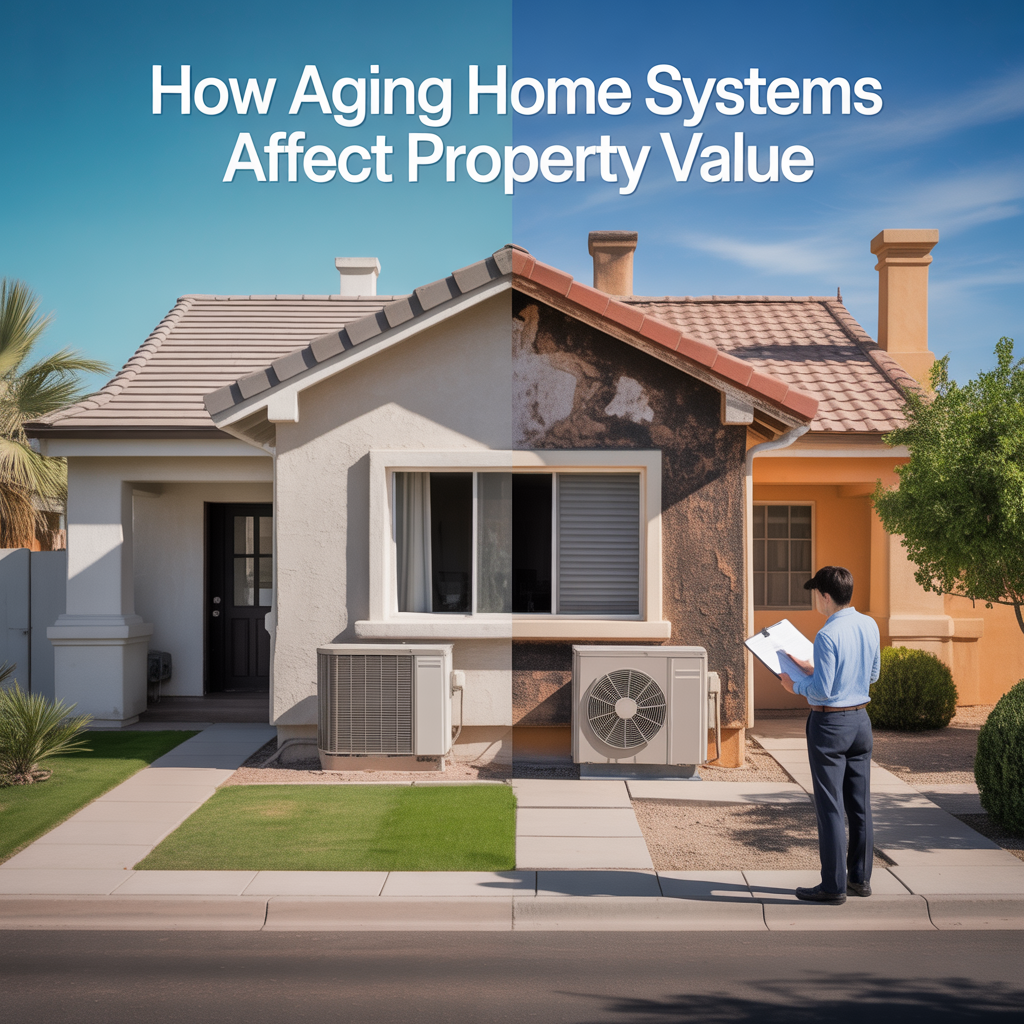
How Aging Home Systems Affect Property Value