



This is part of the Ownership Costs & Budget Planning Guide → [Ownership Costs & Budget Planning Guide] & the larger Homeownership 101 Guide→ [Homeownership 101]
Written by: Renee Burke
There’s a quiet kind of pride that comes with homeownership in the Valley — especially when you’ve chosen your space carefully, settling into a rhythm that fits both your lifestyle and the desert itself. But even in our dry climate, time and heat have their say. Roofs, AC units, water heaters, and pool equipment all age in their own way — and learning to replace these systems on your own timeline (not theirs) is one of the smartest ways to plan for lasting, stress-free ownership in Phoenix.
Understanding the Life Cycle of a Phoenix Home
Homes here age differently than they do in most places. The sun is our biggest variable — more than rain, more than snow, it’s the unrelenting UV and summer triple digits that wear down exterior finishes, roofing materials, and AC systems faster than homeowners might expect coming from cooler regions. A 15-year-old roof in Phoenix is not the same as a 15-year-old roof in Oregon or Illinois; ours has likely endured over 2,000 days of direct summer heat.
The good news is, with consistent attention and the right maintenance approach, you can shift from reactive repairs to predictive planning. Instead of waiting for failure, you begin to manage your systems by schedule — much like rotating your tires or replacing smoke detector batteries.
The Four Big Systems to Watch
Let’s walk through the systems Phoenix homeowners most often need to plan replacements for. Each one presents its own rhythm, lifespan, and local nuances.
1. Air Conditioning Systems
Your AC is the heartbeat of your home in Phoenix, and it rarely gets a rest. A well-maintained heat pump or condenser unit typically lasts 12–15 years here. I always encourage clients to have systems evaluated annually — not just for efficiency, but to start tracking performance over time. When your technician starts to note diminishing output or leaks at the coil, that’s not a crisis; it’s your signal to start budgeting, maybe a year ahead.
Pro tip: Fall is the ideal time to replace an AC — installation schedules are more flexible, and you won’t be rushed by a mid-summer breakdown.
2. Roofs and Underlayment
Tile roofs are common throughout Maricopa County, but it’s not the tiles that fail — it’s the underlayment beneath them. Around 20 years in, even the strongest underlayment materials begin to dry, crack, and curl from UV exposure. That’s why many roofers here now talk in terms of “re-underlayment” rather than full replacement.
If you bought your home recently, and it’s in that 15–20-year-old range, consider a roofing inspection early in ownership. Planning for replacement before you see leaks saves you thousands — and a lot of stress when monsoon moisture rolls through.
3. Water Heaters
In our hard-water environment, sediment buildup accelerates wear inside the tank. Traditional gas heaters often last around 8–10 years here, while newer tankless systems can stretch well beyond that with regular flushing. When you see rust at the base or erratic hot water supply, that’s your window to act — not panic.
Some neighborhoods in north Glendale, Peoria, or Chandler even have community water hardness levels high enough that I suggest installing a softener with every replacement. That small investment extends your water heater’s lifespan and protects fixtures too.
4. Pool Equipment
For homes with pools — and that’s a large share of Valley properties — both pumps and filters tend to show their age around the 10-year mark. The good news is, modern variable-speed pumps drastically reduce electricity costs and often qualify for SRP or APS rebates. I like to think of these upgrades less as replacements and more as efficiency decisions. Strategic timing here isn’t just about avoiding breakdown; it’s about recapturing energy savings as technology improves.
Creating a Predictive Timeline
Here’s a simple, Phoenix-specific way to take control of your home’s system lifecycle:
- Document everything after you move in — model numbers, ages, and service dates. I recommend keeping photos in a single folder on your phone for quick reference.
- Budget intentionally. Set aside 1%–2% of your home’s value annually for maintenance and replacement reserves. In a $500,000 home, that’s $5,000–$10,000 a year — not necessarily spent each year, but saved consistently.
- Cluster replacements strategically. If your AC and roof are aging on parallel timelines, plan them back-to-back within a few years. Coordinating installs can minimize disruption and give you stronger negotiating power with contractors.
- Use downtime wisely. Fall and winter are shoulder seasons here — perfect for scheduling work without summer urgency or busy-season markups.
Reading Your Home’s Subtle Cues
Phoenix homes often “speak” before something truly goes wrong. Maybe your AC takes a bit longer to cool in July, or your water pressure starts fluctuating. These aren’t inconveniences to tolerate; they’re invitations to get ahead of the system curve.
For instance, homes in Desert Ridge or Gilbert built in the early 2000s are now hitting that two-decade milestone where multiple systems align for replacement. I often help homeowners there plan out projects in stages — roof year one, AC year two, then landscaping or exterior paint soon after. Doing it methodically spreads out costs and avoids overwhelming your schedule or wallet.
Balancing Aesthetics, Comfort, and Priorities
Sometimes, the temptation is to focus on visible upgrades — floors, kitchens, lighting — before the mechanical essentials. It’s completely understandable. But as someone who’s seen both sides countless times, I’ll say this gently: the unseen systems are what truly define your day-to-day comfort in Phoenix.
Imagine having a fully remodeled kitchen but an AC unit that struggles in August. The shine fades quickly if you’re constantly sweating or worried about repairs. Replacing core systems first gives you peace of mind — the kind that makes everything else feel more enjoyable.
That doesn’t mean deferring personal touches. Instead, I encourage homeowners to layer improvements logically: take care of primary systems, then shift focus to cosmetic or lifestyle upgrades with renewed confidence. You’ll enjoy your space more, and you’ll protect your investment at the same time.
Knowing When to Replace vs. Repair
There’s a sweet spot between squeezing every bit of life out of a system and replacing prematurely. Here’s how to think it through:
- Repair when parts are readily available, costs are modest (under 30% of the replacement price), and you’ve had reliable service up to this point.
- Replace when repeated issues are emerging, efficiency has dropped notably, or you’re planning to sell within a few years and want to remove negotiation friction.
Many Phoenix buyers are savvy; they’ll ask about recent system updates during inspections. A newer roof or AC can easily add perceived value and reduce objections during contract negotiations.
The Emotional Side of Planning Ahead
This part isn’t talked about often, but it matters. Home system replacements can feel overwhelming — not just financially, but emotionally. There’s disruption, decision-making, and the uneasy feeling of “what if I pick the wrong contractor?”
You don’t have to figure that out alone. Local professionals, myself included, keep vendor relationships for exactly these moments. We know who shows up on time, who cleans up before leaving, and who stands behind their work during warranty periods. Lean on that local knowledge — it’s part of what you’ve already earned by living and investing here.
Taking Ownership of Your Timeline
The best part of all this is realizing how much control you actually have. When you understand the rhythm of Phoenix home systems and you plan intentionally, you stop being reactive. You’re leading the process — and that’s powerful.
No more surprise failures during the hottest week of July. No emergency calls to roofers just as the first monsoon rolls through. You’ve created your own timeline — one that respects both your budget and your peace of mind.
If you’re navigating system replacements or planning ownership costs for your next Phoenix home, I’d be glad to help you map out your approach. My goal is always to make sure you feel confident and supported, whether you’re buying, selling, or simply planning ahead for long-term comfort.
If you’re thinking about making a move in Phoenix, you don’t have to figure it out alone.
Get the full Phoenix Market Insights → [Market Insights]


-
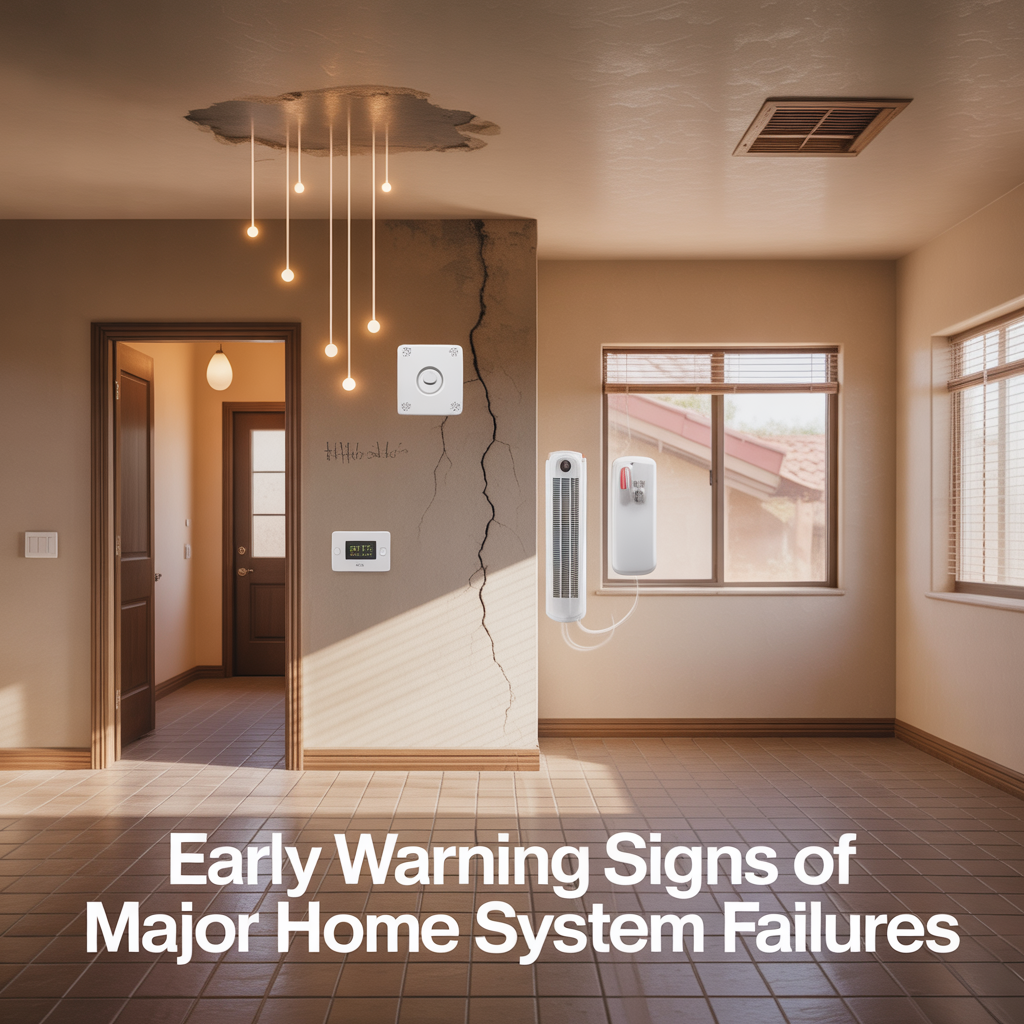
Early Warning Signs of Major Home System Failures
-

How Preventative Maintenance Protects Phoenix Property Value
-

The Best Annual Home Maintenance Plan for Phoenix Homes