



This is part of the Ownership Costs & Budget Planning Guide → [Ownership Costs & Budget Planning Guide] & the larger Homeownership 101 Guide→ [Homeownership 101]
Written by: Renee Burke
Major home expenses — a new A/C unit, roof recoating, or pool resurfacing — can feel like thunderclaps in your budget if they catch you off guard. In Phoenix, where our desert sun and monsoons speed up wear, timing them thoughtfully keeps finances steady and life calm.
I’ve walked many Valley families through this, turning potential shocks into smooth plans. It’s about knowing your home’s rhythm and spreading costs so they never overwhelm. Let’s map it out with the patience it deserves.
1. Know Your Home’s Natural Timeline
Phoenix homes follow predictable cycles driven by climate. A/C units strain through 8–9 months of heat yearly, typically needing replacement every 10–12 years at $8,000–$12,000. Foam or tile roofs fade under UV, requiring recoating or repair every 7–10 years ($5,000–$15,000).
Water heaters last 8–12 years ($1,500–$3,000); pool plaster cracks after 10–15 years in our mineral water ($10,000+). Chart yours at purchase — note install dates from records or inspections. Early awareness means planning, not panicking.
2. The 1% Rule Guides Your Cadence
Set aside 1% of home value yearly ($400–$800/month for $500k–$900k homes). This funds routine upkeep and builds toward majors. When a $10,000 roof looms in year 8, you’ve saved $40,000+ total — plenty without borrowing.
Adjust for age: Newer Gilbert tracts need less upfront; 20-year-old Peoria homes cluster expenses sooner. Review annually against Maricopa County assessments.
3. Seasonal Sweet Spots for Savings
Time work off-peak: January–March for A/C overhauls (technicians freer post-holidays, pre-summer rush). Roof recoats shine in spring before monsoons. Pools resurface fall–winter ($2,000–$3,000 savings vs. peak).
Avoid June–September: Labor and materials surge 20–30% with demand. Bundle tasks — A/C tune-up with duct cleaning saves trips.
4. Prioritize by Urgency and Impact
- Critical (now): Leaking A/C mid-105°F ($ immediate health/safety).
- High (6–12 months): Cracked pool plaster risking structure.
- Medium (1–3 years): Fading paint before stucco fails.
- Low (3+ years): Cosmetic kitchen refresh.
Rank via simple spreadsheet: Cost × lifespan urgency. Tackle clusters wisely — stagger A/C and roof across years.
5. Phoenix Climate Accelerators
Monsoons expose roof vulnerabilities by July; summer heat kills A/C compressors suddenly. Hard water scales heaters faster; dust clogs filters monthly ($50–$100 ignored becomes $1,000).
Proactive: Bi-annual inspections catch issues early, cutting major costs 30–50%.
6. Financing Without the Stress
- Reserves first: Ideal, no interest.
- HELOC second: Low rates (5–7%), tax-deductible for improvements.
- Personal loans last: Higher rates, shorter terms.
Never max credit cards — interest erodes equity. For $10k projects, save $200/month over 4 years vs. $300/month payments.
7. Vendor Timing and Negotiation
Off-season bids yield 10–20% discounts. Multiple quotes (3–5) in winter; loyal pros offer “neighbor rates” in tight-knit areas like Ahwatukee. Bundle with neighbors for group pricing on shared services.
Phoenix networks via Nextdoor or HOA lists save real money.
8. Tax Breaks and Rebates
Arizona energy rebates for efficient A/C ($500–$1,500 via SRP/APS); federal credits for solar-integrated roofs. Maricopa property tax reassessments post-improvements can offset.
Track via azcommerce.com or provider sites — timing claims maximizes returns.
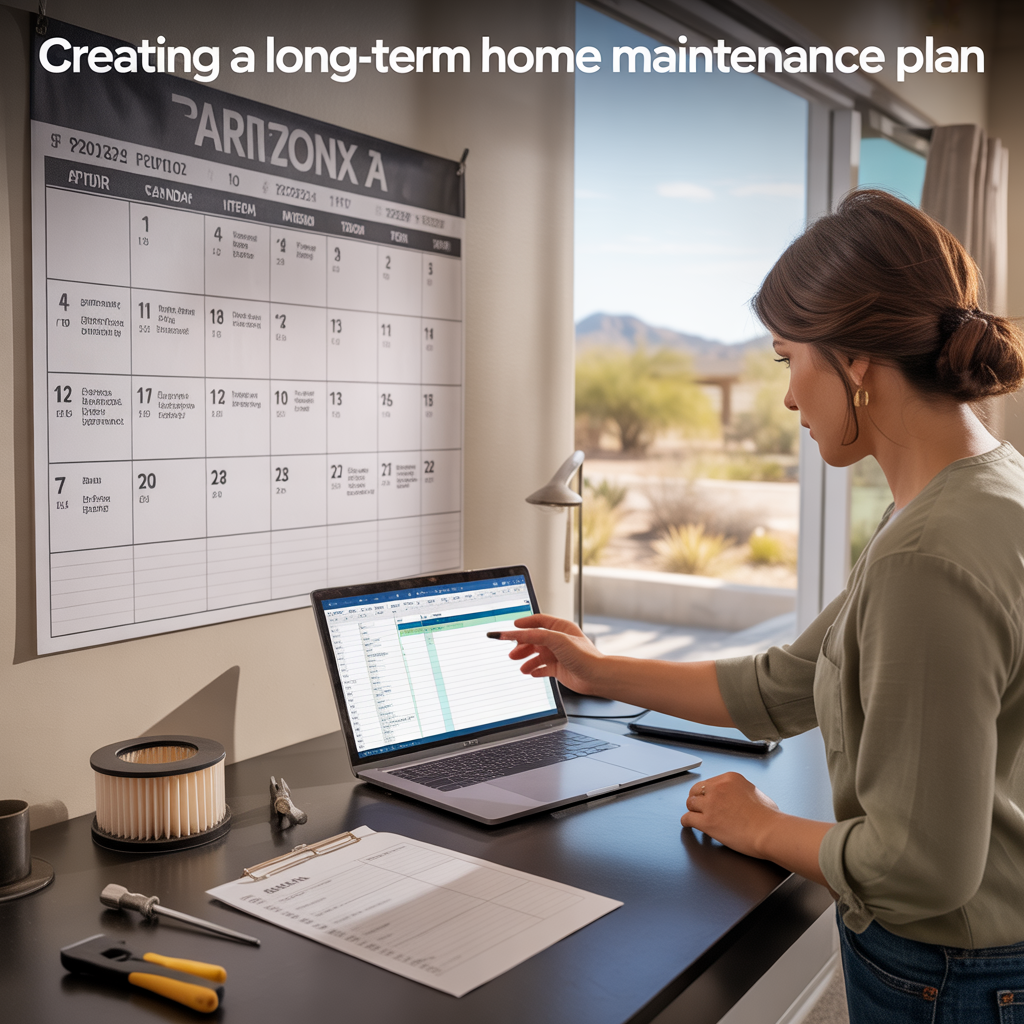
9. Your Annual Rhythm Calendar
Build one:
- Q1: Inspect A/C/roof, plan bids.
- Q2: Service pool/irrigation pre-summer.
- Q3: Post-monsoon review, paint prep.
- Q4: Heater/flue checks, reserve audit.
Apps like HomeZada automate reminders. Adjust for life — growing families add pool focus.
10. Steady Confidence, No Surprises
Timing majors right transforms ownership from reactive to rewarding. In Phoenix, where equity builds reliably, small habits protect your investment and peace.
You’re wiser than most just by planning ahead. If your Scottsdale estate or Litchfield starter needs a timeline — or reserves review — reach out. Let’s sequence it perfectly for you.
You don’t have to time it alone. I’m here, step by steady step.
If you’re thinking about making a move in Phoenix, you don’t have to figure it out alone.
Get the full Phoenix Market Insights → [Market Insights]


-

Repair vs Replace Decisions for Phoenix HVAC Systems
-
Creating a Long-Term Home Maintenance Plan
-

How Often Phoenix Homes Should Be Professionally Inspected