



Continue your market research using these 3 hubs → [Phoenix Market Insights Guide] → [Phoenix Metro Home Buying Process] → [Phoenix Metro Home Selling Process]
Written by: Renee Burke
Phoenix has this remarkable way of feeling both vast and intimate—like driving the Loop 101 at dawn with mountains framing your future, or settling into a backyard sunset barbecue knowing you’ve chosen a place that grows with you. If you’re pondering whether now’s the time to buy real estate here in the Valley, I hear that mix of excitement and caution in your voice. Is it still a smart investment amid steady rates and national headlines? Or have the cycles shifted too far? As someone who’s called Maricopa County home for decades, guiding families through every upswing and pause, let me ease your mind: Yes, Phoenix remains one of the strongest bets for real estate in 2026—but thoughtfully, with eyes wide open to what makes our market tick.
We’ve built resilience here, blending job growth, lifestyle pull, and measured appreciation that rewards patient buyers. It’s not the frenzy of 2021, but a mature market where intention pays off, whether you’re eyeing a starter in Peoria or an equity-builder in Chandler.
Why Phoenix Shines for Buyers Right Now
Our fundamentals haven’t wavered. Population keeps inflowing—tech transplants to TSMC’s North Phoenix campus, healthcare pros to Banner hubs, families from high-tax states seeking our 2.5% flat income rate and no snow. Jobs in semiconductors, biotech, and tourism drive demand without the volatility of boom-bust cycles. Median home prices hold steady around $450,000-$460,000, up just 2-3% year-over-year—a gentle climb that builds wealth without bubble risk.
Inventory’s improved: 8-10% more listings than last spring, easing bidding wars. Builders in Queen Creek and Surprise add supply with incentives like rate buydowns, while resale owners price realistically in a 6.5-7% rate world. Buyers negotiate concessions—closing costs, repairs—creating win-wins absent in hotter eras.
Stability Over Speculation: The Numbers That Matter
Phoenix real estate excels in long-term hold value. Expect 3-5% annual appreciation through 2027, strongest in East Valley corridors (Chandler, Gilbert) near job centers. Rental yields? Solid 5-6% cap rates for investors, fueled by tenant demand from Intel shifts and airport proximity.
Risks are real but manageable: Summer slowdowns temper urgency; insurance rises in foothill zones (budget $2,500/year). Yet affordability endures—monthly payments on $450K (20% down) hit $3,000-$3,500, below coastal norms, with property taxes at 0.7%.
Compare key drivers:
| Factor | Phoenix Edge | Potential Caution |
|---|---|---|
| Job Growth | +2.5% (tech/healthcare lead) | Seasonal tourism dips |
| Appreciation | 3-5% projected | Soft West Valley fringes |
| Affordability Index | 105 (vs. U.S. 100) | Rate sensitivity |
| Rental Demand | High (88% occupancy) | HOA variability |
| Lifestyle ROI | Trails, sun, community | Summer heat premiums |
East Valley leads for families (A-rated schools, Riparian Preserve vibes); West for value plays (Peoria’s lake access).
Lifestyle: The True Investment Multiplier
Numbers aside, Phoenix buying is about life amplified. Imagine Ahwatukee hikes post-school drop-off, Gilbert’s Heritage District markets, Deer Valley trails for weekend resets. These aren’t perks; they’re equity protectors—neighborhoods where people root down, boosting resale.
Common fears? “Too hot, too spread out.” Truth: Microclimates vary (foothills cooler), Loop highways shrink commutes, communities like Vistancia blend resort ease with suburban heart. Empty-nesters love lock-and-leave townhomes; young pros crave Norterra’s walkable energy.
Risks and Rewards: A Balanced View
Downsides exist—rates linger above 6%, inventory tightens in premium spots like Arcadia, monsoons nudge insurance. But Phoenix’s land constraints and economic maturity buffer dips better than ever. Foreclosure rates? Under 0.3%, lowest in years.
For sellers-turned-buyers, the “rate lock” keeps listings low—but creates opportunities as life changes prompt moves. Investors: Focus multi-family near Sky Harbor or single-fams in growth paths like Loop 303.
It’s a yes for prepared buyers: Pre-approvals, local insight, timing patience.
If You’re Weighing a Phoenix Purchase…
You don’t have to decipher headlines alone. Whether Chandler family home calls, Peoria investment sparks, or Ahwatukee downsizing fits, I’m here—your steady Valley confidante, mapping risks, opportunities, and your perfect fit.
Phoenix real estate builds legacies when guided right. Let’s chat your vision, timeline, and next assured step.
Get the full Phoenix Market Insights → [Market Insights]


-
Cost of Living in Rhode Island: Housing, Taxes, Utilities, and Everyday Expenses
-

What If My Commute Becomes Worse Than Expected?
-
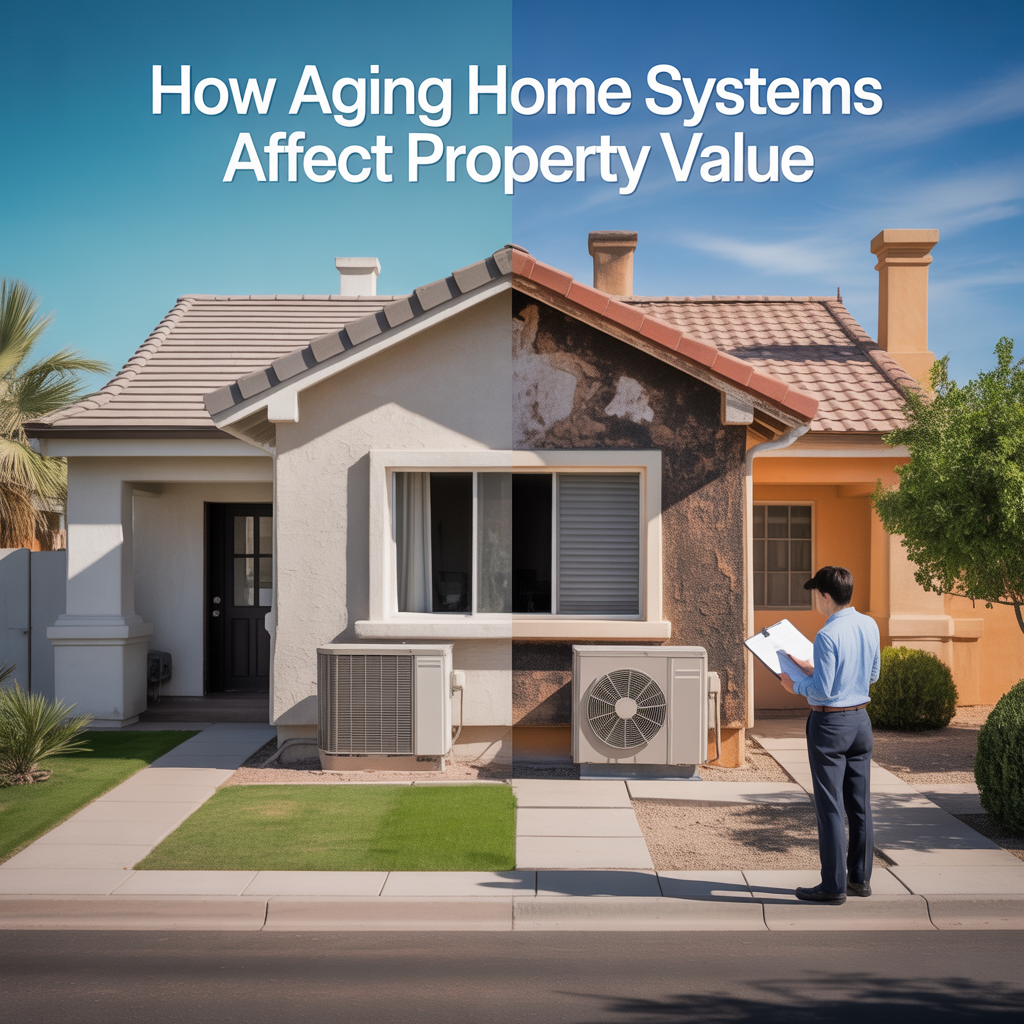
How Aging Home Systems Affect Property Value