


This is part of the Insurance, Risk and Protection Guide →[Home Maintenance and Systems] & the larger Homeownership 101 Guide→ [Homeownership 101]
Written by: Renee Burke
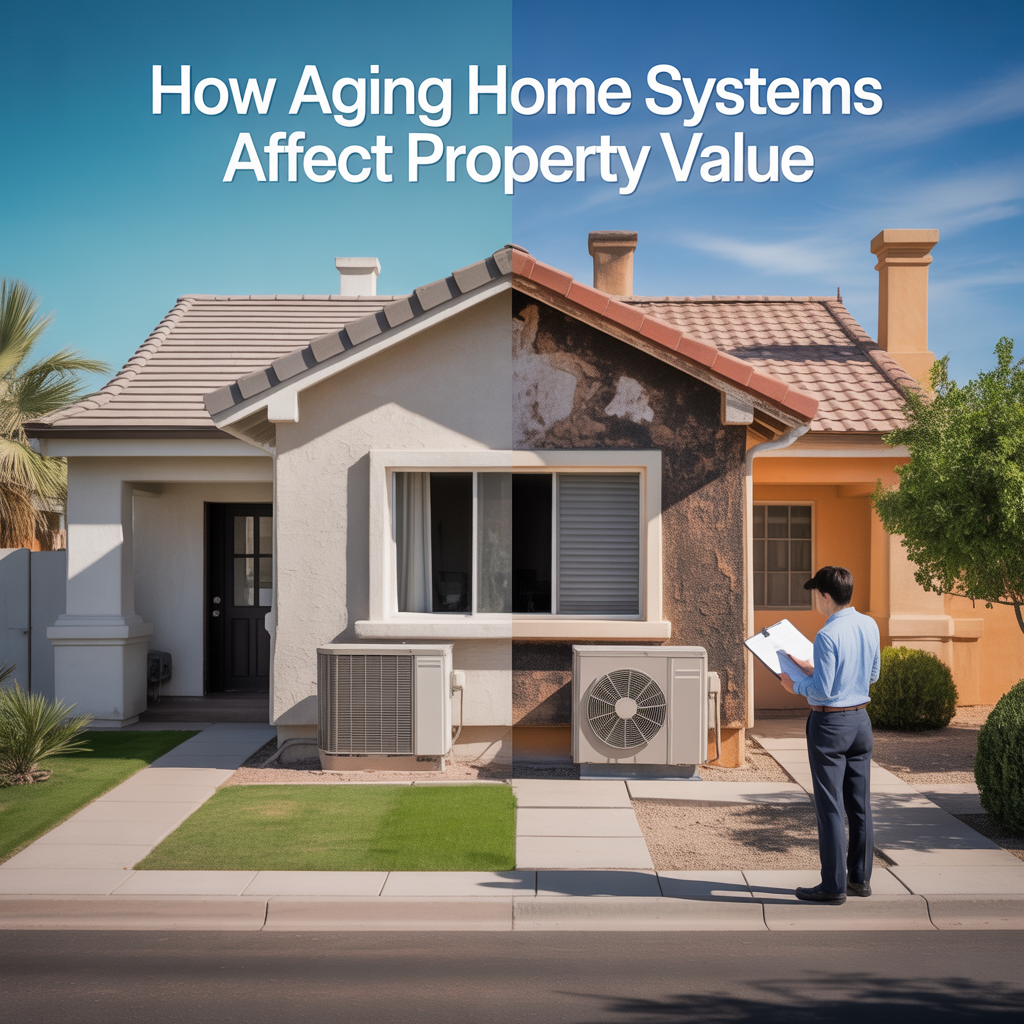
In Phoenix, a home is quietly judged not just by its curb appeal but by the health of its systems. When you stand in front of an older furnace, a 15‑year‑old AC, or a roof that’s clearly on its last legs, what you’re really seeing is the quiet influence of age on property value. Those systems don’t just shape your comfort and utility bills — they shape how buyers, lenders, and appraisers see your home.
Over the years, I’ve watched how homes with tired, aging systems often sell at a discount, while those with updated, well‑cared‑for systems quietly command stronger offers and smoother negotiations. Let’s talk about how aging systems really affect value in our Phoenix market and how you can manage that influence thoughtfully.
1. The “Hidden Age” Buyers Can’t Ignore
Most buyers don’t see the age of your HVAC unit or water heater printed on the wall, but they feel it. When an older system struggles to cool the house, groans on startup, or clearly hasn’t been serviced, it reads like deferred maintenance.
In Phoenix, where AC is a necessity, an aging HVAC unit can:
- Suggest a future repair or replacement that the buyer must budget for, which can translate into a lower offer or more aggressive negotiations.
- Raise questions about how the rest of the home has been maintained — if the AC is worn out, buyers wonder what else might be hiding.
The same is true for water heaters, roofing, and plumbing. Aging systems don’t just mean discomfort; they imply risk and possible surprise costs.
2. Inspections and Appraisals: Where Aging Systems Show Up
Once an offer is accepted, aging systems become very visible in two places: the inspection report and the appraisal.
- Inspections: If your HVAC is past 12–15 years, your roof is sagging, or your water heater is rusting, inspectors will note those items. That can prompt buyers to request credits, repairs, or even a renegotiation of price.
- Appraisals: Appraisers look at the “remaining economic life” of major systems. If several key components are near the end of their useful life, the home may be valued more conservatively, especially if sellers aren’t willing to commit to upgrades.
In Phoenix’s competitive market, a home that passes inspection with minor notes tends to be more attractive than one that comes with a long list of “items to verify or repair.”
3. What Buyers and Investors Often Assume
When systems are clearly aging, buyers and investors tend to think in practical terms:
- “If I buy this, I’ll probably be replacing the AC within the next few years”
- “That roof won’t last the full mortgage term, so I should assume a replacement cost”
- “If the water heater and plumbing are old, are there other hidden issues in the house?”
These assumptions can quietly drive down what buyers feel comfortable paying, even if they don’t explicitly say so. Many investors, especially, will price an older system’s likely replacement into their offer, effectively reducing your net proceeds.
4. The Value of Modern, Efficient Systems
On the flip side, homes with updated, efficient systems often stand out in several ways:
- Higher perceived value: A high‑efficiency AC, a modern water heater, and a well‑maintained roof signal that the home has been invested in.
- Lower operating costs: Buyers and appraisers increasingly notice that updated systems translate into lower utility bills, which can make the home more appealing, especially in our hot climate.
- Future‑proofing: Smart thermostats, solar‑ready roofs, and energy‑efficient improvements can even add a small premium, as modern buyers expect technology and comfort built-in.
In Phoenix, homes that already have these upgrades often feel “move‑in ready” and can attract more confident offers, sometimes even above asking in strong markets.
5. How Aging Systems Affect Rental and Investment Properties
If you own a rental in the Valley, aging systems hit your bottom line in two ways:
- Higher repair and replacement costs: As systems age, they tend to need more frequent repairs and eventually full replacements, which can eat into your cash flow.
- Lower tenant satisfaction and retention: Tenants notice old AC units, inconsistent hot water, and drafty windows. That can lead to higher turnover, more complaints, and less willingness to pay premium rent.
Investors and appraisers often look at “normalized maintenance” and “remaining useful life” when valuing income properties. If multiple systems are aging simultaneously, that can depress the value unless the new owner has a clear plan and budget for upgrades.
6. How to Manage the Impact of Aging Systems
The good news is that you don’t have to panic‑upgrade everything at once. You can manage the way aging systems affect your home’s value thoughtfully:
- Monitor and maintain: Keep up with regular service for HVAC, roof, plumbing, and water heater so they age gracefully instead of catastrophically.
- Plan gradual replacements: If you know your AC or roof will need replacement in the next 5–10 years, start budgeting and, if possible, schedule the work on your own timeline rather than waiting for a breakdown.
- Update strategically: Prioritize the systems that matter most to buyers and comfort, like cooling, roofing, and water heating, while saving cosmetic upgrades for later if budget is tight.
- Disclose clearly: If you’re selling, being upfront about the age and condition of major systems (and outlining any recent maintenance or warranties) can build trust and help you negotiate from a place of honesty.
7. A Softer Conversation About Value
Aging systems don’t have to be a source of shame; they’re a natural part of a home’s life. The key is to treat them like a conversation with the house: “Hey, you’ve been working hard for me. Now let’s think together about what you might need to keep feeling strong.”
In Phoenix, homes that have had that conversation tend to sell more smoothly, feel more comfortable to live in, and often retain or even grow their value over time. It’s not about perfection; it’s about consistency and care.
You Don’t Have to Decide Alone
If you’re wondering how your aging systems might be affecting your home’s value — or how to plan upgrades without breaking the bank — I’m here to help you think it through.
If you’re thinking about making a move in Phoenix, you don’t have to figure it out alone. Whether you’re preparing your home for market, trying to understand what repairs or improvements make the most sense, or simply wanting to feel more confident in your long‑term maintenance plan, I’m happy to walk through it with you — calmly, honestly, and without pressure.
Together, we can decide which systems to watch, which to replace, and which to keep maintaining, so your home feels secure, comfortable, and valued in the Phoenix market.
Get the full Phoenix Market Insights → [Market Insights]


-
Cost of Living in Rhode Island: Housing, Taxes, Utilities, and Everyday Expenses
-

What If My Commute Becomes Worse Than Expected?
-
How Aging Home Systems Affect Property Value