



This is part of Real Estate Fears in Denver→ [Real Estate Fears in Denver] also research Denver Buyer Fears → [Denver Buyer Fears] and Denver Seller Fears → [Denver Seller Fears]
Written by: Chad Cabalka
Spotting hidden problems in a Denver home before you buy can mean dodging $20K surprises or worse—I’ve pulled deals at the eleventh hour when inspections revealed crumbling foundations or surprise mold from leaky stucco. In a metro where clay soils shift, hail pounds roofs yearly, and older stock hides polybutylene plumbing nightmares, no walkthrough catches everything visually. The trick lies in layering specialized checks onto a solid inspection to peel back what sellers stage to conceal.
Denver-Specific Red Flags to Hunt
Start with the big three that plague local properties: foundation cracks from expansive soils, sewer line failures in pre-1970 homes, and roof wear accelerated by hail and sun. Walk the perimeter—horizontal cracks over 1/4-inch signal settling; stair-step patterns in brick veneer scream trouble. In areas like Lakewood or Englewood with heavy clay, even hairlines warrant a structural engineer ($500-$1K add-on).
Upstairs, attics hide water stains from poor flashing—common after our microburst storms. Feel for spongy floors indicating joist rot; sniff for musty odors masking prior leaks. Basements in Aurora or Centennial often conceal efflorescence (white mineral crust) from groundwater push, precursor to $10K waterproofing.
Beyond the Standard Inspection
A general inspector ($500-$800) covers visuals: HVAC function, outlet polarity, window seals. But they miss embedded issues—hire specialists for the invisible. Sewer scope ($300-$500) cameras clay or cast-iron laterals crumbling under tree roots; 40% of older Denver homes fail this, costing $8K-$15K digs.
Electrical radial ($250-$400) tests every outlet for hidden knob-and-tube or aluminum wiring behind lath plaster—rampant in pre-WWII bungalows near Colfax. Radon test ($150) is non-negotiable; 50% of metro readings exceed EPA action levels due to uranium-rich soils. Thermal imaging ($200 add-on) spots moisture in walls from failing EIFS stucco, a 90s build plague.
Pre-Inspection Self-Scans
Beat the pros to it. Flush every drain—slow ones hint at main line backups. Run all appliances; listen for furnace rattles signaling heat exchanger cracks ($5K fix). Test GFCIs in kitchens/baths/garages—tripping failures mean panel upgrades. Check windows for fogged seals (argon loss) and doors for sticking, proxy for foundation shift.
Peek under sinks for polyB pipes (gray, rigid, stamped); they’re litigation bait, prone to bursting. Attic ladders down? Probe insulation for wet spots. Garage—any efflorescence or rust streaks? Outdoor spigots—leaks mean frozen-line damage history.
Submarket Sneaks
Highlands Ranch and Parker master-planned gems hide irrigation main breaks ($3K-$7K) and stucco delam from synthetic upgrades. Central Park moderns mask tight HVAC ducts pulling CO from garages. Vintage Washington Park Victorians conceal lead pipes and asbestos siding—test if pre-1978. Mountain view spots like Genesee battle pine beetle rot eating decks.
Negotiation Leverage Points
Inspection reports quantify leverage—$2K electrical? Ask for credits. Sewer scope red? Renegotiate or walk. Sellers waive contingencies in hot pockets like RiNo; hold firm. Post-inspection offers to fix buy goodwill but cap at verified bids. Escrow holds ($1K-$5K) bridge minor gaps without killing deals.
What Even Pros Miss
No inspection is exhaustive—mold behind vapor barriers, termite tunnels in drywall, or soil radon venting flaws need separate labs. Re-inspect seller repairs; 20% skimped. Annual post-buy checks catch creeping issues like settling slabs.
In Denver’s tricky builds, hidden problems aren’t “if” but “what and how much.” Layer pros, self-vet ruthlessly, and trust data over curb appeal—you’ll buy the house, not its secrets.
Get the full Denver Market Insights → [Market Insights]


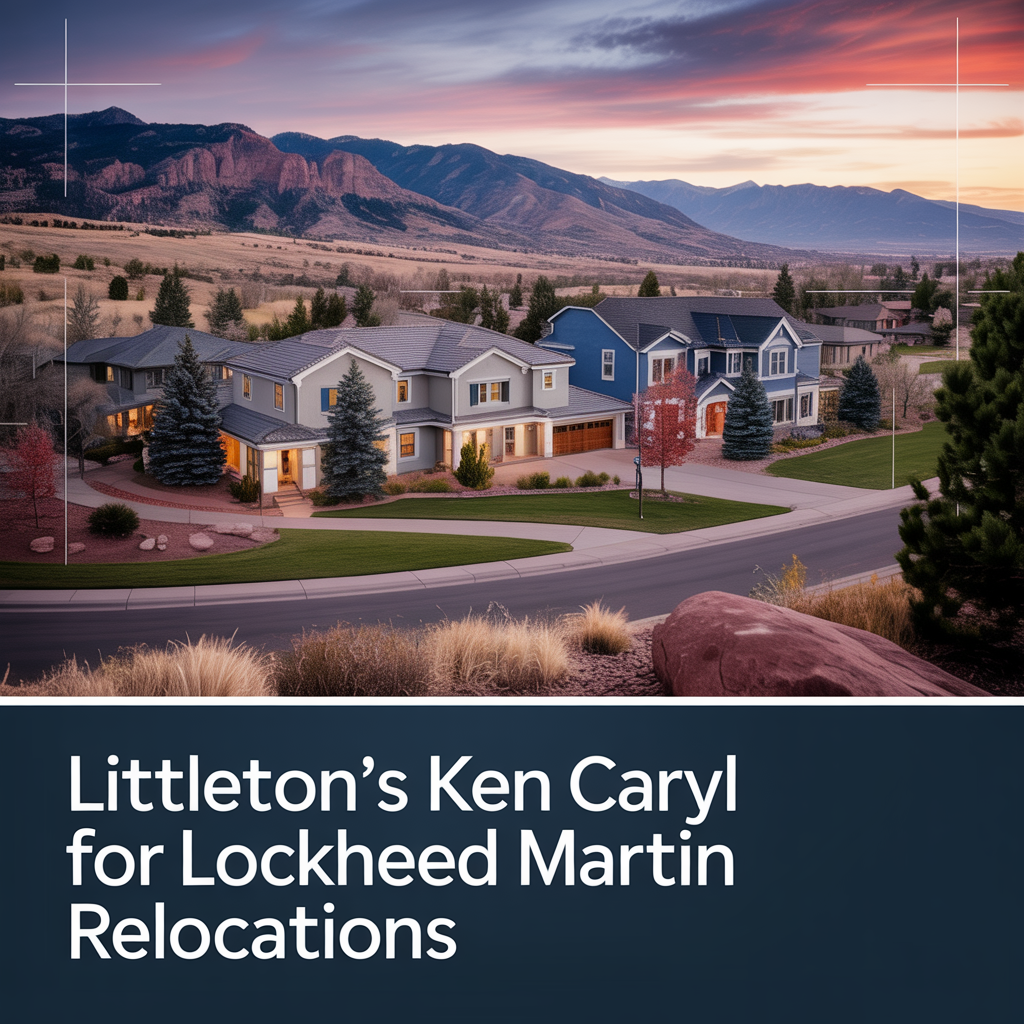
Littleton’s Ken Caryl for Lockheed Relocations
This is part of Lockheed Martin Relocation → [Lockheed Martin Relocation Hub] & the larger Denver Relocation Hub → [Denver Relocation Hub] Written by: Chad Cabalka Ken Caryl is one of the best-kept “family first” relocation options for Lockheed Martin employees who want foothills scenery, strong neighborhood appeal, and a real suburban lifestyle that still feels connected…


Centennial & Parker for Lockheed Relocations
This is part of Lockheed Martin Relocation → [Lockheed Martin Relocation Hub] & the larger Denver Relocation Hub → [Denver Relocation Hub] Written by: Chad Cabalka Centennial and Parker are two of the smartest suburban choices for Lockheed Martin employees relocating with families because they give you a strong balance of commute flexibility, good neighborhood variety, and…

Highlands Ranch for Family-Friendly Lockheed Relocations
This is part of Lockheed Martin Relocation → [Lockheed Martin Relocation Hub] & the larger Denver Relocation Hub → [Denver Relocation Hub] Written by: Chad Cabalka Highlands Ranch is one of the strongest choices for Lockheed Martin employees relocating with families because it delivers exactly what most parents want after a big move: stable neighborhoods, strong community…