



This is part of Denver Seller Fears → [Denver Seller Fears] also research Long-Term & Exit Strategy Fears→ [Long-Term & Exit Strategy Fears] and Real Estate Fears in Denver → [Real Estate Fears in Denver]
Written by: Chad Cabalka
National housing headlines scream recession, price crashes, or buyer dominance, but Denver sellers who chase them miss the local signals that actually dictate outcomes. In early 2026, while U.S. medians wobble with broader inventory surges, metro Denver holds a tighter 4-6 month balance at 8,000-9,000 listings, keeping leverage nuanced rather than lost. The key is filtering noise through three street-level checks that reveal your true position.
Track Hyper-Local Comps Over Averages
National reports blend coastal slumps with Sunbelt booms into one “cooling” story—Denver’s median at $570K-$592K gets lumped with softening Phoenix or Austin. Reality: Pull last-30-day solds within your zip or corridor. Wash Park detached homes close at 99% list with 25 DOM; Aurora equivalents stretch to 60+ at 96%. If your street’s last three sales averaged under 40 days and 98% ratios, national “buyer’s market” talk doesn’t apply.
Skip Zillow medians—use MLS active-pending ratios. Under 65% absorption (pendings vs. new listings) signals seller edge locally, even if national inventory hit 14-year highs.
Measure Velocity, Not Just Price Headlines
U.S. stories fixate on YoY price dips (e.g., January’s 7.4% national-adjusted drop), ignoring transaction speed. Denver pendings rose 47% MoM in February despite softer closings, showing buyers engaging without national-style fallout. Check your segment: Single-family DOM at 50 days with 1.7% growth beats condo pressure (63 days, softening).
Conversion rates tell more—97.9% close-to-list in Denver lags 2021 peaks but crushes national 95-96% averages where fear dominates. Local showings-to-offers (aim for 1:10) override “falling prices” panic.
Segment by Property Type and Neighborhood
National data averages single-family resilience with condo gluts—Denver splits sharply: SFH medians firm at $592K (+0.5-1.3% YoY), attached dips to $390K amid 80% rental vacancy pressure. Core like Platt Park defies metro “cooling” with micro-trends (scarcity, walk scores); suburbs absorb new-build incentives without resale bleed.
In-migration floors demand—Colorado incomes up 40-47% since 2019 outpace housing costs, unlike stagnant national pockets. Your data: If relocators bid in your radius, ignore exodus hype.
National vs. Denver Metrics Table
| Metric | National Trend (2026) | Denver Local Signal |
|---|
| Metric | National Trend (2026) | Denver Local Signal |
|---|---|---|
| Inventory Growth | +10-20% YoY, 4-5 months | +7-20% YoY, 2.5-4 months; zip-specific |
| Price Change | -0.1-7% YoY medians | Flat to +1.3%; SFH +1.7-2%, condos soft |
| DOM Average | 50-70 days | 50 SFH, 63 attached; cores 25-40 |
| Close-to-List | 95-97% | 97.9-98.7%; resilient in premiums |
| Demand Driver | Rate volatility, recession fear | Local jobs/incomes up 40%+, in-migration |
Practical Filtering Framework
- Weekly Pulse: MLS new vs. pending in 1-mile radius—if pendings trail new by <20%, seller’s lean holds.
- Rate Blindness: Focus buyer payment capacity—6.3% on $575K adds $934/mo vs. 3%, but Denver equity covers gaps nationally absent.
- Life Event Test: Listings from moves (not specs) convert 2x faster; national “lock-in” eases locally via relocators.
This cuts fear: Denver’s job base, scenery scarcity, and 92% 20-year appreciation buffer national swings. Sellers win by anchoring to corridor data—national shapes mood, local shapes money.
Get the full Denver Market Insights → [Market Insights]


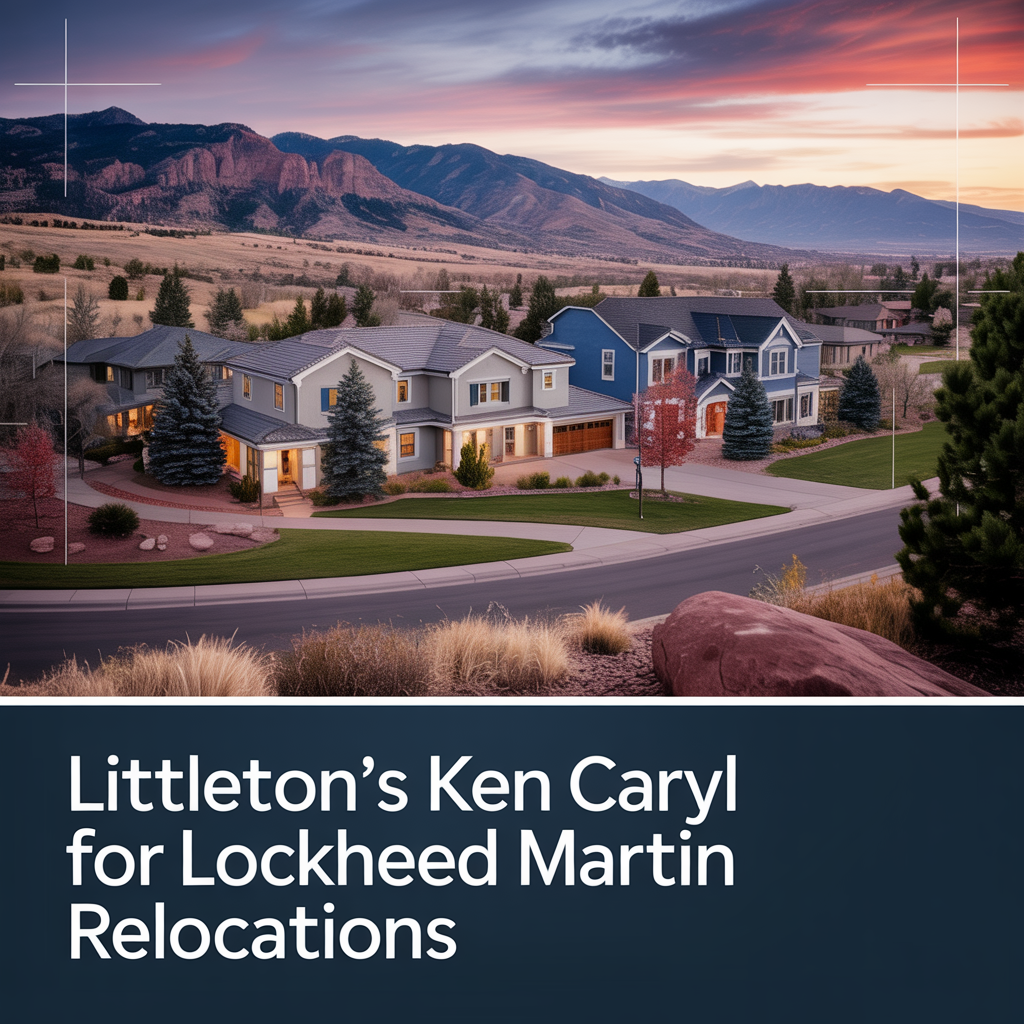
Littleton’s Ken Caryl for Lockheed Relocations
This is part of Lockheed Martin Relocation → [Lockheed Martin Relocation Hub] & the larger Denver Relocation Hub → [Denver Relocation Hub] Written by: Chad Cabalka Ken Caryl is one of the best-kept “family first” relocation options for Lockheed Martin employees who want foothills scenery, strong neighborhood appeal, and a real suburban lifestyle that still feels connected…


Centennial & Parker for Lockheed Relocations
This is part of Lockheed Martin Relocation → [Lockheed Martin Relocation Hub] & the larger Denver Relocation Hub → [Denver Relocation Hub] Written by: Chad Cabalka Centennial and Parker are two of the smartest suburban choices for Lockheed Martin employees relocating with families because they give you a strong balance of commute flexibility, good neighborhood variety, and…

Highlands Ranch for Family-Friendly Lockheed Relocations
This is part of Lockheed Martin Relocation → [Lockheed Martin Relocation Hub] & the larger Denver Relocation Hub → [Denver Relocation Hub] Written by: Chad Cabalka Highlands Ranch is one of the strongest choices for Lockheed Martin employees relocating with families because it delivers exactly what most parents want after a big move: stable neighborhoods, strong community…