


Glendale is where West Valley convenience meets big-event energy — and pockets of quiet that surprise people.
The Glendale Lifestyle Hub is a comprehensive, real-world resource designed to help residents, buyers, and long-term planners understand how life in Glendale actually works — across neighborhoods, daily routines, amenities, culture, and movement patterns.
This hub focuses on how people live, not how they relocate.
Glendale is often described in broad strokes — “West Valley,” “affordable,” “suburban,” “sports and shopping” — but those labels hide the actual reality: Glendale is a two-speed lifestyle city. Some parts revolve around stadium nights, retail hubs, and nonstop activity. Other pockets are calmer, more residential, and far more routine-driven than outsiders expect. Two households in Glendale can live radically different daily lives depending on where they are positioned relative to major event zones, freeways, and established neighborhood cores.
This hub exists to replace assumptions with clarity.
Lifestyle Alignment – Daily Functionality – Long-Term Fit
Rather than broad city overviews, promotional narratives, or generic rankings, this hub examines the lived experience of Glendale — how neighborhoods function Monday through Friday, how weekends are actually spent, how heat and seasonality affect routines, and how lifestyle choices intersect with housing, work, school schedules, recreation, and social life.
This is not a surface-level look at Glendale.
It is a functional, on-the-ground view of how the city truly operates.
Last updated: February 2026
How Glendale Lifestyle Actually Varies by Area
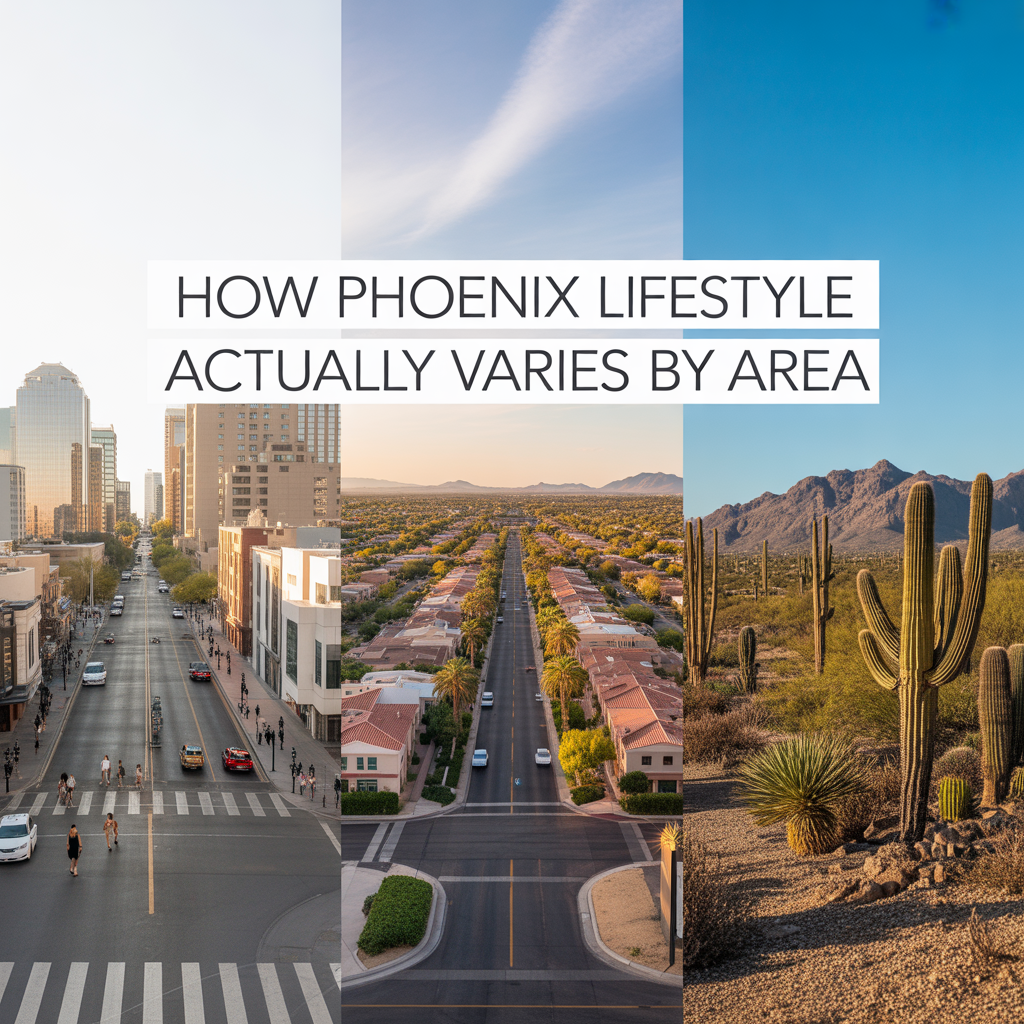
Glendale is not one lifestyle market — it’s a set of distinct pockets that behave differently in real life. Some areas feel steady, residential, and routine-driven. Other zones change completely on event nights, weekends, and seasonal peaks because of major entertainment venues and regional shopping destinations. The lifestyle experience in Glendale depends heavily on how close you live to those activity nodes, which freeways you rely on, and whether your routine stays West Valley or pulls you across the metro.
What people underestimate is how quickly Glendale can shift from calm to congested — and how that can either feel like energy you enjoy or friction you want to avoid. Two homes with similar prices can offer very different daily usability based on school-run routes, freeway adjacency, and whether errands feel “five minutes away” or “several turns and lights away.”
Key drivers include:
- Event Zone Influence on Glendale Routines
- Established Glendale Neighborhood Cores vs Newer Pockets
- Freeway Access and Arterial Efficiency in Glendale
- School Patterns and Daily Traffic Flow
- Retail Density and Errand Convenience
- Heat and Shade Differences by Neighborhood
- How Often You Cross the Valley From Glendale
This hub is designed to make those differences visible — so you can choose the parts of Glendale that match your lifestyle instead of fighting them.
Schools & Education Lifestyles

Schools in Glendale shape daily life beyond academics — they shape driving patterns, after-school logistics, weekend schedules, and the “radius” families tend to live within. For households without kids, school start and release times still affect congestion on key arterials and around major neighborhood campuses.
In Glendale, the lifestyle question is often less “Which school is best?” and more “What kind of routine will this school choice create?” Some families run tight neighborhood-based schedules. Others choose specific programs and accept more cross-town driving. Those choices impact time, energy, and how connected you feel to your local community.
This section explores how education shapes lifestyle through:
- School-Day Traffic Patterns in Glendale
- After-School Sports and Activity Logistics
- Neighborhood-Based Routines vs Cross-Town School Runs
- Family Morning and Evening Movement Patterns
- Parent Networks and Community Anchors
- Weekend Events and Youth Sports Rhythm
- How School Choice Affects “Best Area” Decisions
- Top 10 Public and Private Schools in Glendale
The focus is not a ranking list — it’s how school geography changes real Glendale routines.
Restaurants, Dining & Local Culture

Glendale’s dining and social life is shaped by corridors and activity zones. Instead of one dominant “downtown-only” pattern, residents tend to rotate between neighborhood go-to spots, regional retail hubs, and event-area dining when games, concerts, or weekends bring extra energy. Where you live strongly influences whether going out feels spontaneous or planned.
Glendale also has a practical, local rhythm: many nights are “close to home” by default, especially for families balancing early mornings, sports, and school schedules. When residents want a bigger nightlife experience, some head into other parts of the metro — and that decision often comes down to drive tolerance and parking realities.
This section looks at how dining and culture shape lifestyle through:
- Everyday Dining Convenience by Glendale Corridor
- Event-Night Dining Patterns and Congestion
- Family-Friendly Go-To Spots vs Late-Night Pockets
- Spontaneous Nights Out vs Planned Nights Out
- Hosting at Home vs Going Out in Glendale
- Local Culture That Feels Neighborhood-Based
- Weekend “Radius” and How Far People Actually Drive
The goal is to understand how Glendale’s layout changes your evenings and weekends — not just compile a list of places.
Parks, Trails & Outdoor Access

Outdoor access in Glendale can be better than people expect — but it’s not uniform. Some neighborhoods have strong park networks and easy daily-use recreation. Others are more “drive-to” for trails and larger outdoor experiences. In summer, usability matters more than distance: shade, timing, and whether your closest park is actually comfortable determine whether outdoor life is routine or occasional.
Glendale’s outdoor lifestyle tends to be built around neighborhood parks, family sports facilities, and regional outdoor trips. Your proximity to larger outdoor destinations can matter less than whether you have a reliable, daily, close-to-home option you’ll use consistently.
This section distinguishes between:
- Daily-Use Parks vs Weekend Outdoor Trips
- Map Proximity vs Summer Usability in Glendale
- Sports Parks and Family Recreation Patterns
- Trail Access That Feels Routine-Friendly
- Dog and Kid Friendly Outdoor Routines
- Shade, Tree Cover, and Neighborhood Comfort
- Season Shifts in Outdoor Time in Glendale
In Glendale, outdoor proximity is helpful — but outdoor habit formation depends on shade, schedule, and daily convenience.
Commutes, Traffic & Daily Movement
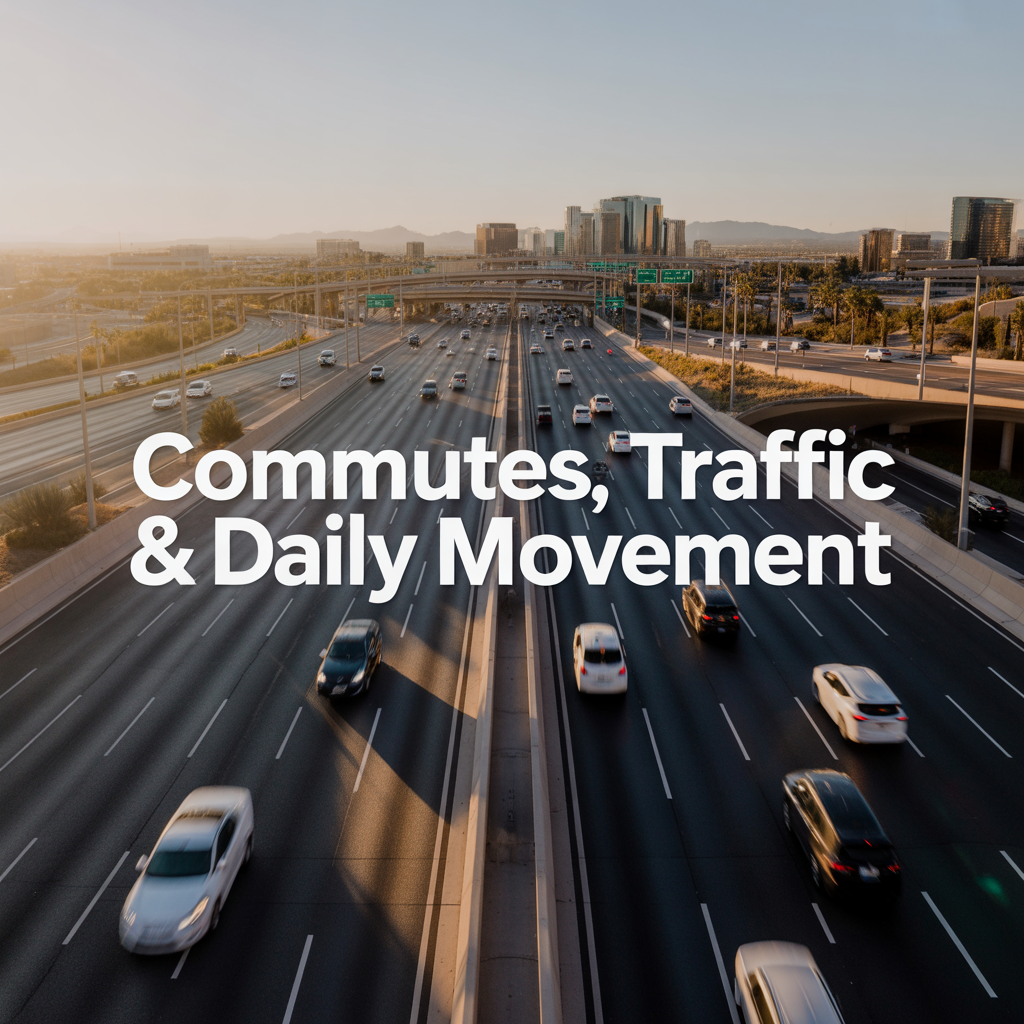
Glendale commute dynamics are shaped by two forces: direction and event disruption. On normal weekdays, freeway access and arterial efficiency determine whether your daily loop feels simple or draining. On event nights and peak weekends, the same routes can change dramatically — which can be either manageable or maddening depending on how close you live to major venues and which roads you rely on.
Glendale is car-centric, and most residents structure errands, school stops, and social plans around a handful of key routes. For hybrid and remote workers, lifestyle often comes down to how easy it is to reach the airport, downtown Phoenix, and regular weekly destinations without the trip feeling like a project.
This section analyzes:
- Weekday Commute Direction Tradeoffs From Glendale
- Event-Night Traffic Impacts and Avoidance Strategies
- Freeway Access as a Lifestyle Multiplier in Glendale
- Arterial Routing and “Daily Loop” Efficiency
- School-Run Congestion Zones and Timing
- Remote-Work Friendly Pockets in Glendale
- Cross-Valley Trips: When They Feel Easy vs Heavy
The goal is to translate Glendale routing into what your weekday actually feels like — including the nights the city “turns on” for major events.
Airport, Freeways & Transit Access
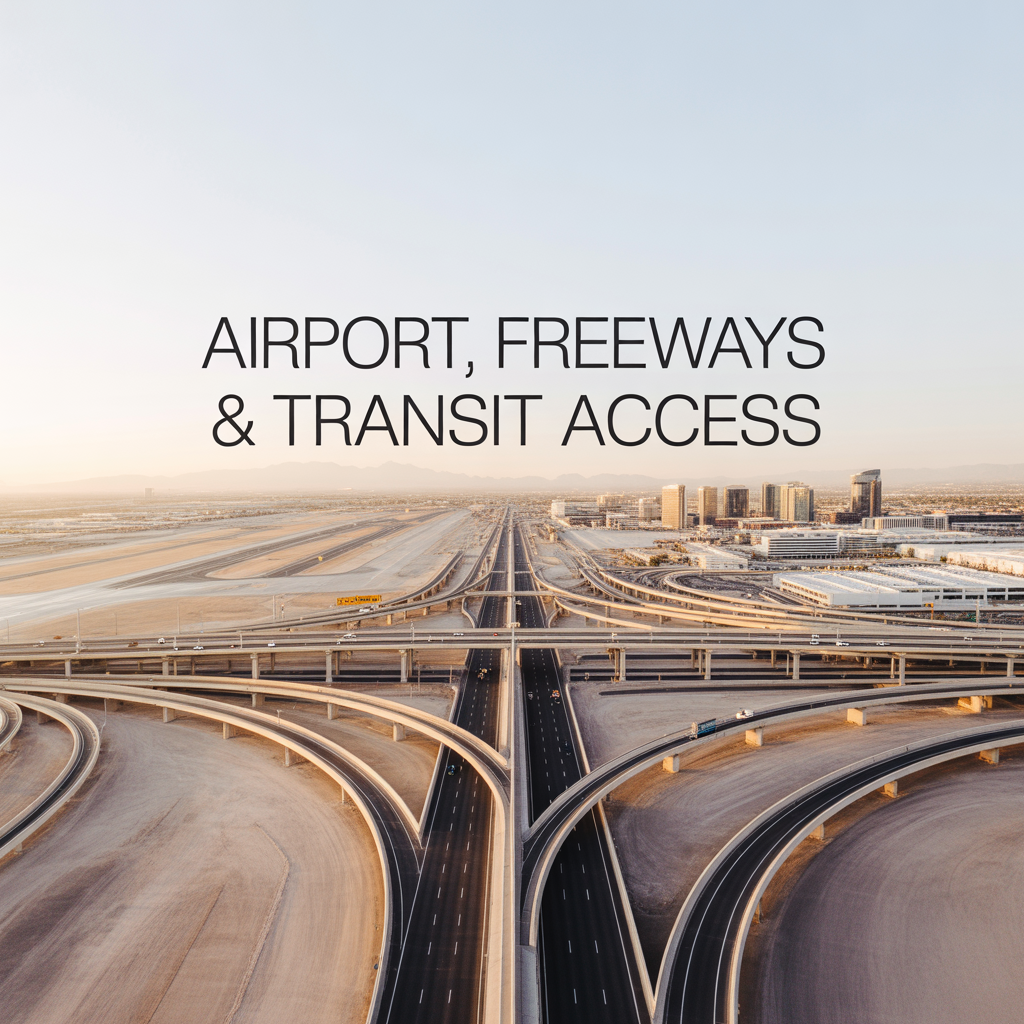
Airport access is a real lifestyle variable for Glendale residents — especially anyone who travels frequently or hosts visitors. Glendale can feel close or far depending on your freeway proximity and which interchanges you rely on. A clean freeway route is very different from a route that requires multiple arterials and merge-heavy segments.
Transit exists across the metro, but for most Glendale households driving remains the default. The lifestyle question is less “Can I use transit?” and more “How efficiently can I reach the places I actually go — the airport, downtown, job centers, and major venues — without the trip becoming a stressor?”
This section focuses on:
- Real-World Drive Times to Sky Harbor From Glendale
- Freeway Connections and Bottleneck Awareness
- When Venue Traffic Affects Airport and Cross-Town Trips
- Timing Strategy for Travelers and Event Nights
- Park-and-Ride and Corridor Transit Use Cases
- Areas Where Cross-Valley Trips Feel Heavy
- Choosing Location Based on Travel Frequency
Function matters more than map distance. The aim here is to understand Glendale travel in real conditions — including the nights traffic behaves differently.
Sports, Entertainment & Nightlife

Entertainment is one of Glendale’s defining lifestyle variables. Major sports, concerts, and events bring energy — and also bring traffic, noise, and parking challenges. Some residents love being close to big events and the “always something happening” vibe. Others prefer neighborhoods that feel calm and only visit entertainment zones intentionally.
Glendale’s entertainment footprint creates a unique reality: certain areas feel quiet most nights, then flip into high activity when events stack up. That can shape everything from where you run errands to how you plan dinner, and even which routes you avoid at specific times.
This section explores:
- Game-Night and Concert-Night Traffic Zones in Glendale
- Event Impacts on Glendale Evenings and Weekends
- Parking and Rideshare Realities Around Venues
- Family Entertainment Patterns vs Adult Nightlife Patterns
- Areas That Feel “Always On” vs Areas That Stay Quiet
- How Sports Seasons Shift Weekly Routines
- Choosing Distance From Entertainment Based on Personality
Some people thrive near energy. Others need separation. Glendale supports both — but it’s important to choose intentionally.
Seasonal Living in Glendale
Glendale is seasonal like the rest of the Valley, even without snow. Summer compresses outdoor time into early and late windows and shifts routines indoors. Cooler months expand patios, parks, and regional events — and Glendale can feel more active when sports seasons and festival calendars are in full swing.
In Glendale, seasonality intersects with entertainment: certain months bring heavier event traffic and more “special nights” across the West Valley. Your location relative to venues and major corridors can either smooth those swings or amplify them.
This section covers:
- Summer Livability Differences Across Glendale
- Shade, Trees, and Heat Relief by Neighborhood
- Event-Season Peaks and Lifestyle Disruption
- Outdoor Time Windows and Routine Adjustments
- Patio Season and Weekend Energy Shifts
- Impact on Pets and Kids in Glendale Summers
- How Glendale Homes Live by Season
Seasonality in Glendale isn’t just weather — it’s also how the city’s event calendar changes movement, traffic, and weekend patterns.
Experience, Authority & How This Hub Is Built
This Glendale Lifestyle Hub is written, maintained, and updated by a Phoenix-area real estate professional who works across the metro area daily — not by scraping data or stitching together generic summaries. The intent is to reflect how people actually live here, not how the city is marketed.
Every section is informed by first-hand observation and ongoing feedback from residents whose lives are shaped by school runs, commutes, heat, and access to the things that matter most to them. As corridors evolve and venue-driven patterns shift, this hub is updated to stay grounded in current reality.
This resource is built with:
- On-the-Ground Glendale Neighborhood Insight
- Client Experience Across West Valley Lifestyles
- Continuous Pattern-Tracking Over Time
- Regular Review and Refinement in Glendale
It is a living reference, not a one-and-done snapshot.
Who This Hub Is For
This hub is built for people who want to understand how Glendale actually feels to live in, beyond simple “pros and cons” lists. It’s meant to help you connect daily routines — work, school, errands, recreation, and social life — to specific pockets across Glendale and the West Valley.
Whether you’re already here and rethinking fit, moving within Arizona, or relocating from out of state, this hub aims to cut through noise so you can prioritize what matters most in your Glendale life.
This hub is especially useful for:
- Long-Term Glendale Residents Reassessing Priorities
- Glendale Buyers Focused on Daily Experience
- Families Balancing Glendale Schools and Schedules
- Professionals Managing West Valley Commutes and Travel
- Anyone Wanting Clarity Around Event-Zone Tradeoffs
This is not a relocation pitch.
It is a Glendale lifestyle intelligence hub.
Frequently Asked Questions About Living in Glendale

Is Glendale more urban or suburban in daily life?
Glendale is primarily suburban. Most daily life is neighborhood-based and drive-to. Some corridors feel more active because they sit near major entertainment and retail districts, but the day-to-day rhythm for most residents is suburban and routine-focused.
Do event nights really affect Glendale living?
Yes — if you live near major venues or rely on the same roads, event nights can change traffic, parking, and drive times dramatically. If you live farther from those nodes, you may feel minimal impact. The effect is highly location-specific.
How much does commute direction matter in Glendale?
A lot. Glendale’s position in the West Valley means commute time depends heavily on where you work and which freeways you can access quickly. A “good” commute in Glendale is usually about routing simplicity and avoiding friction points — not just miles.
Is Glendale an outdoor lifestyle city?
Glendale supports outdoor routines through parks and recreation facilities, but summer usability depends on shade and timing. Many residents build outdoor time into mornings and evenings, then expand those routines significantly during cooler months.
Does transit meaningfully replace driving in Glendale?
For most residents, no. Driving remains the default. Transit can be useful in limited corridor-based situations, but Glendale living typically works best when your routine is built around efficient driving routes.
How different does Glendale feel across seasons?
Very. Summer compresses outdoor time and keeps routines indoors midday. Cooler months expand parks, patios, and events — and Glendale can feel busier when sports seasons and festival calendars increase regional traffic.
Who should use this hub?
Anyone making decisions that affect where and how they live in Glendale — whether you’re buying, staying put, or reevaluating priorities. The goal is to help you see how daily life aligns with location and event-zone proximity before you commit.
Talk With the Glendale Lifestyle Expert

If you’re evaluating neighborhoods, trying to understand which part of Glendale fits your daily routine, or aligning lifestyle priorities with long-term housing decisions, a direct conversation often brings clarity faster than more reading.
You can contact me directly to discuss how Glendale neighborhoods function day to day — without pressure, scripts, or generic recommendations.
👉 Contact Renee Directly