



Selecting a neighborhood in the Denver metro area requires upfront analysis of factors like commute patterns, school funding, and microclimates before stepping inside any property. Colorado’s Front Range combines constrained land, variable weather, and suburban sprawl, making poor neighborhood choices costlier than mismatched interiors. This process matters because it aligns daily realities — from winter plowing to long-term appreciation — with ownership goals, avoiding regret in a market where relocation disrupts equity.
Map Commute Patterns and Traffic Bottlenecks
Start with drive-time simulations from target areas to key employment hubs like DTC or downtown Denver during rush hours. I-25 northbound from Littleton adds 20-30 minutes midweek; C-470 west from Parker fares better for Golden commuters but stalls in snow. Light rail access in Arvada cuts car reliance, appealing for remote-hybrid workers.
Foothill benches in Evergreen extend times 15% due to winding roads, while east-side Aurora offers predictability despite density. Use county GIS tools to overlay routes, prioritizing under 30 minutes to offices — a threshold where families report higher satisfaction and lower stress.
Evaluate School Districts and Enrollment Trends
Colorado funds schools via local mill levies, creating disparities: Douglas County’s high ratings in Highlands Ranch draw families despite premiums, while Jefferson County’s variable performance in Lakewood suits empty-nesters. Check five-year enrollment projections — overcrowding in Cherry Creek strains resources, eroding value.
Boundary maps shift with growth; Parker edges face rezoning risks. Prioritize districts with 80%+ proficiency rates and bond passage history, as they sustain 5-10% home premiums through stable buyer pools.
Assess Microclimates and Weather Exposure
Elevation drops 500-1,000 feet from Golden to Centennial, shifting snowfall from 70 inches to 50. West-facing slopes retain ice longer, hiking de-icing costs; south exposures thaw faster, aiding usability. Hail frequency spikes in Aurora’s open plains versus sheltered Littleton valleys.
Review NOAA data for freeze-thaw cycles — 60+ annually in Jefferson County accelerates concrete wear. These patterns influence insurance and maintenance, with foothill homes paying 20% more premiums.
| Factor | East Suburbs (e.g., Parker) | West Suburbs (e.g., Evergreen) | Central (e.g., Littleton) | Decision Impact |
|---|---|---|---|---|
| Avg. Commute to DTC | 20-25 min | 35-45 min | 15-25 min | Time vs. space trade-off |
| Snow Days/Year | 10-15 | 20-25 | 15-20 | Maintenance budget |
| School Rating (State Avg.) | 8/10 | 7/10 | 8.5/10 | Family resale velocity |
| HOA Prevalence | High ($600+) | Medium ($400) | Varied | Cost control |
Review Ownership Costs: Taxes, Utilities, HOAs
Douglas County levies average 0.55% effective rates, lower than Jefferson’s 0.75% due to commercial offsets. Xcel heating bills climb $800 yearly per 500 feet elevation. Master-planned Highlands Ranch HOAs fund trails at $1,000 annually; older Lakewood skips them, shifting costs to owners.
Model total carrying: a $700K home in Centennial runs $4,200 taxes + $3,000 utilities + $500 HOA, versus Golden’s $5,200 taxes + $3,800 utilities + $400 HOA. County calculators refine estimates pre-search.
Analyze Housing Stock Age and Appreciation History
1970s-1990s builds dominate Arvada and Westminster, offering value but retrofit needs; 2000s phases in Lone Tree provide warranties. Five-year sales data reveals appreciation: Castle Pines at 6% annually outpaces Aurora’s 4%, tied to scarcity.
Inventory balance favors buyers in transitional Parker, but established Littleton holds steady. Avoid teardown-heavy pockets where speculation inflates entry prices.
Gauge Community Maturity and Growth Pressures
Mature neighborhoods like older Centennial show tree canopies and paved streets, signaling infrastructure stability. Transitional Lone Tree cranes hint at future density, straining roads and schools. Voter-approved open space bonds in Ken Caryl preserve buffers; unchecked growth in Parker risks them.
Walk scores and crime maps via local PD sites confirm safety; low turnover (under 10% annually) indicates rootedness.
Practical Steps to Narrow Options Systematically
- Drive peak-hour routes from five candidates, timing to work/schools.
- Cross-reference DMAR reports for sales velocity and price/sq ft trends.
- Query county assessors for tax histories and special district fees.
- Attend virtual PTA meetings for enrollment insights.
- Layer GIS maps: elevation, flood zones, utilities.
Conclusion: Neighborhood Drives Enduring Fit
Choosing a Colorado neighborhood upfront filters for commute efficiency, cost alignment, and growth resilience, ensuring homes serve long-term needs amid Front Range dynamics. This disciplined approach minimizes touring waste and positions buyers for equity growth in balanced markets.
Reach out for personalized neighborhood analysis tailored to your Colorado real estate priorities.


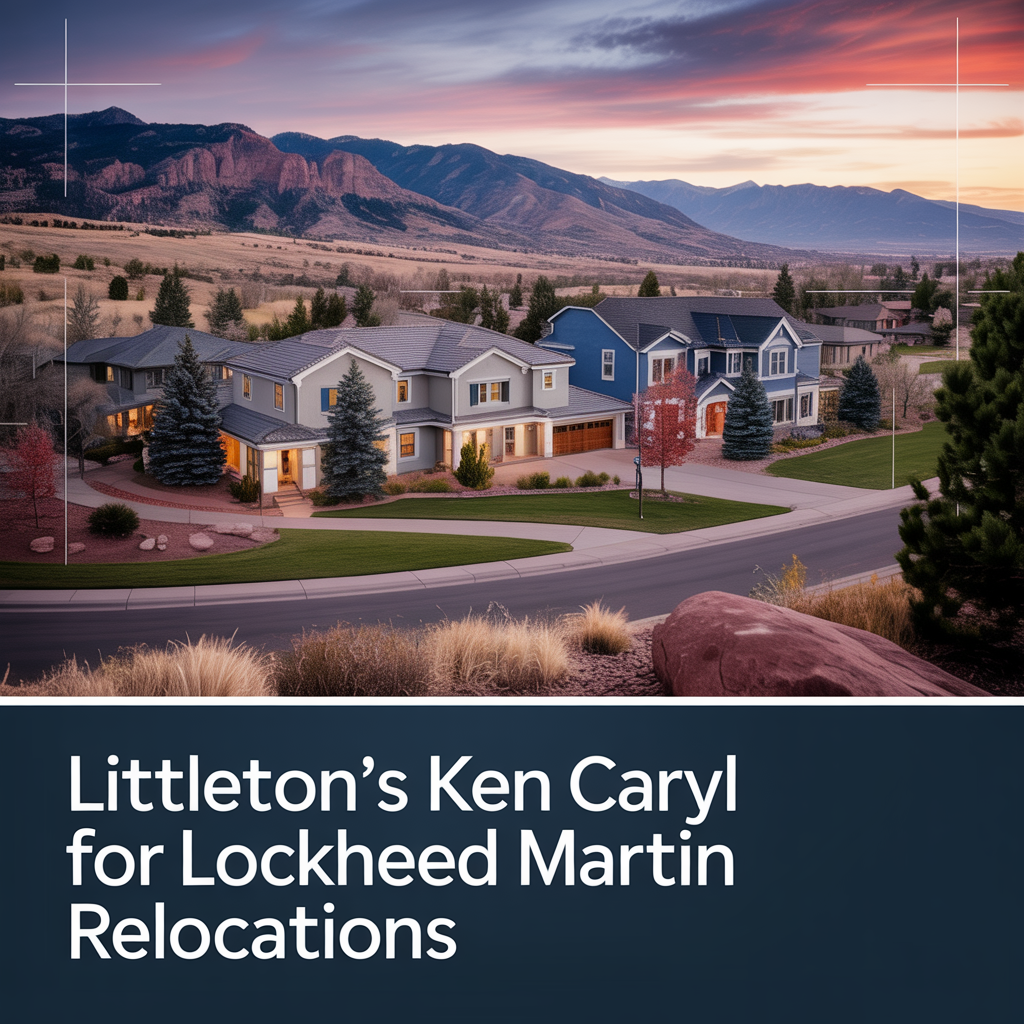
Littleton’s Ken Caryl for Lockheed Relocations
This is part of Lockheed Martin Relocation → [Lockheed Martin Relocation Hub] & the larger Denver Relocation Hub → [Denver Relocation Hub] Written by: Chad Cabalka Ken Caryl is one of the best-kept “family first” relocation options for Lockheed Martin employees who want foothills scenery, strong neighborhood appeal, and a real suburban lifestyle that still feels connected…


Centennial & Parker for Lockheed Relocations
This is part of Lockheed Martin Relocation → [Lockheed Martin Relocation Hub] & the larger Denver Relocation Hub → [Denver Relocation Hub] Written by: Chad Cabalka Centennial and Parker are two of the smartest suburban choices for Lockheed Martin employees relocating with families because they give you a strong balance of commute flexibility, good neighborhood variety, and…

Highlands Ranch for Family-Friendly Lockheed Relocations
This is part of Lockheed Martin Relocation → [Lockheed Martin Relocation Hub] & the larger Denver Relocation Hub → [Denver Relocation Hub] Written by: Chad Cabalka Highlands Ranch is one of the strongest choices for Lockheed Martin employees relocating with families because it delivers exactly what most parents want after a big move: stable neighborhoods, strong community…