



Appraisals serve as the independent benchmark for a home’s market value in Colorado real estate transactions, often determining whether financing proceeds or deals fall apart. For first-time buyers in the Denver metro area, where rapid appreciation meets unique property variables like elevation and views, understanding appraisals prevents surprises during closing. These valuations directly impact loan amounts, negotiation leverage, and equity position from day one.
In a state with diverse micro-markets from Highlands Ranch to Golden, appraisals reveal how local factors outweigh national trends.
The Appraisal Process in Colorado Transactions
Lenders order appraisals post-contract, typically within 10-14 days, using licensed appraisers who follow Uniform Standards and Fannie Mae guidelines. The appraiser inspects the property, measures square footage, notes condition, and pulls three to six recent comparable sales (“comps”) within a half-mile radius, ideally sold in 90 days.
Colorado specifics emerge: comps adjust for elevation-driven features like south-facing solar gain or snow-shedding roofs. In Douglas County, open space adjacency adds $20,000-$50,000; Jefferson County fire retrofits subtract if absent. Buyers receive the report via lender, with rights to review and challenge via Reconsideration of Value (ROV) requests.
Delays spike in winter from snow-obscured access or holiday backlogs, extending escrows 7-10 days.
Common Appraisal Gaps for Front Range Properties
Low Square Footage Adjustments
Many 1980s-1990s builds in Arvada or Westminster claim finished basements that appraisers reclassify as non-livable due to egress windows or ceiling heights under 7 feet. This drops valuations 5-10%, triggering gaps where offers exceed appraised value.
Buyers cover differences in cash or renegotiate; sellers concede if comps support it. Pre-inspection measurements mitigate surprises.
Overreliance on Outdated Comps
Peak markets leave stale data; a Littleton ranch appraises below a renovated comp if the last sale predates 2024 hail damage trends. Foothill views in Evergreen command premiums appraisers quantify via paired sales analysis, but urban infill in Aurora suppresses them.
First-timers request comp lists upfront, ensuring recency amid balancing inventory.
Condition and Functional Obsolescence
Freeze-thaw cracks in Parker driveways or unpermitted deck additions in Castle Pines deduct $5,000-$15,000 each. Appraisers note deferred maintenance like peeling stucco from UV exposure, common in high-elevation Golden, penalizing 2-4% overall.
Cosmetic finishes impress buyers but rarely sway valuations without structural backing.
| Appraisal Factor | Typical Adjustment | Denver Metro Example | Buyer Strategy |
|---|---|---|---|
| Basement Finish | -5-10% if non-egress | Westminster 1,200 sq ft | Verify code compliance pre-offer |
| View/Open Space | +3-7% premium | Highlands Ranch trails | Document via photos/site plans |
| Roof Age (15+ years) | -1-3% | Jefferson County hail zones | Recent inspection reports |
| Lot Slope/Drainage | -2-5% if poor | Parker clay soils | Engineer review in contingency |
Lender Requirements and Financing Impacts
Conventional loans tolerate 80-95% loan-to-value (LTV); FHA caps at 98.75% but scrutinizes condition more. VA loans, popular among relocators, flag “minimum property requirements” like peeling paint from dry air shrinkage.
Appraisal gaps exceed offers by 5-10% in hot pockets like Centennial, requiring cash-to-close or seller credits. Jumbo loans over $766,550 demand stricter comps, challenging luxury Castle Rock listings.
Second appraisals, at buyer expense ($500+), resolve disputes but risk further shortfalls.
Local Variables That Skew Valuations
Elevation influences: 500-foot rises from Aurora to west Littleton add heating adjustments, as Xcel bills correlate with comp utility data. HOA master plans in Lone Tree boost values via funded reserves; transitional associations deduct for special assessments.
Winter appraisals undervalue shaded lots with ice dam scars, while summer hides them. Buyers time contingencies accordingly.
Market shifts matter: cooling trends reduce upward adjustments, favoring conservative comps.


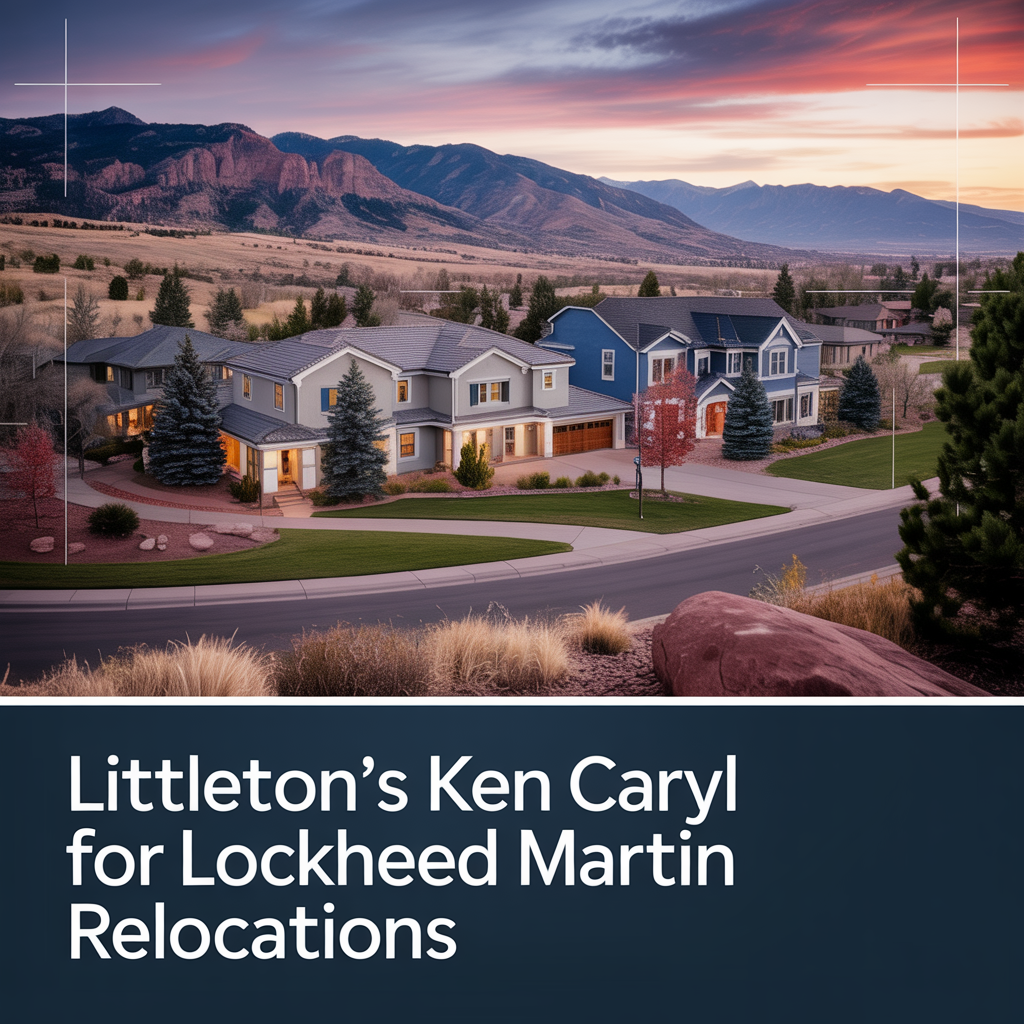
Littleton’s Ken Caryl for Lockheed Relocations
This is part of Lockheed Martin Relocation → [Lockheed Martin Relocation Hub] & the larger Denver Relocation Hub → [Denver Relocation Hub] Written by: Chad Cabalka Ken Caryl is one of the best-kept “family first” relocation options for Lockheed Martin employees who want foothills scenery, strong neighborhood appeal, and a real suburban lifestyle that still feels connected…


Centennial & Parker for Lockheed Relocations
This is part of Lockheed Martin Relocation → [Lockheed Martin Relocation Hub] & the larger Denver Relocation Hub → [Denver Relocation Hub] Written by: Chad Cabalka Centennial and Parker are two of the smartest suburban choices for Lockheed Martin employees relocating with families because they give you a strong balance of commute flexibility, good neighborhood variety, and…

Highlands Ranch for Family-Friendly Lockheed Relocations
This is part of Lockheed Martin Relocation → [Lockheed Martin Relocation Hub] & the larger Denver Relocation Hub → [Denver Relocation Hub] Written by: Chad Cabalka Highlands Ranch is one of the strongest choices for Lockheed Martin employees relocating with families because it delivers exactly what most parents want after a big move: stable neighborhoods, strong community…