



This guide is part of our complete Littleton Estate Guide → [Littleton Real Estate Guide]
Littleton presents a measured opportunity in Denver’s metro market, where balanced inventory and school-driven demand offer buyers leverage amid 2025’s softening prices. Median single-family homes list at $675,000, holding steadier than Denver’s core dips, yet total ownership costs reflect southwest suburb realities like C-470 traffic and hail exposure. For serious buyers, this timing aligns with negotiation power and long-term appreciation potential tied to Jefferson County fundamentals.
Current Littleton Housing Market Conditions
Inventory Balance Favors Buyers
Active listings in Littleton exceed 400, providing 3.5 months’ supply—double pre-2022 lows and granting 10-15% concessions on well-priced properties. Days on market average 32, up from 15 last year, as sellers adjust to 6.3% rates sidelining marginal buyers. This shift matters because it counters statewide shortages, letting relocators inspect clay soil foundations without bidding wars.
Detached ranches under $650,000 move fastest, while dated 1980s builds linger, ideal for value-add investors.
Price Stability Amid Metro Cooling
Medians dipped 1.5% year-over-year to $675,000, less volatile than Aurora’s 4% drop, buoyed by low turnover in family pockets like Columbine. Attached homes at $450,000 see sharper pressure from HOA hikes, yet single-family resilience preserves equity for 10-year holds.
Forecasts predict 3-4% growth by 2026 as inventory normalizes, rewarding early entrants over urban speculators.
| Metric | Littleton 2025 | Denver Metro Avg. | Change YOY |
|---|---|---|---|
| Median Price | $675K | $599K | -1.5% |
| Months Supply | 3.5 | 4.2 | +80% |
| Days on Market | 32 | 35 | +100% |
| Sales Volume | -5% | -2% | Stable |
Strong Fundamentals Supporting Purchase Decisions
Top-Tier Schools Drive Enduring Demand
Littleton Public Schools outperform DPS, with high schools like Heritage scoring 9/10 on state metrics, attracting 65% owner-occupancy. This stability underpins 4-5% annual appreciation, as families hold through market cycles, unlike transient rentals in Englewood.
For sellers, school proximity boosts comps 15%; buyers secure future resale via proven walk zones.
Economic Anchors and Job Proximity
DTC’s 150,000 jobs—finance, healthcare—lie 15 minutes via US-285, suiting commuters avoiding I-25 chaos. Lockheed expansions sustain inflows, with 2% unemployment buffering recessions better than mountain counties.
Remote trends expand appeal, yet light rail to downtown in 25 minutes hedges hybrid shifts.
Ownership Costs and Financial Realities
Tax and Insurance Pressures
Jefferson County mill levies yield 0.65% effective rates ($4,400 annually on $675K), below Denver’s 0.85%. Insurance averages $2,500, elevated 10% by foothills hail, but brick stock mitigates claims versus vinyl suburbs.
Monthly PITI at 6.5% runs $4,000 for 20% down, affordable on $130K incomes prevalent here.
Maintenance in Colorado Climate
Freeze-thaw cycles demand $8,000 quinquennial foundation checks on hillside lots; roofs every 15 years at $16,000. South-facing designs trim heating $300 yearly, vital at 5,800 feet.
HOAs average $600, funding plowing that preserves access during 60-inch snows.
Pros for Buying in Littleton Now
Negotiation Leverage and Concessions
Buyers secure credits for updates—$10,000 common—covering monsoon flood mitigations absent in rushed 2021 deals. Low distress sales signal quality inventory, minimizing post-close surprises.
This entry timing builds equity faster as rates potentially ease to 5.8% by mid-2026.
Resilient Long-Term Value
Neighborhoods like Old Littleton appreciate 5% steadily, outpacing cores fatigued by flips. Open space preserves views, buffering density unlike Centennial sprawl.
ADU zoning yields $1,800/month offsets, future-proofing against tax reassessments.
Potential Drawbacks and Risks
Commute Challenges Peak Hours
C-470 backups add 25 minutes to DTC runs, inflating vehicle costs $1,200 yearly for non-rail users. CDOT widening delays impact 2026 values temporarily.
Limited New Supply Caps Upside Short-Term
Construction lags due to terrain, keeping inventory tight post-2026 and potentially reigniting competition. Buyers weigh this against current discounts.
Neighborhood Breakdown for Strategic Buyers
Downtown Littleton: Walkable Entry with Premium
$750,000 Victorians near RTD offer 70 walk scores, with brewpub traffic boosting rentals at 5% yields. Traffic cons offset by low vacancy.
Ken Caryl: Affordable Space Trade-Off
$575,000 ranches on acres suit equestrians, 20 minutes to Chatfield Reservoir. Wind exposure raises insurance, but views command 6% growth.
Aspen Grove Area: Modern Family Hub
$700,000 new builds near Aspen Marketplace feature solar standards, trimming utilities 18%. HOA governance ensures upkeep, aiding resale.
| Neighborhood | Median Price | Commute to DTC | School Rating |
|---|---|---|---|
| Downtown | $750K | 18 min | 9/10 |
| Ken Caryl | $575K | 22 min | 8/10 |
| Aspen Grove | $700K | 15 min | 9/10 |
Buyer Psychology and Market Timing
Out-of-state relocators undervalue Littleton’s schools, fixating on LoDo prestige, leaving 15% discounts. Locals time buys post-winter listings when snowmelt reveals issues.
Current balance—per REcolorado trends—mirrors 2019 entry points preceding 30% gains.
Conclusion
Littleton suits discerning buyers now, blending buyer leverage, school stability, and metro access against manageable cons like traffic and maintenance. Sellers face realistic pricing; relocators find equity paths in resilient stock. These conditions favor proactive decisions over waiting uncertain rate drops.
Ready to assess Littleton opportunities? Connect with a Jefferson County specialist for comps and projections.


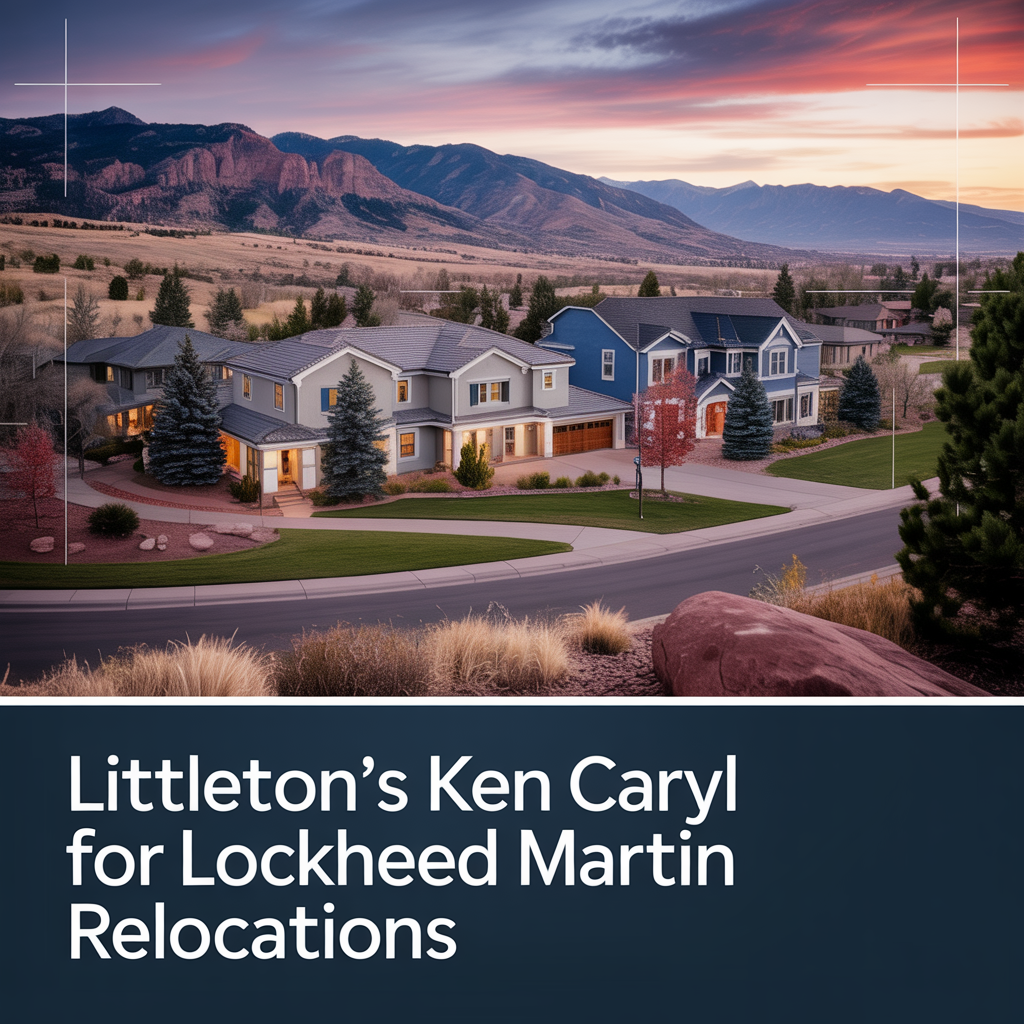
Littleton’s Ken Caryl for Lockheed Relocations
This is part of Lockheed Martin Relocation → [Lockheed Martin Relocation Hub] & the larger Denver Relocation Hub → [Denver Relocation Hub] Written by: Chad Cabalka Ken Caryl is one of the best-kept “family first” relocation options for Lockheed Martin employees who want foothills scenery, strong neighborhood appeal, and a real suburban lifestyle that still feels connected…


Centennial & Parker for Lockheed Relocations
This is part of Lockheed Martin Relocation → [Lockheed Martin Relocation Hub] & the larger Denver Relocation Hub → [Denver Relocation Hub] Written by: Chad Cabalka Centennial and Parker are two of the smartest suburban choices for Lockheed Martin employees relocating with families because they give you a strong balance of commute flexibility, good neighborhood variety, and…

Highlands Ranch for Family-Friendly Lockheed Relocations
This is part of Lockheed Martin Relocation → [Lockheed Martin Relocation Hub] & the larger Denver Relocation Hub → [Denver Relocation Hub] Written by: Chad Cabalka Highlands Ranch is one of the strongest choices for Lockheed Martin employees relocating with families because it delivers exactly what most parents want after a big move: stable neighborhoods, strong community…