



This guide is part of our complete Parker Real Estate Guide → [Parker Real Estate Guide]
Parker, southeast of Denver in Douglas County, stands out for families seeking suburban stability with strong schools and low density amid the metro’s growth pressures. Median home prices around $650,000-$750,000 reflect demand from professionals commuting to Centennial or Lone Tree, balanced by inventory at 2.5-3 months supply. This guide evaluates top neighborhoods based on school access, housing stock durability, ownership costs, and commute realities, helping families prioritize long-term value over short-term appeal.
Why Parker Attracts Family Buyers
Parker’s appeal lies in its position outside Denver’s core congestion, offering 20-30 minute drives via C-470 to DTC offices while maintaining rural-edged lots. Families, comprising 65% of buyers, favor the area’s 90%+ homeownership rate and limited multifamily development, preserving resale equity.
Douglas County School District (DCSD) ratings consistently rank top 10% statewide, drawing relocators from Aurora or Littleton. Weather patterns—60+ inches annual snow—demand homes with efficient designs, influencing choices toward 1990s-2010s builds over older stock prone to maintenance spikes.
Stroh Ranch: Balanced Family Living
Stroh Ranch combines master-planned amenities with practical layouts, ideal for households valuing walkability without urban density.
School Proximity and Community Design
Adjoining Pioneer and Pine Lane elementaries, Stroh offers 5-10 minute walks to classes, minimizing bus reliance during winter mornings. Parks and trails integrate daily, reducing screen time—a key for families modeling routines around outdoor access.
Median prices at $700,000-$850,000 buy 3,000-4,000 sq ft two-stories with finished basements, suited to multi-generational needs. HOA fees ($800-$1,200/year) cover snow removal, easing ownership burdens in Colorado’s variable conditions.
Commute and Ownership Realities
C-470 access cuts DTC trips to 15-25 minutes, appealing to healthcare workers. Property taxes at Douglas County’s 0.55% effective rate total $3,800-$4,700 annually on $750K homes—manageable at 25-30% of PITI. Insurance runs $2,500-$3,500, factoring snow loads on pitched roofs.
Families stay long-term here; low 4-5% annual turnover sustains values amid metro appreciation of 3-5%.
Cherry Creek East: Premium School Access
Cherry Creek East provides direct pipeline to top-rated DCSD schools, prioritizing education-driven equity buildup.
Educational Edge and Housing Stock
Bordering Grandview High (top 5% ratings), this enclave ensures feeder patterns without rezoning risks. Buyers select 4-5 bedroom ranches or two-stories ($800,000-$1M), often with updates addressing freeze-thaw foundation needs common in Parker’s clay soils.
Lots average 0.25-0.5 acres, offering play space buffered by mature trees—critical for privacy amid growing suburb edges.
Practical Costs and Buyer Fit
Commutes extend 25-35 minutes to Denver via E-470 tolls, tolerable for executives but tested in snow. Ownership totals 28-35% income: taxes $4,400-$5,500, utilities $300-450 monthly peaking winter. HOAs minimal ($400-$600), but reserves for exteriors hit 1.5% value yearly.
This suits dual-income families; 70% hold 7+ years, leveraging school premiums for 4-6% appreciation.
Stonegate: Newer Construction Advantages
Stonegate appeals to families wanting modern efficiencies in Parker’s evolving landscape.
Warrantied Homes and Energy Savings
Built 2000s-2020s, homes feature insulated envelopes cutting Xcel bills 20-30% versus older stock—vital with $250-400 winter averages. Proximity to Sierra and Pioneer schools supports young families, with playgrounds fostering community ties.
Prices $650,000-$900,000 secure 3,500+ sq ft with three-car garages, accommodating SUVs for Parker Road hauls.
Infrastructure and Longevity
RTD expansions promise future light rail, hedging commute risks to Centennial Airport (20 minutes). Taxes mirror county norms; insurance lower at $2,200-$3,000 due to code-compliant builds. Low vacancy in rentals signals demand stability.
Buyers here prioritize future-proofing; newer systems reduce 10-year maintenance to $8,000-$12,000 annually.
Prides Crossing: Equestrian Family Haven
Prides Crossing caters to families blending suburban access with larger-acreage lifestyles.
Rural-Suburban Blend and Lot Sizes
0.5-2 acre parcels enable horses or gardens, adjacent to DCSD’s Gold Rush elementary. Custom 1990s homes ($750,000-$950,000) offer flexibility for home offices, suiting remote-hybrid workers post-pandemic.
Trails connect to Castlewood Canyon, promoting active routines without DIA-distance isolation.
Elevated Costs and Rewards
Parker Road commutes hit 30-40 minutes peak, offset by rural calm. Taxes climb to $4,100-$5,200 on bigger assessments; well/septic add $1,000-$2,000 yearly upkeep. Insurance $3,000-$4,500 accounts for outbuildings.
High barriers deter flips, yielding steady 3-5% growth for committed owners.
Comparative Overview of Parker Family Neighborhoods
This table highlights trade-offs: Stroh for convenience, Prides for space—each aligning costs with family priorities like school walks or garage needs.
Ownership Factors Shaping Family Decisions
Douglas County’s low 0.55% tax rate aids budgeting, but reassessments follow appreciation, capping at 5.5% hikes. Insurance $2,500-$4,500 reflects wind/snow on varied roofs; bundle for savings.
Winter utilities demand $3,500-$5,000 yearly—favor south-facing designs. HOAs (30-50% coverage) enforce standards, stabilizing neighborhoods but limiting fences/pools.
Buyer behavior favors 10+ year holds; inventory constraints preserve equity, unlike Aurora’s softening eastside.
Selecting the Right Fit for Your Family
Match to lifecycle: young kids to Stroh’s trails, teens to Cherry Creek’s high school pipeline. Test commutes seasonally; inspect for drainage on sloped Parker lots.
Parker’s family neighborhoods deliver through school strength, durable stock, and cost predictability—essentials for equity-focused ownership.
Ready for a customized analysis of Parker neighborhoods, including comps and school boundary maps? Reach out today for insights tailored to your family’s needs.


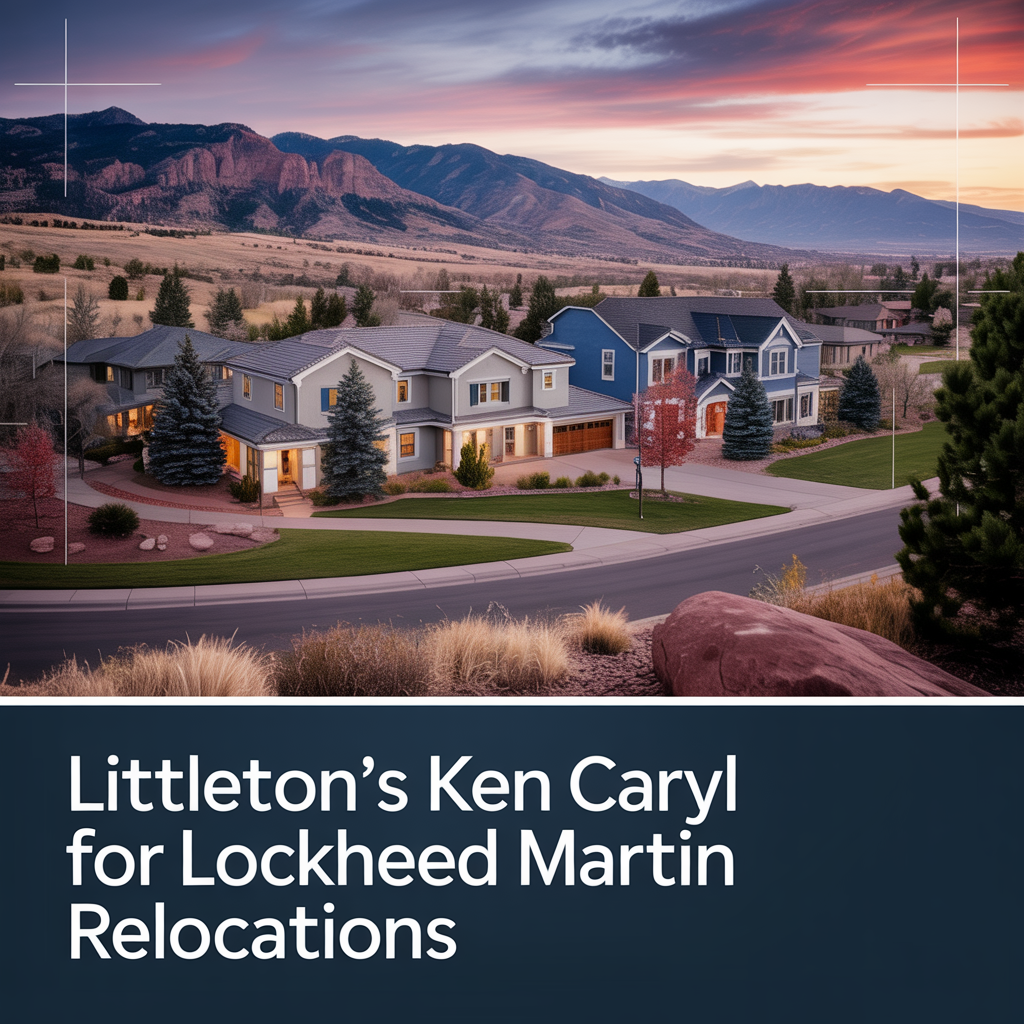
Littleton’s Ken Caryl for Lockheed Relocations
This is part of Lockheed Martin Relocation → [Lockheed Martin Relocation Hub] & the larger Denver Relocation Hub → [Denver Relocation Hub] Written by: Chad Cabalka Ken Caryl is one of the best-kept “family first” relocation options for Lockheed Martin employees who want foothills scenery, strong neighborhood appeal, and a real suburban lifestyle that still feels connected…

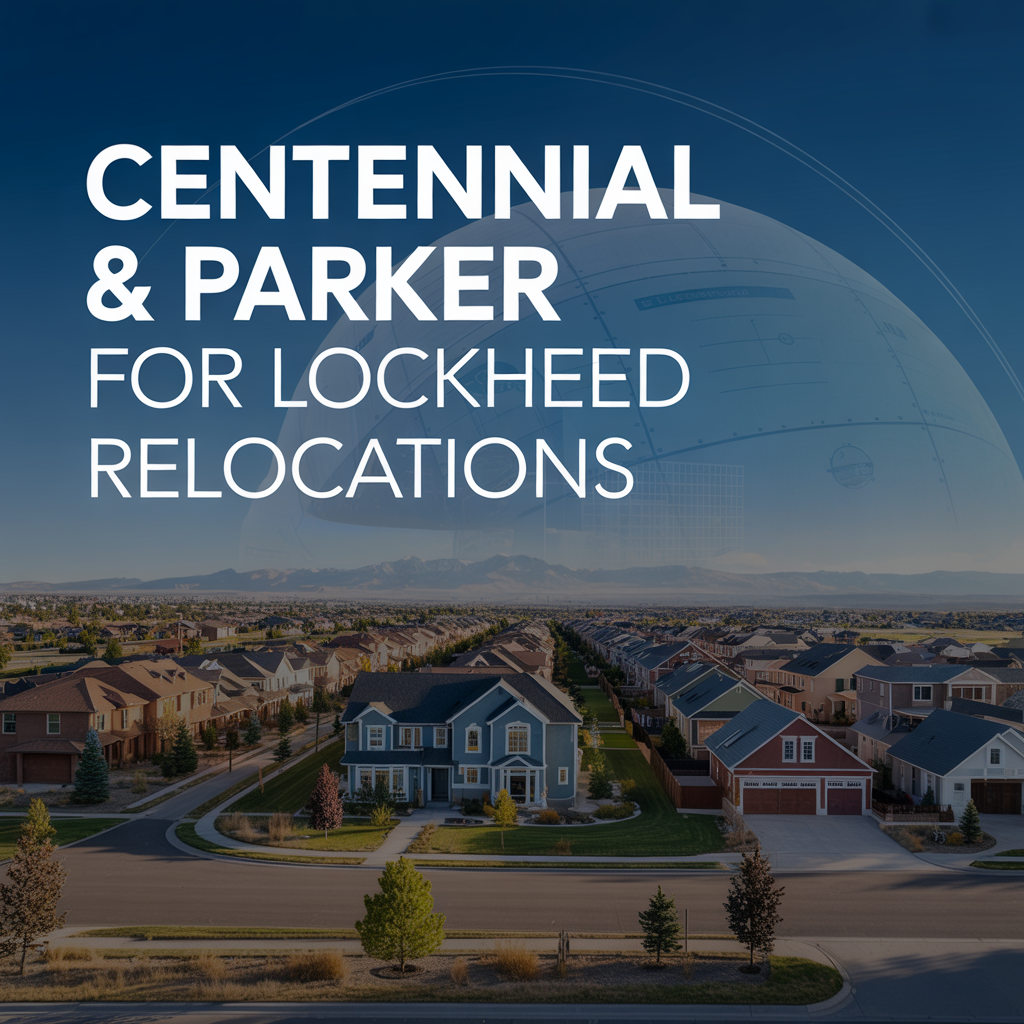
Centennial & Parker for Lockheed Relocations
This is part of Lockheed Martin Relocation → [Lockheed Martin Relocation Hub] & the larger Denver Relocation Hub → [Denver Relocation Hub] Written by: Chad Cabalka Centennial and Parker are two of the smartest suburban choices for Lockheed Martin employees relocating with families because they give you a strong balance of commute flexibility, good neighborhood variety, and…

Highlands Ranch for Family-Friendly Lockheed Relocations
This is part of Lockheed Martin Relocation → [Lockheed Martin Relocation Hub] & the larger Denver Relocation Hub → [Denver Relocation Hub] Written by: Chad Cabalka Highlands Ranch is one of the strongest choices for Lockheed Martin employees relocating with families because it delivers exactly what most parents want after a big move: stable neighborhoods, strong community…