



To get more information on Highlands Ranch→ [Highlands Ranch] & Overall Market Info → [Market Insights]
Highlands Ranch often surprises relocating buyers: the homes are mostly 30–40 years old, yet the neighborhood reads visually as “late‑2000s” suburban Denver. That disconnect between age on paper and how the community feels on the ground has real implications for resale, buyer psychology, and long‑term value.
How Highlands Ranch Was Designed to Age Slowly
Highlands Ranch is not an accidental suburb; it is a 22,000‑acre master‑planned community that began construction in 1980 under a detailed development guide approved by Douglas County. That matters because thoughtful planning tends to age better than piecemeal subdivision growth.
From the outset, the master plan called for:
- A balance of residential, commercial, educational, and non‑urban/open‑space uses.
- A compact form with planned circulation, major arterials, and trail corridors.
- Permanent reservation of roughly 60% of the land as non‑urban, including open space and major parks.
In practical terms, this means the neighborhood was built with a long time horizon in mind. Streets, schools, parks, and retail were not bolted on later as stopgaps; they were embedded into the plan, which reduces the “patchwork” feel common in other Denver‑area suburbs that expanded in stages without a unified design framework.
For resale, this planning shows up in how cohesive Highlands Ranch looks on an aerial map and in person. Buyers walking or driving different parts of the community encounter consistent design language, similar densities, and predictable transitions between homes, parks, and commercial nodes—conditions that support stable perceived value over time.
Why a 1990s House Here Feels Newer
Uniform Housing Stock and Architectural Controls
Most Highlands Ranch housing was built from the early 1980s through the 2000s, with ongoing infill and later phases extending that window. On paper, that is not “new construction.” Yet the area’s strict architectural covenants and community standards keep exteriors from drifting into the visual chaos that ages many older suburbs quickly.
The Highlands Ranch Community Association (HRCA) functions as more than a simple HOA; it is a quasi‑governmental entity tasked with managing a wide range of common areas and enforcing covenants tied to property appearance and maintenance. Over time, this has meant:
- Consistent requirements for paint colors, exterior materials, and roof replacements.
- Restrictions on visible clutter, neglected landscaping, and out‑of‑character modifications.
- Ongoing updates to rules and standards through a central body rather than dozens of disparate HOAs.
Because of these controls, a 1994 two‑story in Highlands Ranch often presents more like a mid‑2000s home in less regulated neighborhoods—especially after owners update windows, doors, and exterior finishes within the guidelines. That visual freshness is a large part of why the community “reads” newer than its tax records suggest.
From a resale perspective, the upside is straightforward: buyers mentally discount age when the streetscape looks current and well cared for. The trade‑off is reduced freedom for radical exterior customization, which some owners value.
Amenities That Refresh the Perception of Age
A key part of why Highlands Ranch feels newer lies in its amenity infrastructure: four major recreation centers, extensive trails, and a large backcountry wilderness area, all managed through HRCA and the Metro District.
The Metro District maintains more than 2,600 acres of open space and over 70 miles of trails, integrating these corridors into drainage, trail connectivity, and neighborhood design. HRCA overlays this with a network of private backcountry trails (over 11 miles) treated almost like a fifth recreation center. The combination creates a day‑to‑day experience more aligned with newer, high‑amenity master‑planned communities built in the 2000s and 2010s.
For buyers, especially those relocating from markets where older suburbs have minimal shared amenities, this infrastructure recalibrates expectations. A late‑1980s Highlands Ranch home located minutes from a modern rec center, connected to trails, and adjacent to maintained open space simply feels more contemporary than its build year indicates.
That perception feeds into resale resilience: when interest rates rise or the broader Denver market cools, neighborhoods with strong, visible amenities typically hold buyer demand better than those without them.
Colorado‑Specific Realities That Make “Newer” Feel Valuable
Weather, Maintenance, and Visual Wear
Front Range weather is hard on houses, particularly exteriors. Freeze‑thaw cycles, intense sun exposure, and occasional heavy snow mean paint, roofs, decks, and sidewalks age faster in Colorado than in milder climates. In many Denver‑area neighborhoods developed in the same era, that translates into visibly worn siding, mismatched repairs, and spotty maintenance.
Highlands Ranch’s combination of design standards and median income levels—consistently among the highest in Colorado—means more owners have both the obligation and the financial capacity to keep up with maintenance. Over time, that produces streets lined with homes that look closer to their updated remodel date than their original build date.
For resale, this matters in three ways:
- Buyers anchor heavily on visible condition when forming first impressions and deciding whether an older home feels “worth” the asking price.
- Appraisers and lenders, while focused on data, cannot completely ignore the quality and consistency of surrounding stock when assessing market support.
- In a competitive offer environment, homes that visually read as “low‑maintenance” often command a premium relative to dated peers.
In Highlands Ranch, that visual premium is reinforced by the neighborhood’s original planning, where open space, parks, and trail corridors interrupt rooflines and reduce the sense of density even in established sections.
Commute Patterns and Functional Modernity
Highlands Ranch was conceived with modern commuting patterns in mind, oriented around access to C‑470 and positioned as a bedroom community for the Denver Tech Center and south metro employment corridors. Arterial roads and collector streets were designed together with housing pods, rather than layered on later.
For buyers who spend significant time on I‑25, E‑470, or C‑470, this leads to a functional experience that feels comparable to much newer suburbs, even though the homes themselves are several decades old. Schools, parks, and retail were planned into the street network, which reduces the “retrofit” feel seen in some older Denver suburbs where new commercial centers were added long after residential build‑out.
From a resale standpoint, that functional modernity matters as much as architectural style. Buyers looking at Highlands Ranch versus a newer, further‑out community often perceive a trade‑off between newer construction and a more mature, but still efficient, built environment. In many cases, the commute‑friendly location and integrated services make Highlands Ranch’s older housing stock feel like the better long‑term choice.
How “Feels Newer” Translates Into Resale Dynamics
Buyer Psychology and Willingness to Pay
When buyers evaluate Highlands Ranch, they are rarely comparing 1988 to 2003 on a spreadsheet; they are comparing how a home feels relative to what they think they should get at a given price point. The community’s ability to visually compress perceived age has several measurable effects:
- Shorter mental list of “must‑fix” items on day one, which increases comfort with stronger offers.
- Greater willingness to accept 1980s or 1990s floorplans if the neighborhood context looks contemporary and well‑maintained.
- Reduced fear of “buying someone else’s deferred maintenance,” because covenants and community norms have discouraged significant neglect.
This does not mean Highlands Ranch is immune to market cycles. Price corrections, rate shocks, and broader economic conditions still influence values. But when the region softens, neighborhoods that feel dated see discounts amplify faster, while communities that present as functionally modern tend to stabilize sooner. Highlands Ranch typically falls into the latter category because of how it looks and lives, not just when it was built.
Liquidity and Time on Market
A neighborhood that feels newer than its build dates generally enjoys better liquidity: more buyers include it on their short list, and fewer automatically filter it out as “too old.” This dynamic can show up as:
- Lower average days on market relative to similarly priced but visibly older communities in the south metro.
- More consistent buyer traffic in a range of price bands, from starter townhomes to larger move‑up properties.
- A steadier pool of relocating buyers who recognize Highlands Ranch from search results highlighting its master‑planned structure, schools, and amenities.
Importantly, liquidity supports long‑term value by narrowing the gap between the price a seller wants and the price the market will pay. Even if Highlands Ranch does not always lead the Denver metro in appreciation, its ability to attract stable buyer demand through different cycles is a meaningful advantage.
Practical Takeaways for Buyers and Sellers in Highlands Ranch
For Buyers: Reading Past the Year‑Built Field
If you are evaluating Highlands Ranch alongside newer but farther‑out developments, it pays to think in terms of functional age rather than just recorded age.
Consider:
- How the street and surrounding homes present from the curb, including paint, roofs, and landscaping.
- Proximity to rec centers, trails, and open space, which influence daily use and perceived value for future buyers.
- The degree to which a home’s interior has been updated—kitchens, baths, mechanicals—relative to how “new” the exterior and neighborhood feel.
In many cases, accepting a late‑1980s or 1990s build in Highlands Ranch with solid updates and strong location can be a better long‑run play than a newer home in a less established suburb with weaker amenity infrastructure or more exposed commute times.
For Sellers: Lean Into the “Newer Than It Is” Narrative
For Highlands Ranch owners, understanding why the community feels newer helps guide preparation and pricing:
- Preserve the clean, cohesive exterior look that buyers expect here; deferred paint or obvious patch repairs stand out more because the baseline is high.
- Highlight proximity to trails, open space, and recreation centers in listing descriptions and showings; these are core to the neighborhood’s perceived modernity.
- Where possible, align interior updates with the community’s visual profile—simple, neutral, and functional rather than overly customized or trend‑driven.
The goal is not to pretend your home is new construction, but to position it as a property in a mature, professionally managed community that still lives like a modern suburb. That framing resonates with buyers who value both stability and current‑feeling surroundings.
When to Reach Out for Property‑Specific Guidance
Understanding why Highlands Ranch feels newer than its age is useful; applying that insight to a specific home, budget, and timeline is where decisions become clearer. Resale outcomes here hinge on the details: exact location within the community, condition versus peers, HOA structures, nearby schools, and how your commute and ownership horizon line up with local realities.
If you are weighing a purchase or sale in Highlands Ranch—or comparing it to other south Denver suburbs—reach out to me directly. A focused, property‑level review of condition, neighborhood positioning, HOA obligations, and likely buyer expectations will give you a precise picture of how “new” your home really feels in today’s market and what that means for price, timing, and long‑term value.


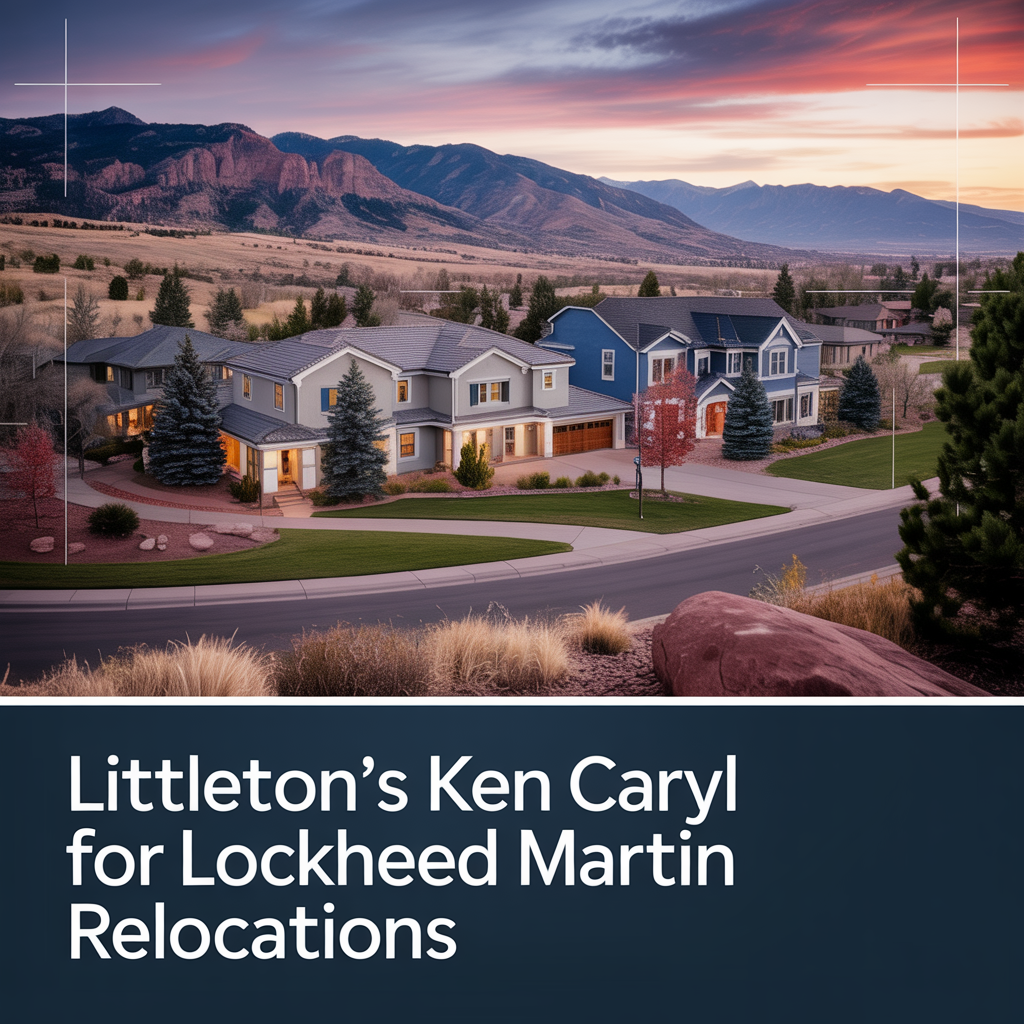
Littleton’s Ken Caryl for Lockheed Relocations
This is part of Lockheed Martin Relocation → [Lockheed Martin Relocation Hub] & the larger Denver Relocation Hub → [Denver Relocation Hub] Written by: Chad Cabalka Ken Caryl is one of the best-kept “family first” relocation options for Lockheed Martin employees who want foothills scenery, strong neighborhood appeal, and a real suburban lifestyle that still feels connected…

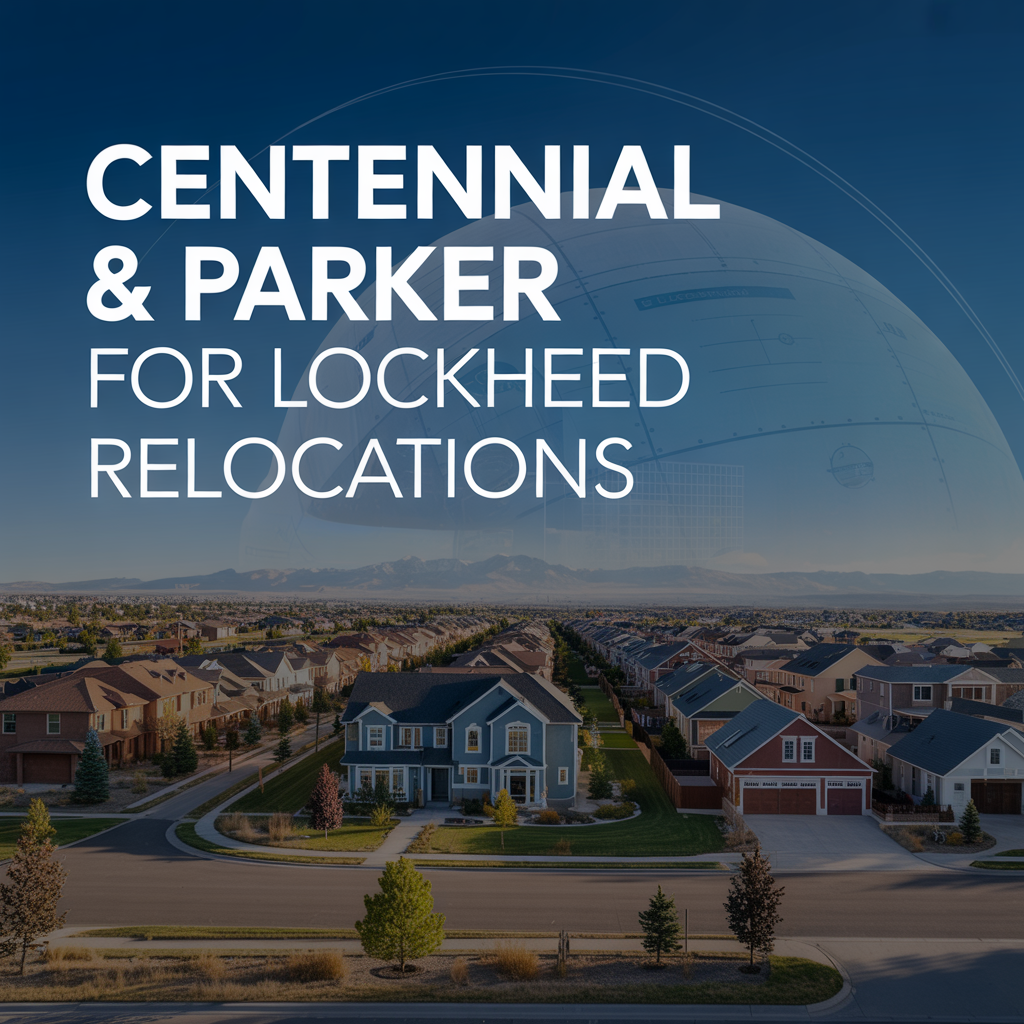
Centennial & Parker for Lockheed Relocations
This is part of Lockheed Martin Relocation → [Lockheed Martin Relocation Hub] & the larger Denver Relocation Hub → [Denver Relocation Hub] Written by: Chad Cabalka Centennial and Parker are two of the smartest suburban choices for Lockheed Martin employees relocating with families because they give you a strong balance of commute flexibility, good neighborhood variety, and…

Highlands Ranch for Family-Friendly Lockheed Relocations
This is part of Lockheed Martin Relocation → [Lockheed Martin Relocation Hub] & the larger Denver Relocation Hub → [Denver Relocation Hub] Written by: Chad Cabalka Highlands Ranch is one of the strongest choices for Lockheed Martin employees relocating with families because it delivers exactly what most parents want after a big move: stable neighborhoods, strong community…