



This is part of the Denver Metro Relocation Guide → [Relo Guide]
Over the past several years, a steady flow of homebuyers from Phoenix and Las Vegas has migrated into Colorado’s Front Range—particularly the Denver metro area, along with suburbs like Highlands Ranch, Parker, Castle Rock, and Fort Collins. For many, the motivation goes beyond housing affordability. People are looking for a different pace of life, a stronger connection to the outdoors, and a more balanced climate.
But while Colorado shares certain similarities with these desert markets—such as dry air, abundant sunshine, and a strong in-migration economy—the day-to-day realities of homeownership, commuting, and lifestyle adjustments can be surprising for those relocating north. Understanding these changes before making a move helps buyers invest confidently and set long-term expectations that align with Colorado’s unique rhythm.
Climate and Daily Life: What the Transition Really Means
People moving from Phoenix or Las Vegas usually welcome Colorado’s cooler summer temperatures. Yet the shift is about more than just weather—it affects how homes are built, how neighborhoods function, and how residents plan their time.
Year-Round Usability Differs
In much of the Southwest, extreme summer heat limits outdoor activity. In Colorado, seasonal variation encourages different patterns of living. Homeowners often use patios, decks, and nearby trails year-round. This changes how buyers evaluate space—backyard functionality, solar exposure, and proximity to parks or trail systems matter more than in cities where outdoor use is confined to brief cooler months.
Heating, Cooling, and Energy Economics
Phoenix and Las Vegas buyers are accustomed to managing cooling costs as their major utility expense. In Colorado, utility bills balance differently: heating dominates from October through April, and well-insulated, energy-efficient homes hold real value. Buyers quickly learn to differentiate between original and upgraded HVAC systems, window quality, and insulation standards.
Because high temperatures are less extreme, air conditioning is still desirable but less of a budget driver. Those relocating should note that older Colorado homes—especially those built before the mid-1990s—may lack central air, and installing it requires evaluating electrical and duct capacity. This is a practical but often unexpected cost that new residents must plan for.
Housing Style and Community Design
Home style and neighborhood design differ sharply between the desert cities and Colorado’s Front Range. Phoenix and Las Vegas housing often features single-level stucco homes with tile roofs on compact lots. In contrast, Colorado’s topography, weather patterns, and use of basements shape a distinct residential character.
The Impact of Basements and Mixed-Level Living
Basements remain one of the most notable functional differences. They’re rare in desert developments but extremely common in Colorado due to the soil conditions and temperature insulation benefits. For families, this adds practical storage and recreation space. For investors, it introduces square footage that’s sometimes uncounted in simple price-per-foot comparisons between Arizona, Nevada, and Colorado markets.
When comparing “similar” homes across states, this often creates confusion—Colorado listings may appear more expensive on paper but include significantly more usable space. Understanding this structural difference helps relocating buyers make more accurate value comparisons.
Architectural Diversity Reflects Local Priorities
In contrast to the large master-planned communities of the desert metros, many Denver suburbs evolved through smaller, varied developments. Subdivisions built a decade apart might look quite different, even within the same school district. That variety appeals to buyers looking for individuality, but it also demands more due diligence on maintenance, HOA standards, and resale expectations.
Newer Colorado neighborhoods have gradually adopted elements of the desert Southwest—low-water landscaping, stucco finishes—but the architectural feel remains distinct: gables, pitched roofs, and facades designed to shed snow and handle freeze-thaw cycles.
Market Dynamics and Long-Term Value
Relocating buyers from Phoenix or Las Vegas often arrive with investment experience. Both those markets have seen explosive booms and corrections over the past two decades, shaping how residents think about price cycles. Colorado’s market behaves somewhat differently—a mix of steady growth, limited inventory, and sustained demand driven by job diversification and in-migration from multiple states.
Supply Constraints and Price Stability
Phoenix and Las Vegas can expand outward with relative ease due to available desert land. The Denver metro area, however, is physically constrained by open space boundaries, topography, and development restrictions. This creates structural limits on supply that support long-term price stability even during slower cycles.
While short-term fluctuations occur, Colorado homeowners tend to view real estate as an intergenerational asset rather than a speculative trade. This mindset, reinforced by limited land for expansion, influences how neighborhoods age. Properties in mature suburbs like Littleton, Arvada, or Centennial often hold value through varied market conditions simply because buildable replacements are scarce.
The Employment Base Shapes Price Resilience
Phoenix and Las Vegas depend heavily on service, tourism, and construction-related industries—sectors vulnerable to national slowdowns. Colorado’s economy, by contrast, leans on technology, energy, aerospace, and professional services. That diversification softens the cyclical extremes that desert transplants might associate with real estate volatility. According to the Colorado Department of Local Affairs, job growth along the Front Range has remained consistently higher than the national average over the past decade, with moderate household income growth supporting housing demand.
For relocating buyers, this means that appreciation in Colorado is typically slower but more durable. Homes don’t usually “spike,” but they also don’t crash precipitously—a pattern appealing to those seeking long-term security rather than timing advantages.
Commute, Access, and Spatial Expectations
Relocating from Phoenix or Las Vegas also changes how one perceives distance.
In Arizona and Nevada, sprawling freeway networks make 30- to 45-minute commutes feel routine. Colorado’s geography and infrastructure require different assumptions. The presence of the mountains to the west and concentrated employment corridors along C‑470, I‑25, and US‑36 create directional bottlenecks that can add unpredictability to travel times.
Evaluating Time, Not Miles
Buyers accustomed to judging a daily drive by mileage should refocus on actual travel time and seasonal conditions. A 15-mile commute might take 20 minutes in June but 40 in January when snow slows travel. Homes closer to major retail and employment nodes—DTC, Boulder, or downtown Denver—maintain strong resale demand precisely for this reason.
Transit and Walkability Options
Public transportation systems like RTD’s light rail cover much of the metro but are less comprehensive than what many newcomers expect from major metros. For suburban residents, proximity to a station or park‑and‑ride often enhances long-term property value.
Neighborhoods with developed trail networks or mixed-use town centers—such as Sloan’s Lake, Highlands Ranch, and Stapleton (Central Park)—cater to those prioritizing walkability and recreation access over highway proximity. Understanding this relationship between infrastructure and resale appeal helps buyers align lifestyle preferences with market fundamentals.
Ownership Costs and Practical Adjustments
Beyond the purchase price, total cost of ownership in Colorado differs meaningfully from Phoenix or Las Vegas.
Property Taxes and HOA Structures
Colorado’s residential property taxes remain relatively low by national standards, providing a welcome contrast for buyers moving from states with rapidly escalating assessments. However, HOA fees can vary more widely depending on the community’s age and amenities. Master-planned areas such as Highlands Ranch or Parker offer extensive recreational facilities, but that comes with annual dues to match. Buyers should evaluate what those fees actually include—maintenance, trash, snow removal—before making price comparisons.
Maintenance Patterns and Long-Term Planning
While desert homes experience less seasonal expansion and contraction, Colorado’s freeze-thaw cycles and moisture variations require more diligent exterior maintenance. Paint longevity, roof condition, and drainage grading all deserve attention. Home inspections here routinely uncover seasonal wear that would be less common in Nevada or Arizona.
This doesn’t necessarily translate into higher costs overall, but it shifts where homeowners invest maintenance dollars. The smartest buyers budget realistically—for periodic exterior repainting, seasonal HVAC servicing, and proactive landscaping—to preserve value over time.
Quality of Life and Buyer Psychology
Relocation decisions often blend financial reasoning with lifestyle motivations. People leave Phoenix or Las Vegas craving cooler nights, more varied scenery, or a slower sense of urban sprawl. Colorado delivers those qualities, but new residents often adjust their expectations around convenience and rhythm.
Residents here tend to prioritize access over luxury—proximity to open space trails, a manageable commute, or school quality over sheer square footage. The slower appreciation of homes relative to places like southern Nevada is often offset by stronger neighborhood cohesion and lower volatility.
Community dynamics also differ subtly. Because Colorado’s climate allows for more frequent outdoor engagement, neighborhoods often feel more connected. Local farmer’s markets, trail systems, and community open spaces contribute to a sense of shared participation that shapes how residents perceive long-term livability.
The Strategic Value of Relocation Timing
For those considering relocation in 2026 and beyond, timing strategy matters but shouldn’t overshadow fundamentals.
While interest rates and inventory may fluctuate quarter to quarter, the real leverage point lies in buying into markets that align with personal stability—job tenure, family goals, and community fit. Historically, buyers who purchase based on sound financial footing and personal alignment rather than short-term signal chasing outperform over a ten‑year horizon.
Relocating buyers from Phoenix or Las Vegas, accustomed to rapid construction and expanses of new subdivisions, may find Colorado’s more limited inventory both challenging and reassuring. Acting intentionally—without rushing but also without waiting indefinitely—tends to yield the best outcomes.
Closing Perspective: Anchoring Expectations in Colorado Reality
Relocating from Phoenix or Las Vegas to Colorado involves more than a change in scenery. It’s a structural change in how people live, maintain homes, and think about value. The dry mountain air and four-season climate encourage a rhythm of life that emphasizes balance and maintenance rather than extremes. Housing costs reflect not just square footage but scarcity, school districts, and logistical convenience within a limited-supply environment.
For serious buyers and sellers, understanding these local nuances—how weather, design, infrastructure, and culture shape real estate behavior—becomes essential. Those who take time to study the realities of Colorado ownership tend to make more measured decisions and enjoy longer-term satisfaction with their purchase.
If you’re evaluating a move from Phoenix or Las Vegas and would like tailored insight into Colorado neighborhoods, commuting patterns, or the true cost of ownership across the Front Range, reach out to me directly. I provide data-grounded, practical guidance built on real local experience—helping you navigate a relocation that fits both your life and your long-term wealth goals.
Get the full Denver Market Insights → [Market Insights]


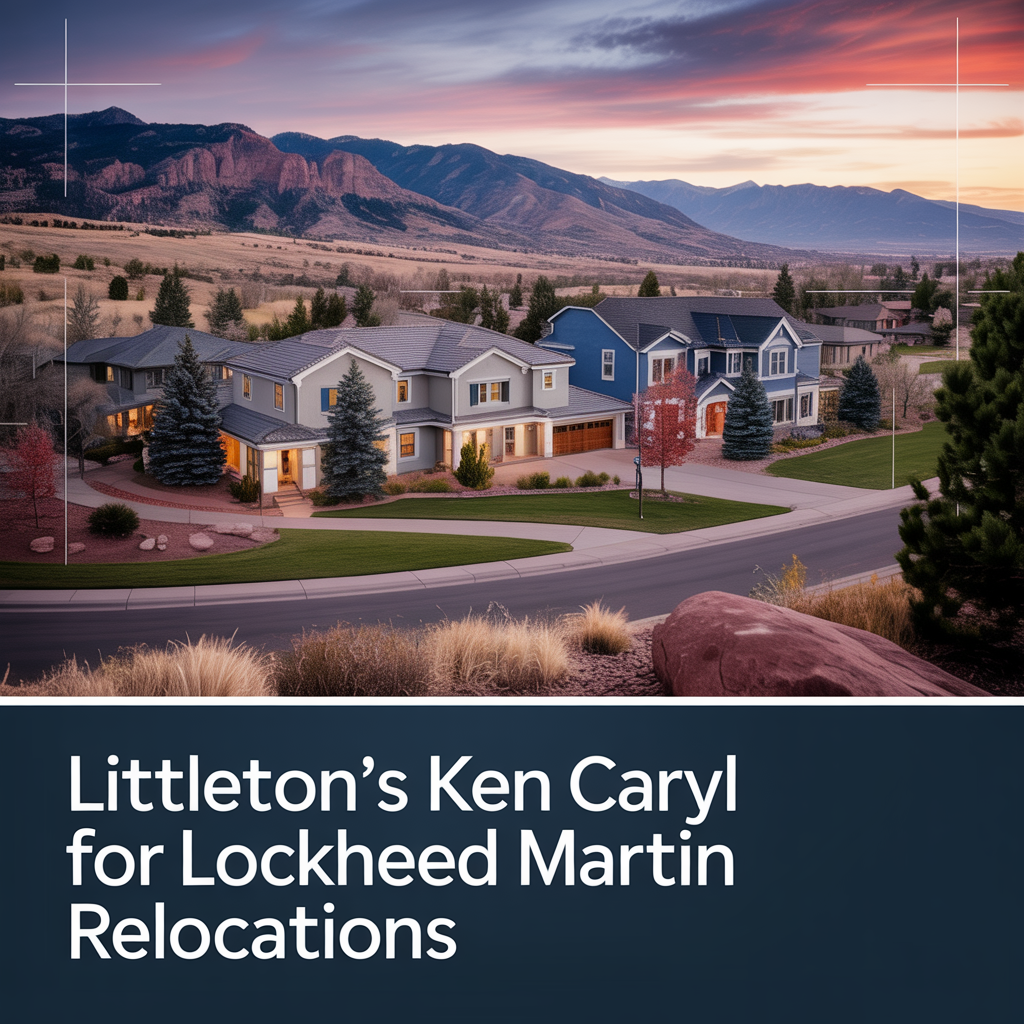
Littleton’s Ken Caryl for Lockheed Relocations
This is part of Lockheed Martin Relocation → [Lockheed Martin Relocation Hub] & the larger Denver Relocation Hub → [Denver Relocation Hub] Written by: Chad Cabalka Ken Caryl is one of the best-kept “family first” relocation options for Lockheed Martin employees who want foothills scenery, strong neighborhood appeal, and a real suburban lifestyle that still feels connected…

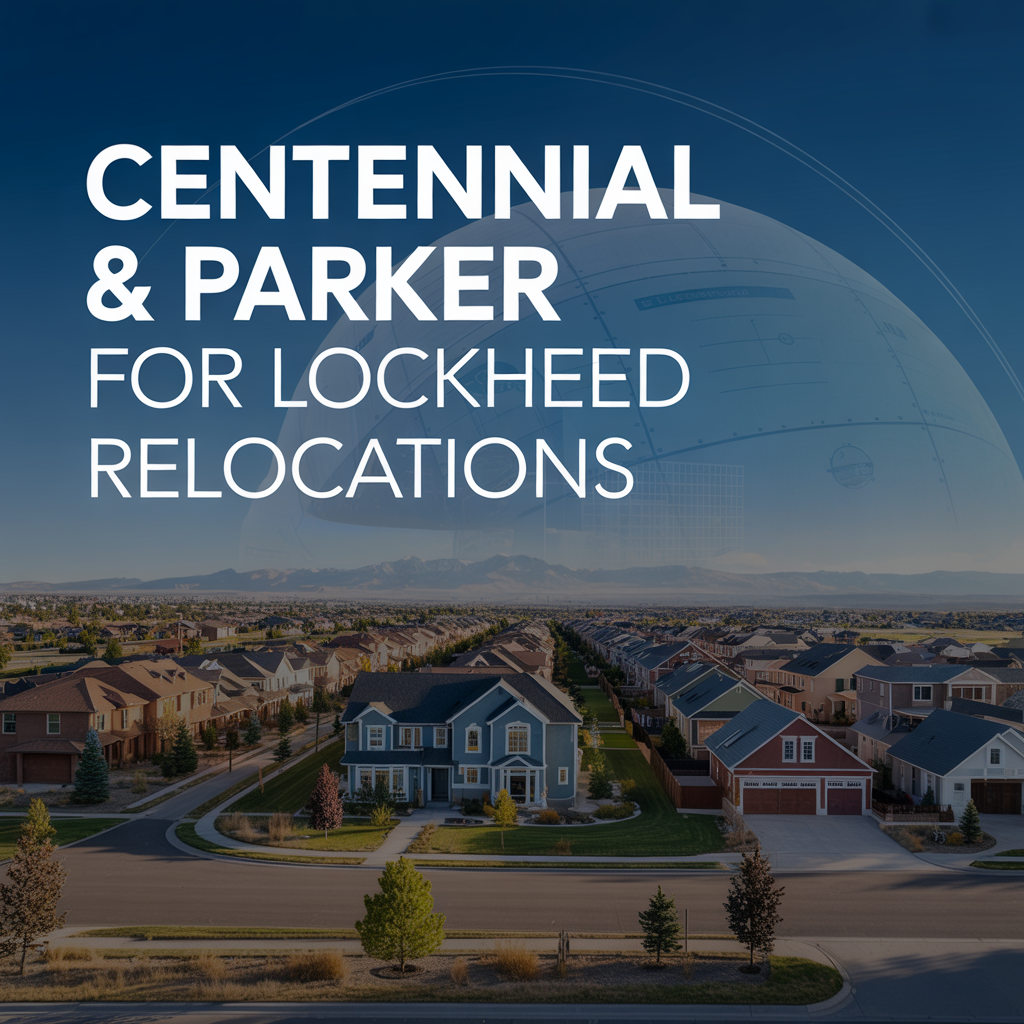
Centennial & Parker for Lockheed Relocations
This is part of Lockheed Martin Relocation → [Lockheed Martin Relocation Hub] & the larger Denver Relocation Hub → [Denver Relocation Hub] Written by: Chad Cabalka Centennial and Parker are two of the smartest suburban choices for Lockheed Martin employees relocating with families because they give you a strong balance of commute flexibility, good neighborhood variety, and…

Highlands Ranch for Family-Friendly Lockheed Relocations
This is part of Lockheed Martin Relocation → [Lockheed Martin Relocation Hub] & the larger Denver Relocation Hub → [Denver Relocation Hub] Written by: Chad Cabalka Highlands Ranch is one of the strongest choices for Lockheed Martin employees relocating with families because it delivers exactly what most parents want after a big move: stable neighborhoods, strong community…