



This is part of the Denver Metro Relocation Guide → [Relo Guide]
Relocating to Colorado—especially to the Denver metro area or its surrounding suburbs—is as much an emotional decision as a financial one. The mountain views, relative economic stability, and access to outdoor amenities attract thousands of new residents each year. Yet behind every relocation story lies a set of unspoken deal-breakers that can quietly derail a purchase or erode long-term satisfaction with a home.
Understanding these subtler factors—the ones buyers rarely articulate but feel deeply—can make the difference between a smooth transition and months of regret. For current homeowners, recognizing what relocation buyers often overlook or misunderstand can inform how you price, present, and position your property effectively in this competitive, expectation-driven market.
Why Unspoken Concerns Shape Real Estate Decisions
Most relocation buyers arrive in Colorado with a checklist: price range, school district, commute, and perhaps a view of the mountains. These are measurable, logical criteria. But once they start touring homes and neighborhoods, emotional and psychological triggers begin to influence decision-making in ways even the buyers themselves may not fully recognize.
Colorado’s real estate market operates at the intersection of lifestyle aspiration and cost-of-living realism. When these two forces collide—particularly for buyers relocating from coastal or Midwestern markets—the unspoken deal-breakers emerge. They’re not about layout or finishes; they’re about alignment between expectation and daily reality.
1. The Commute-to-Lifestyle Mismatch
One of the most common tensions for newcomers is realizing that the “Colorado lifestyle” they imagine doesn’t always synchronize with their chosen commute or housing budget.
Distance feels different here
Drive-time estimates in Colorado often mislead out-of-state buyers. A 25-mile commute might sound manageable on paper, but traffic congestion along I‑25, C‑470, or U.S. 36 can turn that into a 50‑minute daily grind, especially during winter or before major infrastructure improvements.
Relocating professionals attracted to mountain views in Parker or Castle Rock sometimes underestimate how quickly a long commute diminishes their quality of life. The same applies to those choosing Erie, Longmont, or northern suburbs while working downtown or in the DTC (Denver Tech Center).
Why this matters
Commute fatigue doesn’t just affect convenience—it changes how buyers use their homes. Long hours on the road limit the time and energy available to enjoy neighborhood amenities, join community activities, or explore the outdoors. The mismatch eventually makes even an objectively “perfect” home feel misaligned with daily life.
2. Overlooking Ownership Costs Beyond the Mortgage
Relocating buyers, especially those moving from lower-cost regions, often equate affordability solely with the mortgage payment. In Colorado, however, the ongoing cost of ownership can redefine what truly fits within one’s means.
Property taxes and insurance fluctuate
Colorado’s property tax rates remain lower than many states, but recent valuation increases have raised assessments sharply across several counties. Meanwhile, homeowners’ insurance premiums continue to rise as insurers adjust to statewide risk patterns, especially for homes near open space or wildland-urban interfaces.
Energy and utility costs
Colorado’s diverse climate—with cold snaps, hot summers, and wide daily temperature swings—translates to meaningful utility variability. Older homes in Denver or Englewood may have dated systems that limit energy efficiency, while newer builds on the outskirts frequently rely on electric heat pumps and community water districts with higher monthly fees.
Why this matters
When total monthly outlays exceed expectations, buyers begin to question location decisions or regret stretching for a “dream neighborhood.” For sellers, transparency about HOA dues, utilities, and tax reassessments builds trust and prevents costly surprises after inspection or appraisal.
3. Misreading Neighborhood Maturity and Infrastructure
Colorado’s growth corridor extends across a patchwork of rapidly developing suburbs interspersed with decades-old established neighborhoods. Many relocating buyers mistake “newer” for “better,” without realizing the tradeoffs that accompany master-planned communities still under construction.
New construction vs. established communities
Newer areas like Reunion, Sterling Ranch, or parts of Thornton might promise larger homes at similar prices—but schools, retail centers, and public transit infrastructure sometimes lag housing delivery by several years. Established neighborhoods such as Littleton, Arvada, or Wheat Ridge may show their age in finishes but often provide mature trees, walkable schools, and shorter commutes.
Why this matters
Relocation fatigue sets in when promised amenities take longer to develop or when traffic volumes increase faster than expected. A neighborhood’s maturity affects both lifestyle satisfaction and resale resilience. Seasoned buyers and investors recognize that “time-tested convenience” can sometimes outperform “brand-new community” in long-term value.
4. Climate Adaptation and Seasonal Realities
Veteran Colorado homeowners understand that local climate patterns demand practical adjustments in home selection and maintenance. Relocating buyers who only visit in spring or fall can underestimate how temperature swings or seasonal transitions influence comfort, utility costs, and even property use.
Sun exposure and microclimates
A south-facing driveway can make winter maintenance easier, while a west-facing deck can become nearly unusable on hot July afternoons. Elevation differences between neighborhoods—even within the Denver metro—also affect snowfall, vegetation, and utility demand.
Why this matters
Homes designed for sun management, moisture control, and ventilation often hold better long-term performance and lower operating costs. For sellers, pointing out energy-efficient upgrades or thoughtful landscaping reinforces a perception of durability and livability that savvy relocation buyers value highly.
5. The Psychological Value of Space and Privacy
Many relocation buyers think primarily in square footage. Yet space—and how it feels—carries subjective meaning. The same 2,500‑square‑foot home can seem spacious in Highlands Ranch yet confining in older central Denver neighborhoods with limited outdoor areas.
Density and design perception
Communities throughout the metro area balance competing goals: affordability, land use, and convenience. Higher density projects—common in areas like Stapleton (now Central Park) or parts of Lone Tree—offer new construction and walkability but often trade away private yard space.
For buyers accustomed to larger lots elsewhere, this compromise sometimes becomes an unspoken source of discomfort. They may initially dismiss it as adaptation, only to realize later that proximity and noise affect satisfaction more than they anticipated.
Why this matters
Privacy and psychological breathing room are enduring value drivers. Properties with thoughtful separation, usable outdoor space, and orientation toward views consistently command stronger buyer emotional response—an advantage both in resale and quality of life.
6. School District Realities Beyond Rankings
Families relocating for job changes often rely on national school ranking websites that compress complex realities into single scores. In Colorado, differences between adjacent districts—Douglas County, Jefferson County, Cherry Creek, and Boulder Valley—extend beyond academics into taxes, open enrollment policies, and community culture.
The nuance in “good schools”
Academic performance data rarely capture how district boundaries affect social dynamics, extracurricular access, or community engagement. Moreover, some districts with slightly lower test metrics operate schools that outperform in arts, technology, or individualized learning—elements that may better suit certain family priorities.
Why this matters
Homebuyers who define school quality too narrowly risk overpaying in competitive zones or missing neighborhoods that quietly offer exceptional educational outcomes and community integration. Sellers can benefit from providing factual yet nuanced information about local schooling realities, including open enrollment logistics and district investments.
7. Cultural Fit and Neighborhood Identity
Colorado’s communities reflect distinct personalities shaped by history, geography, and local governance. From the suburban efficiency of Highlands Ranch to the eclectic charm of Olde Town Arvada or the planned serenity of Superior, each area carries unwritten norms around pace, aesthetics, and interaction.
What buyers rarely articulate
Relocating professionals from fast-paced corporate hubs may struggle with communities that prize slower weekend rhythms, volunteer engagement, or local events. Conversely, those seeking community may find certain enclaves too transient or investment-driven.
Why this matters
Fit determines longevity. Many buyers relocate again within three years not because of home defects but because the community “never felt quite right.” Recognizing cultural preferences—urban vs. suburban, social vs. private—helps buyers select neighborhoods aligned with their deeper lifestyle identity.
8. Underestimating the Negotiation Psychology of Colorado Sellers
The Colorado housing market reflects both supply dynamics and local negotiation culture. Relocating buyers, particularly from highly aggressive coastal markets, often misread seller behavior here.
The pricing dynamic
While the frenzy of 2021–2022 has cooled, Colorado sellers still tend to price aspirationally when inventory tightens. However, many prefer measured negotiation over bidding wars. Offers that respect a property’s intrinsic value, rather than purely transactional discounts, often succeed where aggressive tactics fail.
Why this matters
Understanding seller psychology—rooted in pride of ownership and regional market literacy—can mean the difference between securing a property and losing it on principle. For sellers, empathy toward the pressures of relocation buyers (temporary housing, dual closings, job transitions) builds trust and smoother transactions.
9. The Long-Term Value of Maintenance and Materials
Colorado’s dry climate and altitude influence how certain materials age. Homes built in the 1990s and early 2000s, for example, often feature siding products or window systems that now require proactive maintenance or replacement.
What relocation buyers miss
Used to humid or coastal conditions, many buyers do not immediately recognize how high UV exposure and rapid freeze-thaw cycles affect exterior finishes. Likewise, homes with unfinished basements or limited attic ventilation may underperform in comfort or energy efficiency.
Why this matters
Buyers and investors who factor long-term performance into valuation tend to make more sustainable choices. Sellers who document maintenance histories and upgrades strengthen credibility and reduce inspection renegotiations—an especially valuable advantage in markets where due diligence heavily influences buyer confidence.
10. Expectation Management in a Market That Rewards Patience
Relocating buyers face a unique timeline crunch: align job start dates, school calendars, and temporary housing leases while learning an unfamiliar market. That pressure often fuels hasty decisions.
Market tempo and perspective
Colorado’s real estate cycles favor those who approach decisions with contextual patience. Inventory typically rises in late spring and early summer, while pricing adjustments occur sporadically in late fall. Buyers who treat their first six months as a learning phase rather than a race generally achieve stronger long-term alignment of location, lifestyle, and investment value.
Why this matters
Homes are long-term assets shaped by both timing and temperament. Buyers willing to observe before acting often secure properties that appreciate steadily while supporting their intended quality of life.
A Market Built on Informed Decisions
The unspoken deal-breakers of relocation rarely appear in listings or market reports, yet they determine whether a buyer thrives in their new environment. Understanding them requires not only factual awareness but empathy for how expectations evolve into satisfaction—or disappointment—over time.
For buyers, clarity about lifestyle tradeoffs, ownership realities, and community culture builds confidence in every step of the purchase. For sellers, anticipating and addressing these silent concerns strengthens marketability and negotiation leverage.
Whether you’re planning a move to Colorado or preparing to sell into this dynamic market, it’s worth having a candid discussion about these deeper factors before making your next decision.
If you’re considering buying or selling a home in the Denver metro area—or relocating to Colorado in the coming year—reach out to me for a private, data‑driven consultation. Together, we can translate these market realities into a strategy that fits your goals with confidence and precision.
Get the full Denver Market Insights → [Market Insights]


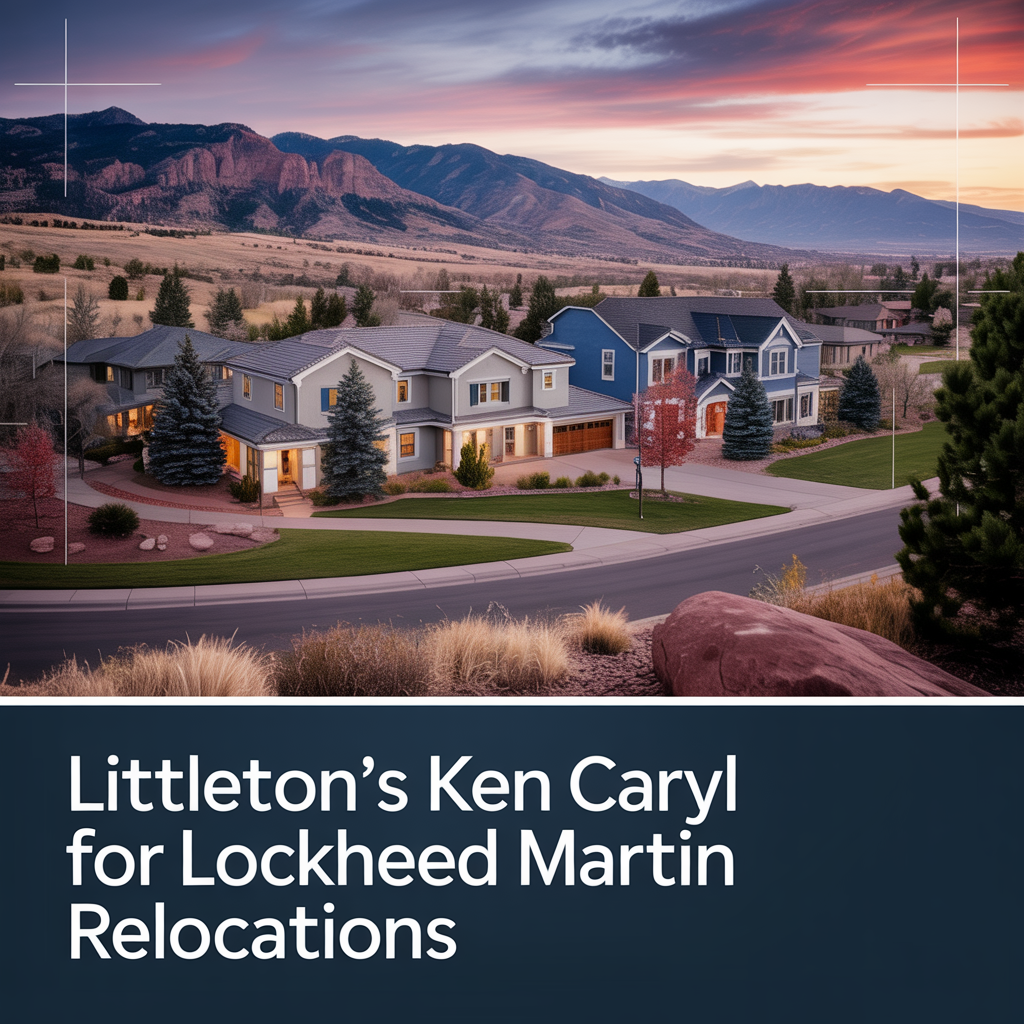
Littleton’s Ken Caryl for Lockheed Relocations
This is part of Lockheed Martin Relocation → [Lockheed Martin Relocation Hub] & the larger Denver Relocation Hub → [Denver Relocation Hub] Written by: Chad Cabalka Ken Caryl is one of the best-kept “family first” relocation options for Lockheed Martin employees who want foothills scenery, strong neighborhood appeal, and a real suburban lifestyle that still feels connected…


Centennial & Parker for Lockheed Relocations
This is part of Lockheed Martin Relocation → [Lockheed Martin Relocation Hub] & the larger Denver Relocation Hub → [Denver Relocation Hub] Written by: Chad Cabalka Centennial and Parker are two of the smartest suburban choices for Lockheed Martin employees relocating with families because they give you a strong balance of commute flexibility, good neighborhood variety, and…

Highlands Ranch for Family-Friendly Lockheed Relocations
This is part of Lockheed Martin Relocation → [Lockheed Martin Relocation Hub] & the larger Denver Relocation Hub → [Denver Relocation Hub] Written by: Chad Cabalka Highlands Ranch is one of the strongest choices for Lockheed Martin employees relocating with families because it delivers exactly what most parents want after a big move: stable neighborhoods, strong community…