



This is part of the Denver Metro Relocation Guide → [Relo Guide]
Midwest buyers relocating to the Denver metro area often seek stability amid Colorado’s unique market dynamics. Neighborhoods that balance affordability, infrastructure reliability, and long-term appreciation draw those prioritizing enduring value over short-term trends. This post examines why certain Denver suburbs inspire confidence for Midwest families and professionals planning decades ahead.
Understanding Midwest Buyer Priorities
Midwest buyers typically arrive from flatter landscapes and more predictable climates, valuing predictable ownership costs and minimal surprises in home maintenance. They prioritize areas with established housing stock—predominantly single-family homes built in the 1980s to 2000s—that withstand Colorado’s freeze-thaw cycles without excessive upkeep. Commute patterns matter greatly; these buyers favor locations offering 20- to 40-minute drives to downtown Denver or tech hubs like the Boulder corridor, avoiding the frustration of I-70 mountain traffic or C-470 bottlenecks during winter storms.
Long-term confidence stems from neighborhoods where buyer behavior mirrors their own: deliberate, family-oriented decisions rather than speculative flips. These areas feature low vacancy rates, strong school districts, and proximity to employment centers in aerospace, energy, and healthcare—sectors familiar to Midwest transplants. Ownership costs, including property taxes averaging 0.5% to 0.7% statewide and utilities 10-15% above national averages due to heating demands, feel manageable when paired with wage growth outpacing inflation.
Top Neighborhoods for Long-Term Stability
Suburbs like Highlands Ranch, Littleton, and Centennial emerge as frontrunners for Midwest buyers. These areas offer mature infrastructure, diverse housing options, and proven resilience against economic shifts. Their appeal lies in tangible factors: wide streets for safe navigation in snow, community associations enforcing standards, and access to open spaces that echo Midwest parks without the altitude adjustment shock.
Highlands Ranch: Proven Family Foundation
Highlands Ranch stands out for its master-planned design, encompassing over 23,000 acres with 100,000 residents. Midwest buyers appreciate the neighborhood’s 1990s-era homes—many with finished basements ideal for harsh winters—priced from $600,000 to $1.2 million for updated four-bedrooms. The area’s three rec centers and 70 miles of trails provide immediate lifestyle integration, reducing relocation regret common in more remote exurbs.
Commute reliability bolsters confidence here. Residents reach Centennial Airport or Park Meadows corporate parks in under 20 minutes via well-maintained arterials like Broadway, even during peak snow events. Schools in the Douglas County district rank among Colorado’s top performers, with 80% proficiency rates driving sustained demand. Long-term value accrues from limited new construction, preserving scarcity amid Denver’s 4.3 months of statewide inventory as of late 2025.
Ownership realities align with Midwest expectations. Annual HOA fees of $200 to $500 cover snow removal and landscaping, offsetting higher heating bills from larger square footage. Appreciation has averaged 4% annually over the past decade, outpacing national norms without the volatility of inner-city condos.
Littleton: Balanced Access and Appreciation
Littleton appeals to buyers valuing walkable cores alongside suburban sprawl. Historic districts blend with 1970s ranch-style homes and newer builds, offering entry points around $550,000. Midwest families find reassurance in the area’s flat terrain—rare in metro Denver—easing snow shoveling and suiting those from Minneapolis or Chicago.
Proximity to light rail stations cuts commute times to Empower Field or DTC offices to 25 minutes, a key differentiator from farther-flung options like Brighton. Aspen Grove shopping center and Roxborough Park provide everyday conveniences, fostering community ties that stabilize resale values. Buyer behavior here skews conservative; 68-day average market times statewide allow deliberate inspections, revealing Littleton’s low flood risk and solid utility infrastructure.
Economically, Littleton’s median sale price holds steady near $650,000, reflecting 3-5% projected 2026 growth. Property taxes remain competitive at 0.6%, with energy-efficient updates common in resales, addressing Midwest concerns over Colorado’s 20% higher utility costs from altitude and insulation needs.
Centennial: Corporate Proximity Meets Quiet Living
Centennial attracts professionals eyeing Lockheed Martin or United Airlines hubs, with homes from $700,000 in established neighborhoods like The Meadows. Expansive lots and mature trees mimic Midwest suburbs, while low crime rates—under 15 incidents per 1,000 residents—enhance security perceptions.
The suburb’s E-470 toll access ensures 30-minute drives to DIA, critical for frequent flyers from flyover country. Strong resale history shows homes selling at 98% of list price in balanced conditions, signaling seller discipline that Midwest buyers trust. Limited multifamily development preserves single-family dominance, insulating values from apartment oversupply risks plaguing Aurora.
Long-term ownership benefits from proactive city planning: widened roads and stormwater upgrades mitigate weather disruptions. Schools like Cherry Creek High deliver 85% college placement, appealing to families planning 20-year horizons.
Commute Patterns Shaping Buyer Decisions
Colorado’s geography demands commute scrutiny beyond distance. Midwest buyers, accustomed to grid-like highways, favor south metro corridors where I-25 expansions and SMART rail reduce rush-hour delays to 10-15% over free-flow times. Areas north like Thornton face heavier truck traffic, eroding confidence for long-term commutes exceeding 45 minutes.
Winter weather amplifies this: suburbs with dedicated plows and de-icing—like Douglas County—maintain accessibility, unlike Adams County’s variable response. Buyers calculate total costs, including $200-300 monthly tolls on E-470, against 6% mortgage rates stabilizing in 2026, ensuring affordability endures job shifts.
Housing Stock and Ownership Costs Breakdown
Denver’s housing stock skews newer in suburbs, with 60% of Highlands Ranch homes post-1990 versus 40% statewide pre-1980. This matters for maintenance: modern builds handle elevation-driven settling better, avoiding foundation cracks common in older Aurora stock.
Ownership costs break down practically:
These figures underscore why south suburbs build confidence: predictable expenses allow Midwest buyers to budget for appreciation without lifestyle trade-offs.
Market Trends Favoring Calculated Entry
As 2026 unfolds, Colorado’s market tilts balanced with 4-6 months’ supply, empowering buyers to negotiate 5% below list. Midwest transplants thrive here, leveraging cash reserves from lower home equities back home for concessions like closing costs.
Trends show selective strength: well-priced suburban homes move in 45-65 days, while overpriced listings linger. This rhythm suits thoughtful buyers avoiding FOMO-driven bids of past cycles.
Why These Areas Outperform for Relocators
Midwest buyers gain confidence from suburbs demonstrating resilience: steady inventory growth without price crashes, infrastructure investments, and buyer pools mirroring their demographics. Highlands Ranch’s $756,000 median reflects premium positioning, yet accessibility persists.
Contrast with north metro reveals risks—higher turnover in rental-heavy zones dilutes long-term equity. South suburbs’ owner-occupancy rates above 75% signal commitment, aligning with relocation goals.
Building Equity Through Informed Choices
Equity growth hinges on location-specific factors: school quality drives 20% premiums, while commuter access adds 10-15%. Midwest buyers, often upsizing, position for 3-5% annual gains projected metro-wide, compounding over 20 years.
Weather-resilient features like south-facing driveways and insulated garages minimize disruptions, preserving usability and value.
Final Considerations for Long-Term Success
Denver suburbs like Highlands Ranch, Littleton, and Centennial offer Midwest buyers a calculated path to ownership stability. Their blend of reliable commutes, solid housing stock, and controlled costs addresses relocation uncertainties head-on, fostering decades of appreciation.
Reach out to me today for personalized insights on these neighborhoods and to discuss your long-term Denver real estate strategy.
Get the full Denver Market Insights → [Market Insights]


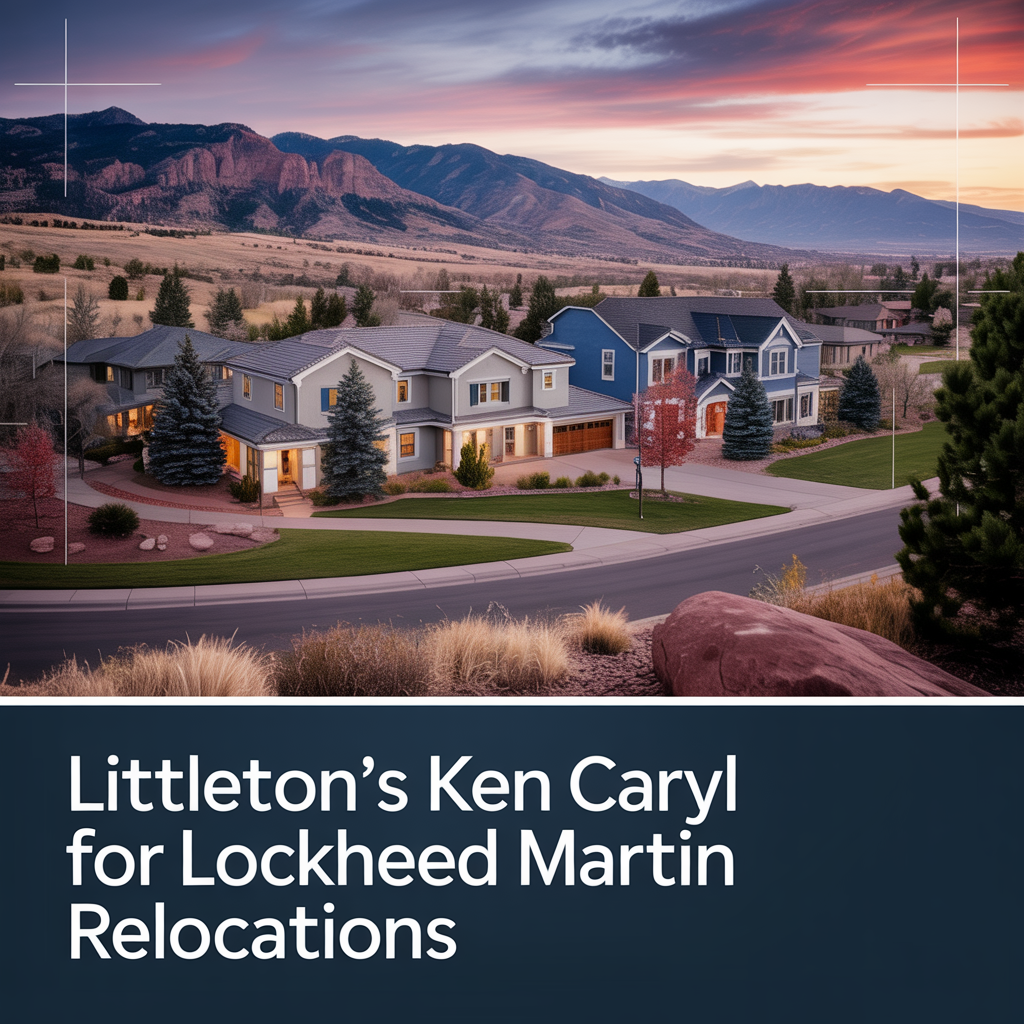
Littleton’s Ken Caryl for Lockheed Relocations
This is part of Lockheed Martin Relocation → [Lockheed Martin Relocation Hub] & the larger Denver Relocation Hub → [Denver Relocation Hub] Written by: Chad Cabalka Ken Caryl is one of the best-kept “family first” relocation options for Lockheed Martin employees who want foothills scenery, strong neighborhood appeal, and a real suburban lifestyle that still feels connected…


Centennial & Parker for Lockheed Relocations
This is part of Lockheed Martin Relocation → [Lockheed Martin Relocation Hub] & the larger Denver Relocation Hub → [Denver Relocation Hub] Written by: Chad Cabalka Centennial and Parker are two of the smartest suburban choices for Lockheed Martin employees relocating with families because they give you a strong balance of commute flexibility, good neighborhood variety, and…

Highlands Ranch for Family-Friendly Lockheed Relocations
This is part of Lockheed Martin Relocation → [Lockheed Martin Relocation Hub] & the larger Denver Relocation Hub → [Denver Relocation Hub] Written by: Chad Cabalka Highlands Ranch is one of the strongest choices for Lockheed Martin employees relocating with families because it delivers exactly what most parents want after a big move: stable neighborhoods, strong community…