



This is part of the Denver Metro Relocation Guide → [Relo Guide]
Colorado’s Denver metro real estate market draws a steady influx of buyers from the Midwest, where flat terrain and predictable weather give way to the Front Range’s elevation, commute realities, and varied housing stock. These transplants often prioritize neighborhoods that hold value over time, balancing ownership costs with long-term appreciation. Understanding resale patterns through their preferences reveals areas where demand persists despite market shifts.
Midwest buyers—familiar with harsh winters but seeking Colorado’s economic opportunities—focus on suburbs offering reliable schools, accessible highways, and homes that resell without steep losses. Their choices highlight districts with proven equity growth, influencing broader market dynamics. This analysis draws from observed buyer behavior and historical data, emphasizing why certain areas outperform others for resale.
Why Midwest Transplants Shape Resale Trends
Midwest relocators, often from states like Illinois, Minnesota, and Missouri, bring a pragmatic approach to homebuying. They prioritize total ownership costs—including property taxes, HOA fees, and utility bills shaped by Colorado’s dry climate and heating demands—over flashy amenities. These buyers track resale history closely, as Midwest markets taught them the value of steady appreciation amid economic cycles.
Their influence matters because they represent a consistent demand segment. Unlike coastal investors, Midwest families commit long-term, often staying 7-10 years before upsizing or relocating again. This stability boosts resale values in targeted neighborhoods, where low days-on-market and minimal price corrections signal strength. Data shows these areas maintain 95-98% list-to-sale ratios even in softening markets.
In Denver’s suburbs, their preferences cluster around family-oriented stock: single-family homes built 1980-2005, with spacious lots and proximity to I-25 or C-470. Weather-related maintenance, like snow removal and insulation needs, factors into their decisions, favoring established areas over new builds prone to settling issues.
Top Neighborhoods Favored by Midwest Buyers
Highlands Ranch: Reliable Equity Builder
Highlands Ranch consistently tops lists for Midwest transplants seeking resale security. This master-planned community south of Denver features over 30,000 homes, mostly from the 1990s boom, with resale values appreciating 4-6% annually in balanced markets. Buyers value its three rec centers, extensive trails, and top-rated Douglas County schools, which underpin demand from families planning future sales.
Resale strength stems from limited supply of updated ranches and two-stories under $800,000, coupled with commute times under 30 minutes to downtown via C-470. Ownership costs remain reasonable—property taxes around 0.7% of assessed value—despite higher HOA fees for amenities. Transplants report smooth resales, often within 45 days, as equity from prior Midwest sales funds competitive offers.
The area’s housing stock resists depreciation because developers maintained consistent quality, avoiding the overbuilding seen elsewhere. For sellers, pricing at market comparables yields offers near full list, preserving capital for the next purchase.
Littleton: Established Suburbs With Proven Returns
Littleton, encompassing areas like Ken Caryl and Columbine Knolls, appeals to Midwest buyers for its mature trees, lower elevation (reducing heating costs), and I-70 access for mountain day trips. Resale history here shows median prices holding steady through cycles, with 2025 data indicating 3% year-over-year growth despite statewide softening.
Why it excels: Diverse inventory from 1970s splits to recent infills allows flexibility, and buyer behavior favors move-in-ready properties that resell quickly to similar profiles. Commute patterns favor north-south routes, avoiding Denver’s radial congestion. Transplants, accustomed to Midwest sprawl, appreciate the 10,000-square-foot lots that support home offices and play areas, enhancing appeal on the secondary market.
Sellers benefit from low vacancy rates in attached homes, where townhomes resell at 2-3% premiums due to affordability amid mid-6% rates. Long-term, infrastructure upgrades like light rail extensions bolster values without flooding supply.
Parker: Growing Demand, Stable Resales
Parke rstands out for Midwest families eyeing east Douglas County, where resale values have climbed steadily due to job growth in Centennial and Aurora. Homes here—predominantly 1990-2010 builds—see average 50-day market times, with sellers netting 97% of list in competitive segments.
The draw lies in practicalities: E-470 toll access cuts Denver commutes to 25 minutes, and schools in District 1 draw relocators from Chicago’s competitive districts. Ownership costs align with Midwest norms, with utilities moderated by community solar initiatives. Transplants favor Parker’s Villages at Parkers, where updated kitchens and finished basements command resale premiums.
Resale reliability comes from controlled growth; unlike rapid exurbs, Parker maintains greenbelts that preserve desirability. Buyers from Ohio or Wisconsin see parallels to their suburbs, driving repeat demand that shields against downturns.
Comparing Resale Performance Across Key Areas
This table highlights why these areas outperform: Midwest transplants prioritize metrics like days on market and appreciation, which correlate with their resale goals. Centennial edges in speed due to corporate relocations, while Castle Rock offers value for up-and-coming buyers.
Factors Driving Resale Success for Transplants
Commute Patterns and Job Corridors
Denver metro commutes average 28 minutes, but Midwest buyers target under 25 via I-25 or Pena Boulevard. Areas like Centennial benefit from tech hubs in Inverness, where remote-hybrid work reduces wear on vehicles—a hidden ownership cost in snowy conditions. Resale holds because employers retain talent, sustaining demand.
Housing Stock and Maintenance Realities
Colorado’s older stock (pre-2000) dominates resale leaders, as transplants avoid new-construction premiums that erode equity. Weather demands—high-altitude sun fading exteriors, winter freeze-thaw on foundations—favor neighborhoods with proactive HOAs. Highlands Ranch exemplifies this, with resale values insulated by uniform upkeep standards.
Buyer Behavior in a Balanced Market
With 2026 forecasts showing 4-6% inventory growth and modest 3-5% appreciation, Midwest pragmatism shines. They negotiate concessions (5-7% below list common), focusing on total cost over square footage. This behavior stabilizes resale prices, as seen in Pueblo’s softening but balanced 6.5 months’ supply—lessons applicable to metro suburbs.
Ownership Costs Unique to Colorado
Transplants must account for elevated costs: Property taxes (0.5-1% statewide), water bills from xeriscaping mandates, and insurance tied to wildfire proximity. Strong resale areas mitigate this through efficient utilities and tax caps from Gallagher reforms. In Littleton, for instance, net costs align closer to Midwest averages, aiding equity retention.
Heating oil or gas demands spike November-March, but insulated suburbs like Parker offset this with solar incentives. Sellers who disclose these transparently close faster, preserving value.
Navigating Resale as a Buyer or Seller
Buyers from the Midwest should verify five-year resale comps via county records, prioritizing areas with under 60-day averages. Sellers in these hotspots stage for family appeal—highlight basements and garages—to attract their cohort.
Market psychology plays in: Transplants fear overpaying, so precise pricing trumps volume discounts. In 2026’s stabilizing conditions—mid-6% rates, 4.3 months’ supply statewide—positioning in proven areas maximizes outcomes.
Long-term value accrues from demographic fit; these neighborhoods match Midwest family sizes (3-4 bedrooms standard), ensuring turnover without distress sales.
Conclusion
Denver areas like Highlands Ranch, Littleton, and Parker demonstrate strongest resale history among Midwest transplants due to aligned priorities: solid schools, efficient commutes, and durable housing stock that weathers Colorado’s climate. These choices underscore a market rewarding stability over speculation, with appreciation driven by consistent demand rather than fleeting trends. Serious buyers and sellers recognize that resale strength reflects broader ecosystem health—jobs, infrastructure, and buyer commitment.
For personalized insights on how these trends apply to your situation in the Denver metro or suburbs, reach out to me directly. Contact details are below; let’s discuss your resale strategy today.
Get the full Denver Market Insights → [Market Insights]


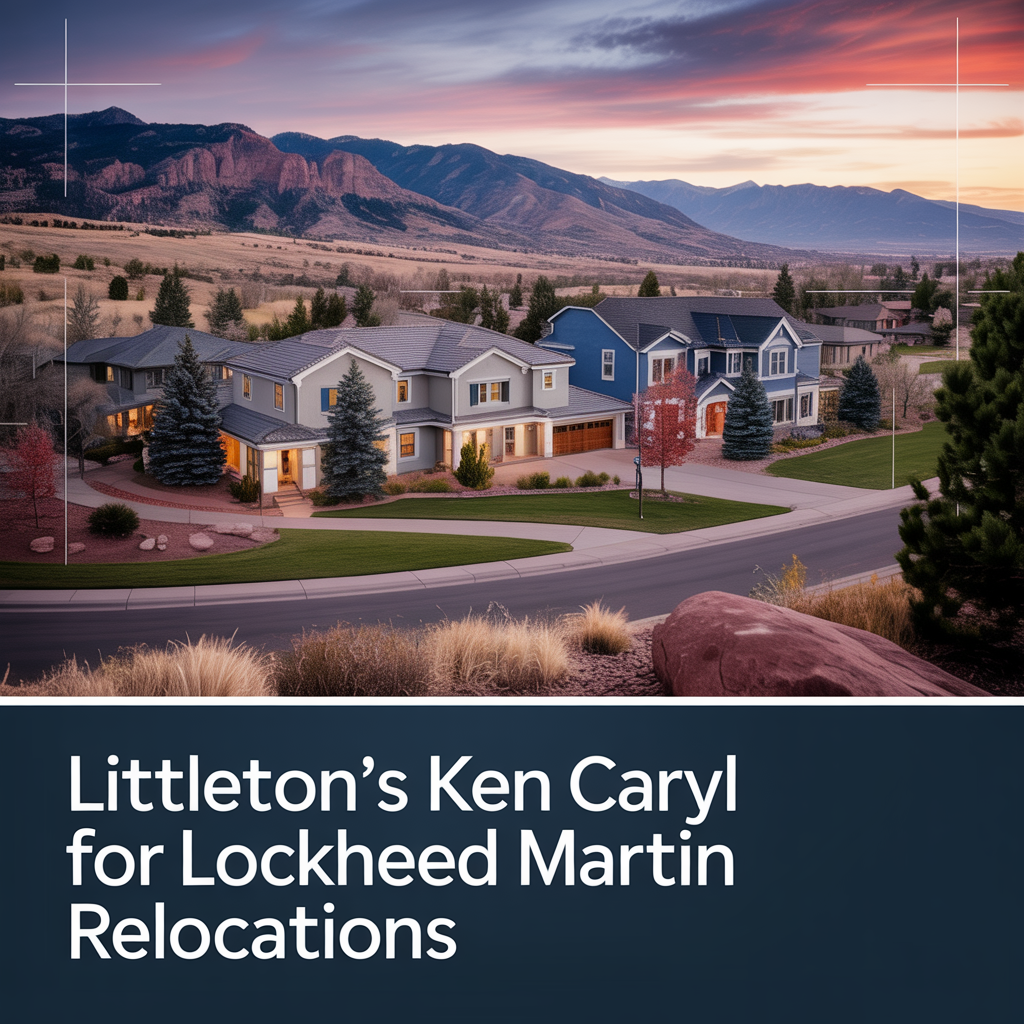
Littleton’s Ken Caryl for Lockheed Relocations
This is part of Lockheed Martin Relocation → [Lockheed Martin Relocation Hub] & the larger Denver Relocation Hub → [Denver Relocation Hub] Written by: Chad Cabalka Ken Caryl is one of the best-kept “family first” relocation options for Lockheed Martin employees who want foothills scenery, strong neighborhood appeal, and a real suburban lifestyle that still feels connected…


Centennial & Parker for Lockheed Relocations
This is part of Lockheed Martin Relocation → [Lockheed Martin Relocation Hub] & the larger Denver Relocation Hub → [Denver Relocation Hub] Written by: Chad Cabalka Centennial and Parker are two of the smartest suburban choices for Lockheed Martin employees relocating with families because they give you a strong balance of commute flexibility, good neighborhood variety, and…

Highlands Ranch for Family-Friendly Lockheed Relocations
This is part of Lockheed Martin Relocation → [Lockheed Martin Relocation Hub] & the larger Denver Relocation Hub → [Denver Relocation Hub] Written by: Chad Cabalka Highlands Ranch is one of the strongest choices for Lockheed Martin employees relocating with families because it delivers exactly what most parents want after a big move: stable neighborhoods, strong community…