



This is part of the Denver Metro Relocation Guide → [Relo Guide]
Over the past decade, relocation buyers from the Midwest have become one of the most consistent buyer segments entering the Denver metropolitan real estate market. Whether they come from Illinois, Minnesota, Wisconsin, or Kansas, these households often arrive seeking a balance of opportunity, outdoor access, and stability. They may not move in the largest numbers year to year, but they represent a steady and durable demand stream that has shaped key neighborhoods and price brackets across the Front Range.
For many Midwestern transplants, relocation to Denver is not a short-term move. It’s a commitment to a different pace of life and a different kind of investment climate. The question for buyers and sellers alike is not just where they come from, but where they tend to stay—and why those areas hold their loyalty long after closing.
Why Midwest Buyers Choose Colorado
Shared Values, Different Backdrops
Midwesterners often arrive with an appreciation for community stability, local schools, and practical commuting—all values that align closely with Colorado’s suburban layout. However, they tend to adapt quickly to the region’s emphasis on recreation, environmental quality, and neighborhoods with walkable access to coffee shops, trail systems, and parks.
For many relocating households, Colorado offers something familiar but improved: the same sense of neighborhood reliability, but with year-round outdoor amenities and higher long-term property appreciation. Denver’s market, unlike many in the Midwest, has maintained positive equity growth through multiple economic cycles. That steady performance, paired with a diversified local economy, gives Midwest buyers the predictability they’re used to but with more upside.
The Neighborhoods That Keep Midwest Buyers Rooted
Suburban Anchors with Long-Term Appeal
While Denver’s urban neighborhoods attract some relocating professionals, many Midwestern buyers ultimately gravitate to the suburban ring between I-25 and C-470. They seek ownership stability more than nightlife convenience. The most common long-term destinations include:
- Highlands Ranch and Littleton: These areas feel familiar to buyers from suburbs outside Chicago or Minneapolis—planned communities with mature trees, reputable schools, and predictable commute times.
- Castle Rock and Parker: Growth corridors with newer construction, lower-density neighborhoods, and a sense of space often missing in older Midwestern suburbs. Buyers appreciate a balance between affordability, newer housing stock, and quality amenities.
- Broomfield and Erie: Northwest of Denver, these areas attract professionals working in Boulder County or the Interlocken business hub. They appeal to Midwestern buyers who value a shorter commute and small-town consistency.
- Arvada and Golden: Both hold strong appeal for buyers accustomed to established neighborhoods with historic character, walkable main streets, and access to regional parks or ski corridors.
These markets share certain structural advantages—well-maintained infrastructure, reliable schools, and sustainable resale value. Midwest buyers tend to stay because these communities behave in ways that feel predictable, even when broader market conditions shift.
Weather, Commutes, and Housing Stock: Practical Factors That Shape Longevity
Climate Adjustment Without Culture Shock
Compared with the humidity and overcast winters of much of the Midwest, Colorado’s dry, sunny climate feels like an upgrade that improves daily life rather than requiring adaptation. Relocating buyers often note that outdoor activities and lower maintenance demands extend the sense of lifestyle satisfaction beyond the first few years of ownership. This matters because content homeowners rarely sell early.
The relative mildness of winters—measured by commute reliability and fewer severe disruptions—also plays a role. For those transitioning from long, icy Midwest drives, Denver’s well-maintained highways and coordinated snow management make suburban living sustainable year-round.
Commute and Access Efficiency
For Midwest transplants, commute time is a critical measure of livability. Colorado’s road network and transit access remain strong attractors, especially when relocators compare 30-minute commutes in Highlands Ranch or Broomfield to far longer drives in sprawling Midwest metros. Once buyers find that local employment and telecommuting make these commutes manageable, they rarely feel pressure to relocate again.
In areas like Castle Pines or South Aurora, households often stay after realizing their daily patterns—grocery stores, trails, schools, healthcare—require little cross-city travel. That kind of time stability fosters long-term neighborhood attachment.
Housing Stock That Matches Expectations
Midwest buyers often arrive expecting finished basements, attached garages, and functional yards. Colorado housing, particularly in the southern and western suburbs, delivers those features. Newer communities like The Meadows, Reata Ridge, or Anthem have floor plans and lot sizes that parallel upper Midwestern expectations, reducing the acclimation curve.
That alignment between buyer expectations and housing design contributes to satisfaction. When the home feels right—and the neighborhood reflects long-term investment—mobility rates drop noticeably after the first five years of ownership.
How Market Behavior Reflects Midwest Buyer Traits
Stability Over Speculation
Buyers from the Midwest tend to hold property longer and refinance less frequently than out-of-state buyers from coastal markets. They are often motivated by job relocation or quality-of-life changes, not short-term profit-seeking. Their relatively conservative financial outlook stabilizes local micro-markets, especially in ZIP codes south and west of I-25.
This patience has macro-level implications. During softer periods in the Denver market, these homeowners rarely panic-sell. Their tendency to stay put helps insulate certain neighborhoods from excessive turnover, sustaining property values and school district consistency.
Expectation of Value Appreciation Over Time
Many arriving households come from areas where home appreciation has been modest. They recognize that Colorado’s restrictive land use patterns and limited new inventory act as a form of long-term price protection. Over time, that understanding turns into retention: homeowners stay because equity growth validates their initial decision.
A Preference for Space and Home Function
Unlike some urban buyer segments, Midwest relocators rarely downsize quickly. Their emphasis on garages, yard space, and multi-level living remains constant. That makes them strong candidates for long-term ownership, maintaining neighborhood stability and community continuity even as family stages evolve.
Areas of Emerging Retention
Denver’s Southeast Growth Corridor
The zone stretching from Lone Tree through Parker continues to capture relocating professionals linked to healthcare, tech, and aerospace employers. These communities combine access to I‑25 and E‑470 with new construction options and regional retail centers. Midwest buyers, attracted by predictable commute routes and new schools, often settle and upgrade within the same submarket rather than moving elsewhere.
Northern Suburbs Balancing Affordability and Proximity
Communities like Thornton, Lafayette, and Erie offer newer housing at prices below comparable southern suburbs. They attract younger relocating families who value the same Midwest traits—safety, manageable commutes, and clean design—but with room to trade up later. Once rooted, these buyers often stay within ten miles of their original purchase.
Mature Western Neighborhoods
Golden, Applewood, and west Arvada remain popular among buyers transitioning from Midwestern cities with strong regional identities, such as Madison or Ann Arbor. The combination of older architecture, walkability, and access to foothill recreation creates a lasting emotional connection.
These neighborhoods tend to retain their residents even when job changes occur, because proximity to the mountains and Denver’s core offers a best-of-both-worlds arrangement difficult to replicate elsewhere.
The Broader Economic Context Behind Staying Power
Midwest relocation patterns are reinforced by Colorado’s employment diversity. Sectors like energy, healthcare, logistics, and technology are distributed throughout the metro area rather than concentrated downtown. That decentralization allows new homeowners to settle closer to work and remain there even if jobs shift slightly within the region.
Additionally, property tax structures in Colorado—while variable by county—remain lower than in many Midwestern states. Combined with strong resale fundamentals, that relative affordability encourages homeowners to improve and keep properties rather than move for minor advantages.
Another often overlooked factor is educational infrastructure. Many suburban districts, from Cherry Creek to Douglas County and Boulder Valley, maintain performance levels that appeal to relocating families. When households find schools that align with expectations and neighborhood values, the incentive to relocate again diminishes substantially.
What This Means for Buyers and Sellers
For Buyers Considering a Move from the Midwest
Understanding which areas retain fellow Midwesterners provides insight into both community culture and market stability. Neighborhoods with proven staying power often have slower turnover, steadier appreciation, and better-maintained properties. They’re typically less exposed to speculative spikes and downturn-induced dips.
When evaluating the Denver market, relocation buyers should focus not just on list prices but on lifestyle integration: ease of daily living, familiarity of housing style, and access to services that mirror what they value back home. It often leads to more satisfying, enduring ownership decisions.
For Sellers in Midwest-Dense Neighborhoods
If your neighborhood consistently attracts and retains Midwestern relocators, recognize that those buyers prize presentation and perceived reliability. Well-maintained homes with practical upgrades—updated HVAC, certified roofs, energy-efficient windows, and finished lower levels—resonate more strongly with this demographic than purely cosmetic remodels.
Marketing to emphasize livability, functional design, and long-term value speaks directly to their decision-making process. They compare not only against other homes locally, but against what the same money would buy in the suburbs they left behind.
Why Staying Power Matters in a Changing Market
Denver’s housing market continues to normalize after years of rapid appreciation. As inventory stabilizes and affordability tightens, communities that keep their residents anchored gain competitive strength. Midwest relocation buyers—by nature pragmatic and steady—help strengthen that foundation.
Their behavior underscores a core real estate principle: value durability rises where owner satisfaction remains high. For anyone studying the long-term health of the Denver metro housing market, tracking where these homeowners stay offers a reliable indicator of sustainable neighborhood performance.
Conclusion: The Enduring Footprint of Midwest Buyers
The story of Midwest relocators in Denver is ultimately about alignment—between values, environment, and economics. They arrive seeking stability and opportunity, and they find both in communities that mirror familiar rhythms while delivering stronger long-term returns. Whether settling in Highlands Ranch, Parker, Erie, or Arvada, these buyers often remain in place because Colorado living reinforces the same priorities that brought them here: dependability, comfort, and a clear sense of home.
If you’re considering a move from the Midwest—or preparing to sell in a neighborhood where relocation buyers are active—reach out to me for deeper insights into which communities hold their residents longest and why that matters for your real estate strategy. Understanding these subtle, lasting dynamics is the key to making confident decisions in Colorado’s evolving market.
Get the full Denver Market Insights → [Market Insights]


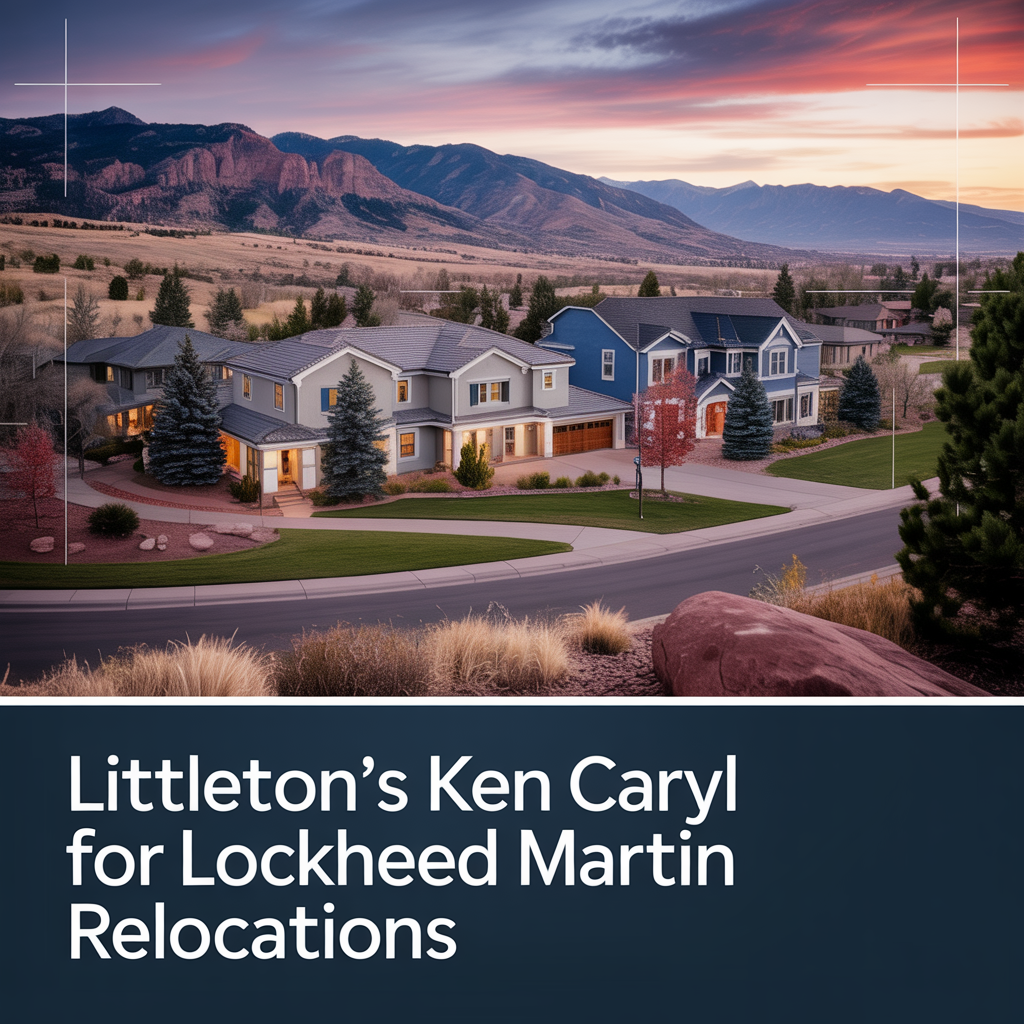
Littleton’s Ken Caryl for Lockheed Relocations
This is part of Lockheed Martin Relocation → [Lockheed Martin Relocation Hub] & the larger Denver Relocation Hub → [Denver Relocation Hub] Written by: Chad Cabalka Ken Caryl is one of the best-kept “family first” relocation options for Lockheed Martin employees who want foothills scenery, strong neighborhood appeal, and a real suburban lifestyle that still feels connected…


Centennial & Parker for Lockheed Relocations
This is part of Lockheed Martin Relocation → [Lockheed Martin Relocation Hub] & the larger Denver Relocation Hub → [Denver Relocation Hub] Written by: Chad Cabalka Centennial and Parker are two of the smartest suburban choices for Lockheed Martin employees relocating with families because they give you a strong balance of commute flexibility, good neighborhood variety, and…

Highlands Ranch for Family-Friendly Lockheed Relocations
This is part of Lockheed Martin Relocation → [Lockheed Martin Relocation Hub] & the larger Denver Relocation Hub → [Denver Relocation Hub] Written by: Chad Cabalka Highlands Ranch is one of the strongest choices for Lockheed Martin employees relocating with families because it delivers exactly what most parents want after a big move: stable neighborhoods, strong community…