



This is part of the Denver Metro Relocation Guide → [Relo Guide]
Colorado’s winters bring snow and shorter days, but for Midwest buyers accustomed to harsh seasons back home, the real concern lies in avoiding that trapped feeling. Suburbs around Denver that maintain easy access to urban amenities, reliable roads, and community hubs stand out as practical choices. These areas deliver connectivity without the isolation that can unsettle newcomers from Chicago or Minneapolis.
Understanding Isolation Risks for Midwest Relocators
Midwest buyers often relocate seeking milder weather and economic opportunities, yet Colorado’s Front Range winters test perceptions of accessibility. Snowfall accumulates quickly in the high plains and foothills, closing rural roads and limiting outings. Suburbs distant from plowed interstates or light rail feel cut off when storms hit, amplifying cabin fever familiar from flatland winters.
Proximity to major highways like I-25 and I-70 matters most, as these corridors receive priority clearing by CDOT. Areas with dense retail clusters, hospitals, and grocery options reduce reliance on long drives. For those from grid-based Midwest cities, Denver suburbs with orthogonal street grids and frequent bus routes replicate the “always-open” infrastructure they know.
Top Suburbs with Wintertime Connectivity
Littleton: Southern Access Without Seclusion
Littleton sits south of Denver along C-470, offering Midwest buyers a direct link to downtown via cleared highways. US-85 and Santa Fe Drive stay navigable even after heavy snow, connecting residents to Aspen Grove shopping center and Littleton Hospital within minutes. This setup prevents the isolation of more remote southern suburbs like Parker during multi-day storms.
Ownership costs here reflect reliable access: median single-family homes hover around $650,000, with lower utility bills than mountain towns due to flatter terrain and natural gas prevalence. Buyers from Iowa or Nebraska appreciate the established neighborhoods like Ken Caryl, where plowed paseos lead to neighborhood markets, mirroring suburban Midwest layouts.
Westminster: Northern Reliability for Daily Needs
North of Denver, Westminster provides I-25 and US-36 corridors that crews prioritize, ensuring commutes to Broomfield or downtown remain feasible. The area’s Westminster Promenade and FlatIron Crossing mall draw locals year-round, stocked with essentials and open despite weather. For Midwest families, this mirrors the big-box accessibility of Omaha or Des Moines suburbs.
Winter isolation fades with light rail extensions reaching from Union Station, a boon for dual-income households avoiding snowy drives. Housing stock includes mid-century ranches and newer townhomes, priced from $500,000 to $800,000, balancing affordability with proximity to Thornton’s medical centers. Commute patterns favor Sheridan Boulevard, kept clear for access to schools and rec centers.
Arvada: Western Edge with Urban Backup
Arvada blends old-town charm with I-76 and Ward Road plowing, keeping it tethered to Denver’s core. Residents reach Olde Town Arvada’s restaurants and Majestic View Park easily, even mid-blizzard, thanks to arterial roads designed for heavy traffic. Midwest buyers value this over foothills spots like Evergreen, where winding canyons trap drivers.
The suburb’s grid echoes Midwest planning, with Ralston Creek trails cleared for walks and community events sustaining social ties. Home prices center on $600,000 for updated bungalows, supported by stable appreciation from consistent demand by relocators. Denver’s skyline views come without the 30-mile hauls that isolate Wheat Ridge’s outskirts.
Why Infrastructure Trumps Elevation for Winter Comfort
Elevation above 6,000 feet amplifies snow loads and road closures, a reality lost on sea-level Midwest planners. Suburbs hugging the plains—Littleton at 5,600 feet, Westminster at 5,400—shed precipitation faster, with sunnier afternoons melting accumulations. Foothills enclaves like Conifer demand AWD vehicles and chains, raising insurance by 15-20% over plains homes.
CDOT data underscores plowing priorities: I-25 from Castle Rock to Fort Collins gets 24/7 attention, while local roads in Highlands Ranch lag during peaks. Midwest buyers prioritize this for school runs and errands, avoiding the multi-hour delays that define Golden winters. Light rail from Aurora to Westminster covers 40 miles, operational post-storm, easing car dependency.
Buyer Behavior Shifts in Snow-Prone Markets
Midwest relocators scrutinize commute times via Google Maps’ worst-case scenarios, factoring 30% buffers for snow. They favor suburbs with multiple route redundancies, like Arvada’s links via I-70 or McIntyre Street. Psychological comfort stems from visible activity: Walmarts and King Soopers lit up at night signal normalcy absent in exurban Aurora fringes.
Ownership costs layer in: Plains suburbs average $4,500 annual property taxes on $600,000 homes, plus $200 monthly HOA for snow removal in newer developments. Buyers weigh this against Midwest baselines, where isolation meant self-shoveling but endless drives. Colorado’s gas taxes fund superior clearing, yet buyer psychology demands proof via neighborhood walkthroughs in January.
Comparing Key Suburbs Side-by-Side
This table highlights why plains-adjacent picks outperform higher, sprawlier options. Prices reflect 2026 balances, with modest 3-5% appreciation expected.
Housing Stock and Long-Term Value in Connected Areas
These suburbs boast diverse inventory: Littleton’s 1970s splits offer basements for storage, ideal for Midwest packers. Westminster’s new builds include ADUs for aging parents, a trend among relocators. Arvada preserves historic stock, appreciating steadily from urban proximity without luxury premiums.
Winter resilience boosts resale: Homes near cleared arterials sell 10-15 days faster than isolated comps. Buyers factor lifetime costs—plowing fees, higher fuel for AWD—opting for natural-gas heated ranches over electric foothill moderns. Evergreen appeal fades for families prioritizing school buses over views.
Navigating Purchases in a Balanced 2026 Market
Colorado’s market tilts buyer-friendly this winter, with homes lingering 45-65 days and concessions common. Midwest shoppers leverage this, requesting snow contracts in offers. Agents stress pre-inspections for roof pitch and drainage, preventing melt-induced floods common in older stock.
Relocators test-drive snowy commutes via virtual tours or January visits, confirming plowing efficacy. Financing at 5.9-6.3% favors larger down payments, preserving cash for closing costs inflated by relocation. Suburbs like these yield 4.3 months’ supply statewide, empowering negotiation.
Ownership Costs Beyond the Sticker Price
Annual expenses define viability: $8,000-10,000 property taxes, $2,500 insurance (plains rates), and $1,800 utilities reflect snow realities. HOAs in Westminster cover sidewalks, a relief versus Midwest self-reliance. Fuel efficiency matters on I-25 crawls, where hybrids save $500 yearly over SUVs mandatory in hills.
Midwest buyers calculate total yield: Lower miles driven near amenities offset higher per-gallon costs. Appreciation holds at 3-5% metro-wide, rewarding patient holders in connected zones.
In Denver’s suburbs, winter isolation hinges on engineered access, not just snowfall totals. Midwest buyers thrive in Littleton, Westminster, and Arvada, where roads, rails, and retail sustain daily life amid storms. These choices prioritize practicality, ensuring Colorado’s seasons enhance rather than hinder ownership.
Reach out to me today for personalized insights on these suburbs and to tour properties that match your relocation needs.
Get the full Denver Market Insights → [Market Insights]


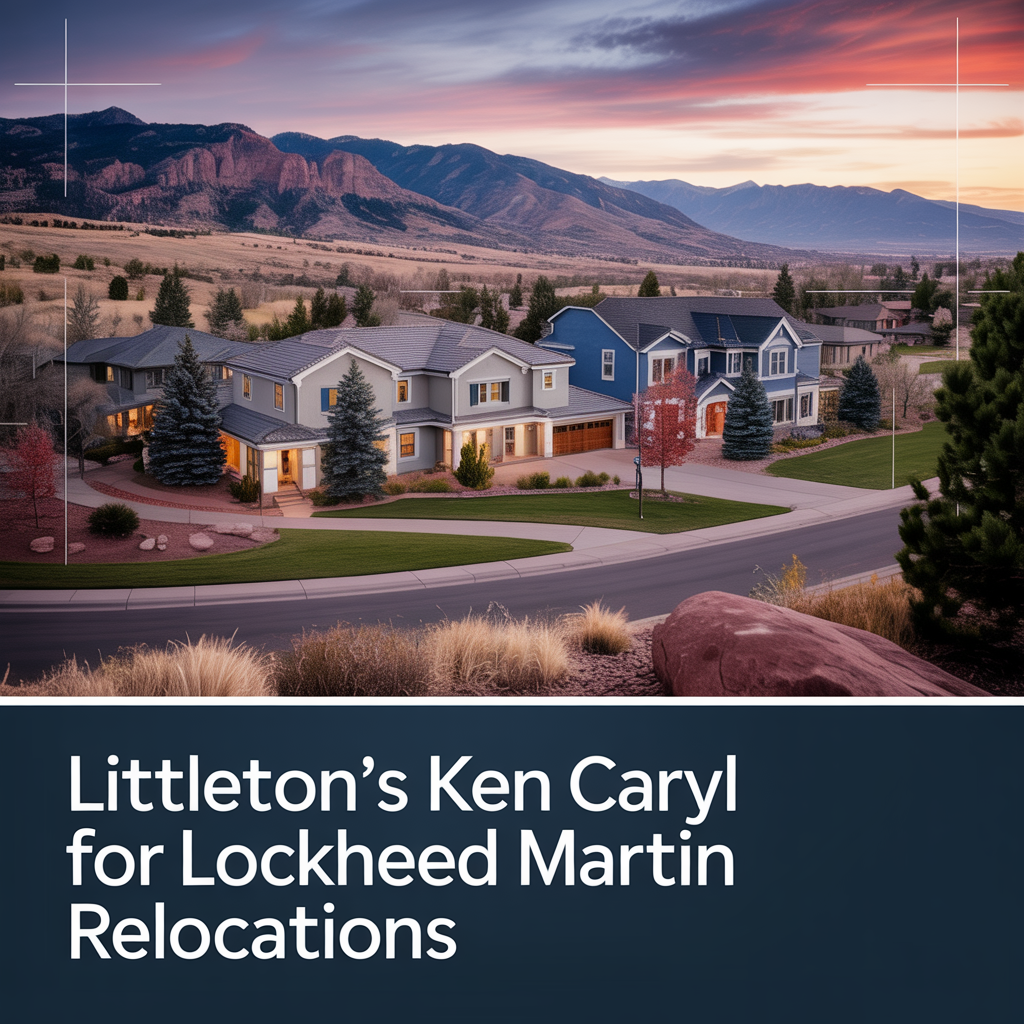
Littleton’s Ken Caryl for Lockheed Relocations
This is part of Lockheed Martin Relocation → [Lockheed Martin Relocation Hub] & the larger Denver Relocation Hub → [Denver Relocation Hub] Written by: Chad Cabalka Ken Caryl is one of the best-kept “family first” relocation options for Lockheed Martin employees who want foothills scenery, strong neighborhood appeal, and a real suburban lifestyle that still feels connected…


Centennial & Parker for Lockheed Relocations
This is part of Lockheed Martin Relocation → [Lockheed Martin Relocation Hub] & the larger Denver Relocation Hub → [Denver Relocation Hub] Written by: Chad Cabalka Centennial and Parker are two of the smartest suburban choices for Lockheed Martin employees relocating with families because they give you a strong balance of commute flexibility, good neighborhood variety, and…

Highlands Ranch for Family-Friendly Lockheed Relocations
This is part of Lockheed Martin Relocation → [Lockheed Martin Relocation Hub] & the larger Denver Relocation Hub → [Denver Relocation Hub] Written by: Chad Cabalka Highlands Ranch is one of the strongest choices for Lockheed Martin employees relocating with families because it delivers exactly what most parents want after a big move: stable neighborhoods, strong community…