



This is part of the Denver Metro Relocation Guide → [Relo Guide]
In Colorado’s competitive housing market—especially across the Denver metro area—many buyers initially focus on the numbers: square footage, bedroom count, and price per foot. These metrics are easy to compare, track, and justify. Yet over decades of market cycles, one truth consistently holds: homes with superior architecture and design tend to outperform larger but less thoughtfully built properties. This pattern reflects not only aesthetics but how Coloradans live, commute, and invest for the long term.
The Context: Space Is Abundant, Livability Is Scarce
Unlike older coastal metros where land scarcity drives every square foot’s cost, Denver is defined by balance—between open space and urban growth, access and privacy, mountain views and daily convenience. Many neighborhoods developed during different economic eras, which means the region’s housing stock ranges from compact 1950s ranches in Englewood and Arvada to modern infill homes in Sloan’s Lake or Hilltop that maximize vertical space and energy efficiency.
Buyers relocating from denser markets often assume “bigger means better value” because it feels like a luxury compared to smaller city homes elsewhere. Locals who’ve been through a few market cycles, however, tend to value how a home feels more than its raw dimensions. That feeling—created by thoughtful floor plans, natural light, and architectural integrity—dictates both market desirability and long-term resilience in pricing.
Architecture Shapes Function—and Function Drives Value
Architecture is not just visual style. It dictates traffic flow, spatial relationships, and where light enters a home. A well-designed 2,000-square-foot property with an efficient layout, distinct zones, and cohesive ceiling heights can live larger and more comfortably than a 2,800-square-foot home with awkward hallways and underused loft spaces.
In Denver’s family-driven submarkets—Littleton, Highlands Ranch, and Castle Rock—this distinction matters. Buyers here often prioritize how daily routines function: a mudroom that connects logically to the garage, or a kitchen oriented toward open gathering spaces instead of isolated corners. Homes that support modern living patterns sell faster and command higher price-to-foot premiums because they communicate intentional design, not just volume.
Why Denver Buyers Care About Design Quality
Denver’s buyer psychology has evolved. High earners in industries like technology, healthcare, and finance often work partially from home. They prefer homes that are spatially efficient, daylit, and flexible—allowing for shared family spaces and private offices. This makes architectural flow essential.
Moreover, with relatively high ownership costs (property taxes, utilities, and deferred maintenance), buyers look beyond curb appeal. They study how rooflines manage snow, where sun exposure lands on patios, and whether window placement invites natural warmth in winter months. Good architecture quietly handles these practical demands, reducing long-term costs while improving comfort. Square footage alone doesn’t achieve that.
The Influence of Denver’s Geography and Climate on Design
Denver’s 5,280-foot elevation and four-season climate drive certain design adaptations that flatland transplants sometimes overlook. Architecturally sound homes use materials and layouts suited for temperature swings and intense UV exposure. Deep roof overhangs, shaded outdoor living zones, and energy-efficient window configurations often add more real-world livability than an extra 200 square feet of interior space.
Neighborhoods like Cherry Creek North, Washington Park, and The Highlands exhibit how architectural quality interacts with setting. Narrow urban lots demand verticality and creative light access, while foothill-edge areas like Golden or Ken Caryl reward design that frames mountain vistas without overexposing interiors to afternoon heat. These homes sell on experience, not just dimension.
Architectural Cohesion and Long-Term Market Performance
Over time, architecture impacts not only a single home’s value but entire neighborhoods’ identity. Communities with consistent and intentional design principles—think Stapleton (now Central Park) or Observatory Park—maintain stronger appreciation rates than areas dominated by disjointed remodels and mismatched additions. That’s because buyers trust what they’re purchasing: architectural predictability signals stability and pride of ownership.
Appraisers, too, consider design integrity. While they quantify square footage, they also measure “functional utility.” A poorly converted basement or excessive addition can reduce perceived livability, even if it adds measurable size. Conversely, a modestly scaled mid-century modern home, preserved with period-appropriate details, may outperform larger contemporaries because it resonates with Denver’s enduring design culture.
Why Larger Is Not Always Better in Practice
Within Denver County and its near suburbs, homes built between 1990 and 2010 often emphasized size over design efficiency. Two-story suburban properties with extensive but awkward floor plans filled much of Aurora, Parker, and Highlands Ranch during the housing expansion years. Many have since required costly updates to align with current preferences for open plans, natural light, and indoor-outdoor flow.
Today’s buyers are more discerning. They often prioritize proportion—a home that feels balanced and adaptable. A 2,000-square-foot property with quality finishes, architectural coherence, and privacy-conscious layout frequently competes directly with homes several hundred square feet larger. In fast-moving markets where cost per square foot rises quickly, intelligent design becomes an equity multiplier.
Architectural Styles That Endure in Colorado
Certain architectural traditions continue to hold value across decades because they resonate with local context and weather realities.
- Mid-century modern: Found in neighborhoods like Krisana Park and Arapahoe Acres, these homes emphasize horizontal lines, exposed materials, and a seamless connection to outdoor spaces—ideals aligned with Colorado’s sunlight and topography.
- Craftsman and contemporary: Popular in central Denver and inner-ring suburbs, they appeal to buyers who value visible craftsmanship, front-porch community, and human scale.
- Mountain modern: Increasingly sought in western suburbs like Golden, Evergreen, and Morrison, this style integrates stone, wood, and large glazing to blend with the natural environment.
- Urban infill moderns: Along the central corridor (LoHi, Berkeley, Sunnyside), modern infill architecture showcases open layouts and sustainable materials while maintaining compatibility with walkable neighborhood grids.
What makes these styles enduring is not trendiness but authenticity—they suit both the environment and the daily lifestyle Denver supports.
Architecture and Energy Performance
Energy efficiency has become a major lens through which buyers assess long-term cost and comfort. Architecture dictates much of a home’s performance potential: passive solar design, logical thermal zones, and appropriate insulation depend heavily on the architect’s intent rather than later retrofits.
Colorado’s energy benchmarking programs and local building codes increasingly reward design efficiency. Proper orientation—especially on south-facing lots—can significantly cut winter heating needs. Similarly, cohesive window and roofline design helps preserve indoor temperatures during intense summer sun. These qualities rarely appear in listing data but show up in buyers’ perceptions once they tour a property. A home that feels comfortable year-round retains emotional value long after comparable larger homes age inefficiently.
Resale Dynamics: Design Predicts Market Liquidity
The resale market consistently reveals how architecture drives liquidity. Homes with distinct, well-proportioned architecture—whether a century-old Denver Square or a thoughtfully remodeled bungalow—attract quicker, stronger offers. Larger but generic homes often spend more time on market, drawing negotiations around perceptions of inefficiency or over-improvement for the neighborhood.
Buyers implicitly trust good design. It signals care, competence, and enduring livability. In contrast, excess size without proportional design hints at deferred thought. When inventory levels tighten, that trust differential often becomes the deciding factor—especially among well-informed buyers who care about location, commute efficiency, and emotional coherence rather than “more house” for its own sake.
The Suburban Shift and its Architectural Implications
Denver’s continued regional expansion—south toward Castle Rock, north toward Erie and Broomfield, and west into mountain foothills—has increased demand for architectural diversity. Remote work flexibility allows households to prioritize design expression over proximity to downtown, leading to renewed interest in smaller custom homes on larger lots.
Builders who understand proportion, light, and material authenticity are finding an eager audience. In contrast, developments that still rely on mass-market footprints without architectural context risk early obsolescence. For relocating buyers, recognizing this divergence can mean the difference between a home that appreciates gracefully and one that competes on discount five years down the line.
Evaluating a Denver Home Beyond the Floor Plan
When assessing a property, thoughtful buyers often move past the listing sheet’s numbers to evaluate architectural fundamentals:
- Does the home’s orientation make sense for sunlight, privacy, and street approach?
- Is there consistency in materials, forms, and rooflines?
- Are spaces sized for function, not merely counted for marketing purposes?
- How does circulation flow between main living zones and private quarters?
- Does the exterior design complement its surroundings?
These questions help clarify whether a home’s size serves its design—or undermines it. In Denver’s maturing market, the answers often forecast longer-term stability and resale predictability.
Market Psychology: Why Buyers Perceive Quality Over Quantity
Architecture influences emotions as much as logic. Buyers sense harmony and proportion even if they can’t articulate it. High-quality design invites confidence, whereas oversized but disjointed layouts can feel uncomfortable despite objectively greater size. That subtle difference drives competitive offers and reduces price resistance.
In practical terms, buyers often pay more per foot for a home that “feels right.” In softer markets, those same homes hold value while surrounding inventory adjusts downward. This consistent pattern across decades is what makes architectural quality, not size, the true foundation of long-term performance in Denver’s housing market.
The Bottom Line: Design Is a Long-Term Asset
Denver’s future growth will continue to test how successfully the region balances space, affordability, and design quality. While square footage can be measured instantly, genuine livability—anchored in architecture—is what sustains value through economic cycles. Well-considered homes appeal to how people actually live in Colorado: active, connected, and conscious of climate.
Buyers who prioritize architectural integrity over excess space make more resilient investments. Sellers who understand this dynamic can position their homes not just by size, but by the quality of experience they offer. And over time, that distinction determines which properties become Denver classics—and which quietly fade from buyer memory.
If you’re planning to buy, sell, or relocate within the Denver metro area and want an informed perspective on how architectural quality shapes long-term property value, reach out to me for detailed insights specific to your neighborhood and goals. Thoughtful guidance today can mean stronger equity tomorrow.
Get the full Denver Market Insights → [Market Insights]


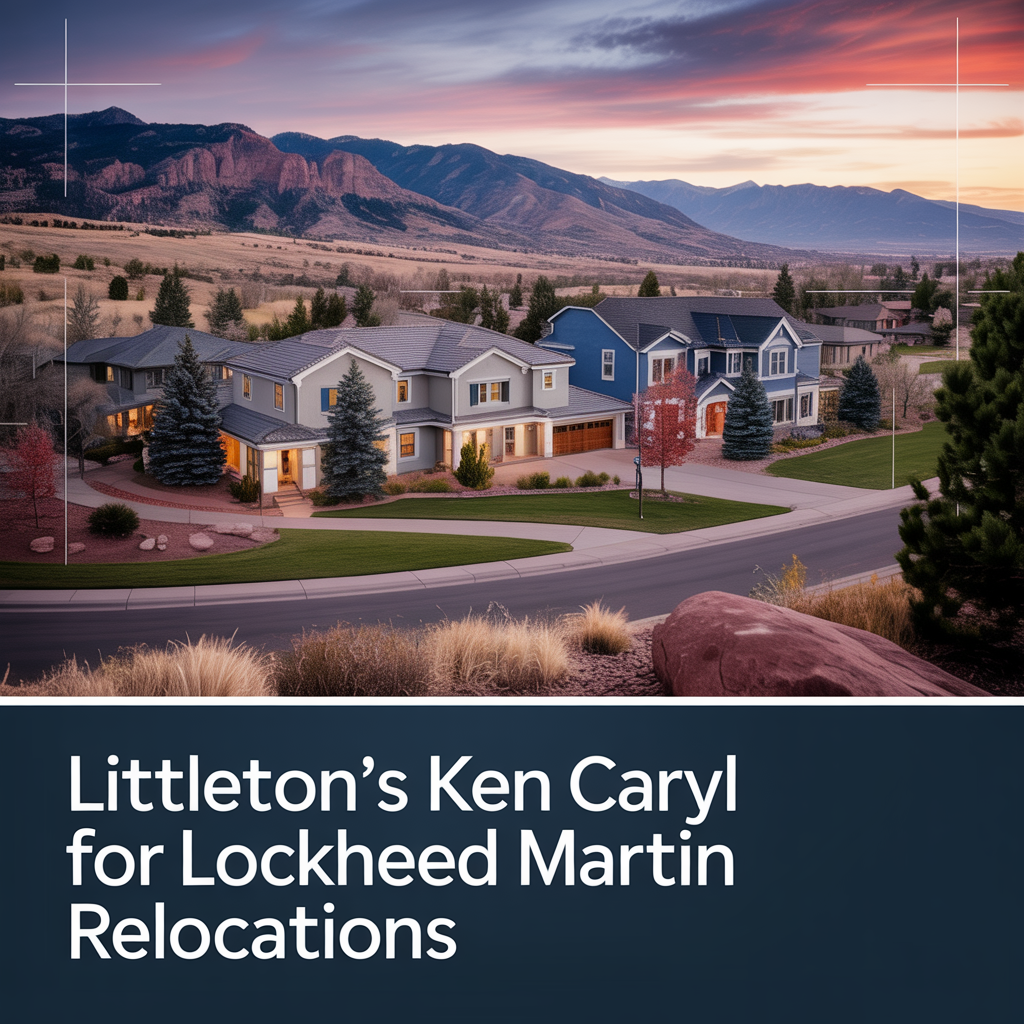
Littleton’s Ken Caryl for Lockheed Relocations
This is part of Lockheed Martin Relocation → [Lockheed Martin Relocation Hub] & the larger Denver Relocation Hub → [Denver Relocation Hub] Written by: Chad Cabalka Ken Caryl is one of the best-kept “family first” relocation options for Lockheed Martin employees who want foothills scenery, strong neighborhood appeal, and a real suburban lifestyle that still feels connected…

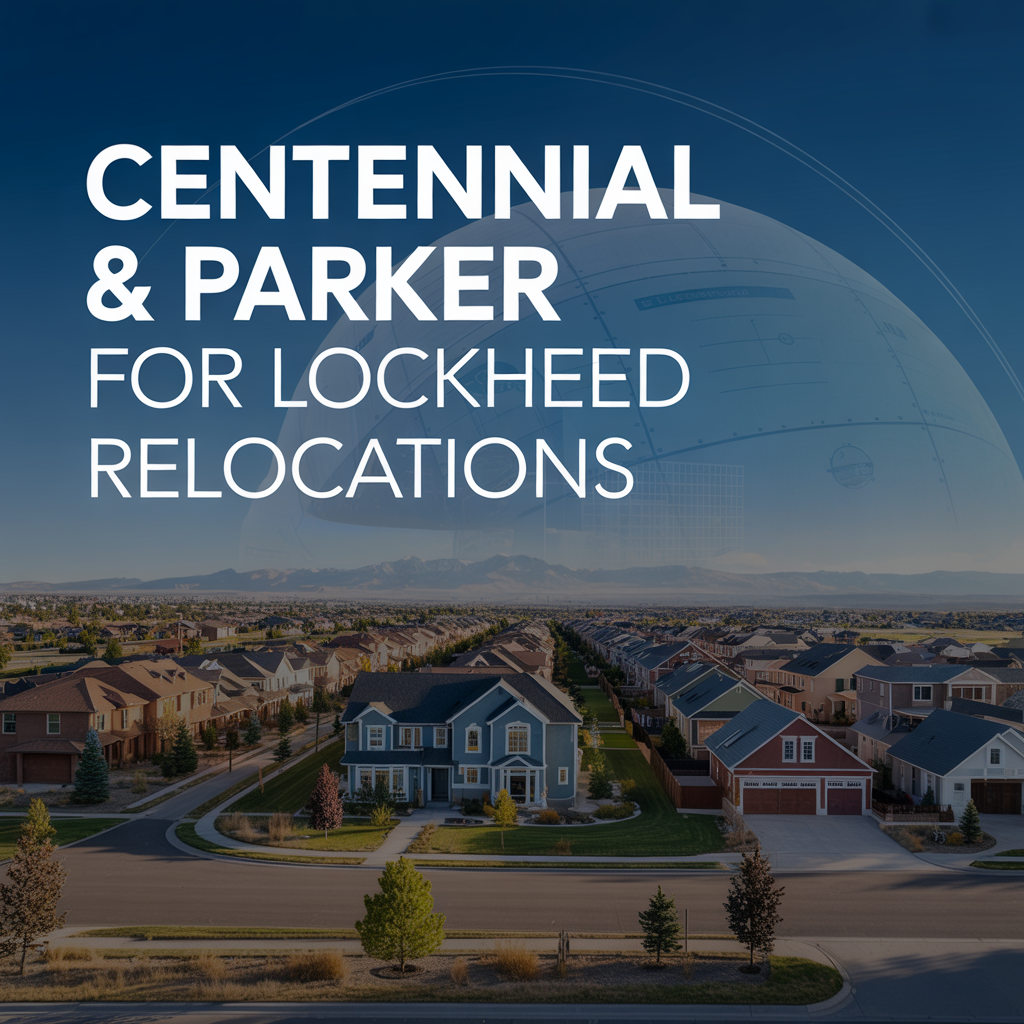
Centennial & Parker for Lockheed Relocations
This is part of Lockheed Martin Relocation → [Lockheed Martin Relocation Hub] & the larger Denver Relocation Hub → [Denver Relocation Hub] Written by: Chad Cabalka Centennial and Parker are two of the smartest suburban choices for Lockheed Martin employees relocating with families because they give you a strong balance of commute flexibility, good neighborhood variety, and…

Highlands Ranch for Family-Friendly Lockheed Relocations
This is part of Lockheed Martin Relocation → [Lockheed Martin Relocation Hub] & the larger Denver Relocation Hub → [Denver Relocation Hub] Written by: Chad Cabalka Highlands Ranch is one of the strongest choices for Lockheed Martin employees relocating with families because it delivers exactly what most parents want after a big move: stable neighborhoods, strong community…