



This is part of the Denver Lifestyle Hub→ [Lifestyle Hub]
Living in Denver means that even a weekday can include mountain air, trail dust, and views that make you pause. One of the defining features of day-to-day life here is how easily residents integrate the outdoors into their routines. The city’s proximity to the foothills offers dozens of hikes within a half hour of most neighborhoods — something that quietly shapes how people choose where to live and how they value their time.
Outdoor access isn’t just about recreation; it’s a lifestyle marker that consistently affects property decisions, commute trade-offs, and long-term satisfaction for homeowners. Buyers relocating from coastal cities often see Denver’s trail network as more than a bonus — it’s an essential part of what makes the metro area worth calling home.
Why Proximity to Trails Matters for Denver Homeowners
For many Denver buyers, trail access functions like a form of neighborhood infrastructure. Just as someone in a walkable urban neighborhood values coffee shops or transit stops, homeowners in Jefferson County or southwest Denver weigh how quickly they can reach open space.
The pattern is clear: homes near major trailheads in Golden, Morrison, or Castle Pines tend to hold value well over time. Proximity to recreation areas like Green Mountain or Deer Creek Canyon doesn’t always drive higher prices per square foot, but it supports steadier demand — a meaningful distinction in slower market cycles.
Outdoor access also influences lifestyle satisfaction. Residents who can escape to an after-work trail run or weekend family hike without a long drive tend to stay rooted in their neighborhoods longer. That sense of connection between home and environment is one of Denver’s strongest lifestyle assets.
Understanding the Geography of Denver’s Trail Access
Unlike mountain towns further west, Denver sits on the edge of the plains. The metro area’s western rim — from Golden through Morrison to Littleton — functions as the city’s recreational gateway. These foothill zones combine quick highway access with proximity to well-maintained open spaces.
For buyers comparing locations, it helps to visualize these three general corridors:
- Northwest Corridor (Golden, Arvada) – Close to Lookout Mountain and White Ranch Park, this area offers shorter commutes to Boulder and tech centers along U.S. 36.
- Southwest Corridor (Morrison, Littleton, Ken Caryl) – Known for Red Rocks trails and mountain-view neighborhoods, it balances outdoor access with suburban infrastructure.
- South Corridor (Highlands Ranch, Castle Pines) – Rolling open space, wildlife corridors, and trail systems near Daniels Park and Bluffs Regional Park make these ideal for families seeking open views and modern amenities.
Each corridor offers a different blend of housing stock, commute patterns, and access to nearby trailheads — factors worth integrating early into a relocation or purchase plan.
Top Hikes Within 30 Minutes of Denver
Green Mountain (William F. Hayden Park, Lakewood)
Green Mountain offers one of the most accessible true foothill experiences close to the city. Its 6.5-mile loop features panoramic views of downtown Denver and the Front Range. From many west-side neighborhoods, you can be on the trail in under 20 minutes — an advantage that keeps this area popular with both first-time buyers and long-term owners.
For real estate purposes, Green Mountain’s surroundings are interesting: the housing mix includes 1970s mid-modern ranches and newly renovated foothill homes, many with direct trail access. These properties often appeal to buyers seeking the intersection of affordability and outdoor integration.
Mount Falcon (Morrison)
Mount Falcon’s network offers several tiers of difficulty — from shorter loops like the Castle Trail to endurance routes climbing nearly 2,000 feet of elevation. More importantly, it’s a defining feature of the Morrison and west Littleton lifestyle.
Neighborhoods along this corridor attract active professionals who want mountain leisure without the logistics of living in the high country. Homes with easy access to Mount Falcon or Red Rocks often command premium interest from buyers relocating from California or Arizona who value instant access to trailheads over larger lot sizes.
Red Rocks Trail (Morrison)
Known for its dramatic red sandstone formations, Red Rocks is more than a concert venue. The connecting trail system weaves through geological formations unique to the Front Range. Early mornings before shows or events are especially peaceful — a quiet reminder that Denver residents live within reach of one of Colorado’s most iconic landscapes.
For investors or second-home buyers, properties near Red Rocks Park retain steady rental demand, particularly for executives seeking short-term stays that balance convenience with outdoor appeal.
Lookout Mountain (Golden)
Few trails represent the Denver lifestyle as perfectly as Lookout Mountain. The climb from Beverly Heights Park rewards hikers with clear views across Golden and the entire metro area. It’s demanding but accessible — a metaphor for how many locals view Denver itself: ambitious, yet grounded in everyday nature.
Golden has long been one of the region’s most stable submarkets. Compact, walkable neighborhoods combined with cultural institutions like the Colorado School of Mines keep housing demand durable. Add in trail proximity, and these homes rarely sit long on the market.
South Valley Park (Ken Caryl)
Just south of Morrison, South Valley Park features smooth red outcrops and looping trails that feel remote yet remain minutes from major arterial roads. The surrounding Ken Caryl neighborhoods offer well-established homes with access to private open space managed by the local ranch community association.
This model — where planned developments integrate trail systems, maintained open space, and community facilities — has quietly shaped suburban growth across the Denver metro region. For those who want the predictability of suburban infrastructure with the scenery of mountain living, Ken Caryl consistently delivers both.
Waterton Canyon (Southwest Littleton)
Waterton Canyon runs deep into the foothills along the South Platte River, doubling as the gateway to the Colorado Trail. Its gradual grade makes it family-friendly and ideal for cycling. Regular wildlife sightings — including bighorn sheep — keep it distinct among Denver’s close-in options.
Nearby, the Chatfield area offers one of the few zones where acreage properties remain within reasonable commuting distance of downtown. Buyers here value space and natural adjacency, often prioritizing environmental surroundings over newer construction.
Bluffs Regional Park (Lone Tree)
Bluffs Regional Park, perched above Lone Tree and Highlands Ranch, delivers expansive views across the Front Range and the Denver Tech Center. Its wide, smooth trails suit morning runs and after-dinner walks alike.
The surrounding master-planned suburbs embody a newer segment of Denver’s market: homes built post-2000 with direct trail connections and access to high-performing schools. These areas appeal strongly to buyers in their mid-career stage — professionals who want both recreation and low-maintenance living.
How Outdoor Access Shapes Property Decisions
Outdoor proximity has become an informal metric for evaluating value retention and livability. While features like updated finishes or energy efficiency are universal draws, trail connectivity supports resilience against broader market cycles. Even in slower economies, neighborhoods that maintain daily access to open space tend to see consistent buyer interest.
For relocation clients, outdoor access also helps ease cultural transition. Moving from regions with longer commutes or fewer natural amenities, new residents find that trails lend rhythm and routine to daily life. This is often the intangible factor that turns a relocation into a permanent home base.
From a long-term ownership perspective, outdoor infrastructure acts much like a civic investment. Parks departments across Jefferson, Douglas, and Arapahoe counties actively maintain and expand trail systems, reinforcing regional identity and market stability. These investments indirectly support local property values by keeping Denver’s “quality-of-life index” high — a metric that continues to attract both employers and transplants.
The Emotional Undercurrent of Living Near Nature
Denver’s connection to the outdoors isn’t performative — it’s habitual. Many residents step onto a trail before most coastal commuters finish their first cup of coffee. That regular exposure to open sky and shifting light builds more than physical health; it strengthens place attachment.
In real estate terms, place attachment often translates into longer tenure, better neighborhood engagement, and thoughtful home stewardship. When people feel anchored to their surroundings, they maintain and invest in their homes differently. This dynamic helps explain why many west-metro neighborhoods show consistent reinvestment cycles: homeowners stay, renovate, and reinvest rather than churn every few years.
What Buyers Should Keep in Mind
When evaluating proximity to trails, consider three practical factors beyond distance:
- Accessibility, not just adjacency. A house near open space might still require crossing busy roadways or dealing with limited trailhead parking. Visit during different times of day to understand actual usability.
- HOA and land-use boundaries. Some subdivisions have controlled access or trail easements; others rely on public facilities. Review these details early in due diligence.
- Maintenance and land management. Denver-area open spaces are exceptionally well-run, but fire mitigation, seasonal closures, and wildlife regulations occasionally influence access or development rights.
Understanding these nuances upfront prevents surprises later — and helps ensure that the outdoor lifestyle you envision matches the home you choose.
Living Denver’s Day-to-Day Balance
Life in Denver isn’t about escaping to the mountains; it’s about integrating them. Those foothill views on the morning commute, that quick after-work trail loop, or the weekend family walk before lunch in Golden — they all add texture to daily life.
This balance between urban convenience and wilderness adjacency is what makes the Denver metro area distinctive among American cities. It’s neither purely suburban nor strictly metropolitan; instead, it’s a continuous landscape of neighborhoods threaded by trails, recreation hubs, and preserved open space. The result is a real estate environment where lifestyle value and long-term investment often align.
Closing Thoughts
Whether you live in a west-side townhouse, a Highlands Ranch family home, or a Golden bungalow, the ease of stepping onto a trail in minutes defines what it means to live in the Denver metro area. These close-in hikes are more than weekend diversions — they’re extensions of the local way of life and a subtle but powerful factor shaping real estate value.
If you’re exploring a move, weighing neighborhoods, or simply curious how outdoor access fits into your long-term real estate strategy, reach out to me for a local perspective rooted in decades of living and working in Denver. I can help clarify where lifestyle and market fundamentals meet — and guide you toward a home that fits both.
Get the full Denver Market Insights → [Market Insights]


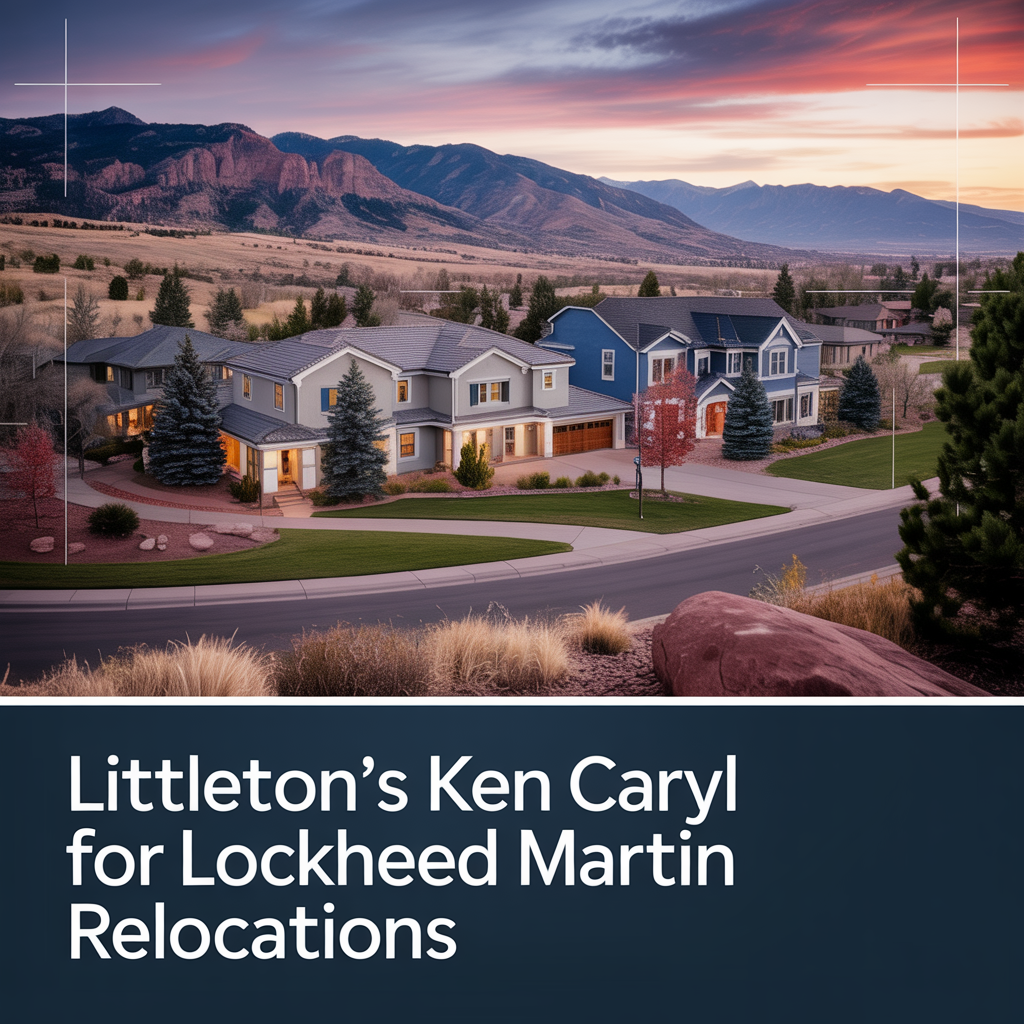
Littleton’s Ken Caryl for Lockheed Relocations
This is part of Lockheed Martin Relocation → [Lockheed Martin Relocation Hub] & the larger Denver Relocation Hub → [Denver Relocation Hub] Written by: Chad Cabalka Ken Caryl is one of the best-kept “family first” relocation options for Lockheed Martin employees who want foothills scenery, strong neighborhood appeal, and a real suburban lifestyle that still feels connected…


Centennial & Parker for Lockheed Relocations
This is part of Lockheed Martin Relocation → [Lockheed Martin Relocation Hub] & the larger Denver Relocation Hub → [Denver Relocation Hub] Written by: Chad Cabalka Centennial and Parker are two of the smartest suburban choices for Lockheed Martin employees relocating with families because they give you a strong balance of commute flexibility, good neighborhood variety, and…

Highlands Ranch for Family-Friendly Lockheed Relocations
This is part of Lockheed Martin Relocation → [Lockheed Martin Relocation Hub] & the larger Denver Relocation Hub → [Denver Relocation Hub] Written by: Chad Cabalka Highlands Ranch is one of the strongest choices for Lockheed Martin employees relocating with families because it delivers exactly what most parents want after a big move: stable neighborhoods, strong community…