



This is part of the Denver Lifestyle Hub→ [Lifestyle Hub]
Living in Denver means the outdoors is not something you “visit.” It’s integrated into the daily rhythm of life. From front yards that face the Rockies to lunchtime rides on the Cherry Creek Trail, the city’s geography interacts with real estate in ways few markets can match. Proximity to trails, greenbelts, and regional parks doesn’t just influence recreation; it affects home values, commute choices, and property demand.
For buyers coming from other metros—Chicago, Dallas, or Los Angeles—the Colorado lifestyle often feels aspirational. But to those who live here, it’s simply normal. The decisions people make about neighborhoods, home size, and budget evolve alongside trail maps and weather patterns. Understanding that connection is critical for long-term ownership satisfaction and equity growth.
Living in a City Built for Fresh Air
Denver’s relationship with the outdoors begins inside the city limits. Despite steady urban growth, green space remains central to civic planning. Neighborhoods were intentionally designed around parks and creeks, not the other way around. This design philosophy carries financial weight: homes that back to open space, face west toward mountains, or sit near trail systems consistently outperform comparables without those features.
The park network that defines neighborhood character
Washington Park’s sprawling lawns and glistening lake anchor one of the city’s most stable markets. Cheesman Park adds historical charm and mature tree canopies that draw both first-time buyers and long-term residents. City Park, Denver’s largest urban park, borders neighborhoods where vintage charm aligns with ongoing renovation demand.
Buyers often underestimate how much micro-location within these green corridors matters. A home one block closer to the park loop or with a direct view corridor can carry a significant premium. It’s not just aesthetics—it’s access. In Denver, being able to walk or cycle from your front door to green space defines livability and resale stability.
The Trail Culture That Shapes Daily Movement
Denver’s trail network functions like a second road system. The Cherry Creek and South Platte River trails stretch through the downtown core and out into the suburbs, used year-round by commuters, runners, and cyclists. For locals, this shapes both lifestyle and housing logic.
Buyers often look beyond square footage or finishes and instead ask: “Can I ride to work or to a brewery without using my car?” That mindset influences housing preferences near RiNo, LoHi, or the Golden Triangle, where density meets direct trail access. Similarly, the suburban appeal of Littleton or Golden isn’t just about quiet streets—it’s about being minutes from the Platte River Trail or Clear Creek Path.
For sellers, highlighting trail connectivity is no longer marketing fluff. It’s part of the property’s infrastructure, comparable to a transit line in another city. The daily independence from congested commutes quietly drives value in a way Zillow algorithms can measure only indirectly—but buyers living here understand deeply.
The Foothills Within Reach
While Denver is not technically in the mountains, it’s close enough that residents measure distance by time rather than miles. The western suburbs—Lakewood, Golden, Morrison, and Evergreen—serve as transition zones between urban grid and alpine terrain.
Why proximity to the foothills matters
Owning a home 20 minutes from a trailhead changes how people use their weekends and structure their weeks. Short drives to Red Rocks, North Table Mountain, or Green Mountain create flexible recreation without requiring overnight planning. That ease of access has long-term economic implications: when lifestyle satisfaction is high, turnover is lower, and neighborhoods hold value through market cycles.
Suburban buyers in Lakewood or Golden often balance their desire for larger lots with practical proximity to work in downtown Denver or the Tech Center. The combination of foothill views, trail adjacency, and strong school systems forms one of the metro area’s most resilient demand clusters.
Water as a Defining Element
While most newcomers associate Denver with mountains, locals know that water features quietly structure the rhythm of outdoor life. Lakes and reservoirs—like Sloan’s Lake, Cherry Creek Reservoir, and Chatfield State Park—anchor recreation across all seasons.
Walkability around Sloan’s Lake draws strong condo and mid-century home demand. Cherry Creek Reservoir offers paddleboarding minutes from Greenwood Village, shaping family-oriented communities that value flexible weekend recreation without long mountain drives. Chatfield blends equestrian, boating, and hiking access, making southwest Denver suburbs attractive to those balancing work in the city with weekend escape.
Each water corridor subtly defines housing expectations. Properties near these ecosystems tend to hold appeal through demographic shifts because they serve multiple generations—young professionals, families, and empty nesters alike.
Four Seasons of Outdoor Life—and Ownership Realities
Unlike many markets, Denver’s outdoor appeal doesn’t fade seasonally. Instead, the activities shift with the calendar. Spring brings trail running and early paddleboard mornings; fall delivers crisp hiking weather that draws crowds up to Golden Gate Canyon or down the High Line Canal. Winter, while cold, remains active—dog parks fill on sunny days, and snow-shoeing or cross-country skiing in nearby parks replaces summer cycling routines.
Why this seasonal rhythm matters to buyers
For homeowners, this rhythm impacts how properties live over time. South-facing driveways, mudrooms, and garage storage for bikes or skis are not lifestyle luxuries—they’re functional necessities. These design features command quiet premiums, especially in homes marketed to active buyers accustomed to outdoor integration.
Landscape maintenance also reflects this pattern. Xeriscaping or native plant design is not just environmentally driven—it reduces upkeep across four distinct seasons. Understanding these practical rhythms helps buyers see beyond aesthetics to real daily convenience and cost.
Denver’s Urban Edge: Outdoor Living Without Leaving the City
While suburban trail access is valuable, many Denver neighborhoods offer an urban twist on outdoor living. The River North (RiNo) and Highlands neighborhoods, for instance, embody a blend of arts culture with direct connectivity to the South Platte River’s trail corridor. Residents can step from lofts or townhomes onto riverside cycling paths leading downtown or out toward Englewood.
In Capitol Hill and Congress Park, even small backyards double as outdoor rooms. Mature trees, older architecture, and walkable parks recreate what suburban buyers expect in compact form. Understanding how residents actually use space—the morning walk, the evening wine on a south-facing porch—helps investors gauge which micro-neighborhoods will sustain demand as urban density increases.
Outdoor lifestyle is not limited to proximity to mountains. It exists in how Denver integrates light, air, and movement into its daily urban design.
Regional Parks and Weekend Mobility
The Denver metro area’s network of regional open spaces—Jefferson County Open Space, Douglas County trails, and Arapahoe County’s protected lands—allows weekend mobility without resorting to I‑70 travel. Locals often favor Cherry Creek State Park or South Valley Park for shorter, flexible outings that avoid mountain traffic altogether.
This matters to home value because Denver’s buyer psychology rewards accessibility. During high-demand seasons, the ability to access outdoor recreation without extended drives supports retention and resale stability. Homes located near these regional access points perform consistently through market ups and downs because they fulfill the deeper motivation of “why Colorado” living: immediate, adaptable connection to nature.
Long-Term Value of an Outdoor-Oriented Economy
The Denver area’s outdoor identity also underpins long-term economic stability. Companies in technology, health, and engineering sectors often cite access to recreation as a hiring advantage. This demographic—educated, mobile, and lifestyle-motivated—forms the backbone of local homebuying activity.
Stable demand from this workforce supports a broad middle and upper‑middle housing market, particularly in areas offering strong school districts and recreation access. Unlike markets driven by tourism or speculative growth, Denver’s outdoor economy integrates directly into daily life and employment trends.
For homeowners, that translates into durable value: properties that serve both lifestyle and function tend to perform better across economic cycles, sustaining interest from new buyers even when rates rise or inventory shifts.
Everyday Living in an Outdoor City
To understand Denver is to understand balance—between urban vibrancy and natural quiet, personal ambition and evening trail runs, growth and preservation. The city’s success is not built on spectacle but on habits: morning walks, weekend hikes, or children playing in open greenways that cut through established neighborhoods.
These daily patterns are what buyers ultimately seek to join. They’re what sellers often underestimate when pricing the intangible strengths of a property. And they’re what long-term residents learn to appreciate most: that outdoor access is not a luxury, but a condition of local life.
A Seasoned Perspective
After decades of living, working, and analyzing Denver real estate, one truth remains clear—the outdoors is the foundation of our market psychology. Understanding how residents seamlessly blend work‑life balance, recreation, and mobility unlocks smarter investing and a deeper sense of belonging.
If you’re considering a move within the metro area or exploring your first Colorado home, reach out to me for a detailed, street‑by‑street perspective on where lifestyle and long-term value truly align. Personal context and local history matter here, and I’d be honored to help you navigate both.
Get the full Denver Market Insights → [Market Insights]


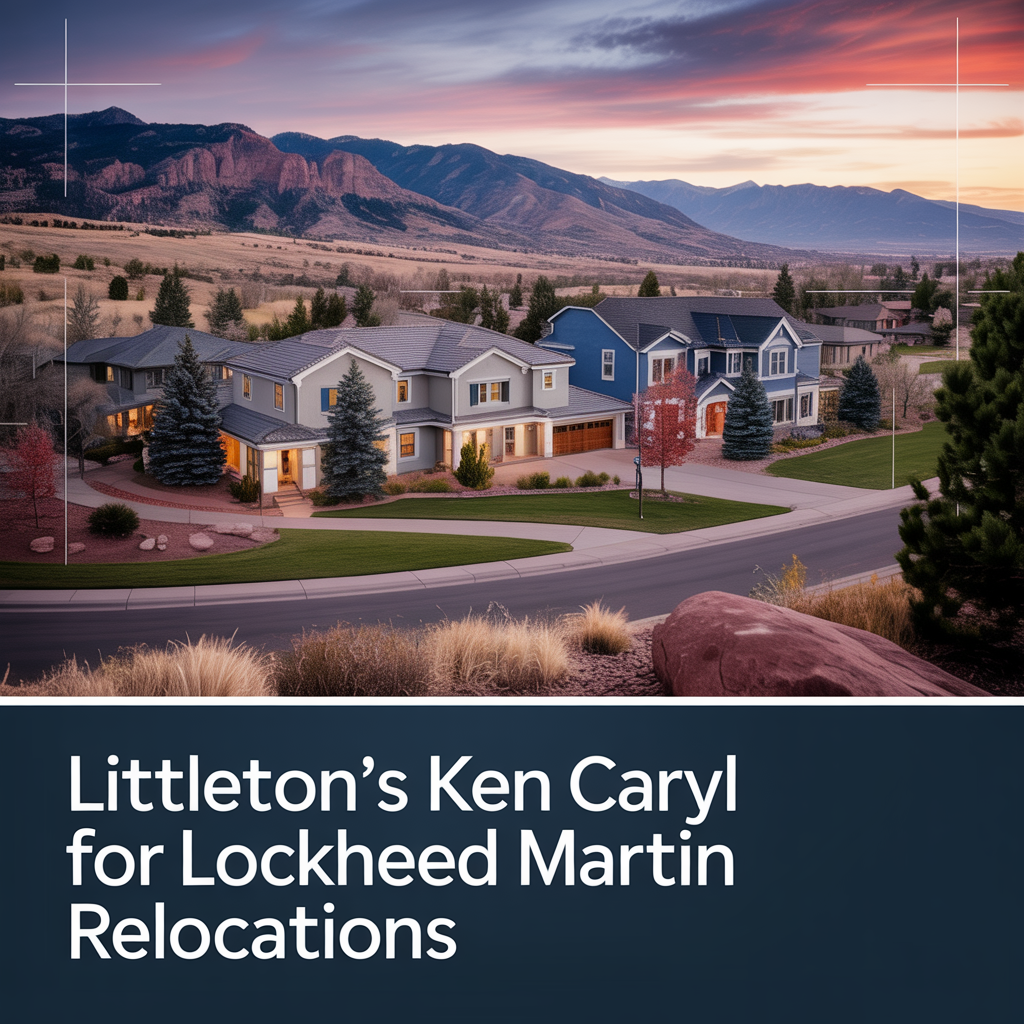
Littleton’s Ken Caryl for Lockheed Relocations
This is part of Lockheed Martin Relocation → [Lockheed Martin Relocation Hub] & the larger Denver Relocation Hub → [Denver Relocation Hub] Written by: Chad Cabalka Ken Caryl is one of the best-kept “family first” relocation options for Lockheed Martin employees who want foothills scenery, strong neighborhood appeal, and a real suburban lifestyle that still feels connected…

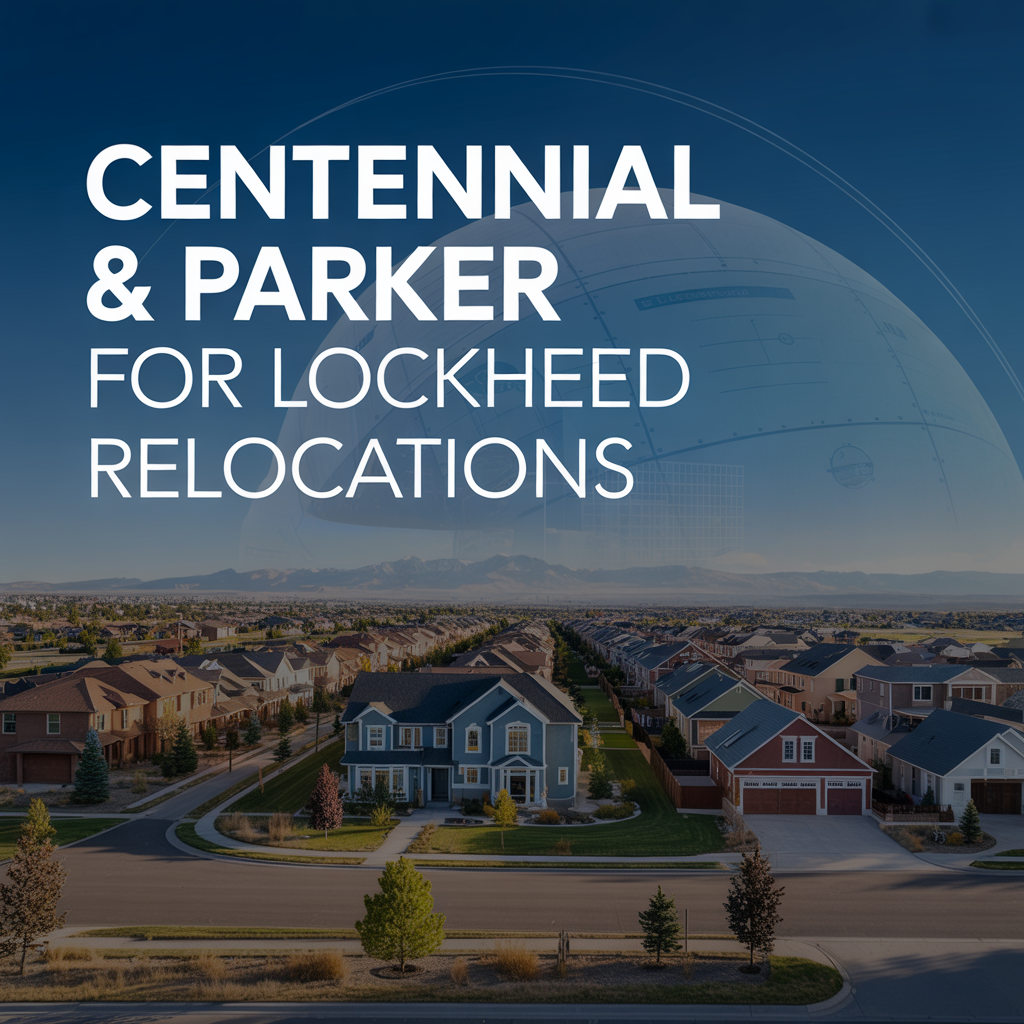
Centennial & Parker for Lockheed Relocations
This is part of Lockheed Martin Relocation → [Lockheed Martin Relocation Hub] & the larger Denver Relocation Hub → [Denver Relocation Hub] Written by: Chad Cabalka Centennial and Parker are two of the smartest suburban choices for Lockheed Martin employees relocating with families because they give you a strong balance of commute flexibility, good neighborhood variety, and…

Highlands Ranch for Family-Friendly Lockheed Relocations
This is part of Lockheed Martin Relocation → [Lockheed Martin Relocation Hub] & the larger Denver Relocation Hub → [Denver Relocation Hub] Written by: Chad Cabalka Highlands Ranch is one of the strongest choices for Lockheed Martin employees relocating with families because it delivers exactly what most parents want after a big move: stable neighborhoods, strong community…