



This is part of the Denver Lifestyle Hub→ [Lifestyle Hub]
Denver has always been a city best understood through its rhythm — clear mornings over the Front Range, packed light rail cars on gameday, and a collective pause on autumn Sundays when the Broncos take the field. The Broncos are not just another franchise here; they’re a civic pillar woven into the city’s timeline alongside the construction booms, oil surges, and waves of new arrivals that have redefined the metro area over the past few decades.
The organization’s recent discussions about building a new stadium have stirred widespread curiosity — not just among sports fans, but in real estate circles, neighborhood councils, and city hall. Because in Denver, where land, infrastructure, and community identity are tightly intertwined, a project of this scale isn’t simply about football. It has the potential to reshape property values, influence urban migration, and redefine entire districts the way Union Station and RiNo did a decade ago.
Understanding how and why those shifts could occur is essential for anyone owning or seeking property in the Denver metro area.
What the Proposed Stadium Represents
As of early 2026, the Broncos have floated several possible sites for a modern, multi-use stadium experience — one positioned not just for NFL games, but for concerts, events, and commercial development. Details remain in flux, but the principle is clear: they’re studying mixed-use integration that includes retail, hospitality, and potentially residential components around a publicly accessible year-round venue.
These “stadium districts” have become a blueprint in major cities: the Battery Atlanta (Braves), Titletown in Green Bay, and the area surrounding SoFi Stadium in Los Angeles. Each added new tax bases, denser housing opportunities, and entire micro-economies. Denver’s own history underscores how transformative these projects can be. Coors Field — which opened in 1995 in what was then a neglected warehouse corridor — effectively created today’s LoDo and, indirectly, helped spark ballpark-style redevelopment across the region.
While the Rockies haven’t produced much to cheer about lately, Coors Field remains one of Denver’s crown jewels — arguably the best “bar with baseball” in the country. The stadium works not just because of its design, but because it integrated seamlessly into the city grid, incentivizing walkability and catalyzing a generation of redevelopment. That ripple effect is precisely why the real estate community is watching the Broncos’ plans so closely.
Possible Locations and Their Real Estate Implications
Where the new stadium ultimately lands will determine who benefits, how development unfolds, and which existing communities face the most pressure. Three general scenarios are being discussed with varying levels of feasibility:
1. Reinvestment Near the Current Empower Field Site
Maintaining a location near the South Platte Valley has clear infrastructure advantages — light rail proximity, existing interstate access, and space for potential reconfiguration. However, the surrounding neighborhoods of Sun Valley, Lincoln Park, and Valverde are already in early stages of reinvention. A new stadium could accelerate that process, increasing land values and tightening rental markets as investors anticipate long-term commercial activity.
While this could enhance property values for existing owners, it raises ongoing questions about affordability and resident displacement. Buyers looking for early equity growth potential would likely focus on small multifamily or single-family properties in these transitional neighborhoods. Long-term investors, especially those with patience through initial construction phases, tend to view these zones favorably due to centralized location and multi-decade redevelopment potential.
2. A Suburban Relocation — Potentially West or North
Another rumored direction points toward surrounding municipalities that could offer larger parcels and easier parking — areas like Arvada, Wheat Ridge, or Commerce City. A suburban site could resemble the setup of Kansas City’s Truman Sports Complex or Glendale’s State Farm Stadium, where entertainment space and logistics take precedence over urban density.
If that happens, traffic patterns, infrastructure commitments, and local demand for new housing will all realign. Nearby suburbs might see measurable upticks in hospitality development, higher-end rentals, and suburban infill housing. But the tradeoff would be losing the stadium’s gravitational pull from Denver’s urban core — a subtle yet meaningful shift in how people engage with downtown.
From a buyer’s viewpoint, suburban adjacency offers more accessible pricing per square foot, steady rental demand from service and event workers, and less volatility than inner-city redevelopment zones. For sellers, timing would matter — selling just before new infrastructure breaks ground could capture peak speculative interest.
3. A Transit-Oriented “Hybrid” Concept
A third vision, increasingly favored by planners, involves locating near existing light rail infrastructure, integrating residential, retail, and open spaces in a way that supports 24/7 activity. This would echo the approach taken in Inglewood, California, around SoFi Stadium or the North Wynkoop corner of RiNo anchored by Mission Ballroom.
Such a development could shift Denver’s growth axis north and potentially bridge the transitional industrial corridors from Globeville to Elyria-Swansea. These areas have significant underutilized land, good rail access, and a city incentive structure encouraging redevelopment that balances economic opportunity with housing diversity.
A mixed-use stadium village structured around transit could be one of Denver’s most influential urban projects since Union Station’s transformation. Property near rail access has historically appreciated faster and held value more consistently in metro Denver than properties dependent solely on freeway proximity.
The Broader Impact on Denver’s Housing Market
Regardless of location, a new Broncos stadium would ripple across several key housing dimensions:
– Property Valuations
Commercial anticipation often drives early appreciation in surrounding areas. Redevelopment typically boosts values for nearby owners while compressing affordability for renters and entry-level buyers. Those already holding property near likely site zones may see an opportunity for equity growth well before the first concrete is poured.
– Short-Term vs. Long-Term Rental Demand
Denver has a large transient population of professionals, concertgoers, and tourists whose demand spikes during seasonal or event cycles. A new stadium increases year-round visitor flow, bolstering both short-term rental revenue and supporting-service housing. Neighborhoods like Jefferson Park, Highland, and RiNo could see increased pressure from investors eyeing mixed-use rental potential.
– Infrastructure and Livability
From a city planning perspective, major venues often trigger parallel investments — sidewalk expansions, transit upgrades, and zoning updates — which raise adjacent neighborhood desirability. If executed thoughtfully, such improvements could elevate walkability and reduce commute friction. However, lack of balance can also inflate costs and stress older infrastructure systems.
– Market Psychology
In Denver’s real estate cycles, perception often precedes measurable change. Buyer sentiment toward “emerging” areas tends to lead actual data by six to 12 months. This psychology, familiar to anyone who watched Five Points or Sloan’s Lake evolve, plays a key role in how quickly prices respond to development news.
Learning from Coors Field, Ball Arena, and Other Anchors
Denver has already experienced multiple waves of sports-related urban change. Coors Field transformed LoDo and set off a 25-year real estate boom that expanded outward through RiNo, Curtis Park, and Ballpark District loft conversions. Ball Arena (formerly Pepsi Center) anchored an entirely new live-work corridor along Speer and Auraria, knitting downtown to the Central Platte Valley.
Each project proved that sports facilities can anchor more than entertainment — they can organize growth. The question is how inclusively and sustainably that growth occurs. Denver’s zoning capacity and housing pipeline remain under pressure, even as construction costs and labor shortages linger. Policymakers understand that new infrastructure must serve multiple uses to maintain long-term livability, not just event-day activity.
This awareness represents an evolution in civic planning culture. Rather than designing single-purpose venues, Denver planners and developers now emphasize adaptive reuse potential — flexible layouts, transit access, and mixed zoning that can evolve alongside shifting urban needs.
Economic and Behavioral Ripples
When a team like the Broncos signals a major infrastructure change, it does more than shift real estate expectations — it influences lifestyle behaviors citywide. Fans and residents alike express city pride through the spaces where they gather, and Denver’s pattern has always been participatory.
- Commuting patterns: People begin envisioning where they’ll live relative to event access.
- Employment and hospitality growth: New restaurants, hotels, and entertainment jobs expand local housing demand.
- Investor sentiment: Out-of-state capital follows redevelopment corridors associated with lower risk and higher visibility.
In other words, a new stadium resets Denver’s “mental map.” Neighborhoods once seen as peripheral become central. Investment follows perception, and perception follows civic energy.
Sports as Denver’s Social Infrastructure
It’s easy to reduce stadiums to economics, but in Denver, the emotional component resonates just as strongly. Whether it’s the Nuggets bringing home a championship, the Avalanche electrifying Ball Arena, or Broncos fans rallying through another rebuild, these teams shape how people engage with the city.
Professional sports here function as social infrastructure — a common thread connecting longtime residents with transplants. When people ask what it’s like to live in Denver day to day, that energy is part of the answer: casual Friday office chatter about Jokic’s passing, families in orange and blue on Colfax, and summer nights at Coors Field that feel like living postcards of urban Colorado life.
That intangible quality — civic cohesion — influences real estate more than most spreadsheets or charts. When people feel connected to place, they stay longer, invest more deeply, and participate more actively in neighborhood growth.
What Buyers and Sellers Should Be Watching
For those planning moves or investment plays over the next few years, three principles matter most:
- Monitor zoning and infrastructure announcements near the potential stadium corridors, especially any public funding proposals or transit expansions.
- Evaluate timing and liquidity carefully. Early investors often face long holding periods before meaningful appreciation.
- Think beyond hype. While stadiums draw attention, sustained value comes from livability — access, amenities, and community stability.
The most resilient real estate decisions still rest on daily experience: how traffic flows, how neighbors interact, and how walkable amenities feel once the event spotlight fades.
Denver’s Next Chapter
Denver never stops evolving. The mountains stay fixed, but the city continually redefines how it expresses its identity — from the mining roots that built its foundation to the entrepreneurial culture that drives today’s economy. A new Broncos stadium, if realized with foresight, would continue that lineage, tying sports, community, and long-term urban planning together in a uniquely Colorado way.
Whether the future stadium rises near the Platte River or somewhere entirely new, one thing is certain: its impact will extend far beyond Sunday afternoons. It will shape where people want to live, how neighborhoods connect, and how Denver itself continues to balance growth with authenticity.
If you’re weighing how the proposed Broncos stadium could influence your property’s value or your next move within the Denver metro area, reach out to me for a detailed, local perspective. Understanding not just where the stadium lands—but what it means for surrounding housing—can help you make the most informed and strategic decision in Colorado’s evolving market.
Get the full Denver Market Insights → [Market Insights]


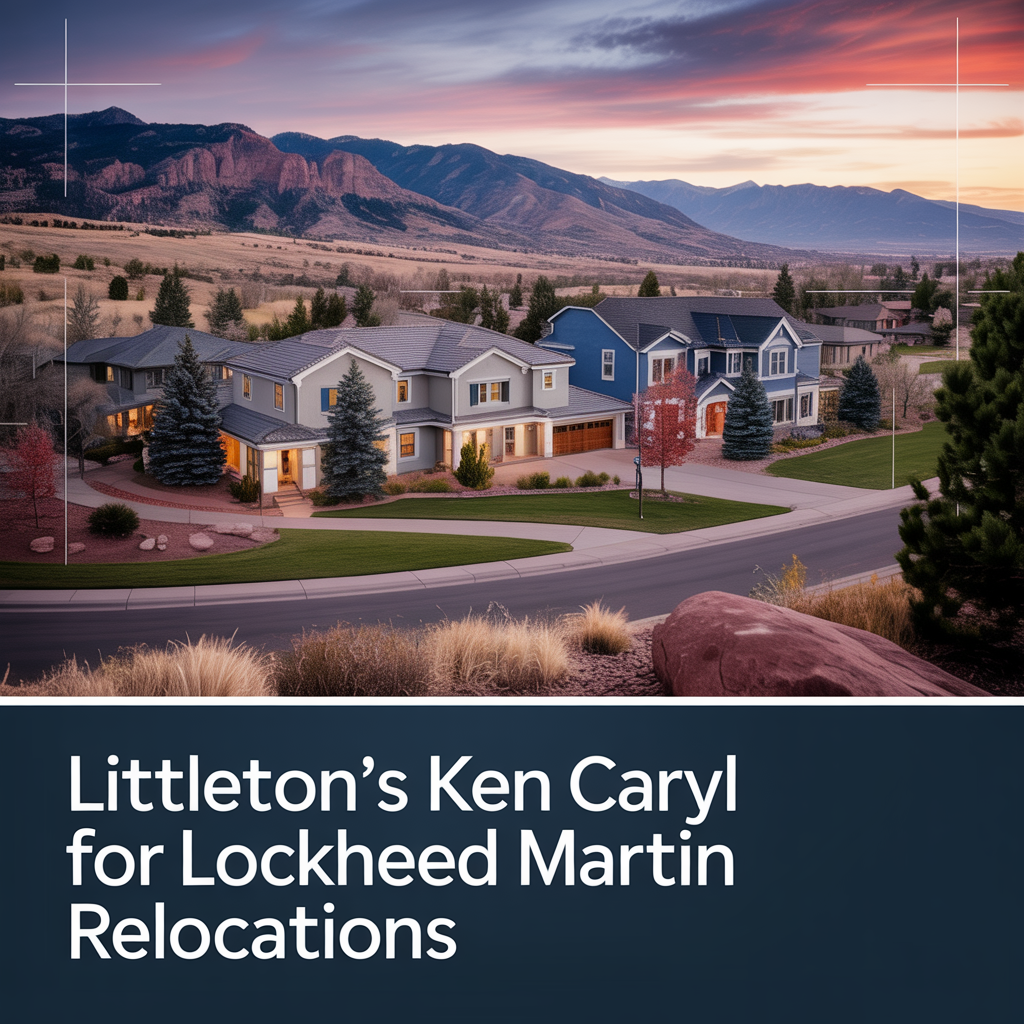
Littleton’s Ken Caryl for Lockheed Relocations
This is part of Lockheed Martin Relocation → [Lockheed Martin Relocation Hub] & the larger Denver Relocation Hub → [Denver Relocation Hub] Written by: Chad Cabalka Ken Caryl is one of the best-kept “family first” relocation options for Lockheed Martin employees who want foothills scenery, strong neighborhood appeal, and a real suburban lifestyle that still feels connected…

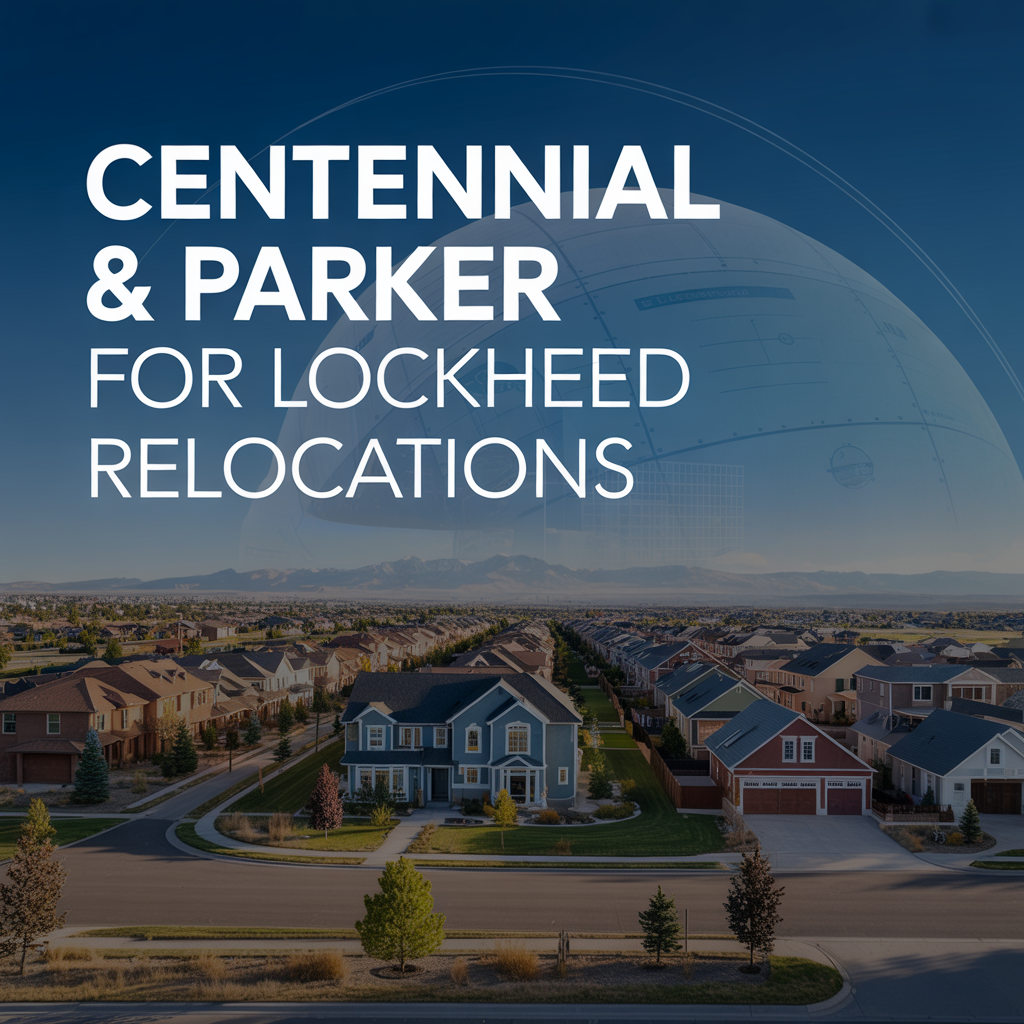
Centennial & Parker for Lockheed Relocations
This is part of Lockheed Martin Relocation → [Lockheed Martin Relocation Hub] & the larger Denver Relocation Hub → [Denver Relocation Hub] Written by: Chad Cabalka Centennial and Parker are two of the smartest suburban choices for Lockheed Martin employees relocating with families because they give you a strong balance of commute flexibility, good neighborhood variety, and…

Highlands Ranch for Family-Friendly Lockheed Relocations
This is part of Lockheed Martin Relocation → [Lockheed Martin Relocation Hub] & the larger Denver Relocation Hub → [Denver Relocation Hub] Written by: Chad Cabalka Highlands Ranch is one of the strongest choices for Lockheed Martin employees relocating with families because it delivers exactly what most parents want after a big move: stable neighborhoods, strong community…