


This is part of the Denver Lifestyle Hub→ [Lifestyle Hub]
Denver’s reputation as an outdoor city isn’t marketing—it’s geography, culture, and climate working together. The city sits at the meeting point of the plains and the Rockies, where 300 days of sunshine meet a population that naturally blends work, recreation, and access to open space. But not every Denver neighborhood engages with that lifestyle in the same way.
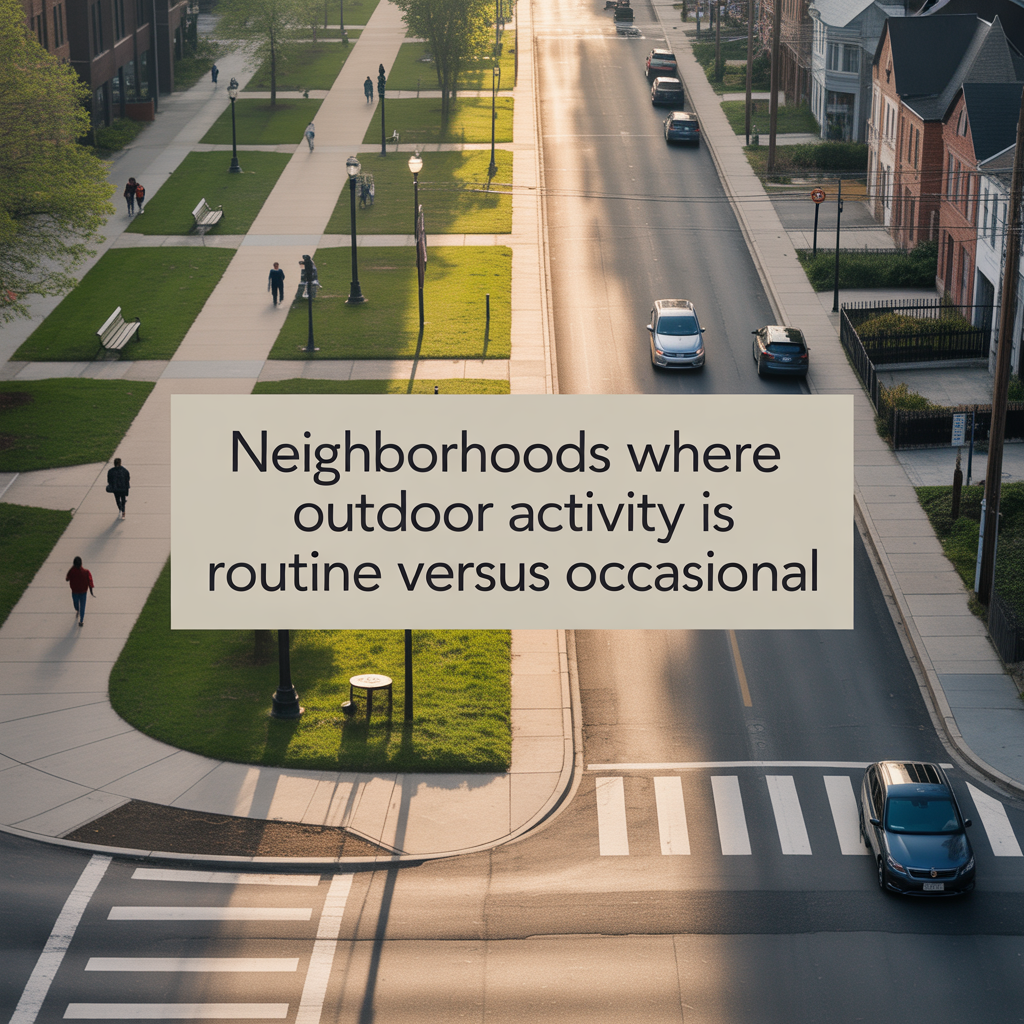
Some communities build daily life around trailheads, neighborhood parks, and bike access. Others treat outdoor recreation as a planned event—something you drive to on weekends rather than integrate into your morning routine. For buyers and sellers, this difference influences everything from housing demand to long-term property performance.
Understanding which neighborhoods encourage a “daily outdoor rhythm” versus an “occasional adventure” isn’t just about personality fit. It’s about recognizing how neighborhood design, commuting patterns, and even microclimates shape your day-to-day experience—and your home’s value trajectory.
The Psychology of Proximity
In Denver, proximity equals participation. People are far more likely to engage in outdoor activity if trails, parks, or recreation corridors are within walking or biking distance. This isn’t simply convenience—it’s integration.
Neighborhoods where you can lace up your shoes and hit a trail without getting in the car develop a lifestyle rhythm that supports consistent outdoor use. Over time, that accessibility drives not only health and lifestyle benefits but also measurable neighborhood stability. Homes in these areas tend to attract long-term residents and repeated buyer interest.
In contrast, neighborhoods that require a drive to reach trail networks or greenery often become the domain of weekend recreation. Residents still value the outdoors, but their engagement has to fit around commutes, family schedules, and weather windows.
Neighborhoods Where Outdoor Living Is Routine
Washington Park: Everyday Active Living
At its heart, Wash Park remains one of Denver’s most iconic examples of daily outdoor life. The 2.3-mile loop around the park fills early each morning with runners, cyclists, and dog walkers. Paddleboarders and tennis players share space with yoga groups and casual picnickers.
Living nearby means that physical activity becomes reflexive—you step outside, and you’re already part of a community in motion. Homes near the park command premium pricing not only for their architecture but for proximity to this daily rhythm. Demand has remained consistent even when broader market conditions soften because the “active lifestyle premium” is baked into the neighborhood’s identity.
Sloan’s Lake: Active Yet Balanced
Residents near Sloan’s Lake enjoy a similar rhythm but with a more balanced, neighborhood-scale pace. The lake’s 2.6-mile loop and open-water views anchor a lifestyle where morning jogs or evening paddle sessions are common. The surrounding housing stock—ranging from classic mid-century ranches to newer infill townhomes—caters to professionals and families who want accessible recreation without the intensity of central Wash Park prices.
The area’s steady appreciation reflects its hybrid character: convenient access to downtown and I-70 combines with a strong sense of local routine, making it resilient across market cycles.
Central Park (formerly Stapleton): Designed for Access
Central Park demonstrates how planning can engineer daily outdoor activity. With over 50 parks and miles of connected trails, the neighborhood was built to make outdoor spaces a seamless part of daily life.
Residents move between parks, community pools, and cycling routes without ever leaving the neighborhood. That infrastructure has significant real estate implications: homes here maintain broad appeal across age groups and family types precisely because the outdoor element isn’t optional—it’s built in.
Golden: Where the Mountains Begin
Just west of Denver, Golden stands as a bridge between city living and mountain access. Trails like the Clear Creek path run straight through town, while Lookout Mountain looms above for quick climbs or after-work hikes.
Proximity to open space here feels less like a perk and more like a prerequisite. The real estate market reflects that—buyers drawn to Golden tend to have outdoor recreation woven into their routines, and they’re willing to pay for immediate access to trailheads and open space zoning.
Neighborhoods Where Outdoor Activity Is Occasional
Hilltop and Observatory Park: Quiet Streets, Planned Activity
These neighborhoods offer broad lawns, traditional architecture, and proximity to downtown, but daily outdoor engagement more often happens by car. Residents still enjoy fitness and recreation—whether on Cherry Creek Trail or the High Line Canal—but access requires intentional effort.
For many homeowners here, the trade-off is privacy, larger lots, and architectural character. The result is an environment where outdoor activity is valued, but not systemic to daily life. For some buyers—especially those with professional schedules or school-aged children—that balance is ideal.
Cherry Creek North: Urban Sophistication with Selective Outdoors
Cherry Creek residents live close to the Cherry Creek Trail, but the neighborhood’s density and retail orientation shape a lifestyle centered around boutique shopping, fine dining, and fitness clubs rather than spontaneous trail runs.
It’s not that residents are inactive; rather, recreation here tends to be structured—workout classes, cycling groups, planned mountain getaways. For many buyers, that blend of energy and refinement is exactly the appeal. The neighborhood’s strong condo and townhome market thrives on this professional, high-amenity lifestyle.
Highlands and LoHi: Urban First, Active Second
Northwest Denver’s Highlands and LoHi areas sit near the South Platte River bike trail, but access can require navigating urban infrastructure. For those who prioritize walkable dining and nightlife, outdoor activity often becomes a weekend pursuit rather than a daily habit.
Still, proximity to downtown recreation centers, limited open space, and quick highway access to the foothills preserve value and appeal. These areas remain attractive to professionals who want flexibility—close enough to the outdoors to reach it easily but rooted in daily urban convenience.
How Outdoor Integration Shapes Long-Term Value
Neighborhoods that encourage daily outdoor use tend to see several consistent real estate effects:
- Stable Demand: Homes with built-in access to trails, parks, or open space attract long-term buyers, even in shifting markets.
- Resilient Pricing: Lifestyle integration cushions price volatility. Families and professionals seeking this rhythm anchor neighborhood demand.
- Health and Wellness Appeal: The practical value of accessible recreation has grown as more buyers associate lifestyle environments with well-being and sustainability.
- Community Cohesion: Walkability and shared outdoor spaces foster interaction, which can reinforce stable property values and lower turnover.
Conversely, neighborhoods where outdoor activity is more occasional may rely on other value drivers—architectural heritage, proximity to employment centers, or retail access. They can perform exceptionally well, particularly among buyers for whom privacy, convenience, or low-maintenance living outweighs weekend trail access.
Neither category is inherently better—it’s about how the environment aligns with how residents actually live.
Commute Realities and the Outdoor Equation
Denver’s evolving commute landscape continues to shape how outdoor-friendly neighborhoods function. Remote and hybrid work arrangements have expanded the radius of what’s considered “close,” allowing more households to select neighborhoods that prioritize open space rather than commute convenience.
Areas like Arvada West, Ken Caryl, and Morrison are seeing renewed demand from residents who want access to the foothills without sacrificing metro connectivity. The ability to trade a few minutes of drive time for daily exposure to nature has tangible market value in today’s buyer calculus.
For buyers relocating from coastal or high-density markets, it’s worth noting that Denver’s definition of “close” is different. A 25-minute drive to a trailhead is considered excellent; a neighborhood trail two blocks from your door feels extraordinary. Understanding these norms helps align expectations and avoid lifestyle mismatches.
The Seasonal Dimension
Colorado’s four-season climate subtly shapes outdoor participation. Winter doesn’t close the outdoors here; it changes its form. Dry air and steady sun make year-round walking and cycling realistic, even when temperatures dip.
However, neighborhoods at slightly higher elevations—such as Golden, Evergreen, or Genesee—may experience longer snow cover, influencing daily routines. Buyers drawn to those areas value that variation, but newcomers should consider maintenance, safety, and commuting consistency as part of their purchase strategy.
For metro Denver neighborhoods like Wash Park, Platt Park, or Central Park, the outdoor rhythm steadies throughout the year. The infrastructure—plowed paths, maintained parks, accessible lighting—supports continuity in activity, reinforcing why these areas remain desirable even when broader market momentum cools.
Aligning Neighborhood Choice with Lifestyle Reality
For anyone buying or selling in Denver, matching neighborhood tempo to personal lifestyle is key.
Ask practical questions:
- Do you want to walk out your door to a park or trail, or do you prefer quieter residential streets?
- Are weekend mountain trips central to your life, or do you want recreation available on weekdays between meetings?
- Does your family prefer structured sports and private clubs, or spontaneous neighborhood play and walking paths?
Answering those questions changes how you evaluate real estate. A buyer who values daily access to activity may find better long-term satisfaction—and appreciation potential—in neighborhoods physically structured around open space. Meanwhile, someone drawn to cultural amenities or urban efficiency might prioritize central neighborhoods where outdoor recreation remains accessible if not immediate.
A Balanced Decision Requires Local Context
Denver’s real estate market is rarely about single metrics. Square footage, inventory levels, and median price tell part of the story, but how people live day-to-day tells the rest. Outdoor integration—how often residents use the environment versus simply admire it—continues to be one of the strongest differentiators between neighborhoods that perform steadily and those that only appeal in certain cycles.
As an experienced analyst who’s watched these patterns evolve across decades, I can say that “fit” matters as much as forecast. Homes in neighborhoods that align with a buyer’s lived rhythm tend to hold value longer, even when broader economic tides shift.
Final Thoughts
In Denver, the outdoors isn’t a weekend luxury—it’s part of the urban fabric. Some neighborhoods encourage you to live it daily; others offer it as an option when time allows. Both can be excellent choices depending on what you value most, but knowing the difference helps you buy or sell with confidence and long-term clarity.
If you’re exploring which Denver neighborhood best matches your lifestyle, commute routines, and long-term goals, reach out to me directly. I can help you evaluate not just the price or property type, but the way of living that comes with each community.
Get the full Denver Market Insights → [Market Insights]



Littleton’s Ken Caryl for Lockheed Relocations
This is part of Lockheed Martin Relocation → [Lockheed Martin Relocation Hub] & the larger Denver Relocation Hub → [Denver Relocation Hub] Written by: Chad Cabalka Ken Caryl is one of the best-kept “family first” relocation options for Lockheed Martin employees who want foothills scenery, strong neighborhood appeal, and a real suburban lifestyle that still feels connected…


Centennial & Parker for Lockheed Relocations
This is part of Lockheed Martin Relocation → [Lockheed Martin Relocation Hub] & the larger Denver Relocation Hub → [Denver Relocation Hub] Written by: Chad Cabalka Centennial and Parker are two of the smartest suburban choices for Lockheed Martin employees relocating with families because they give you a strong balance of commute flexibility, good neighborhood variety, and…

Highlands Ranch for Family-Friendly Lockheed Relocations
This is part of Lockheed Martin Relocation → [Lockheed Martin Relocation Hub] & the larger Denver Relocation Hub → [Denver Relocation Hub] Written by: Chad Cabalka Highlands Ranch is one of the strongest choices for Lockheed Martin employees relocating with families because it delivers exactly what most parents want after a big move: stable neighborhoods, strong community…