


This is part of the Denver Lifestyle Hub→ [Lifestyle Hub]
Every major metro area has parks, but Denver’s relationship with open space is different. Here, the parks aren’t just background features; they’re part of the city’s rhythm. In a region where outdoor living is a core value, how those parks are designed — whether for active recreation or quiet green relief — plays a subtle but significant role in shaping daily life, neighborhood character, and property patterns across the metro area.
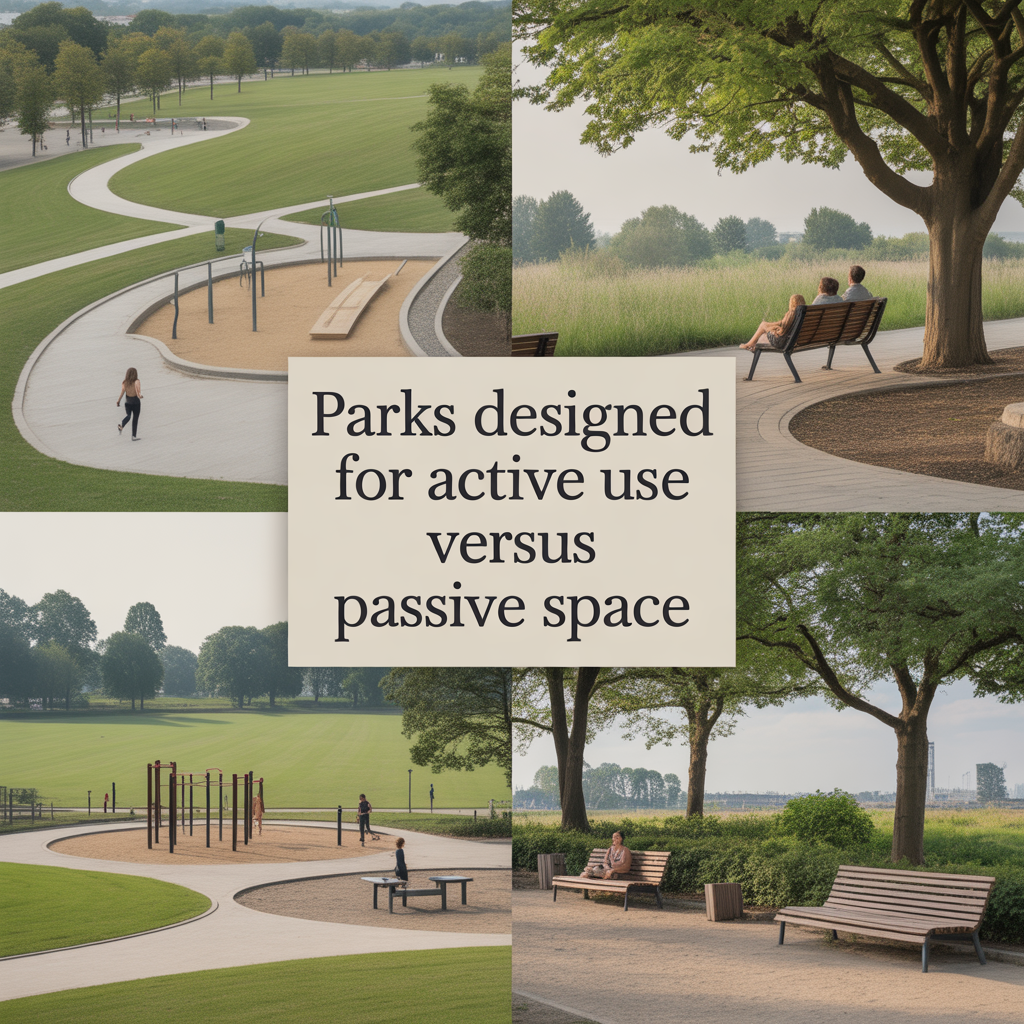
Denver’s park system is one of the largest urban networks in the country, stretching from central-city neighborhood greens to long trails through the foothills. But not all parks serve the same purpose. Some are built for activity — places to play soccer, join a pickup basketball game, or run at sunrise before work. Others are designed to let you slow down — broad lawns, shady trees, and ponds that invite unhurried afternoons. Both types matter in a city that balances urban density with open-air living, but they influence communities — and real estate — in very different ways.
Understanding Denver’s Two Park Philosophies
The Denver Parks and Recreation system classifies amenities in several ways, but most spaces fall loosely into two categories: active-use parks and passive-use parks.
Active-use parks are designed for recreation, sports, and engagement — think lighted fields, playgrounds, running trails, and courts. The defining feature is infrastructure that supports movement. Well-known examples include Washington Park, City Park, and parts of Sloan’s Lake Park, where joggers, cyclists, and young families fill the pathways from morning through dusk.
Passive-use parks, by contrast, prioritize open space and natural experience over built activity. You’ll find them in areas like Harvard Gulch, portions of Cheesman Park, or the native-grass buffers around Lowry and Central Park. They offer quiet walking trails, shaded benches, and expansive lawns — ideal for reading, conversation, or simply pausing between obligations.
Neither approach is superior. The distinction lies in how each shapes the surrounding neighborhood, both socially and economically.
Why Park Design Matters to Real Estate Value
Buyers often say they want “access to parks,” but the type of access matters. A home across from a broad passive greenbelt offers a drastically different living experience than one beside a multi-field recreation complex. This difference subtly affects desirability, traffic levels, daily noise, and long-term neighborhood dynamics.
- Active-use proximity tends to attract younger households, families with children, and those seeking year-round engagement. Close access often correlates with higher weekday traffic and occasional sound from games, but also an active neighborhood identity and strong utilization rates.
- Passive-use adjacency appeals more to buyers who value quiet, views, and restorative space. These parks generally produce fewer fluctuations in noise and congestion and may be favored by remote professionals or downsizers seeking peace within city limits.
In valuation terms, both can elevate home prices, but for different reasons. Active-use adjacency creates demand based on energy and convenience; passive adjacency increases appeal through aesthetic and psychological comfort. In practical terms, brokers often see premiums for passive-edge homes holding more consistently across cycles — especially in higher-density urban zones where quiet space is scarce.
The Daily Life Impact of Denver’s Park Access
Living near any Denver park subtly reorganizes your day. The active lifestyle culture here — and over 300 days of sun each year — makes outdoor use habitual, not seasonal. Morning walks before commuting downtown, weekday youth sports at Cook Park, or weekend runs along Cherry Creek Trail shape routines as much as commuting habits or work hours.
Yet the pace differs depending on the park’s function.
- Active-use environments foster schedule-based patterns: evening soccer leagues at Central Park, morning workouts in Wash Park, or organized volleyball events on City Park’s lawns. These communities tend to form around shared commitments — team gatherings, group fitness, or seasonal activity cycles.
- Passive-use environments create more flexible, restorative routines. They invite less structure and more spontaneity — sitting under the mature trees at Observatory Park between meetings, or walking your dog through Crestmoor’s open green at sunset.
For homeowners, lifestyle rhythm translates into how neighborhoods “feel.” The pulse of an active park neighborhood tends to be vibrant and sociable, while passive parks foster calm and spaciousness. Understanding which atmosphere aligns with your daily habits is one of the most practical — and overlooked — steps in Denver home selection.
How Park Design Intersects with Urban Development
In Denver’s evolving urban plan, green space strategy reflects broader planning goals. As density increases in neighborhoods like RiNo, downtown Golden Triangle, and parts of West Colfax, integrating smaller active-use micro-parks has become a way to humanize compact living. Developers recognize that a single basketball half-court or dog run can anchor community behavior and reduce turnover rates in new apartment enclaves.
By contrast, suburban edge developments — Highlands Ranch, Parker, Arvada’s Candelas, or east Aurora — often feature wide passive corridors to preserve views, wildlife movement, and stormwater drainage. These greenspaces can’t always accommodate organized sports, but they buffer noise, provide privacy, and add environmental stability — all key value drivers in detached-home communities.
In both cases, the city’s design philosophy shows. Denver planners deliberately mix park types to balance density with relief, ensuring that infrastructure supports both the physical and emotional needs of urban residents. This balance is part of why Denver ranks consistently high for livability without losing its urban identity.
Buyer Psychology: What People Think They Want vs. What They Actually Use
It’s common for buyers relocating to Denver to describe “near a park” as a nonnegotiable feature — often without distinguishing what kind of park experience they prefer. But after move-in, behavior patterns show a clear divide.
Many discover that proximity to an active park means constant life and motion, even when they crave quiet weekends. Others find the opposite: living across from an open greenbelt looks peaceful on listing photos but feels underwhelming without regular activity.
The key insight: park adjacency should reflect actual lifestyle rhythms, not aspiration. Denver’s green space is diverse enough that buyers can usually find alignment — for example:
- Morning runners or pickleball players thrive near multipurpose parks like Washington Park or Central Park’s east fields.
- Remote workers or retirees seeking tranquility often prefer the open prairie feel around Southmoor, Wellshire, or Wheat Ridge greenbelts.
- Families with mixed schedules may lean toward hybrid parks — spaces like City Park or Cherry Creek State Park, which offer both structured activity and open relaxation zones.
Agents who understand these nuances help buyers match where they’ll actually be content, rather than where they imagine they’ll be active.
Long-Term Ownership and Maintenance Implications
From a property-value perspective, adjacency to green space — active or passive — often improves stability during market downturns. Homes backing to parks are among the first to rebound in value when demand normalizes. Yet maintenance realities differ.
Active parks come with city maintenance and occasional public use impacts: field lighting, events, and heavier weekend activity. Homeowners near City Park West, for example, may experience higher on-street parking during summer festivals. Passive parks, while quieter, sometimes attract slower city response for snow clearing or grass upkeep, since usage intensity is lower.
Thus, from a long-term ownership perspective, investors and homeowners should understand how each park’s character influences not just lifestyle but wear, upkeep, and resale narrative.
The Broader Economic and Planning Context
Denver’s extensive park system is also a financial strategy. The Denver Parks and Recreation Department manages over 6,000 acres within city limits, and as land becomes scarcer, how those acres function carries budget implications. Active-use spaces concentrate amenities in smaller footprints — maximizing engagement per acre — while passive spaces preserve long-term ecological and psychological health.
Developers often fund or co-design park features through impact fees, which can influence project economics and buyer costs. When shopping in a new community, it’s worth understanding whether the park nearby is city-owned or part of an HOA-managed open space. That affects future assessments, public access, and maintenance quality — all subtle ownership factors that matter over time.
In resale scenarios, proximity to public parks often carries broader appeal than private green zones, precisely because long-term maintenance and design are not tied to neighborhood fees. Conversely, private passive spaces may add exclusivity in limited-access communities, particularly in parts of Centennial or Lone Tree.
Choosing Neighborhoods by Park Personality
For anyone evaluating the Denver metro area, thinking of neighborhoods in terms of their “park personality” helps clarify decisions.
- Central Denver offers iconic active spaces like Cheesman Park and Washington Park, integrated into historic neighborhoods with high walkability and dense housing stock.
- South Denver and Englewood feature smaller passive areas and tree-shaded corridors that foster a residential calm ideal for work-from-home professionals.
- East Denver and Aurora present master-planned environments with both active and passive zones — Central Park being a prime example of balanced green design surrounding diverse housing.
- The foothill suburbs — Golden, Morrison, Evergreen — emphasize passive open space as the transition to wilderness. These communities attract buyers trading convenience for restorative proximity to nature.
Each geography reflects different definitions of “open space living.” Understanding these layers allows for more informed investment and more satisfying day-to-day life.
The Emotional Side of Colorado’s Open Space Design
Beyond economics, the deeper relevance of Denver’s park design philosophy lies in how it defines community connection. The city’s blending of active and passive spaces creates shared experiences across lifestyles. Even if you aren’t an athlete, you might walk through Sloan’s Lake and feel the calm energy of motion around you. And even if you live near an active field, there are quiet corners available when you need stillness.
This dual rhythm — movement and pause — is the essence of Denver living. It reminds residents why open space remains central to the region’s identity even as density grows.
Moving Forward: How Buyers and Sellers Can Think Strategically
For buyers, the takeaway is not simply “live near a park,” but understand what kind of park complements your lifestyle and ownership goals. Active-use proximity builds social energy and immediate recreation value; passive-use adjacency builds serenity, longevity, and visual appeal.
For sellers, highlighting the right kind of green access — and how it fits with typical buyer profiles for your area — can strengthen positioning without overstating claims. A thoughtful narrative about daily experience often resonates more than square footage or renovated finishes.
Final Thoughts and Next Steps
Denver’s parks do more than beautify the city — they shape how people live, connect, and value property. The distinction between active and passive park space is not just a matter of design but of daily rhythm, neighborhood behavior, and long-term asset performance. Understanding those dynamics can make the difference between a home that fits your life and one that merely fits your budget.
If you’re considering buying, selling, or relocating within the Denver metro area and want to discuss how green space planning affects property value, neighborhood livability, and long-term resale outlook, reach out to me directly. I’ve spent my life understanding these neighborhoods from the inside out — and I’m happy to help you decide where your next chapter should take root.
Get the full Denver Market Insights → [Market Insights]


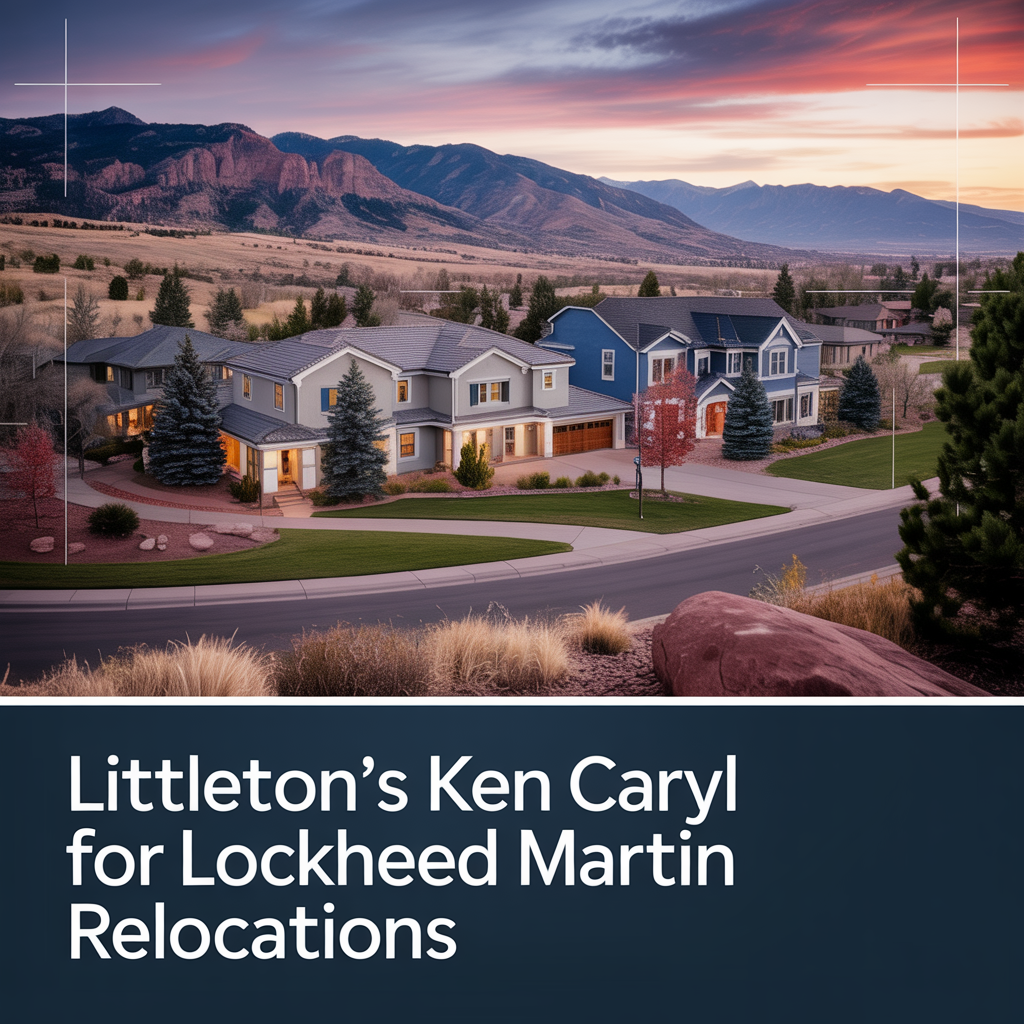
Littleton’s Ken Caryl for Lockheed Relocations
This is part of Lockheed Martin Relocation → [Lockheed Martin Relocation Hub] & the larger Denver Relocation Hub → [Denver Relocation Hub] Written by: Chad Cabalka Ken Caryl is one of the best-kept “family first” relocation options for Lockheed Martin employees who want foothills scenery, strong neighborhood appeal, and a real suburban lifestyle that still feels connected…

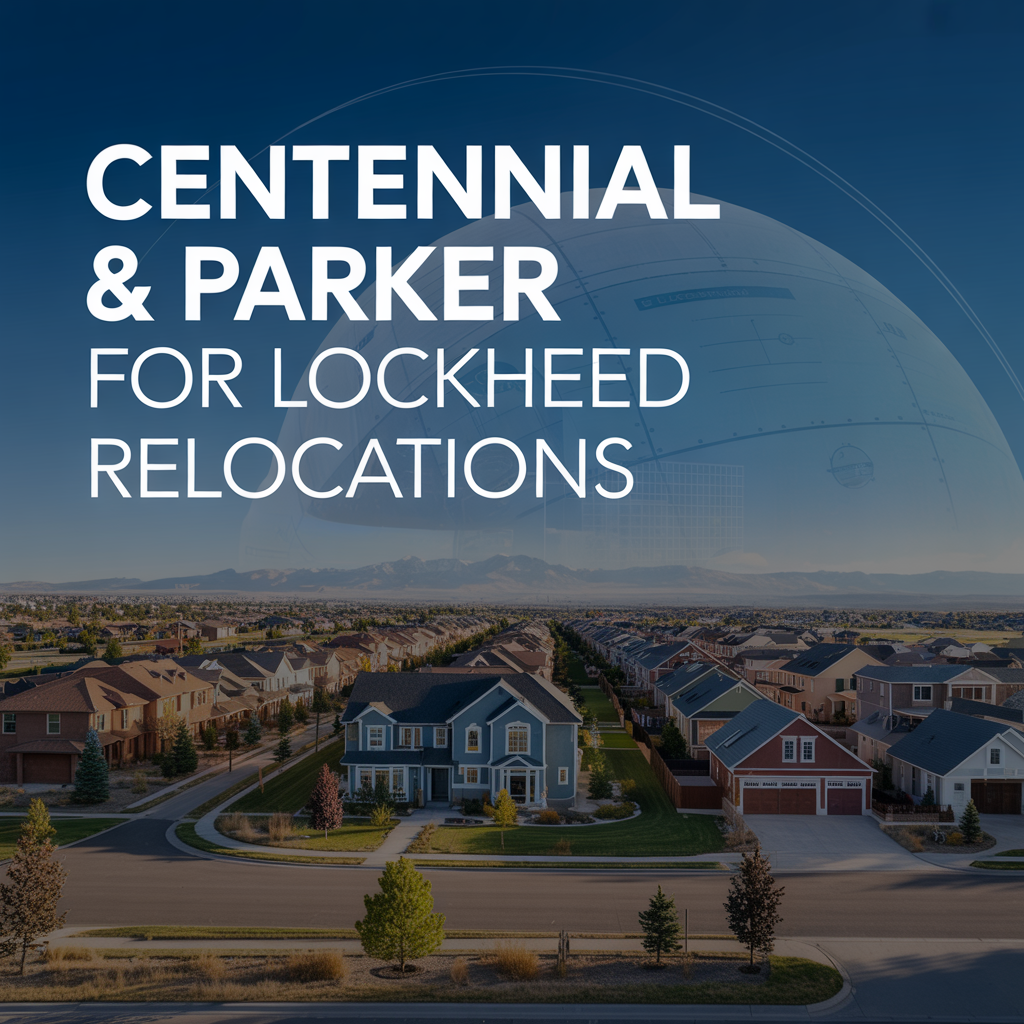
Centennial & Parker for Lockheed Relocations
This is part of Lockheed Martin Relocation → [Lockheed Martin Relocation Hub] & the larger Denver Relocation Hub → [Denver Relocation Hub] Written by: Chad Cabalka Centennial and Parker are two of the smartest suburban choices for Lockheed Martin employees relocating with families because they give you a strong balance of commute flexibility, good neighborhood variety, and…

Highlands Ranch for Family-Friendly Lockheed Relocations
This is part of Lockheed Martin Relocation → [Lockheed Martin Relocation Hub] & the larger Denver Relocation Hub → [Denver Relocation Hub] Written by: Chad Cabalka Highlands Ranch is one of the strongest choices for Lockheed Martin employees relocating with families because it delivers exactly what most parents want after a big move: stable neighborhoods, strong community…