


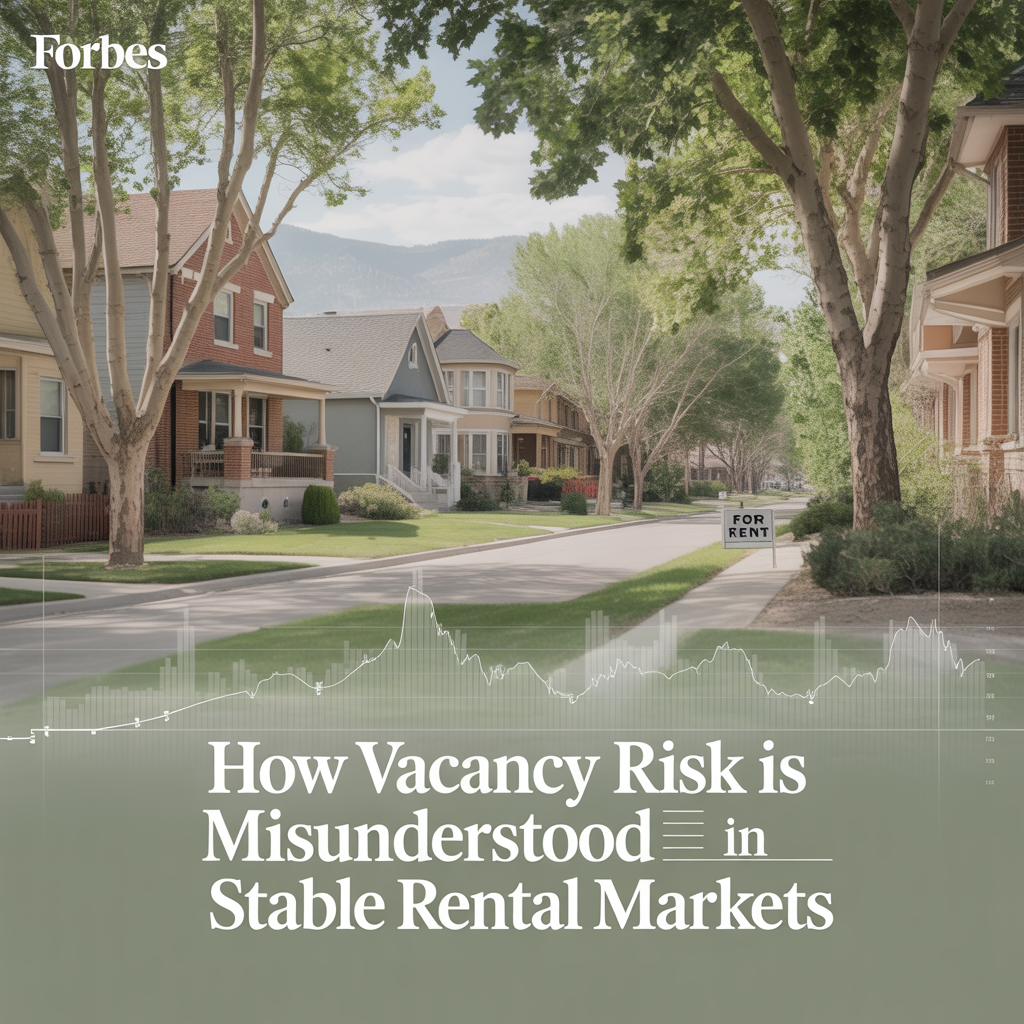
This is part of the Long Term Rentals in Denver→ [Long Term Rentals in Denver] a hub of Denver Investing Guide → [Denver Investing Guide]
Written by: Chad Cabalka
Stable rental markets like Denver’s metro area lull investors into underestimating vacancy risk, treating low headline rates as guarantees of perpetual occupancy. Vacancy isn’t just empty units between leases; it’s an economic drag encompassing turnover costs, concessions, credit losses, and opportunity gaps that persist even at 4-6% physical rates. This misread erodes returns by 2-4 cap points annually, turning “safe” portfolios into underperformers.
Denver’s single-family rentals and suburban townhomes exemplify the disconnect: apparent stability masks frictional realities shaped by tenant behavior, local economics, and regulatory friction.
Frictional Vacancy: The Inevitable Baseline
Investors model vacancy as episodic, ignoring its structural presence. At 5% physical vacancy—common in Highlands Ranch family homes—each unit sits empty 18 days yearly. Add concessions (3-5% below market) and lease-up ramps (10-21 days), and effective economic vacancy hits 8-10%.
Stable markets amplify this through tenant inertia: renters renew at 60-70% but negotiate harder, delaying signatures. Arvada blue-collar leases average 25 days to fill, not the 14 assumed in tight conditions. Cumulative drag equals one full month’s lost rent per property annually.
Turnover Costs Compound Hidden Losses
Physical occupancy ignores renewal failures. Denver tenants cycle every 18-24 months amid job shifts at DTC tech firms or UCHealth. Each turnover incurs $3,500-5,000: cleaning, minor repairs, marketing, lost rent during gaps.
In stable environments, owners chase high rents over retention, prompting 40% non-renewals. Aurora military families rotate predictably, doubling effective vacancy. Management fees (8-10%) correlate inversely—better service cuts gaps but inflates ops, often unmodeled.
Economic and Behavioral Overlaps
Stable markets hide credit risk: on-time payments dip during personal transitions, even without evictions. Denver habitability laws extend disputes 30-45 days, turning minor issues into full-month hits. Concessions—free months, waived fees—mask as “marketing” but reduce net yields 2-3%.
Tenant downgrades during micro-shifts (rate hikes, energy costs) flood lower tiers, softening comps. Littleton commuters trade space for affordability, leaving mid-tier units vacant longer despite low metro averages.
Submarket Vacancy Distortions
| Submarket | Headline Rate | True Economic Rate | Key Misread |
|---|---|---|---|
| Highlands Ranch | 4% | 7-8% | Family renewal gaps |
| Aurora | 6% | 9-11% | Military turnover |
| Littleton | 5% | 8% | DTC job churn |
| Arvada | 5% | 7-9% | Seasonal blue-collar moves |
| Wash Park | 3% | 6% | Professional short-stays |
Premium stability conceals higher concession drag; exurbs face supply spillovers.
Cycle Sensitivity in “Stable” Conditions
Low vacancy signals equilibrium, but Denver’s ties to migration, tech, and energy create volatility. New multifamily in Thornton absorbs demand, pressuring nearby single-family. Lenders covenant 85-90% occupancy; brief 7% spikes trigger defaults.
Owners underwrite stabilized NOI day-one, ignoring 3-6 month ramps post-acquisition. Policy flux—licensing, inspections—adds 5-10 days per lease-up.
Corrective Underwriting Practices
Build realism into models:
- Baseline 8-10% economic vacancy, including 5% credit/concessions.
- Renewal rates at 65%, with $4,000 turnover per cycle.
- Stress-test 12% peaks during transitions.
- Track submarket medians quarterly, not annual averages.
These yield accurate 6-8% returns versus optimistic 10%.
Conclusion: Stability Demands Vigilance
Vacancy risk in stable rental markets endures as frictional reality, not crisis indicator. Denver investors mistaking low rates for zero drag forfeit margins to unmodeled costs. Treat it as operating expense—like taxes or management—for resilient portfolios.
For Denver-specific vacancy modeling, submarket benchmarks, or portfolio audits, contact Long-Term Rentals in Denver. Tailored insights optimize your holdings across the metro.
Get the full Denver Market Insights → [Market Insights]


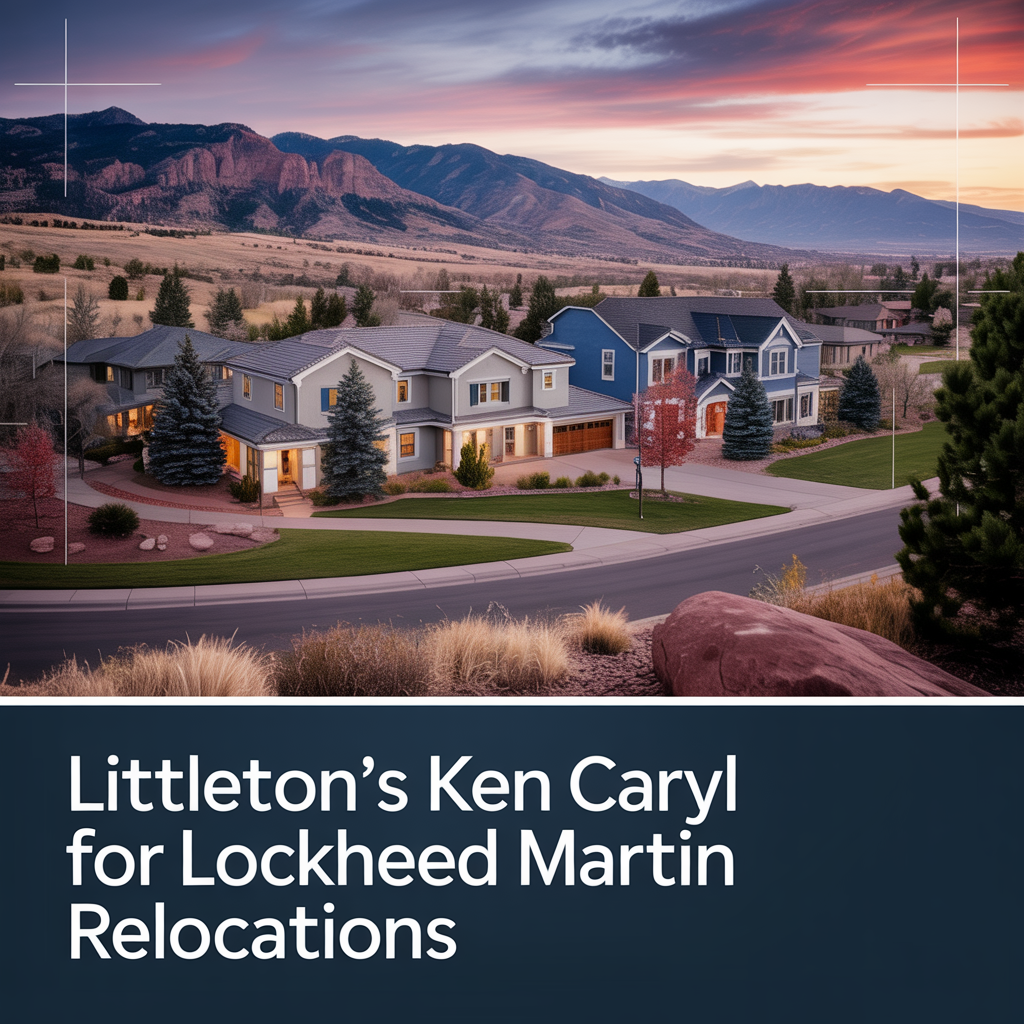
Littleton’s Ken Caryl for Lockheed Relocations
This is part of Lockheed Martin Relocation → [Lockheed Martin Relocation Hub] & the larger Denver Relocation Hub → [Denver Relocation Hub] Written by: Chad Cabalka Ken Caryl is one of the best-kept “family first” relocation options for Lockheed Martin employees who want foothills scenery, strong neighborhood appeal, and a real suburban lifestyle that still feels connected…


Centennial & Parker for Lockheed Relocations
This is part of Lockheed Martin Relocation → [Lockheed Martin Relocation Hub] & the larger Denver Relocation Hub → [Denver Relocation Hub] Written by: Chad Cabalka Centennial and Parker are two of the smartest suburban choices for Lockheed Martin employees relocating with families because they give you a strong balance of commute flexibility, good neighborhood variety, and…

Highlands Ranch for Family-Friendly Lockheed Relocations
This is part of Lockheed Martin Relocation → [Lockheed Martin Relocation Hub] & the larger Denver Relocation Hub → [Denver Relocation Hub] Written by: Chad Cabalka Highlands Ranch is one of the strongest choices for Lockheed Martin employees relocating with families because it delivers exactly what most parents want after a big move: stable neighborhoods, strong community…