



This is part of Homeownership 101→ [Homeownership 101]
Written by: Chad Cabalka
Designing maintenance around local conditions means tailoring tasks, materials, and timing to the specific climate, soil, and weather patterns of your area, rather than following generic national checklists that overlook regional stresses. In Colorado’s high-altitude environment, this involves prioritizing UV protection for roofs, freeze-thaw checks for foundations, and wind-resistant seals for siding, ensuring care matches the forces your home actually faces. This approach matters in everyday homeownership because it maximizes effectiveness, prevents wasted effort on irrelevant tasks, and extends system life realistically without overkill or neglect.
Generic schedules assume steady rain or mild swings, but Denver-area homes endure 300 sunny days, clay soil expansion, and hail that demand adjusted rhythms. Homeowners who customize save money by focusing on high-impact actions like biannual caulking or post-monsoon grading, turning local challenges into predictable routines.
Local design turns maintenance from a chore into a strategic fit, aligning protection with the environment that shapes wear most directly.
How This Shows Up in Real Homes
A Highlands Ranch homeowner schedules roof granule sweeps twice yearly after hail season, unlike annual checks in rainy climates, catching UV and impact damage early before leaks form. They inspect south-facing shingles monthly during peak sun, noting brittleness that flatland owners ignore, preventing premature replacement through targeted sealants.
Foundation care adapts to clay soils with quarterly moisture probes around the perimeter, especially post-spring thaw when swelling peaks. Unlike sandy regions needing erosion focus, locals grade two percent away and install swales to counter heaving that cracks slabs invisibly. Doors stick less, and walls stay plumb without constant shimming.
Siding maintenance times wind events, with caulk renewal before fall gusts rather than spring like coastal plans. West exposures get extra inspections for grit abrasion, using flexible hybrids that endure 50-degree swings without popping, keeping drafts out through targeted applications that generic timing misses.
Common Misunderstandings Homeowners Have
Many apply Midwest checklists to Colorado, cleaning gutters four times yearly when dry spells clog them less than wet areas, wasting effort on low-risk debris. They overlook high UV demanding reflective coatings over standard paints, assuming national brands suffice universally.
Another confusion treats all soils identically, pouring concrete pads without expansive clay allowances, then wondering why cracks spider after thaws. Homeowners follow Pacific Northwest drainage guides, ignoring semi-arid runoff spikes that overwhelm flat yards in monsoons.
People often schedule HVAC tune-ups by calendar alone, missing altitude effects that dry refrigerants faster, needing pre-summer dust flushes specific to dusty plains rather than humid checks. This mismatch strains compressors unnecessarily.
Why These Assumptions Create Problems Over Time
Mismatched gutter clears lead to overflow only during rare storms, but skipped UV inspections granulate shingles fully, forcing $15,000 reroofs five years early. Effort diverts from real threats like south-wall fading that admits hail water, compounding leaks silently.
Clay-ignorant foundations heave unevenly, misaligning frames until doors bind and drywall cracks demand leveling costing thousands. Generic drainage fails against flash floods, eroding swales into gullies that undercut patios over seasons.
HVAC serviced wrong for dry air clogs coils with pollen, cutting efficiency 20 percent and burning out blowers prematurely. Bills climb steadily while national schedules ignore hail dents stressing fins, leading to refrigerant losses that cascade into full swaps.
How Thoughtful Homeowners Handle This Differently
These owners build custom calendars from extension service data: hail-season roof walks, monsoon grading verifies, winter humidifier calibrations for aridity. They map micro-zones—west wind scour, south solar load—prioritizing inspections there over uniform coverage.
Material choices reflect conditions: impact-rated shingles, PEX over copper for freezes, fiber cement siding for grit. Maintenance logs track local patterns, like post-wind caulk torque, adjusting frequencies as homes age under proven stresses.
They layer passive aids: overhangs shading walls, gravel trenches for runoff, evergreens buffering gusts. Annual audits with thermal cameras confirm fits, tweaking for shifts like new tree shade altering moisture, ensuring dynamic adaptation.
What to Keep in Mind Moving Forward
Start with your zip code’s specifics—UV index, soil maps, wind roses—to baseline schedules, then refine through personal observations like bill spikes or sticking trim. Focus 70 percent effort on top local threats: sun, clay, hail.
Tools stay simple: levels for grading, UV meters for fading, soil augers for saturation. Review yearly against weather recaps, scaling as needed.
To reach out to me directly for a personalized maintenance design tailored to your Denver-area home’s local conditions, including climate mapping, custom schedules, and material optimizations, contact me today. This positions your care precisely where it delivers the most protection.
Get the full Denver Market Insights → [Market Insights]


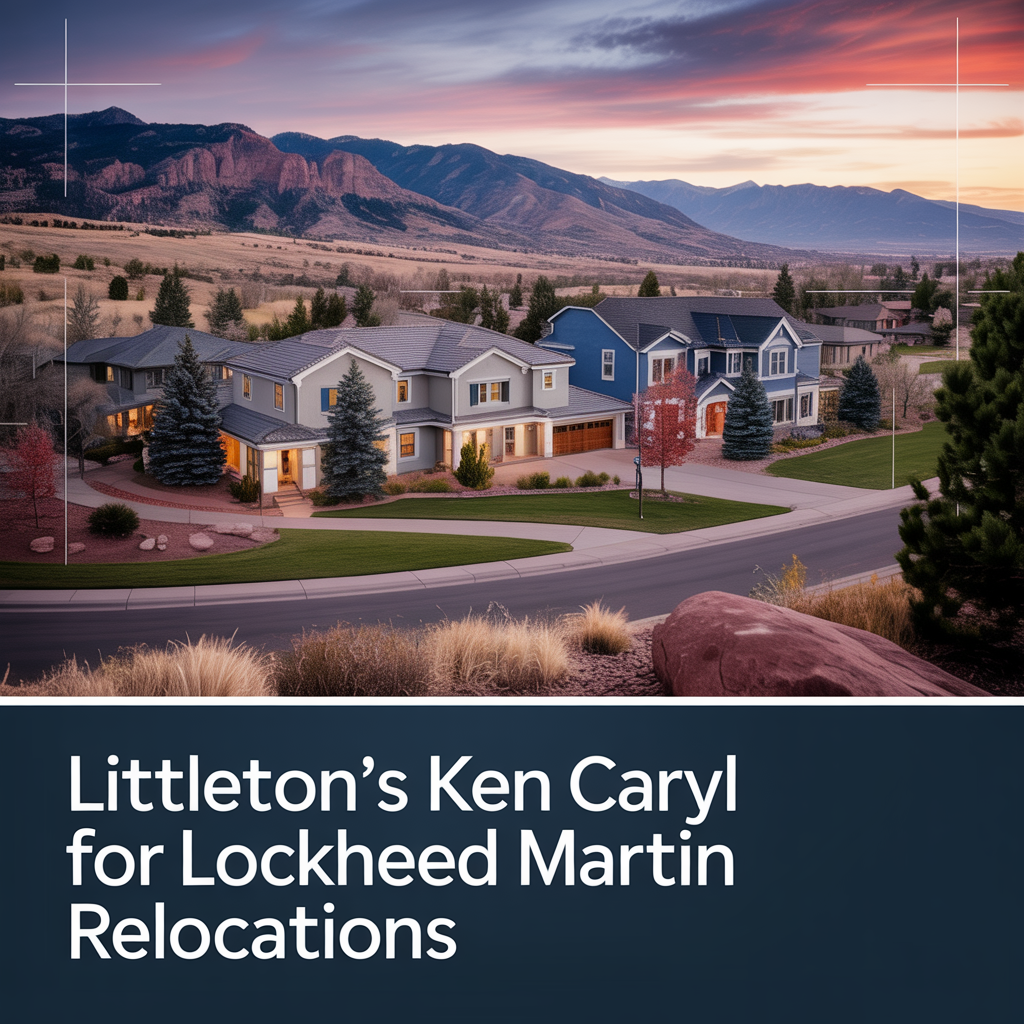
Littleton’s Ken Caryl for Lockheed Relocations
This is part of Lockheed Martin Relocation → [Lockheed Martin Relocation Hub] & the larger Denver Relocation Hub → [Denver Relocation Hub] Written by: Chad Cabalka Ken Caryl is one of the best-kept “family first” relocation options for Lockheed Martin employees who want foothills scenery, strong neighborhood appeal, and a real suburban lifestyle that still feels connected…

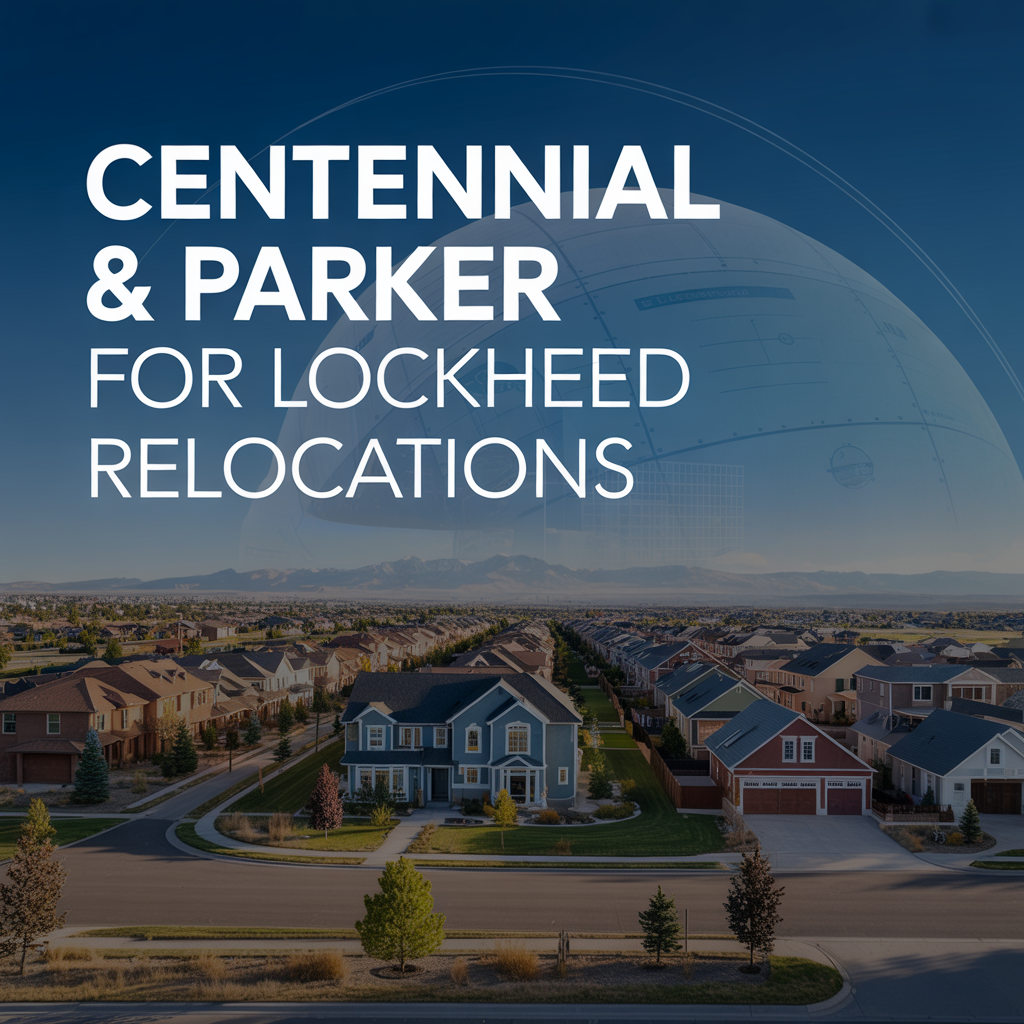
Centennial & Parker for Lockheed Relocations
This is part of Lockheed Martin Relocation → [Lockheed Martin Relocation Hub] & the larger Denver Relocation Hub → [Denver Relocation Hub] Written by: Chad Cabalka Centennial and Parker are two of the smartest suburban choices for Lockheed Martin employees relocating with families because they give you a strong balance of commute flexibility, good neighborhood variety, and…

Highlands Ranch for Family-Friendly Lockheed Relocations
This is part of Lockheed Martin Relocation → [Lockheed Martin Relocation Hub] & the larger Denver Relocation Hub → [Denver Relocation Hub] Written by: Chad Cabalka Highlands Ranch is one of the strongest choices for Lockheed Martin employees relocating with families because it delivers exactly what most parents want after a big move: stable neighborhoods, strong community…