


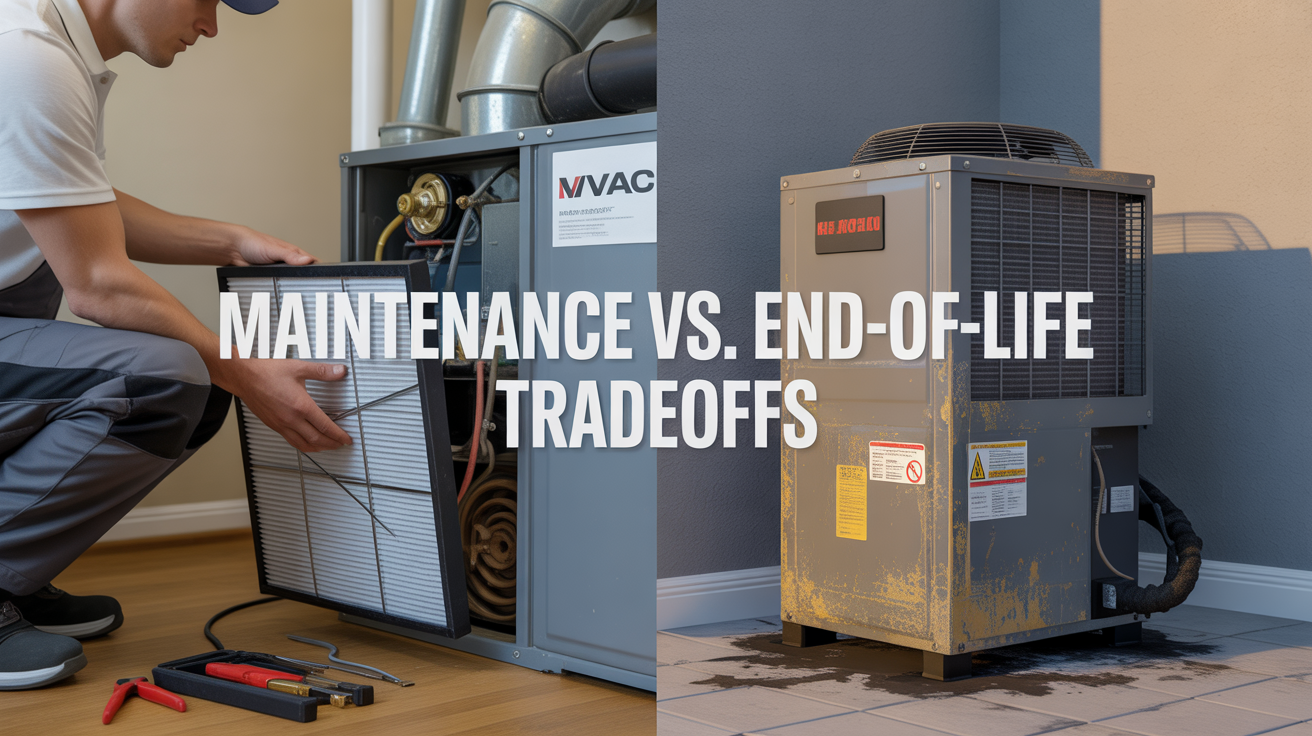
This is part of Homeownership 101→ [Homeownership 101]
Written by: Chad Cabalka
Homeowners regularly weigh maintenance against full replacement when systems show age. Maintenance involves ongoing repairs to extend life, while end-of-life replacement resets the clock with new equipment. This tradeoff shapes budgets because repeated fixes often exceed the cost of a single upgrade over time. Understanding these dynamics helps owners make grounded decisions that preserve comfort and financial stability.
The choice appears simple at first: a repair costs less today than a new unit. Reality proves more layered, as efficiency drops and repair frequency rises with age. Homeowners who grasp this shift avoid unnecessary expenses and disruptions that come from pushing worn systems too far.
Every home tells this story through furnaces, roofs, or appliances that demand more attention each year. Recognizing the tipping point between viable upkeep and smart replacement keeps ownership practical and predictable.
How This Shows Up in Real Homes
Picture a standard water heater in a busy household reaching twelve years old. It begins rumbling from sediment and delivers lukewarm showers after heavy use. A plumber flushes it and replaces the heating element for a few hundred dollars, restoring function temporarily. The next season brings leaks at fittings, requiring another visit and parts, yet recovery time lengthens as internal corrosion advances.
Roofs display this pattern through gradual wear. After a decade, wind lifts edges and rain exposes underlayment in spots. Contractors apply sealants and replace isolated shingles, keeping the surface intact for now. Over following years, though, more sections fail, leading to attic inspections and plywood patches that add up without fully halting deterioration.
HVAC systems follow suit in colder climates. An air handler starts short-cycling, prompting coil cleaning and filter upgrades. Winter after winter, blower motors strain and refrigerant levels drop, each service call addressing one symptom while overall output declines. Families endure uneven temperatures and climbing energy statements, patching along until a major component quits.
Common Misunderstandings Homeowners Have
People frequently think maintenance always pays off by squeezing maximum years from equipment. They view a working furnace or dishwasher as justification for another fix, ignoring how costs accelerate past the break-even point. Repairs grow less effective on fatigued parts, turning small investments into recurring drains.
Another misconception treats all repairs as equal in value, regardless of system age. Homeowners assume parts remain available and labor stays routine indefinitely. In truth, older models face part shortages, pushing prices higher and quality lower as technicians improvise solutions that fail sooner.
Many overlook operational inefficiencies that persist despite fixes. A patched refrigerator might cool adequately but cycle excessively, spiking electric bills. Owners blame external factors like rate hikes, missing the cumulative loss from outdated technology subsidized by maintenance dollars.
Why These Assumptions Create Problems Over Time
Ongoing repairs create a cycle where expenses mount without proportional benefits. A roof receiving annual patches might total thousands over five years, rivaling proactive replacement while damage spreads beneath. Hidden issues like rot or insulation failure emerge later, demanding comprehensive fixes that dwarf initial outlays.
Aging equipment becomes harder and costlier to service as support fades. Manufacturers discontinue components for units over ten years old, forcing premium sourcing or generic substitutes prone to early failure. Labor intensifies too, with diagnostics taking longer on obsolete designs, compounding the financial toll.
Secondary effects compound the burden. Inefficient heaters raise fuel use steadily, while leaks from deferred water heater work stain floors or promote mold. These outcomes erode home equity quietly, as resale buyers factor in deferred upgrades, turning short-term savings into long-term value loss.
How Thoughtful Homeowners Handle This Differently
Seasoned owners maintain logs of service history, noting dates, costs, and symptoms for each system. They compare recent repair totals against quotes for new models, replacing when upkeep hits 50-75% of replacement price. This threshold ensures decisions rest on numbers, not guesswork, often during mild seasons for optimal contractor availability.
They evaluate total ownership cost, factoring energy savings from efficient upgrades. A modern furnace, for example, qualifies for rebates and cuts gas use by 20-30%, offsetting upfront expense within years. Routine audits of utility trends signal when maintenance no longer competes, prompting timely action.
These homeowners fund replacements through dedicated reserves, allocating 1% of home value annually. They seek second opinions from trusted pros who assess remaining life objectively, prioritizing durability over patches. This discipline transforms reactive spending into strategic investments that enhance reliability.
What to Keep in Mind Moving Forward
Monitor repair patterns and efficiency metrics to discern when maintenance yields diminishing returns. Systems under five years benefit from upkeep; beyond that, weigh total costs annually. Local factors like harsh weather accelerate wear, tilting tradeoffs toward earlier replacement.
Gather data from multiple sources—bills, logs, pro inspections—to inform choices without emotion. Efficiency ratings and warranties on new equipment often tip the scale, delivering years of trouble-free service.
To reach out to me directly for a personalized maintenance vs. replacement analysis tailored to your Denver-area home, including cost breakdowns and local contractor recommendations, contact me today. This step equips you to handle tradeoffs with confidence, ensuring your home runs efficiently and predictably for years ahead.
Get the full Denver Market Insights → [Market Insights]


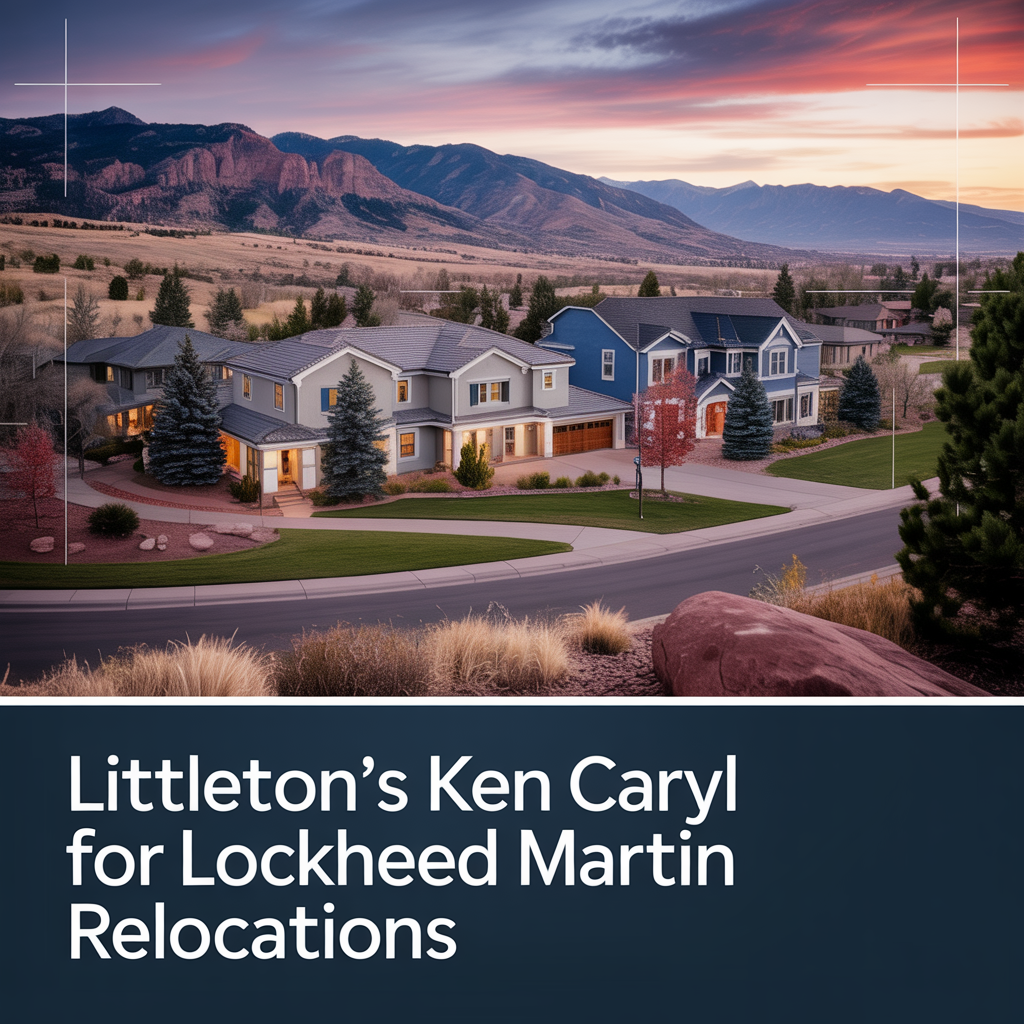
Littleton’s Ken Caryl for Lockheed Relocations
This is part of Lockheed Martin Relocation → [Lockheed Martin Relocation Hub] & the larger Denver Relocation Hub → [Denver Relocation Hub] Written by: Chad Cabalka Ken Caryl is one of the best-kept “family first” relocation options for Lockheed Martin employees who want foothills scenery, strong neighborhood appeal, and a real suburban lifestyle that still feels connected…

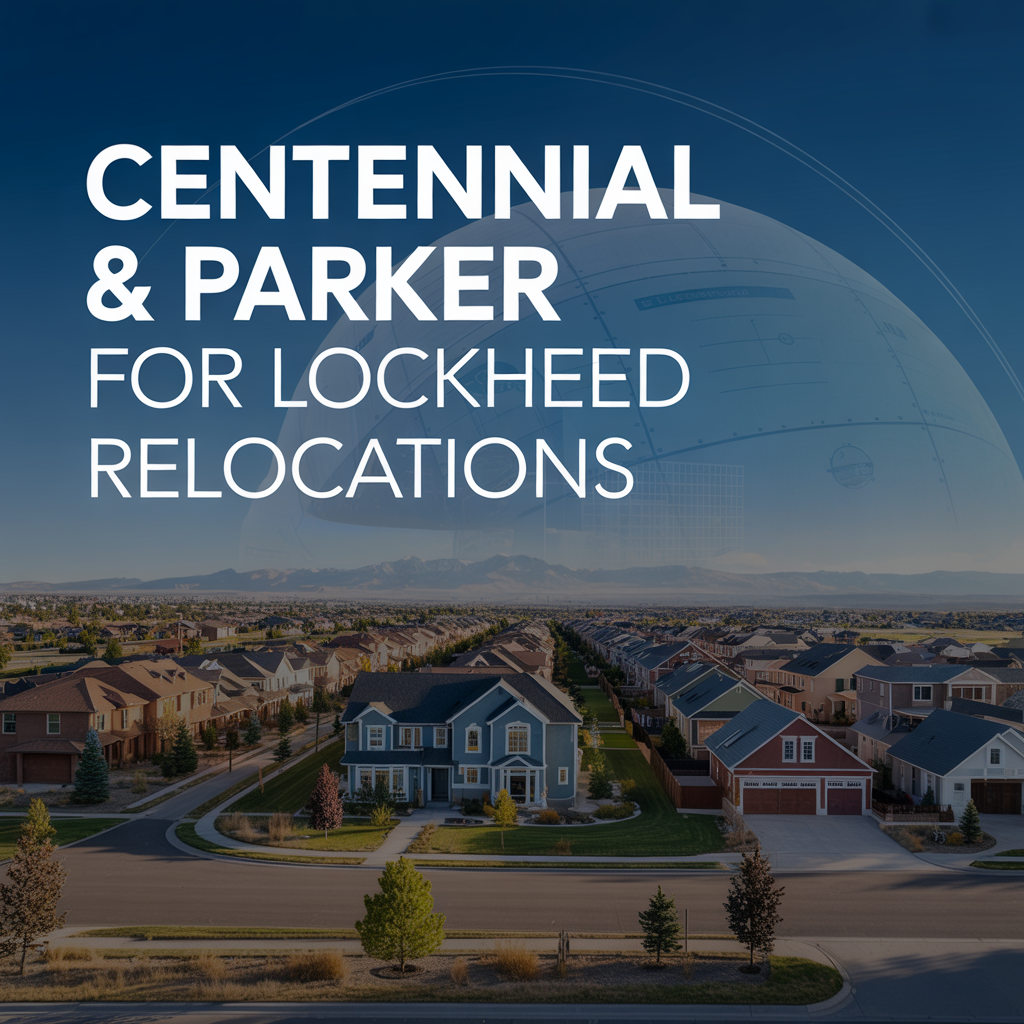
Centennial & Parker for Lockheed Relocations
This is part of Lockheed Martin Relocation → [Lockheed Martin Relocation Hub] & the larger Denver Relocation Hub → [Denver Relocation Hub] Written by: Chad Cabalka Centennial and Parker are two of the smartest suburban choices for Lockheed Martin employees relocating with families because they give you a strong balance of commute flexibility, good neighborhood variety, and…

Highlands Ranch for Family-Friendly Lockheed Relocations
This is part of Lockheed Martin Relocation → [Lockheed Martin Relocation Hub] & the larger Denver Relocation Hub → [Denver Relocation Hub] Written by: Chad Cabalka Highlands Ranch is one of the strongest choices for Lockheed Martin employees relocating with families because it delivers exactly what most parents want after a big move: stable neighborhoods, strong community…