



This is part of Homeownership 101 → [Homeownership 101] & Insurance, Risk & Protection hub → [Insurance, Risk & Protection hub]
Written by: Chad Cabalka
How home use affects coverage creates stark differences between primary residences, rentals, vacation homes, and construction sites—standard HO-3 policies demand owner-occupancy with regular presence (30-60 days maximum vacancy) or coverage drops 50-100% for theft, vandalism, water, and glass while premiums soar 2-3x for seasonal use. Colorado’s Front Range sees Airbnb owners denied claims when weekend rentals exceed “personal use,” rentals require DP-3 landlord policies excluding tenant belongings, and new construction demands builder’s risk entirely separate from homeowners forms. This distinction matters because vacancy provisions void fire coverage after 60 days unoccupied in Colorado, turning $500k Highlands Ranch rebuilds into personal liability while short-term rental income ($3k/month) evaporates without proper dwelling fire coverage.
Standard policies define “residence premises” as where you reside—temporary relocation voids dwelling protection unless vacancy permits filed (100% premium surcharge). I’ve watched deals collapse when staging homes 90+ days trigger vacancy exclusions mid-closing, and Airbnbs lose $40k fire claims because hosts lived elsewhere. HB23-1174 mandates occupancy disclosures, but use changes mid-policy demand immediate endorsements—Colorado clay soil saturation claims deny easier on rentals showing neglect patterns. Buyers assuming “same house, different use” face uninsurable gaps costing resale 10-15%.
How This Shows Up in Real Homes
Highlands Ranch primary residence owner wintering Arizona 75 days exceeds 60-day vacancy—$25k pipe freeze denied entirely as standard HO-3 suspends water damage, owner scrambles $15k emergency funds during listing season. Vacancy permit ($2k/year surcharge) prevents future gaps.
Littleton Airbnb weekend rentals ($4k/month income) suffers $80k guest fire—DP-1 dwelling fire policy pays structure only, excludes contents/guest belongings forcing lawsuits. Owner-occupied HO-3 would’ve covered $500k rebuild fully; conversion needed pre-income.
Douglas County spec home under construction loses $60k to vandalism pre-drywall—standard HO-3 denies entirely, builder’s risk ($3k/12 months) activates covering materials/labor until CO. Seller absorbs loss delaying closing 60 days.
Common Misunderstandings Homeowners Have
Owners assume HO-3 covers all uses—vacation homes need HO-8 seasonal (2-3x premiums), rentals demand DP-3 excluding tenant liability. Staging/listing “still my primary” ignores 60-day vacancy clock ticking.
Airbnb hosts think “personal policy + income” works—guest claims void under occupancy exclusions, platforms demand separate landlord coverage. Colorado buyers confuse FHA condo owner-occupancy (35-50%) with insurance mirroring association rules.
Many expect seamless use switches—construction-to-primary requires 30-day builder’s risk buffer, rentals need 10-day notice or coverage lapses mid-tenant.
Why These Assumptions Create Problems Over Time
Vacancy exclusions compound brutally: 75-day Arizona trip voids $300k fire coverage, $500k rebuild gap forces short sale at 20% loss while premiums double post-gap. Rental misclassification cascades tenant lawsuits hitting personal assets absent landlord liability.
Airbnb income evaporates post-denial—$48k/year vanishes alongside $80k fire loss, platforms ban uninsured hosts. Resale disclosures reveal “claim denial-vacancy” docking 12-18% as buyers fear repeat gaps.
Construction coverage gaps delay closings 90+ days—$60k vandalism plus $25k carrying costs kill investor margins, FHA loans demand proper transitions proving 12-month occupancy history.
How Thoughtful Homeowners Handle This Differently
Primary owners stage with vacancy permits ($1.5k-$3k/year) covering 120 days, logging biweekly inspections proving occupancy intent. Highlands Ranch Airbnbs convert DP-3 ($2.8k/year) before first rental, scheduling contents rider protecting furniture.
Builder transitions plan 30-day HO-3 buffer post-CO, documenting walkthroughs proving occupancy start. Annual declarations audits catch use-change triggers, independent agents shop occupancy-specific carriers preemptively.
Pre-listing use histories showcase seamless transitions—vacancy permits, rental conversions logged cleanly justify full-price offers over gap-exposed comps.
What to Keep in Mind Moving Forward
HO-3 demands primary residency; 60-day vacancy voids key coverages.
Rentals need DP-3 dwelling fire excluding tenant belongings.
Vacation homes require HO-8 seasonal (2-3x cost). Construction demands builder’s risk.
Airbnb income triggers landlord conversion pre-first guest.
Contact me today and I’ll connect you with the perfect insurance specialist for your home’s specific use—they’ll audit occupancy classifications, match coverage to primary/rental/vacant transitions, optimize for Colorado vacancy rules, and prevent use-change gaps hitting your Denver-area property. Get properly matched now.
Get the full Denver Market Insights → [Market Insights]


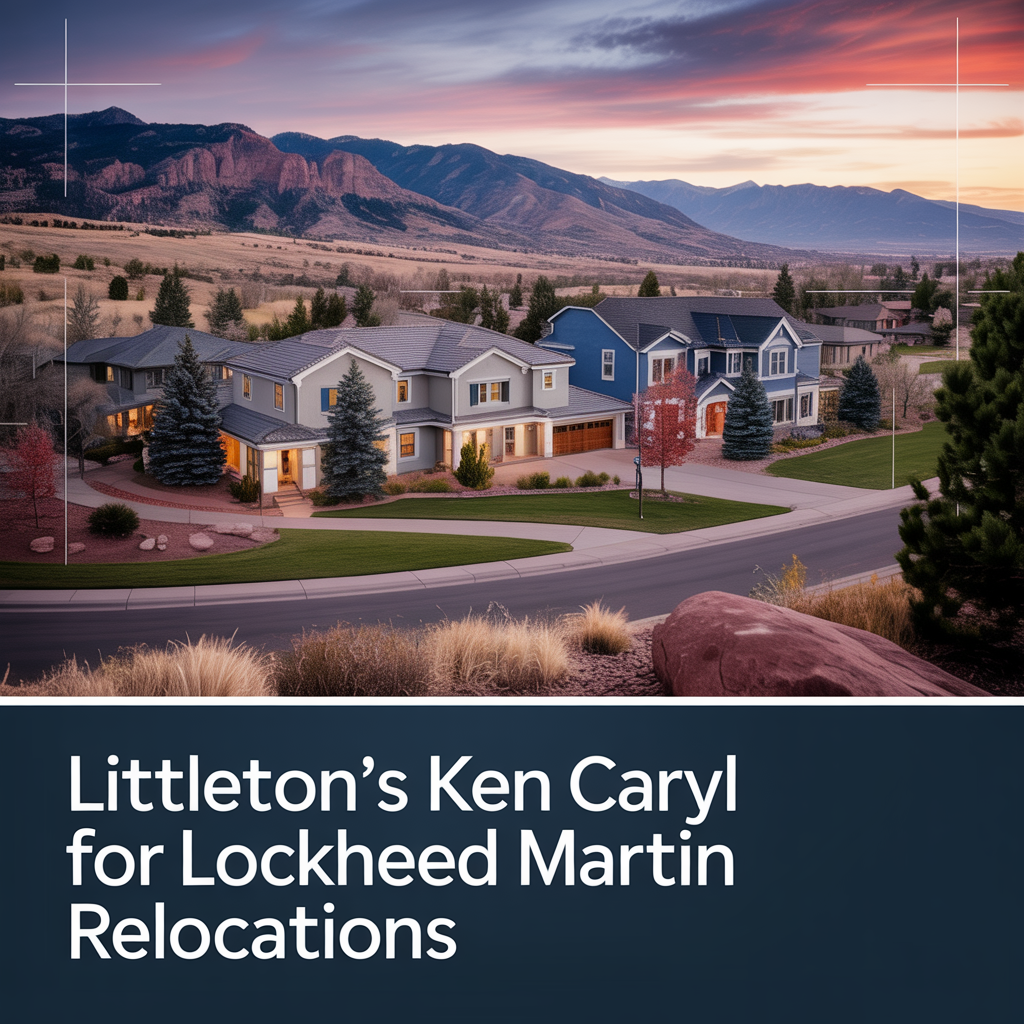
Littleton’s Ken Caryl for Lockheed Relocations
This is part of Lockheed Martin Relocation → [Lockheed Martin Relocation Hub] & the larger Denver Relocation Hub → [Denver Relocation Hub] Written by: Chad Cabalka Ken Caryl is one of the best-kept “family first” relocation options for Lockheed Martin employees who want foothills scenery, strong neighborhood appeal, and a real suburban lifestyle that still feels connected…


Centennial & Parker for Lockheed Relocations
This is part of Lockheed Martin Relocation → [Lockheed Martin Relocation Hub] & the larger Denver Relocation Hub → [Denver Relocation Hub] Written by: Chad Cabalka Centennial and Parker are two of the smartest suburban choices for Lockheed Martin employees relocating with families because they give you a strong balance of commute flexibility, good neighborhood variety, and…

Highlands Ranch for Family-Friendly Lockheed Relocations
This is part of Lockheed Martin Relocation → [Lockheed Martin Relocation Hub] & the larger Denver Relocation Hub → [Denver Relocation Hub] Written by: Chad Cabalka Highlands Ranch is one of the strongest choices for Lockheed Martin employees relocating with families because it delivers exactly what most parents want after a big move: stable neighborhoods, strong community…