


This hub is part of the larger Homeownership 101 Guide → [Homeownership 101]
A Practical Guide to Understanding, Maintaining, and Protecting the Systems That Keep a Home Functioning
Mechanical Systems • Preventive Maintenance • Failure Risk • Ownership Costs • Long-Term Wear
A Practical Guide to Understanding Risk, Coverage, and Financial Protection in Homeownership
Insurance Coverage • Risk Exposure • Policy Gaps • Loss Scenarios • Long-Term Protection
Overview
The Insurance, Risk & Protection Guide is a practical, reality-based resource for homeowners who want to understand how well their home is actually protected—not just whether they “have insurance.”
Most homeowners leave closing with a policy binder, an annual premium, and a sense of relief—but very little understanding of what their insurance truly covers, what it excludes, and where their largest financial risks still exist. Insurance is often treated as a checkbox instead of a strategy.
Homes carry layered risk. Property damage, liability exposure, natural hazards, water events, theft, and loss-of-use scenarios all carry different probabilities and consequences. Many of the most painful ownership outcomes don’t come from uninsured homes—but from misunderstood coverage.
This guide focuses on how homeowner insurance really works, where protection commonly falls short, how risk changes over time, and how thoughtful coverage decisions quietly protect long-term financial stability and ownership flexibility.
Use this resource as a risk framework—not a policy summary.
Explore This Guide
Last updated: January 2026
How Homeownership Risk Actually Works
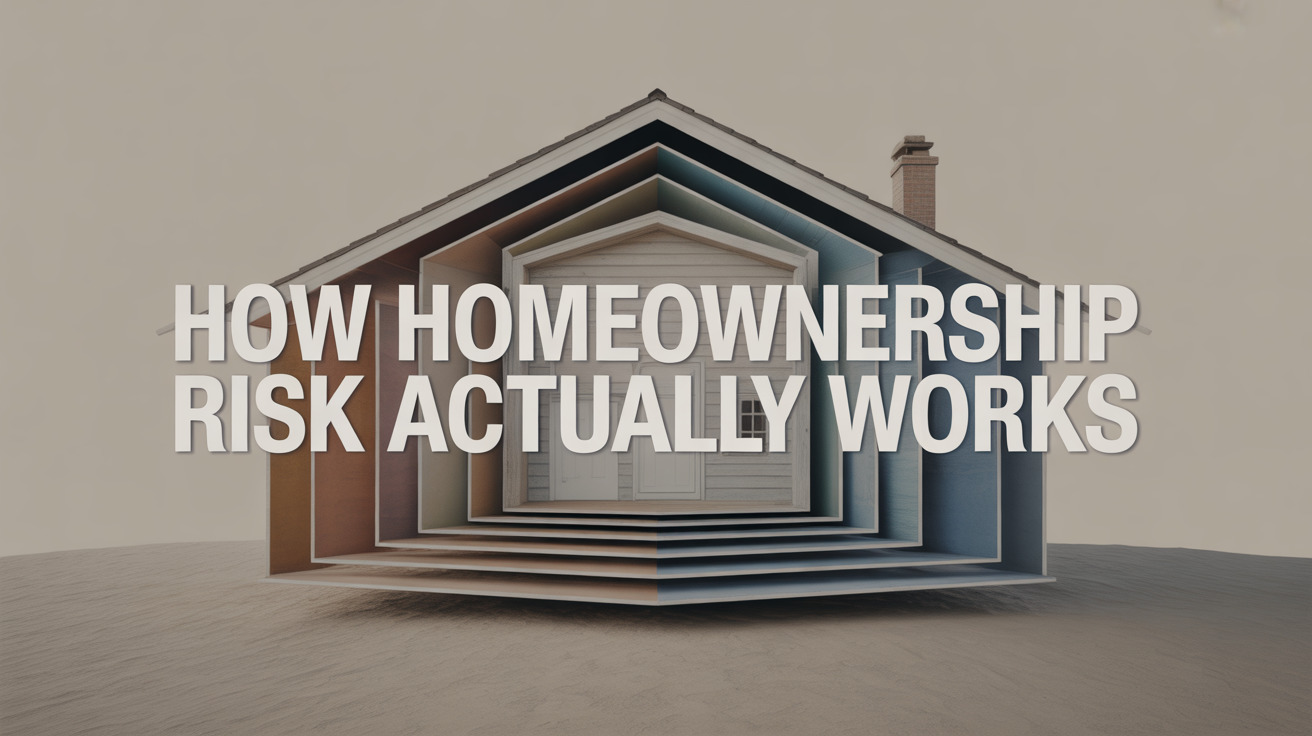
Most homeowner losses aren’t catastrophic—they’re situational. Risk accumulates quietly through exposure, probability, and financial impact.
Some risks are obvious (fire, hail, theft). Others are subtle (water intrusion, liability claims, displacement costs). The most disruptive losses often come from events homeowners didn’t realize were excluded or capped.
Homes are best protected when risk is evaluated early—before assumptions harden.
In practice, homeowner risk is driven less by the policy name and more by:
Coverage structure
Deductible design
Exposure duration
Claim history
Ignoring how risk works doesn’t reduce exposure—it increases surprise.
Common Insurance ASSUMPTIONS That Backfire
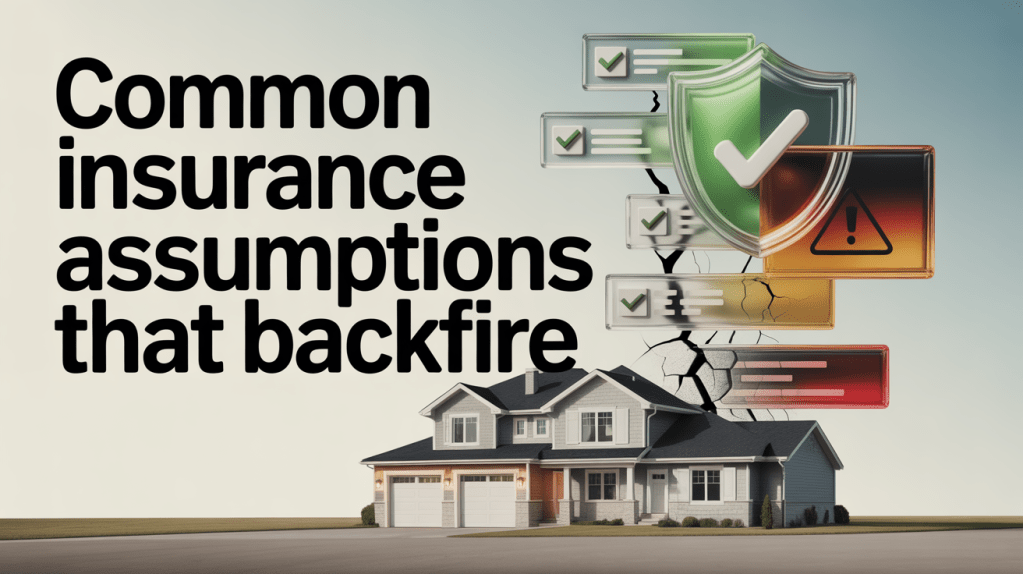
Most homeowners don’t underinsure intentionally—they misunderstand how policies respond.
The most damaging assumptions rarely cause immediate loss. Instead, they surface only after a claim is filed.
Common assumptions include:
Believing “replacement cost” covers everything
Assuming water damage is universally covered
Thinking insurance replaces maintenance
Expecting claims to be consequence-free
Trusting minimum coverage recommendations
Related deep dives:
Why “Fully Insured” Often Isn’t
What Your Policy Likely Doesn’t Cover
The Difference Between Damage and Wear
Why Small Claims Can Cost Big Later
Understanding Agent vs Policy Responsibility
Understanding Coverage Limits & Exclusions

Insurance doesn’t fail—it follows rules.
Knowing where limits apply and exclusions begin is critical to understanding true protection.
Commonly misunderstood areas include:
Dwelling vs personal property limits
Sub-limits for valuables
Water and sewer exclusions
Earth movement and flood gaps
Loss-of-use caps
The goal isn’t exhaustive coverage—it’s informed exposure.
Related deep dives:
Coverage Limits That Matter Most
Hidden Sub-Limits Inside Standard Policies
What Riders and Endorsements Actually Do
Why Flood Isn’t “Optional” in Some Areas
Matching Coverage to Real Replacement Costs
Deductibles, Claims, & Financial Exposure
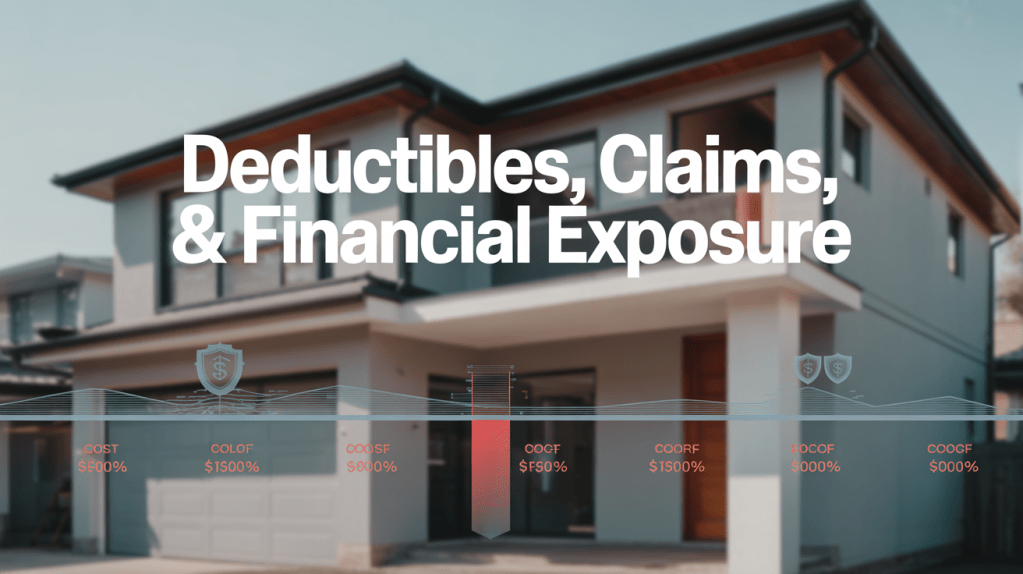
Deductibles don’t just affect out-of-pocket cost—they shape behavior and long-term insurability.
Choosing deductibles without understanding claim frequency and consequence can quietly increase financial risk.
Key considerations include:
High vs low deductible tradeoffs
Claim frequency impact
Premium increases after loss
Carrier non-renewal risk
Protection isn’t just about filing claims—it’s about knowing when not to.
Related deep dives:
How Deductibles Really Work
When Filing a Claim Makes Sense
The Long-Term Cost of “Small” Claims
Self-Insuring Minor Losses
Insurance as Catastrophe Protection
Environmental, Location, & Usage Risk Factors

Risk is local—and personal.
Climate patterns, neighborhood density, home design, and lifestyle all influence exposure differently.
Risk factors often include:
Weather volatility
Proximity to water or open space
Construction type and age
Rental or home office usage
Ignoring location-based risk leads to coverage mismatches—even in newer homes.
Related deep dives:
Why Location Matters More Than You Think
Climate Risk and Insurance Availability
How Home Use Affects Coverage
Construction Types and Loss Profiles
Designing Protection Around Real Risk
When Claims Create Long-Term Consequences
Insurance is designed for recovery—not neutrality.
Claims affect future premiums, eligibility, and options long after repairs are complete.
The issue isn’t damage—it’s permanence.
Related deep dives:
What Happens After a Claim Is Closed
Why Insurance Gets More Expensive Over Time
Carrier Databases and Claim History
Non-Renewal Explained
Planning for Claims Before They Happen
Protection Planning vs Policy Minimums
Minimum coverage satisfies lenders—not homeowners.
True protection requires aligning insurance decisions with financial position, risk tolerance, and long-term plans.
Smart protection planning balances:
Premium cost
Deductible exposure
Claim strategy
Asset protection
Related deep dives:
Why Lender Requirements Fall Short
Insurance as a Risk Transfer Tool
Balancing Cost and Coverage
Protecting Equity and Net Worth
Building a Layered Protection Strategy
What Insurance Can—and Cannot—Protect
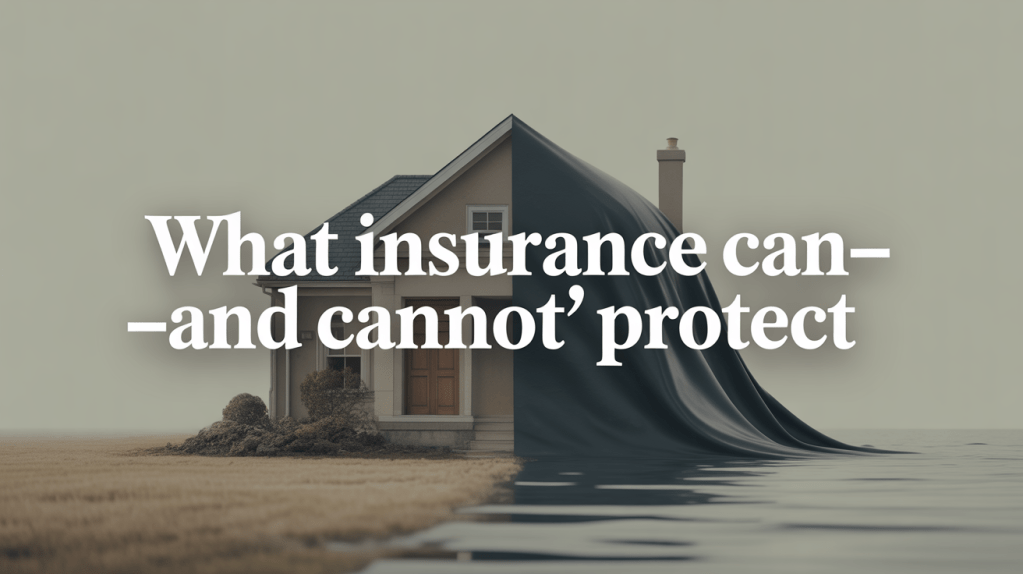
Insurance can:
Transfer catastrophic risk
Provide financial recovery
Protect liability exposure
Preserve ownership continuity
It cannot:
Prevent loss
Cover neglect or wear
Guarantee claim approval
Eliminate financial responsibility
Insurance manages exposure—it doesn’t remove risk.
Closing Perspective
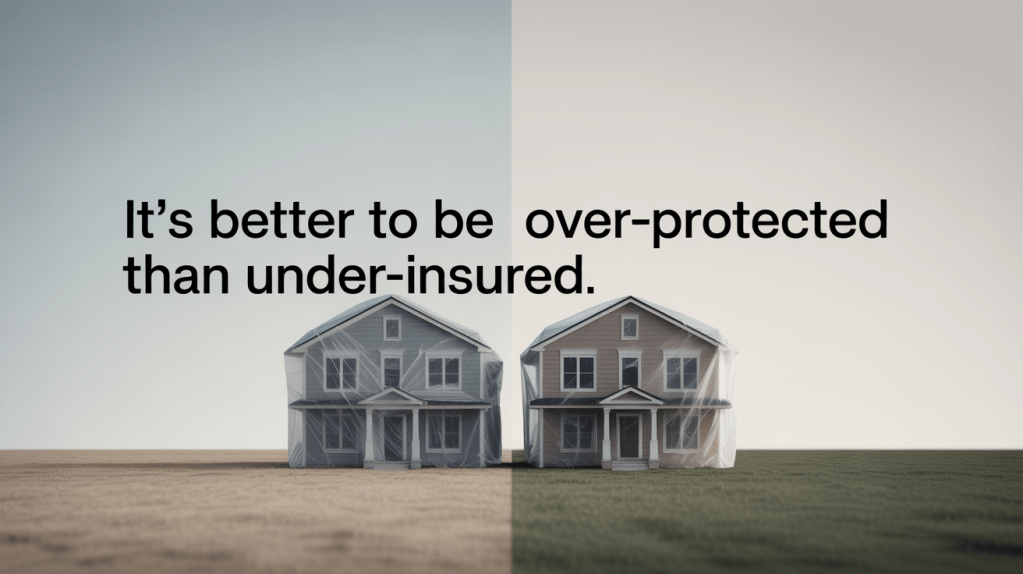
Homeownership risk isn’t eliminated by having a policy—it’s managed through understanding.
Homes reward owners who recognize where insurance protects them, where it doesn’t, and how coverage decisions influence long-term financial resilience. Protection isn’t about fear—it’s about clarity.
This guide exists to help homeowners think risk-aware, coverage-literate, and long-term—so unexpected events don’t become permanent setbacks.
This resource is maintained by Chad Cabalka, lead broker of Mile High Home Group, drawing on years of experience advising homeowners through insurance reviews, claim negotiations, and risk planning across the Denver metro.