



This is part of Arvada Lifestyle Hub → [Arvada Lifestyle Hub] & Arvada Real Estate Guide → [Arvada Real Estate Guide]
Written by: Chad Cabalka
For many families in the west metro, especially those in Arvada, the choice between a downtown Denver–bound and Boulder–bound commute isn’t just about job location — it’s about two very different rhythms, peak traffic patterns, and how those daily drives shape long‑term comfort and quality of life. The Arvada experience sits in the middle of that corridor, and that position gives residents a clearer view of how each direction actually feels on a Tuesday morning after winter snow or a Friday evening when everyone’s trying to get out of town.
The Downtown Denver–Bound Commute from Arvada
For residents in Arvada whose work is in downtown Denver, LoDo, the Golden Triangle, the Tech Center, or the Speer/Broadway corridor, the commute is built around a few main arteries: I‑70, U.S. 36, and Wadsworth. The good news is that Arvada is well connected to these routes, and many neighborhoods are within a short drive of a major on‑ramp, which makes the trip decentralized and reasonably predictable for most of the year.
Peak traffic is heaviest on I‑70 eastbound in the morning and westbound in the evening, especially between federal Center and the 40th Ave exit through central Denver. During heavy snow, that stretch can balloon from a 20–25‑minute drive to 45+ minutes, and the stretch from 40th Ave to the I‑25 split is where gridlock is most common. The W Line light rail, running from Olde Town Arvada through Lakewood, Edgewater, and into Denver, gives a viable off‑peak and sometimes even peak‑hour option for those who can work from Union Station or LoDo, and many families factor in the Eco Pass or employer transit passes when they choose a home near the station.
The rhythm of this commute is fairly mature: people know the on‑ramps, the alternate routes (like Sheridan or Federal), and the “off‑peak” windows (roughly 7:30–4:30). For families, the challenge is mostly in timing school drop‑off with work, and the advantage is that weekends and off‑hours movement is usually fluid, making it easy to get into the city for games, shows, or weekend errands.
The Boulder–Bound Commute from Arvada
The Arvada–Boulder corridor, linked by Wadsworth, Sheridan, and especially U.S. 36, has a different feel entirely, and this is where the direction of travel matters a lot. Commuting from Arvada into Boulder in the morning is often counter‑rush and feels noticeably easier than the reverse; it’s common to hear people say that the 25–30‑minute drive is often quicker and less stressful than the same route back into the more congested Denver core.
U.S. 36 is the main artery, and its Express Lanes (with tolls) help keep the bus rapid transit Flatiron Flyer relatively on time for downtown Boulder and the CU area, but the rest of the freeway is still subject to stop‑and‑go during peak hours, especially near the Flatiron Crossing, Table Mesa, and University commuter zones. The Flatiron Flyer is a solid option for Boulder–bound commuters, particularly if the office is near Downtown Boulder Station, but it’s less frequent and less flexible than Denver’s light rail network, and it still requires a 5–10‑minute drive or bike ride from many Arvada neighborhoods to the nearest park‑and‑ride.
What surprises many Arvada residents is how much more intense the commute feels coming back from Boulder in the evening, especially if they’re also trying to get out of the city on a weekend or during ski season. The western portion of 36 and I‑70 can fuse into a single bottleneck, and families quickly learn to shift errands, shopping, or mountain–direction trips to avoid those overlapping flows.
How These Commutes Affect Neighborhood and Home Choices in Arvada
Over the years, I’ve seen how these two patterns quietly shape where families choose to live and how long they stay in a home. Those who are Denver–bound tend to lean toward neighborhoods that are close to the I‑70 corridor, Wadsworth, or the W Line stations, where the on‑ramp or the train stop is a very short walk or drive. For them, even a 10–15‑minute reduction in the daily drive can be worth a small premium in price or a slightly noisier street.
Boulder–bound families, on the other hand, often look at the northwest side of Arvada and the newer developments near the Table Mesa corridor, where they can access 36 and Wadsworth with a reasonable commute and a bit more green space and newer schools. They’re also more likely to consider the Flatiron Flyer part of the long‑term plan, and that can tip the scale toward a neighborhood near a major park‑and‑ride rather than a smaller, older street in the core.
The practical takeaway is that Arvada isn’t just a “Denver suburb” or a “Boulder suburb”; it’s a west‑metro hinge point, and treating it that way makes the commute feel less like a burden and more like a managed part of the lifestyle. For families deciding where to live, it’s worth mapping out both the typical weekday commute and the typical weekend movement (to the mountains, to the city, to Boulder) to see which neighborhood and home actually align with the real, lived‑out pattern, not just the headline travel time.
A Local’s Perspective on Matching Home to Commute
If you’re thinking about staying in Arvada or choosing a home here with a downtown Denver or Boulder work location, I’d be glad to walk through how each commute feels in daily life, not just on a map. I can help you match the neighborhood and property with the kind of commute rhythm that supports a calm, stable, long‑term life in the west metro, whether that’s a predictable Denver drive, a Boulder–bound Flatiron Flyer routine, or a mix of both. I’ve helped generations of Arvada families make this decision, and I can help you find a home that feels like a true, grounded fit for years in the city.
Get the full Denver Market Insights → [Market Insights]


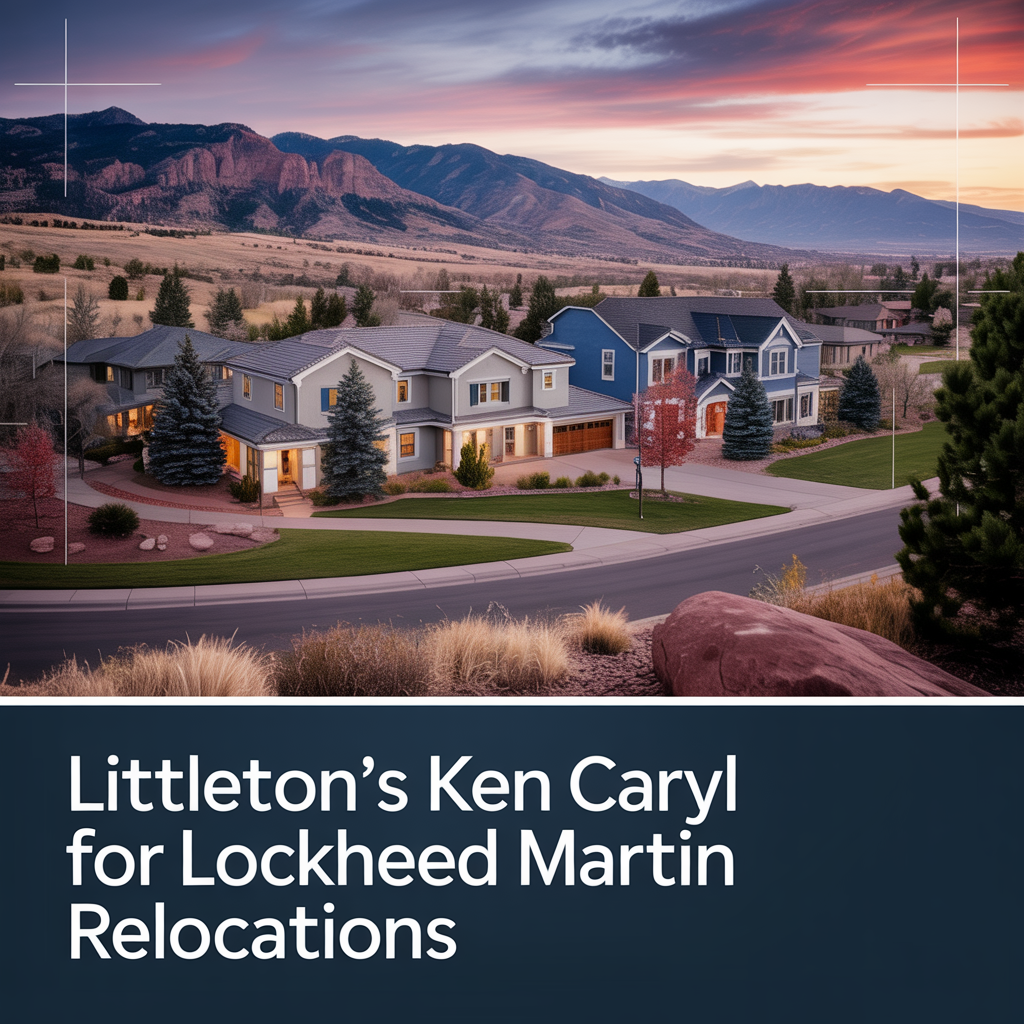
Littleton’s Ken Caryl for Lockheed Relocations
This is part of Lockheed Martin Relocation → [Lockheed Martin Relocation Hub] & the larger Denver Relocation Hub → [Denver Relocation Hub] Written by: Chad Cabalka Ken Caryl is one of the best-kept “family first” relocation options for Lockheed Martin employees who want foothills scenery, strong neighborhood appeal, and a real suburban lifestyle that still feels connected…

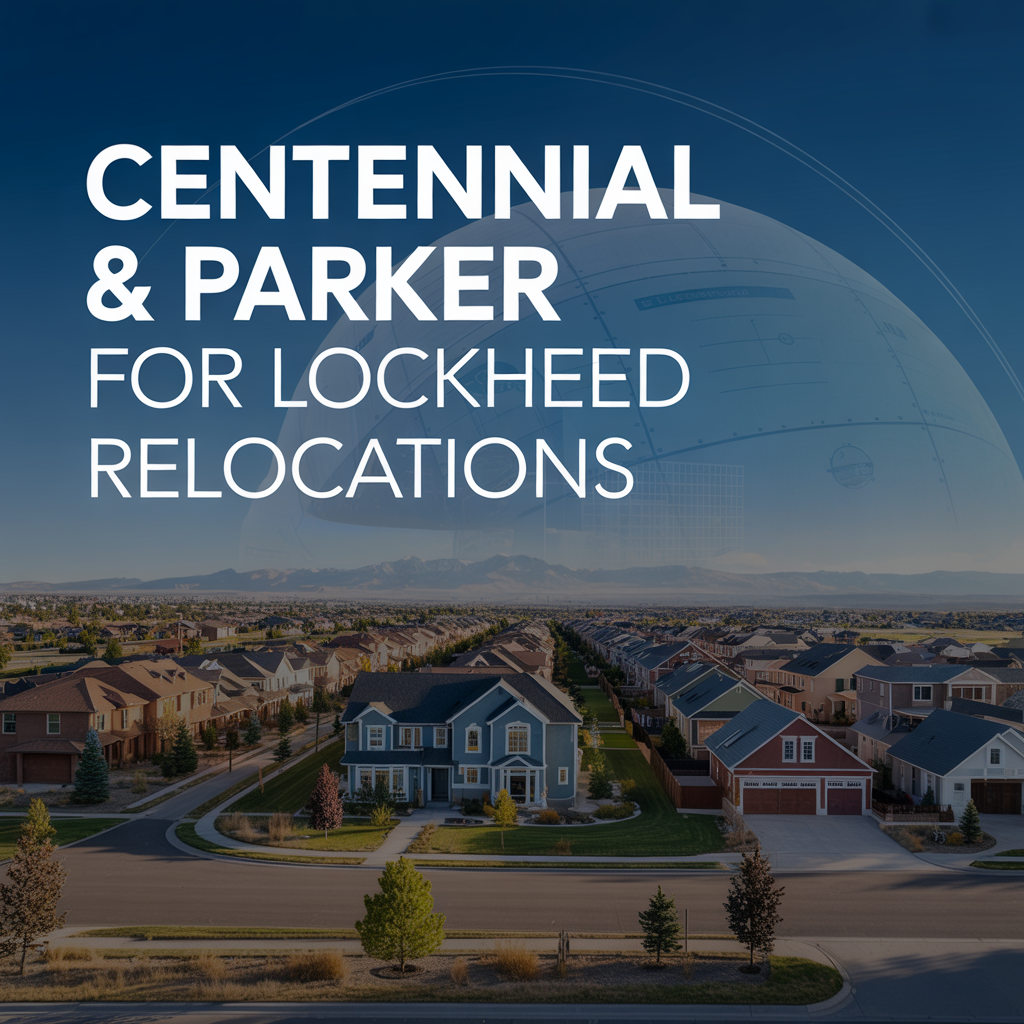
Centennial & Parker for Lockheed Relocations
This is part of Lockheed Martin Relocation → [Lockheed Martin Relocation Hub] & the larger Denver Relocation Hub → [Denver Relocation Hub] Written by: Chad Cabalka Centennial and Parker are two of the smartest suburban choices for Lockheed Martin employees relocating with families because they give you a strong balance of commute flexibility, good neighborhood variety, and…

Highlands Ranch for Family-Friendly Lockheed Relocations
This is part of Lockheed Martin Relocation → [Lockheed Martin Relocation Hub] & the larger Denver Relocation Hub → [Denver Relocation Hub] Written by: Chad Cabalka Highlands Ranch is one of the strongest choices for Lockheed Martin employees relocating with families because it delivers exactly what most parents want after a big move: stable neighborhoods, strong community…