



This is part of Arvada Lifestyle Hub → [Arvada Lifestyle Hub] & Arvada Real Estate Guide → [Arvada Real Estate Guide]
Written by: Chad Cabalka
Living in Arvada, one of the questions that comes up over and over is this: when it’s time to leave the house for work, school, or a planned errand, do you take I‑70 or stay on the surface streets? For people who haven’t lived in the west metro, that might sound like a simple “which is faster?” decision. But for longtime Arvada residents, it’s something deeper — a question about predictability, stress, and how the daily drive shapes the rest of the day. It’s not just about how many minutes it says on the map; it’s about which option feels like a controlled part of the routine and which one feels like rolling the dice.
I‑70: The Shortcut That Comes with Tension
For those going inbound toward Denver, downtown, or the airport, I‑70 is the obvious route — a straight, high‑capacity freeway that can make a 10‑mile trip feel quick when it’s moving. On a normal weekday, without snow, special events, or a major collision, I‑70 is often the fastest leg of the journey, especially between Federal Center and downtown. It’s also the only practical route for airports, major hospitals, and some of the biggest downtown employers, so for many families, it’s not a question of preference, but of necessity.
The catch is that I‑70 is a two‑lane corridor in and out of the city, and that limited capacity turns it into a pressure point during peak hours. The stretch from Federal Center through 40th Ave, the 40th Ave exit, and the split with I‑25 is where backups are most common. When someone gets rear‑ended or runs out of gas, the whole lane can slow to a crawl, and it’s rare for there to be a true “bypass” option. Even minor construction or a police stop can stretch a 25–30‑minute drive into a 50‑minute ordeal, especially in the late afternoon when everyone is funneled westbound.
I‑70 also feels very different when it’s snowing. The highway can be cleared and salted fast, but during the storm itself, it’s notorious for white‑outs, flying rocks, and rapid lane closures. That’s why many experienced Arvada commuters deliberately leave earlier on snowy days, not because they’re in a rush, but because they’ve learned that a few extra minutes on the clock can be the difference between a normal drive and a white‑knuckle, hour‑long crawl. For families, that tension shows up in the choice of when to leave home, whether to send teens out in the snow, and how much of the day’s mental energy gets spent just getting to or from work.
Surface Streets: Slower, but More Predictable
Surface streets in the Arvada area — Wadsworth, Sheridan, Kipling, Ralston, and the 64th–72nd–80th grid — are the other side of the equation. They’re slower mile‑for‑mile, and they’re not going to beat I‑70 on speed when the freeway is clear. But they’re also far more predictable and less sensitive to single incidents. A trip from west Arvada to downtown via Sheridan or Wadsworth might clock in at 30–35 minutes instead of 20–25, but it’s much less likely to blow out to 60 minutes over a wreck on the interstate.
The surface grid also gives flexibility. If there’s a fender‑bender on Kipling, you can dive onto Quaker, Olde Wadsworth, Gun Club, or Indiana and still make reasonable progress. A traffic light runs red, a bus stops, a school gets out — those are part of the normal rhythm, not crisis‑level events. That kind of control is a big deal for families juggling school drop‑off, work, and errands, because it means they aren’t constantly reacting to the stranger’s collision on the freeway. It also makes running quick errands feel more manageable; a trip to the doctor, a stop at a grocery store, or a child’s orthodontist doesn’t feel like a major detour from a tightly timed route.
For commuters heading to Lakewood, the Golden Triangle, or the 36 corridor, surface routes are often the default. Wadsworth and Sheridan see steady traffic, but they’re much less volatile than I‑70, and for many families, that predictability feels like a better trade‑off than saving a few minutes on the clock but giving up all control over the drive.
How This Shapes Real-Life Routines in Arvada
Over the years, I’ve seen how Arvada residents typically settle into a pragmatic rhythm: I‑70 for the longest, most time‑sensitive stretches, and surface streets for the rest. An early morning departure for a tight downtown meeting might mean hitting I‑70 at 6:45 a.m. to avoid the worst of the rush. A later departure, or a day with a flexible schedule, might mean staying on Wadsworth and Sheridan, accepting a slightly longer drive in exchange for a calmer, more predictable experience.
Families with kids and school pickups often build extra time into the morning, then lean on surface routes whenever they can, so that dropping off at school, grabbing coffee, and driving to work doesn’t feel like a tightly choreographed timed event. On weekends, when the goal is to get into the city for a game, a performance, or a family dinner, that balance shifts: many families will still use I‑70 to get there, but they’ll leave earlier than the map suggests, and they’ll often pick a route that avoids the most congested ramps.
Weather and time of year matter a lot too. In summer, I‑70 is often the more efficient option, and families who live near the Arvada or Denver Federal Center stations can pair a short drive to the commuter rail with a surface drive back, lightening the burden on the freeway. In winter, the calculus changes. Many families will avoid I‑70 in the storm itself unless it’s absolutely necessary, and they’ll rely more heavily on the surface grid, especially for school runs and local errands.
A Local Perspective on Choosing Your Daily Route
If you’re thinking about staying in Arvada or choosing a home here, this I‑70–versus‑surface‑street reality is one of the quiet, practical things that matter more than most realize. It’s not just about the commute, but about how it feels day after day: how much stress it adds, how much it strains the schedule, and how it shapes the rhythm of the household.
A home that’s a few minutes closer to the I‑70 exit might feel like a time‑saver on paper, but it also means more exposure to rush‑hour gridlock and the tension of the freeway. A home that’s a bit further from the interstate but well connected to Wadsworth, Sheridan, and the surface grid might trade a few minutes on the clock for a more controlled, less volatile daily drive.
For families, the best approach is often to treat both options as tools, not absolutes. Use I‑70 when it’s clearly the most efficient, and use the surface streets when predictability, control, and a calmer drive matter more than shaving off a few minutes.
If you’re thinking about how this plays out in your own life in Arvada, I’d be glad to talk through it — not with a sales pitch, but as a long‑time Denver area resident who’s lived this balance for years. I can help you think through how the daily drive fits into the bigger picture of your family’s schedule, school commutes, and long‑term comfort in the city.
Get the full Denver Market Insights → [Market Insights]


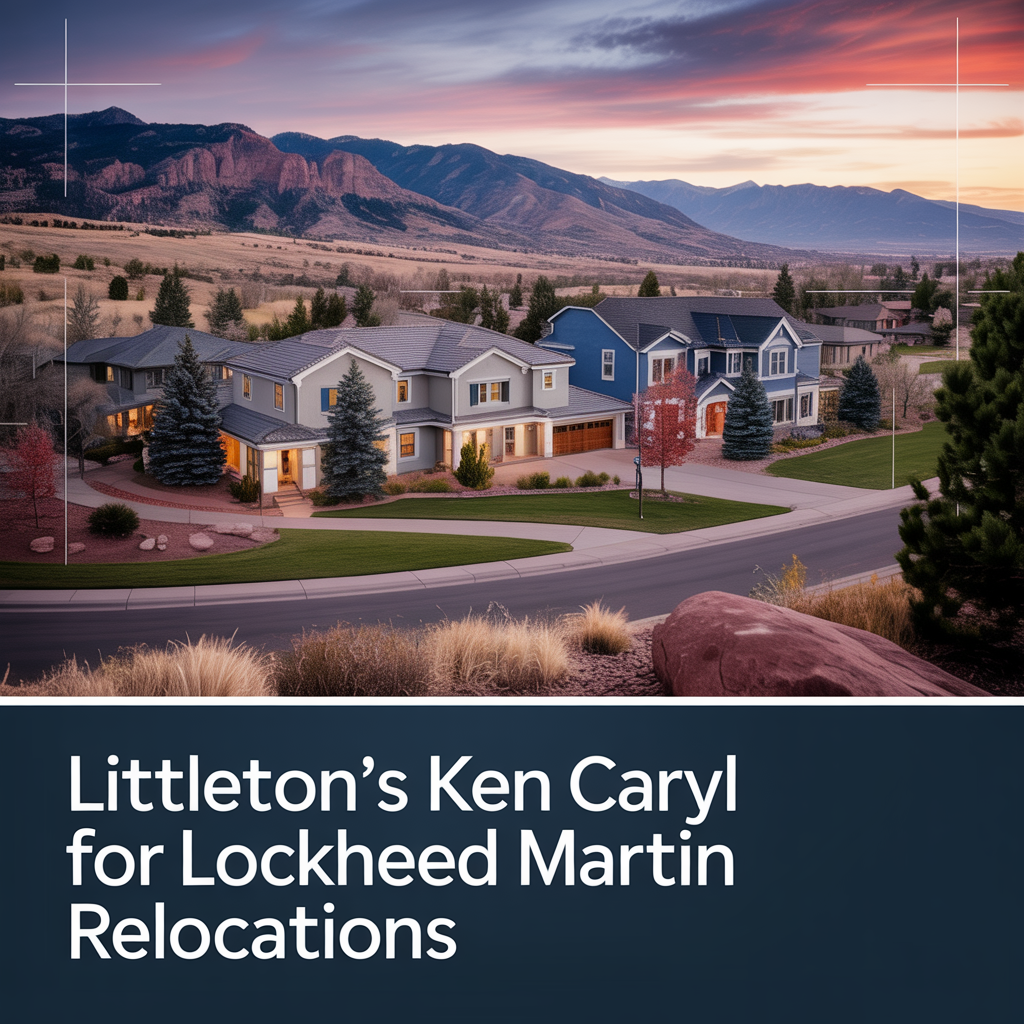
Littleton’s Ken Caryl for Lockheed Relocations
This is part of Lockheed Martin Relocation → [Lockheed Martin Relocation Hub] & the larger Denver Relocation Hub → [Denver Relocation Hub] Written by: Chad Cabalka Ken Caryl is one of the best-kept “family first” relocation options for Lockheed Martin employees who want foothills scenery, strong neighborhood appeal, and a real suburban lifestyle that still feels connected…


Centennial & Parker for Lockheed Relocations
This is part of Lockheed Martin Relocation → [Lockheed Martin Relocation Hub] & the larger Denver Relocation Hub → [Denver Relocation Hub] Written by: Chad Cabalka Centennial and Parker are two of the smartest suburban choices for Lockheed Martin employees relocating with families because they give you a strong balance of commute flexibility, good neighborhood variety, and…

Highlands Ranch for Family-Friendly Lockheed Relocations
This is part of Lockheed Martin Relocation → [Lockheed Martin Relocation Hub] & the larger Denver Relocation Hub → [Denver Relocation Hub] Written by: Chad Cabalka Highlands Ranch is one of the strongest choices for Lockheed Martin employees relocating with families because it delivers exactly what most parents want after a big move: stable neighborhoods, strong community…