


This is part of Littleton Lifestyle Hub → [Littleton Lifestyle Hub] & Littleton Real Estate Guide → [Littleton Real Estate Guide]
Written by: Chad Cabalka
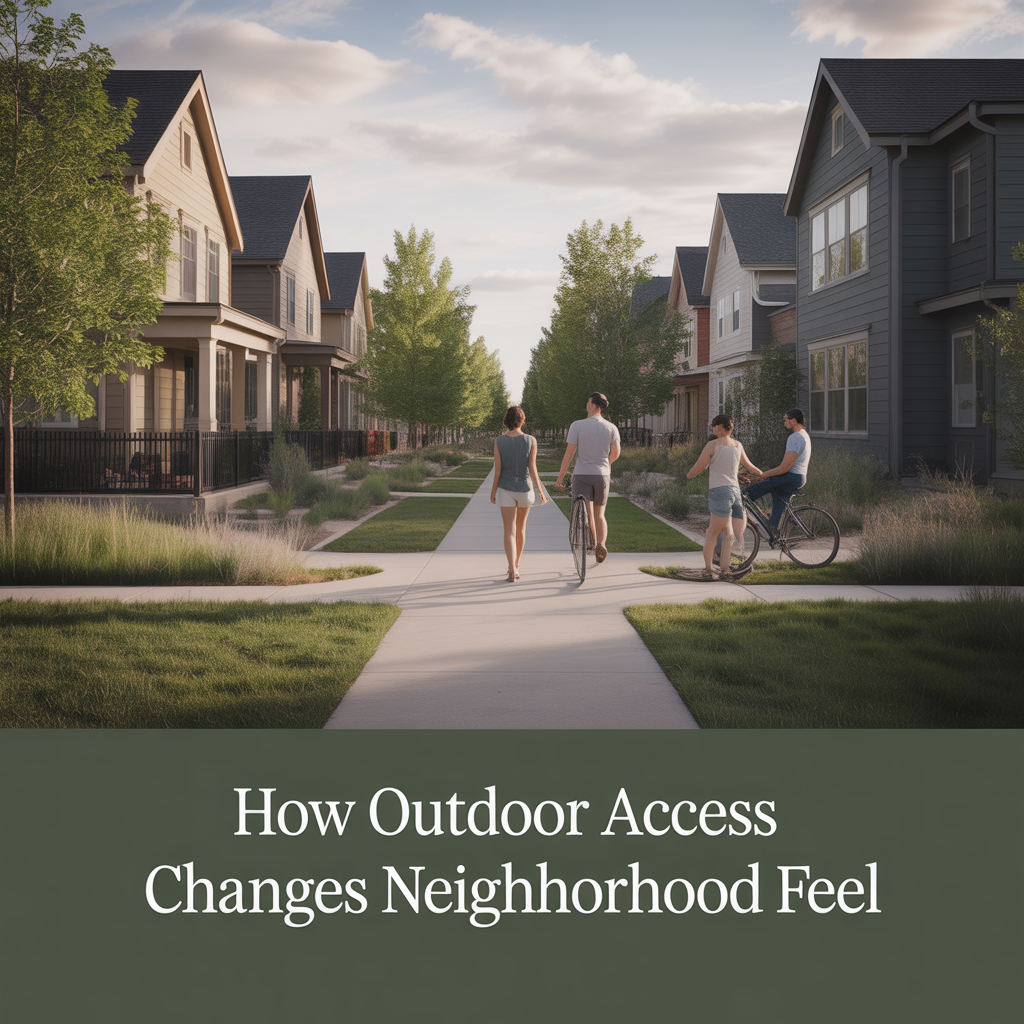
When a neighborhood has serious, walkable outdoor access — like being on the South Platte River Trail, near South Platte Park, or close to a web of neighborhood parks — it changes the entire feel of the place, not just the view from the front porch. After 15+ years in Denver real estate and a lifetime in Littleton, I’ve seen how deeply this kind of access shapes the vibe, the stress level, and the way families actually live in a neighborhood. It’s not just about exercise; it’s about community, safety, and that quiet sense that a place is designed for people, not just cars.
How Access Changes the “Commute” Mindset
In a neighborhood without good outdoor access, the yard is the only escape, and getting outside often means getting in the car, driving somewhere, and spending money. That mindset becomes: “I live in this house, but I have to leave it to do anything interesting.”
In a neighborhood built around trails and parks, the dynamic flips. The South Platte River Trail, Mary Carter Greenway, or a solid neighborhood park become part of the daily routine:
- A 20‑minute walk or bike ride to work or a coffee shop becomes normal, not a special event.
- Kids can walk or bike to school, the park, or a friend’s house without a parent driving them.
- A quick 15‑minute walk or dog walk after dinner is easy and appealing, not a chore.
That changes the whole feel of the neighborhood from a place people endure to a place they actually enjoy living in. It reduces car dependency, lowers stress, and makes the area feel more like a community and less like a series of houses on a busy road.
How It Feels Different for Families
In a neighborhood with real outdoor access, families structure their lives around proximity to the trail or park instead of around car trips. Here’s how that shows up:
- Constant small-group hangouts: Kids on bikes, scooters, or walking with friends to the park; parents meeting up at the same bench or trailhead; dog owners forming loose routines.
- Independent kids: Teens and older kids can ride their bikes to school, practice, or a friend’s house without feeling like they’re in a high‑traffic zone.
- Stay‑in‑neighhood weekends: Families don’t feel like they have to drive to the mountains or a major attraction to “go out”; they can ride the trail, go to a park event, or just hang at a local green space.
That sense of safety, independence, and routine is what parents notice five years after moving in. It’s easy to underestimate when you’re just looking at a home, but once a family is living there, it becomes a major reason they stay put instead of chasing a newer, bigger house in a less connected area.
How It Changes the “Old vs. New” Trade‑Off
A lot of neighborhoods in Littleton have a mix: older, smaller homes on established streets with mature trees and quick access to parks, versus newer, larger subdivisions on the edge of town with more space and newer finishes but less walkable access.
Outdoor access changes the calculus:
- In a neighborhood with strong park access, an older, smaller home often feels more livable than a bigger, newer house that’s isolated.
- The “extras” come from being within a 5–10‑minute walk to a park or trail, not just from a finished basement or a big kitchen.
- Over time, families value the neighborhood’s ability to support daily life (walks, dog walks, kids playing, casual hangouts) more than square footage.
This is why certain older parts of Littleton (like the 80120–80126 core) often hold their value very well, even if they’re not the newest builds. The neighborhood’s link to parks and trails makes them feel like a real place, not just a transitional step.
How It Affects Neighborhood Safety and Eyes on the Street
Neighborhoods with good outdoor access tend to feel safer, and that’s not just a feeling — it’s built into how people actually use the space:
- Trails and parks increase “eyes on the street” at all hours: morning dog walkers, mid‑day walkers, evening commuters, families on weekends.
- Flexible routes mean people can walk or bike in different combinations, so the area doesn’t feel deserted at prime times.
- Parks and trails are social infrastructure: people know each other, wave, and notice if something feels off.
In practical terms, this means that families are more comfortable letting kids play outside, walking alone at night, or leaving a bike locked near a park. That safety and comfort is a huge quality‑of‑life factor, especially when comparing neighborhoods that look similar on paper but feel very different once you’re living there.
How It Changes the “Downtown” Feel
Someday you tour a neighborhood where everything is car‑dependent, and the closest “downtown” is a mall or a strip mall with a parking lot. It feels like a place to shop, not a place to be.
In Littleton neighborhoods where the South Platte River Trail or Mary Carter Greenway connects to Old Town, the dynamic is different:
- Downtown Littleton, Aspen Grove, and local parks become walkable or bike‑able destinations, not drive‑only ones.
- Families can walk into Old Town for coffee, dinner, or a movie night, park once, and walk home.
- The trail becomes a corridor of activity, not just a path through the suburbs.
That changes the feel from “suburb” to “walkable community.” It makes it easier to build spontaneous routines — coffee with a friend, a post‑dinner ice cream, a Sunday afternoon at Hudson Gardens — without needing to treat every outing like a planned road trip.
How It Impacts Resale and Long‑Term Value
From a pure real estate standpoint, easy access to trails, parks, and open space is one of the quietest value drivers in Littleton and south Jeffco. It shows up in three main ways:
- Longer tenures: Families who live in walkable/bikeable neighborhoods are less likely to move just to get more house; they’re already getting the lifestyle they want.
- Higher demand from active buyers: Younger families, professionals, and empty‑nesters who value walking, biking, and outdoor access are willing to pay a small premium for homes that are close to the trail or a strong neighborhood park.
- Neighborhood stability: Parks and trails act as anchors; they keep the neighborhood attractive even as the housing stock ages, and they help maintain a consistent community feel.
When working with clients, I often see that the homes that sell the fastest and hold their value best are the ones that combine a good school district, a solid commute, and real, usable access to the outdoors.
How It Changes the “Daily Life” Math
At the end of the day, the biggest change outdoor access makes is in how people experience their daily life. Without it:
- Getting outside is a planned, driven, often expensive event.
- Kids are more car‑dependent, and household logistics revolve around chauffeuring.
- The neighborhood feels more like a place to sleep than a place to live.
With good access to the South Platte River Trail, Mary Carter Greenway, and the parks network:
- Movement becomes automatic: a walk after dinner, a bike ride to work, a dog walk on the trail.
- Kids can be independent, and families can spend more time together outdoors.
- The neighborhood feels connected, safe, and designed for people, not just for cars.
If you’re choosing a home in Littleton or south Jeffco, don’t just compare school scores and price per square foot. Look at which neighborhoods are truly walkable to a park, the South Platte River Trail, and Old Town, and how that access fits into your actual daily routine. I help families translate that real, lived‑in feel into a clear home strategy so they can choose a neighborhood that feels like a home, not just a house on a busy street.
Get the full Denver Market Insights → [Market Insights]


Littleton’s Ken Caryl for Lockheed Relocations
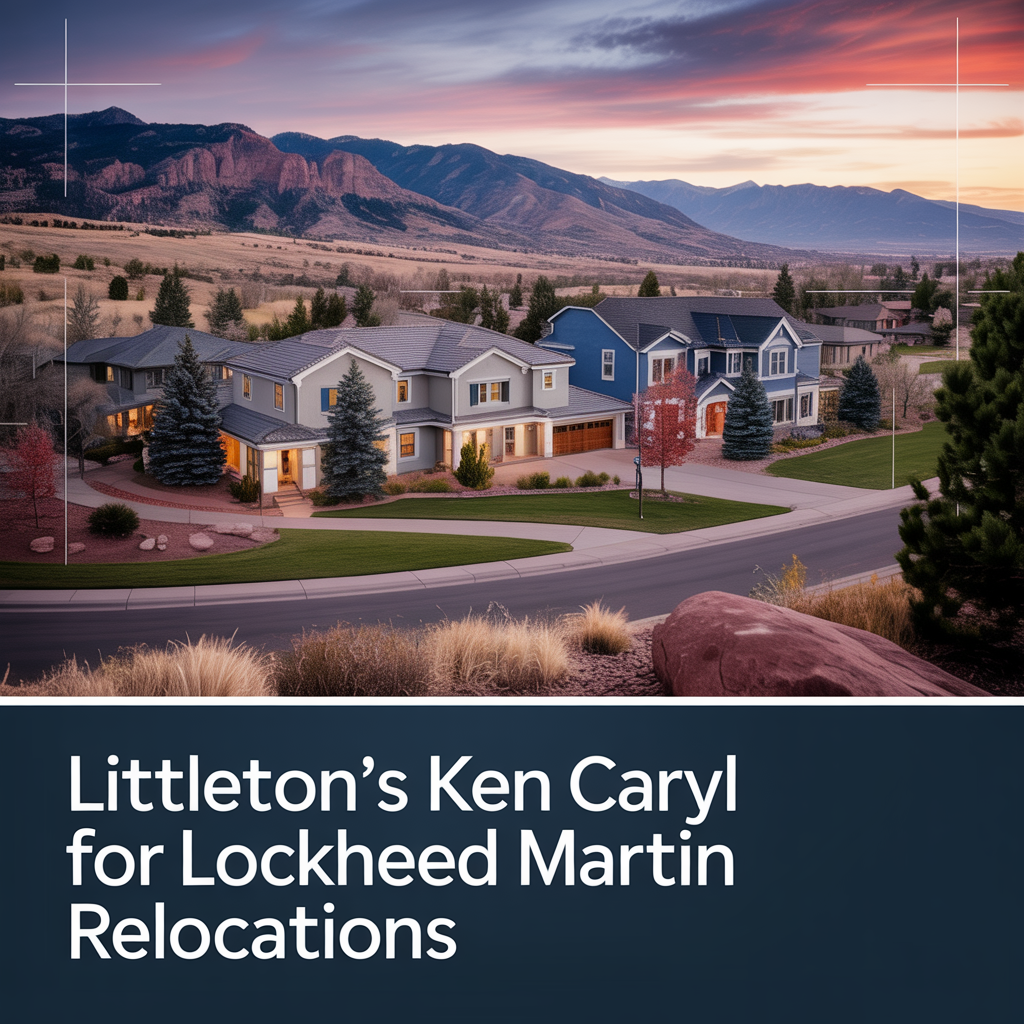
This is part of Lockheed Martin Relocation → [Lockheed Martin Relocation Hub] & the larger Denver Relocation Hub → [Denver Relocation Hub] Written by: Chad Cabalka Ken Caryl is one of the best-kept “family first” relocation options for Lockheed Martin employees who want foothills scenery, strong neighborhood appeal, and a real suburban lifestyle that still feels connected…

Centennial & Parker for Lockheed Relocations
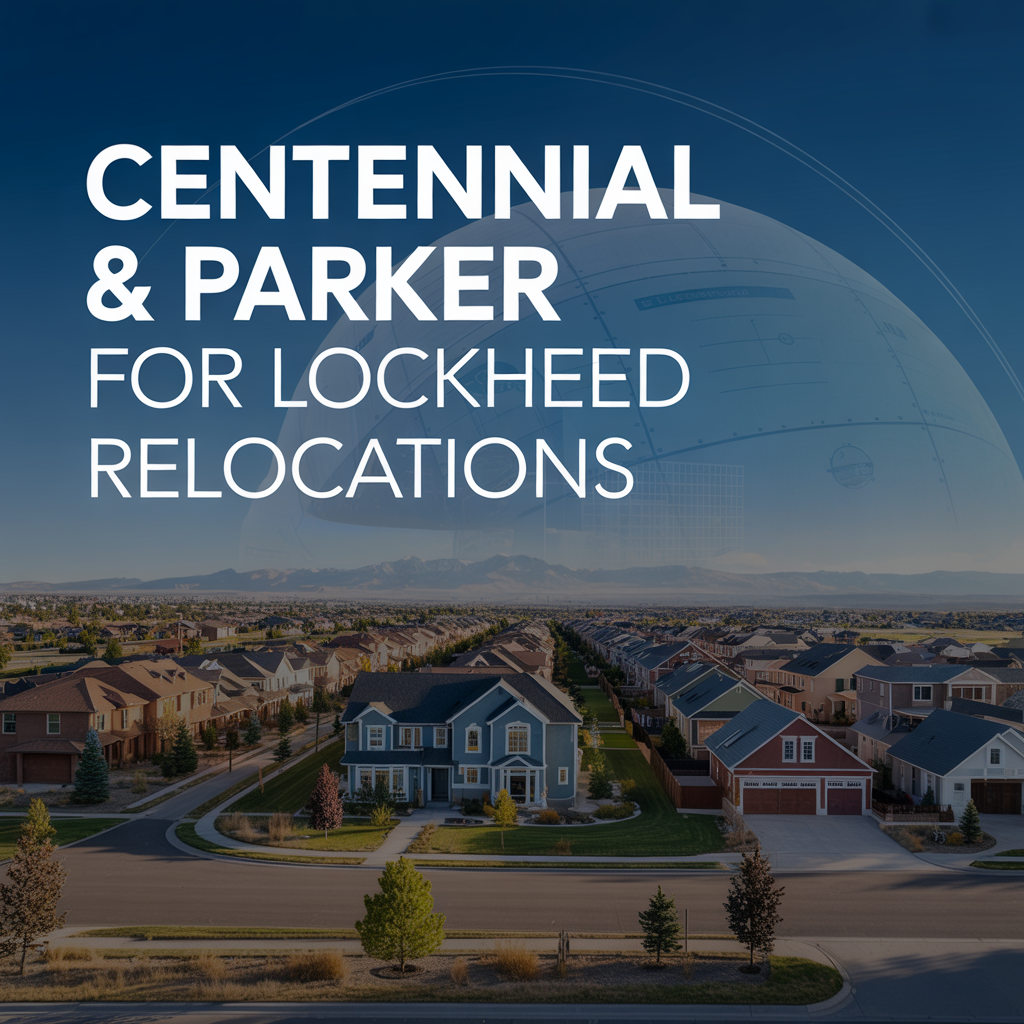
This is part of Lockheed Martin Relocation → [Lockheed Martin Relocation Hub] & the larger Denver Relocation Hub → [Denver Relocation Hub] Written by: Chad Cabalka Centennial and Parker are two of the smartest suburban choices for Lockheed Martin employees relocating with families because they give you a strong balance of commute flexibility, good neighborhood variety, and…

Highlands Ranch for Family-Friendly Lockheed Relocations
This is part of Lockheed Martin Relocation → [Lockheed Martin Relocation Hub] & the larger Denver Relocation Hub → [Denver Relocation Hub] Written by: Chad Cabalka Highlands Ranch is one of the strongest choices for Lockheed Martin employees relocating with families because it delivers exactly what most parents want after a big move: stable neighborhoods, strong community…