


This is part of Arvada Lifestyle Hub → [Arvada Lifestyle Hub] & Arvada Real Estate Guide → [Arvada Real Estate Guide]
Written by: Chad Cabalka
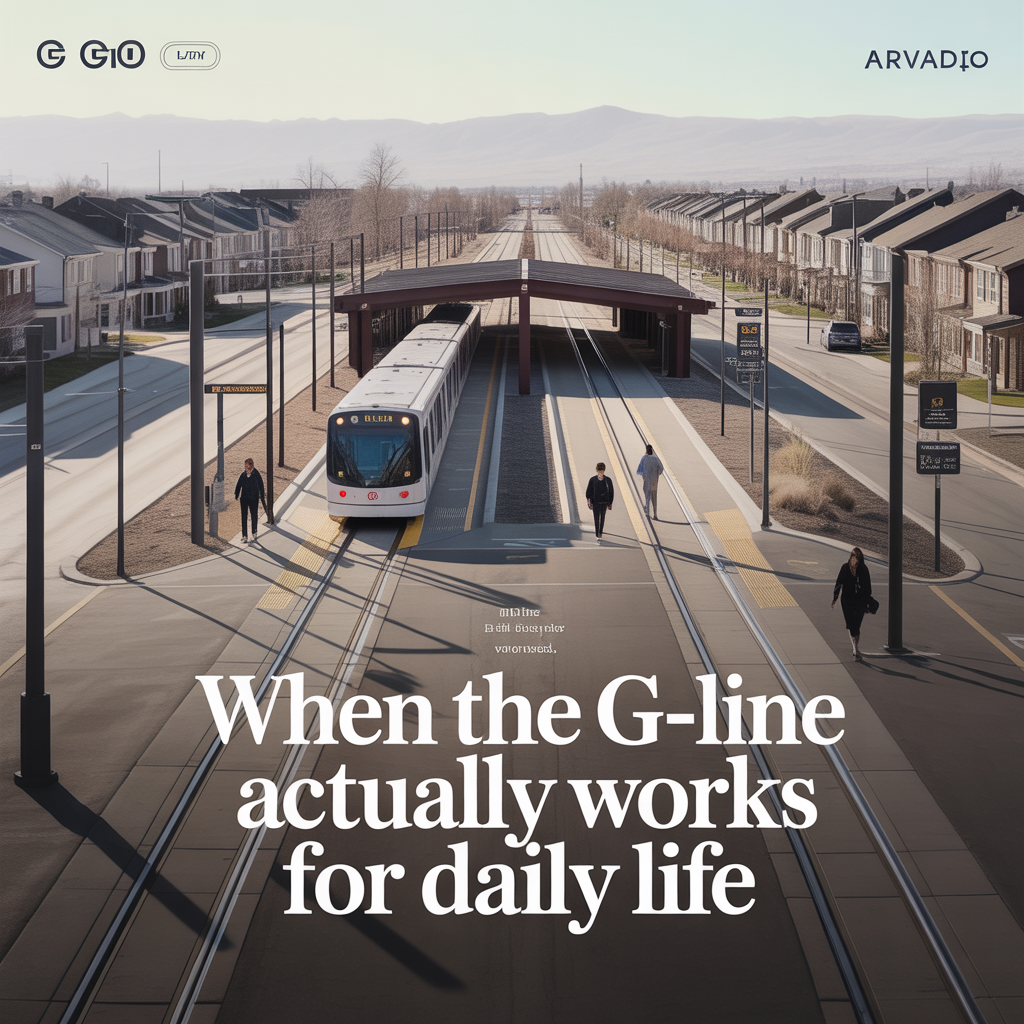
In Arvada, the difference between a park‑and‑ride lifestyle and a walkable G Line station is more than just parking; it’s a whole different rhythm of home, work, and daily life. The G Line works well in both setups, but each creates a distinct kind of Arvada experience that shapes how families move, how they use the neighborhood, and how much they really rely on the car. For anyone thinking about where to live, understanding that split — a park‑and‑ride commute versus a walkable downtown setup — is one of the quiet, practical decisions that can make a home feel like a true fit or a constant compromise over the long run.
Park‑and‑Ride Commuters: A Car‑Centric, Suburban Workday
The park‑and‑ride lifestyle in Arvada — anchored at stations like Arvada Ridge and 60th & Sheridan (Arvada Gold Strike) — serves a classic suburban pattern: a longer drive to the station, then a fast, predictable train into downtown Denver. Homes in this category are usually deeper in the subdivisions, further from Olde Town, and more oriented toward a multi‑car, activity‑driven family life, not a pedestrian downtown feel.
For these households, the routine is:
- Wake up, pack up, and drive the car to the station, parking in the lot at Arvada Ridge or 60th & Sheridan.
- Take the G Line into Union Station, downtown, or the Golden Triangle, avoiding I‑70 traffic and parking hassle while in the city.
- Use the train for the core workday, then ride back to the car at the end of the day.
The vehicle is still the main tool for school drop‑off, errands, childcare, sports, and weekends, and the G Line is a smart, intentional swap for the daily office commute. It’s a very practical choice for families who want the convenience of rail access without sacrificing the space, privacy, and yard features of a west‑side Arvada home.
What makes this work is predictability. The stations sit near major arterials (Kipling, Wadsworth, Sheridan, Federal), so getting to the train is usually a quick, familiar drive, and the schedule is reliable enough that it can be built into the workday. The trade‑off is that it’s still a car‑centric lifestyle: the household needs at least one car, and the “park and ride” step adds a few minutes to the morning and evening, but it keeps the commute into the city low‑stress and predictable.
Walkable Station Life: Olde Town Integration
The walkable station lifestyle is almost the opposite: it’s built around the Olde Town Arvada station, where the G Line is just one piece of a much more connected, walkable, urban‑adjacent routine. Homes in this zone are often closer to the historic core, on sidewalks, with a much stronger link to the Arvada Center, Main Street, restaurants, breweries, and neighborhood events.
For families and households in this area, daily life is:
- Shoe on the door, out the front, and a 2–10 minute walk to the Olde Town station platform.
- A short, predictable ride into downtown, ideal for 9‑to‑5 downtown jobs, clients in LoDo, or occasional meetings.
- The ability to “not drive into the city,” which reduces wear on the car, fuel, and parking costs, especially on snow days or big event nights.
Importantly, this setup doesn’t eliminate the car, but it reduces the need for it. Groceries, errands, school runs, and after‑school activities still usually require a vehicle, but the core work commute can be handled without the car on many days, and that’s a real lifestyle shift. For households that value being near shops, cafes, concerts, and a lively sidewalk life, the walkable station becomes a key part of the neighborhood’s appeal, not just a transit stop.
How Each Affects Lifestyle and School Routines
The choice between park‑and‑ride and walkable station shapes how families actually live in Arvada:
For a park‑and‑ride household, the neighborhood feels more dispersed and spread out, like a classic suburban cluster of schools, subdivisions, and parks. The kids are bused or driven to school, activities are spread across the west metro, and the household is optimized around the car, with the G Line added as a smart perk for the workday. That’s a strong fit for families who want more yard, more privacy, and a more traditional cul‑de‑sac feel, but it means the home is less about “walking to dinner” and more about “driving everywhere, then train into town.”
For a walkable station household, the neighborhood feels more integrated, more “downtown‑adjacent.” The kids might walk or bike to school, the parents are more likely to run a lunch errand on foot, and evenings and weekends often include Main Street dinners, patio drinks, and shows at the Arvada Center within a short walk. The car is used for the bulk of school and activity logistics, but the workday into downtown can be car‑light, and that changes the rhythm of the week quite a bit.
How to Choose the Right Fit for Your Family
The best way to decide between park‑and‑ride and walkable station is to be honest about how the family actually spends its time:
- Does the workday require a daily, predictable downtown commute, but the rest of the week revolve around scattered schools, activities, and errands that all need a car? That’s often a strong signal for a park‑and‑ride setup in the west‑side subdivisions.
- Is there a strong desire to be near a walkable downtown, Olde Town events, and a more urban rhythm, with at least one adult working a steady downtown schedule? That’s a strong sign that a home near the Olde Town station — and a walkable Arvada core lifestyle — is a better fit.
Neither is “better” in an absolute sense; they’re just different. The park‑and‑ride pattern is about flexibility and space, while the walkable station pattern is about centrality and convenience to a lively downtown.
A Local Perspective on Matching Home to G Line Lifestyle
If you’re thinking about where to live in Arvada and how the G Line will actually fit into the family’s routine, I’d be glad to walk through the trade‑offs of park‑and‑ride versus walkable station neighborhoods. I can help you see how each lifestyle shapes the daily rhythm, school logistics, and long‑term comfort in the city, and how to choose a home that feels like a true, grounded base for the years ahead, not just a spot on the map.
Get the full Denver Market Insights → [Market Insights]



Littleton’s Ken Caryl for Lockheed Relocations
This is part of Lockheed Martin Relocation → [Lockheed Martin Relocation Hub] & the larger Denver Relocation Hub → [Denver Relocation Hub] Written by: Chad Cabalka Ken Caryl is one of the best-kept “family first” relocation options for Lockheed Martin employees who want foothills scenery, strong neighborhood appeal, and a real suburban lifestyle that still feels connected…


Centennial & Parker for Lockheed Relocations
This is part of Lockheed Martin Relocation → [Lockheed Martin Relocation Hub] & the larger Denver Relocation Hub → [Denver Relocation Hub] Written by: Chad Cabalka Centennial and Parker are two of the smartest suburban choices for Lockheed Martin employees relocating with families because they give you a strong balance of commute flexibility, good neighborhood variety, and…

Highlands Ranch for Family-Friendly Lockheed Relocations
This is part of Lockheed Martin Relocation → [Lockheed Martin Relocation Hub] & the larger Denver Relocation Hub → [Denver Relocation Hub] Written by: Chad Cabalka Highlands Ranch is one of the strongest choices for Lockheed Martin employees relocating with families because it delivers exactly what most parents want after a big move: stable neighborhoods, strong community…