


This is part of Castle Rock Lifestyle Guide → [Castle Rock Lifestyle Hub] & Castle Rock Real Estate Guide → [Castle Rock Real Estate Guide]
Written by: Chad Cabalka
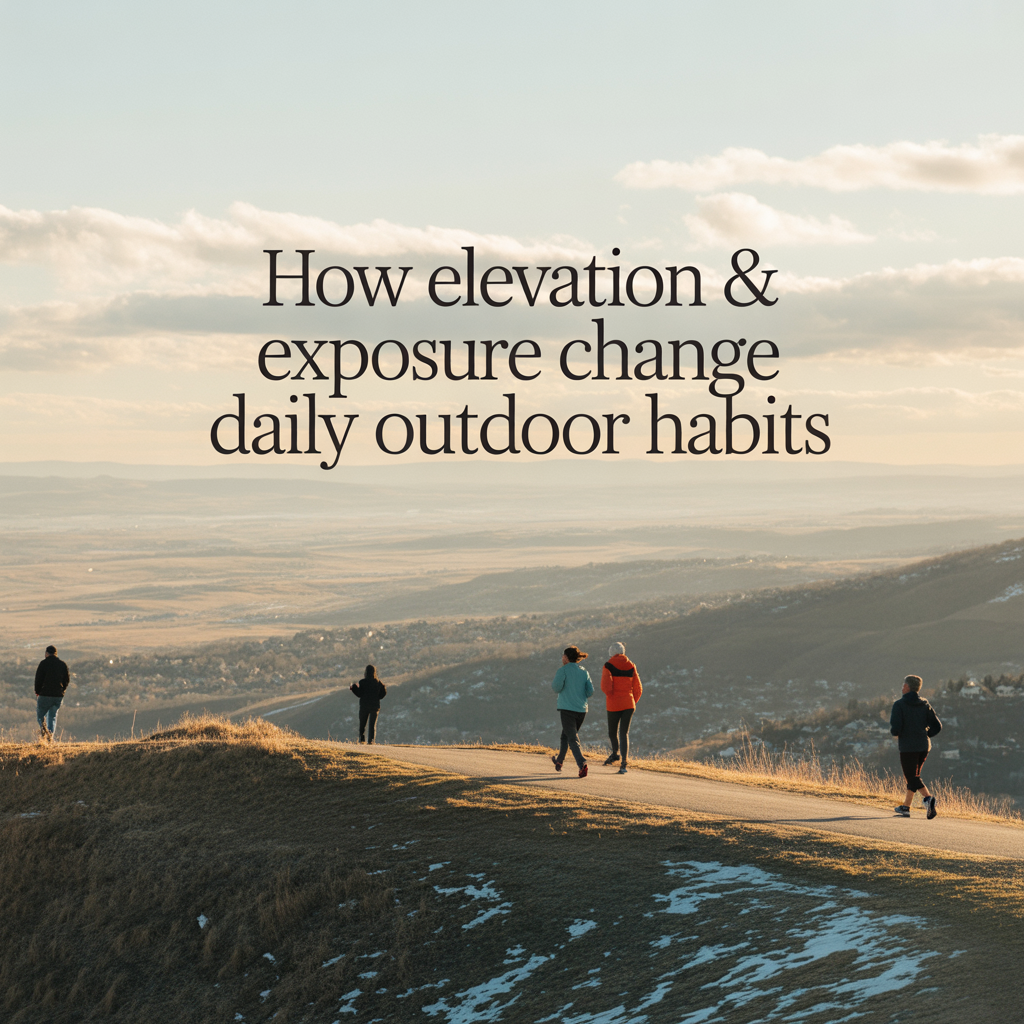
Elevation and exposure are two of the quiet forces that shape how people actually live outside in Castle Rock. At our altitude — roughly 6,200 feet in town with local terrain ranging from about 5,850 to nearly 6,950 feet — the same 25‑degree morning feels very different on a shaded east‑facing street than it does on a sunny west‑side ridge.
The Basics: Castle Rock’s Elevation and Micro-Relief
Castle Rock as a whole sits around 6,224 feet, with an average elevation closer to 6,400 feet when you include the ridges and higher surrounding terrain. Within town limits, the lowest areas are down in creek corridors around 5,850 feet, while higher benches and ridges approach 6,900–6,950 feet. Neighborhoods like The Meadows and Red Hawk climb up toward the western ridgeline and open space, while eastern and southern areas like Hidden Mesa and parts of Franktown‑adjacent terrain sit on slightly higher or rolling ground overlooking Cherry Creek and other drainages.
Those changes might not sound big on paper, but a 400–800 foot difference in elevation inside the same town can mean:
- More wind exposure and bigger views on higher ridges.
- Cooler nighttime lows in some exposed spots.
- Different snow and ice behavior, especially on slopes and in shaded pockets.
Layer sun exposure (which side of the hill you’re on, and which way your yard faces) on top of that, and you end up with very different “outdoor personalities” from block to block.
Sun Exposure: Which Side of the House You Actually Use
In Castle Rock, the direction your yard faces often matters as much as the yard size.
- South‑facing yards and slopes get the best winter sun. Patios melt off faster, sidewalks and driveways shed ice sooner, and you can sit outside on a sunny 40‑degree day and actually enjoy it.
- North‑facing yards and shaded canyons hold cold and snow longer. Snowpack can linger on sidewalks, side yards, and shaded decks, and you’ll wear a jacket or hat for the same activity your friend is doing in a T‑shirt on the sunny side of town.
- West‑facing exposures bask in afternoon sun but can be hot and bright in summer; in winter, they often feel great from about 2–4 p.m. when the sun is low and warm.
- East‑facing exposures warm early but cool off quickly; breakfast on the front porch might be lovely, but by late afternoon you’ll be in shade and layering up.
Over time, that shapes daily habits:
- People with sunny south or west patios are more likely to use them year‑round for coffee, reading, or working outside.
- North‑facing decks might become strictly three‑season spaces unless you invest in heaters or wind protection.
- Families often choose where kids play based on where the snow melts first — a small sunny side yard sometimes gets more use than a bigger shaded backyard.
When you walk neighborhoods on a cold but clear day, you can feel this immediately: some cul‑de‑sacs look slushy and active; others are still icy and quiet.
Elevation Differences: Ridges vs Creek Corridors
Within Castle Rock, life on a ridge feels different from life down near Plum Creek or Cherry Creek.
Higher, more exposed neighborhoods
- Western areas near Ridgeline Open Space and elevated parts of The Meadows and Red Hawk sit closer to the upper end of town’s elevation range.
- Eastern high points like Hidden Mesa Open Space and the benches above Cherry Creek carry more wind and stronger sun exposure, along with big views.
Daily implications:
- More wind: You’ll feel gusts more often on walks and bike rides, and you may need heavier outer layers for the same temperature.
- Faster drying: Trails and sidewalks can dry out quickly after storms, which is great for year‑round use but can also mean more dust in dry spells.
- Bigger swings: Sunny winter days can feel fantastic up high; cold snaps can feel sharper when the wind is up and there’s no shelter from buildings or trees.
Lower, more sheltered areas
- Creek corridors like East Plum Creek and Sellars Gulch, and older neighborhoods lying closer to those bottoms, sit at the lower end of the elevation band.
- These spots often feel a bit more protected from wind and can be slightly more humid thanks to riparian vegetation and the water influence.
Daily implications:
- Calmer air: Walks and bike rides can feel gentler, especially on cold days, because you’re less exposed to crosswinds.
- Cooler nights: Cold air can settle in low pockets, so frosts and chilly evenings might linger, especially in winter and early spring.
- More shade in places: Tree cover and topography can create pockets where snow and ice hold on longer, particularly on north‑facing creek banks.
For many residents, this is the difference between using a trail or park almost every day in winter versus mostly waiting for weekends or warm spells.
How Elevation & Exposure Shape Exercise Habits
Elevation is already a factor in how your body feels effort; at roughly 6,200–6,400 feet, your heart and lungs work harder than they would at sea level for the same pace. Add in local relief — short but meaningful climbs on ridges and park loops — and you get a built‑in training benefit.
In practice:
- Ridge‑adjacent residents (Ridgeline, Philip S. Miller area, higher Terrain and Crystal Valley streets) often build short, steep hill work into daily walks and runs just by stepping outside. That can mean shorter but more intense sessions, especially for busy professionals.
- Trail‑and‑creek corridor residents (near East Plum Creek Trail, Sellars Gulch, and lower parks) get easier, flatter routes for longer steady runs, stroller walks, and beginner bike rides. That makes it simpler to be consistently active across all ages and fitness levels.
Wind and sun also dictate timing:
- On winter days, people tend to favor mid‑day activity on exposed ridges (more sun, less chill) and may head to creek corridors early or late when temperatures are milder.
- In summer, early mornings and evenings on ridgelines help avoid heat, while shaded low‑lying segments along creeks stay pleasant into mid‑day.
If you watch Ridgeline and East Plum Creek over a week, you see that pattern: ridges busy in shoulder seasons and crisp sunny days; creek trails heavily used year‑round, especially for family and casual use.
Outdoor Living Spaces: Which Yards Get Used
The combination of elevation and exposure also decides which yards and outdoor features really earn their keep.
Common patterns:
- Wind‑swept decks on higher ridges sometimes need screens, pergolas, or glass panels before they become daily living spaces, even if the views are exceptional. Without wind protection, those decks can be “spectacular but short‑season.”
- Lower, sheltered patios near creek corridors see more shoulder‑season use, especially in spring and fall evenings, but may require more mosquito control and occasional flood‑awareness.
- South‑facing urban yards and townhome courtyards in more central neighborhoods often become true three‑plus‑season rooms with modest investment in furniture and maybe a heater, because sun angles at this latitude do so much of the work.
When you stack that against your habits — do you grill three nights a week, work outside, host friends, or mostly use the yard for kids and dogs? — you start to see why some homes “live bigger” outside than others even at the same square footage.
Practical Takeaways for Daily Life (and Choosing a Home)
For Castle Rock residents and buyers, thinking about elevation and exposure isn’t theoretical; it’s about how your routines will feel in January as much as in June. A few concrete lenses you can use:
- Morning person vs evening person
If you like early light and warmth, an east‑ or south‑facing lot in a slightly lower, less windy pocket can make your coffee walks and kid drop‑offs feel better. If you live for sunsets and after‑work hikes, being close to a ridge with west‑facing views may be worth layering up more in winter. - Wind tolerance
Some people love the “big sky, big view” feeling up high; others find constant wind draining. If you’re in the second camp, a block or two down or closer to a creek corridor can make you more likely to step outside consistently. - Kids’ ages and activity level
Smaller legs do better with flatter trails and yards where snow melts off quickly and bikes can roll. Older kids and teens often seek out ridges and steeper loops for more challenge and independence. - How you work
Remote workers who rely on walking breaks and outdoor head‑clearing might want easy access to both a sheltered greenway and a more open, sunny option, so they can adapt to wind and temperature day by day.
If you’d like, tell me which parts of Castle Rock you’re writing about (or living in) — west‑side ridges like The Meadows and Ridgeline, central creek corridors, or the higher benches east and south — and I can help you translate these elevation and exposure nuances into specific, neighborhood‑level “this is what your daily outdoor life will actually feel like” language.
Get the full Denver Market Insights → [Market Insights]



Littleton’s Ken Caryl for Lockheed Relocations
This is part of Lockheed Martin Relocation → [Lockheed Martin Relocation Hub] & the larger Denver Relocation Hub → [Denver Relocation Hub] Written by: Chad Cabalka Ken Caryl is one of the best-kept “family first” relocation options for Lockheed Martin employees who want foothills scenery, strong neighborhood appeal, and a real suburban lifestyle that still feels connected…


Centennial & Parker for Lockheed Relocations
This is part of Lockheed Martin Relocation → [Lockheed Martin Relocation Hub] & the larger Denver Relocation Hub → [Denver Relocation Hub] Written by: Chad Cabalka Centennial and Parker are two of the smartest suburban choices for Lockheed Martin employees relocating with families because they give you a strong balance of commute flexibility, good neighborhood variety, and…

Highlands Ranch for Family-Friendly Lockheed Relocations
This is part of Lockheed Martin Relocation → [Lockheed Martin Relocation Hub] & the larger Denver Relocation Hub → [Denver Relocation Hub] Written by: Chad Cabalka Highlands Ranch is one of the strongest choices for Lockheed Martin employees relocating with families because it delivers exactly what most parents want after a big move: stable neighborhoods, strong community…