


This is part of Highlands Ranch Lifestyle Guide → [Highlands Ranch Lifestyle Hub] & Highlands Ranch Real Estate Guide → [Highlands Ranch Real Estate Guide]
Written by: Chad Cabalka
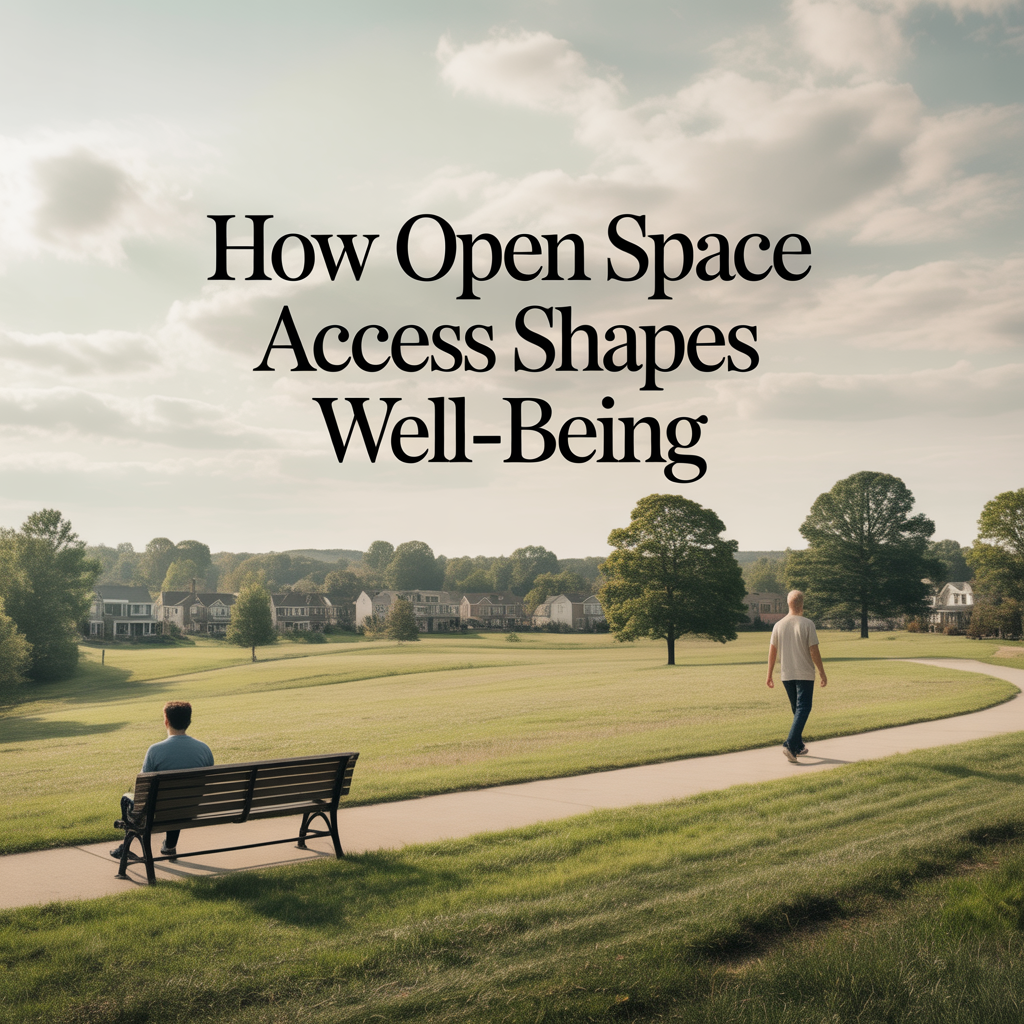
If you’ve lived in Highlands Ranch more than a few years, you’ve probably felt it: that quiet relief that comes when you’re walking a neighborhood greenway at dusk, or when the whole family is out on a trail on a crisp Saturday morning. It’s not just recreation; it’s a soft reset, a place where the daily grind can loosen its grip, and where kids and adults alike can breathe a little deeper.
As a longtime Denver resident and someone who’s counseled countless families as they choose where in Highlands Ranch to call home, I’ve come to see how closely tied physical and mental well‑being are to the simple, consistent ability to step outside into open space. It’s not about escaping the suburbs to the mountains; it’s about how the parks, trails, and open land around here quietly shape the rhythm of how families feel on an ordinary Thursday, not just on a highlight‑reel weekend.
How the Open Space System Works in Highlands Ranch
Highlands Ranch was designed not just as a collection of homes but as a neighborhood system where open space and trails are part of the everyday fabric. At the ground level, that plays out in a few clear ways.
Each neighborhood cluster has its own small, walkable parks — playgrounds, picnic areas, and green spaces where kids can ride bikes, play soccer, and meet up with friends without a parent needing to get the car out. These are the “lungs” of the day‑to‑day, where families decompress between school, work, and after‑school activities.
Beyond that are the larger, regional parks and recreation centers, like the neighborhood rec centers and parks such as Dad Clark, John Humble, and the Redstone complex. These are where families go for birthday parties, weekend sports, and organized activities.
Then there’s the backbone: the open space and trails that connect everything. The East/West Regional Trail, the BackCountry Wilderness Area, and the planned Wildcat Regional Park tie the area together into a continuous system. For families in the better‑connected neighborhoods, this means they can walk or bike for miles without leaving the community, which is rare for a place of this size and density.
Physical Health Built Into the Neighborhood
One of the quiet but powerful benefits of Highlands Ranch is how it builds movement into a normal week, rather than treating exercise as a separate, time‑consuming job. For families in this area, that often looks like:
- A 20–30‑minute neighborhood loop after dinner, where kids ride scooters and parents walk or run
- A weekend bike ride along the East/West Trail instead of a drive to the mall
- A short walk to the rec center for a swim, a class, or a quick workout
- Trails that are surfaced and maintained well enough that even older teens, parents, and seniors can use them regularly
Over time, this small, consistent movement adds up in real, measurable ways. Lower blood pressure, better sleep, improved weight management, and reduced risk of chronic conditions are all linked to regular outdoor activity. For families in the Highlands Ranch neighborhoods that are close to the main trails and parks, that kind of activity is built into the neighborhood, not something that has to be forced.
For adults, that’s especially important. Many people in this area are working from home, juggling two careers, or managing stressful jobs. The fact that a supportive trail system is right out the back door, not a 30‑minute drive away, means it’s far more likely to actually be used week after week, not just as a “new year’s resolution” that fades by March.
Mental Relief and a Sense of Calm
The physical benefits are clear, but the mental and emotional impact of open space is often what families notice first. Highlands Ranch is a busy, achievement‑oriented community: good schools, sports schedules, packed calendars, and long to‑do lists. That can be a strength, but it also creates a lot of pressure, especially for parents and older kids.
The open space acts as a buffer. It’s where:
- A frustrated parent can walk off a tough email or work decision without the whole house seeing it
- A child can run, climb, and play in a natural environment, not just a fenced yard or a screen
- A couple can walk together, talk, and reconnect without the noise of the house or the TV in the background
- A teen can get away from the constant buzz of school, phones, and social media, and just sit quietly for a while
For families in the Westridge, Southridge, Eastridge, and BackCountry neighborhoods, the trails and open space are often where that sense of calm is renewed. They’re not thinking “mental health break” every time they head out; they’re just going for a walk, a bike ride, or a family adventure. But the effect is the same: a reset that helps the rest of life feel more manageable.
For older adults and retirees in the area, that access is equally important. Many note that the trails, parks, and rec centers give them a reason to get out of the house, stay active, and stay mentally engaged. Programs that are built around the open space — walking groups, nature talks, and community events — help keep that sense of connection and purpose alive.
How Open Space Shapes Home Choices and Long‑Term Fit
When families are choosing a home in Highlands Ranch, they often talk about square footage, schools, and commute times. But over time, the homes that feel like a true long‑term fit are usually the ones that align with the open space and trail access.
Families with young kids tend to prioritize neighborhoods where the playground, rec center, and school are within a short walk or bike ride. For them, a home that’s a few minutes from the neighborhood park and the trail system is worth a small premium in price or a slightly smaller lot, because it supports a lifestyle that doesn’t feel like a constant battle for time and transportation.
For more active families, homes near the BackCountry Wilderness or along the East/West Trail are especially desirable. These buyers are often looking for a home where they can step out the back door and be on a long, low‑traffic corridor within minutes. They value the privacy, the views, and the sense of being connected to nature, and they’re usually planning to stay in that home for a decade or more.
Even in newer developments, many smart buyers are willing to trade a few extra minutes of commute for a home that’s well‑connected to the trail network. They understand that the homes that feel livable month after month are the ones where the neighborhood supports a whole life, not just a job and school schedule.
Realistic Expectations: Crowds, Dogs, and Shared Space
It’s important to be honest: Highlands Ranch’s open space is a shared, used system, not a secluded wilderness. Popular trails and parks can be busy, especially on weekends and after school. Dog walkers, families with strollers, and sports groups all share the same space, and occasional trail etiquette issues do come up.
For families, this is where expectations matter. The well‑maintained neighborhoods in Highlands Ranch tend to have a strong culture of shared responsibility: kids are taught to yield, dogs are kept on leash, and people are generally considerate about noise and right‑of‑way. Families who embrace that culture often end up enjoying the open space the most, because they’re not constantly battling over who “owns” the path or the park bench.
For buyers, this also means that the most satisfying open space access is often a balance: a home that’s connected to the trail or park, but with primary living and bedroom windows oriented toward the quieter, more natural side of the property, not the busiest path or road.
How Open Space Supports Long‑Term Stability and Neighborhood Character
The homes that perform most steadily over time in Highlands Ranch are often the ones where families feel like they’re in the right place for their life stage, not just in a good school district. That sense of being “at home” is reinforced by the easy access to parks, trails, and rec centers.
Families in the well‑connected neighborhoods tend to stay longer because:
- The neighborhood rhythm — walks, runs, rec center visits, and seasonal events — becomes part of the household’s identity
- The open space is a reliable place to recharge, not something that has to be planned as a separate outing
- The schools, parks, trails, and Western ridge access all fit together into a cohesive lifestyle
For investors and short‑term owners, this is a quiet but important point: the neighborhoods that perform best over the long term are the ones where people are living there, not just holding a property for a few years. That stability is supported by a community that’s built to support a whole life, not just a transaction.
A Local Conversation About Your Ideal Lifestyle Rhythm
If you’re thinking about where your family’s walks, runs, weekend hikes, and daily resets will happen in Highlands Ranch, I’d be glad to walk through the different neighborhoods and micro‑areas to show how the open space, trail access, schools, and commute patterns come together in practice.
The right home isn’t just about square footage, finishes, and price; it’s about finding a place where the outdoor rhythm feels like a natural extension of your family’s well‑being for years to come.
Reach out when you’re ready to talk about what kind of neighborhood and lifestyle will truly support your family in the long term, beyond the checklist and into real life in Highlands Ranch.
Get the full Denver Market Insights → [Market Insights]


Littleton’s Ken Caryl for Lockheed Relocations
This is part of Lockheed Martin Relocation → [Lockheed Martin Relocation Hub] & the larger Denver Relocation Hub → [Denver Relocation Hub] Written by: Chad Cabalka Ken Caryl is one of the best-kept “family first” relocation options for Lockheed Martin employees who want foothills scenery, strong neighborhood appeal, and a real suburban lifestyle that still feels connected…

Centennial & Parker for Lockheed Relocations
This is part of Lockheed Martin Relocation → [Lockheed Martin Relocation Hub] & the larger Denver Relocation Hub → [Denver Relocation Hub] Written by: Chad Cabalka Centennial and Parker are two of the smartest suburban choices for Lockheed Martin employees relocating with families because they give you a strong balance of commute flexibility, good neighborhood variety, and…

Highlands Ranch for Family-Friendly Lockheed Relocations
This is part of Lockheed Martin Relocation → [Lockheed Martin Relocation Hub] & the larger Denver Relocation Hub → [Denver Relocation Hub] Written by: Chad Cabalka Highlands Ranch is one of the strongest choices for Lockheed Martin employees relocating with families because it delivers exactly what most parents want after a big move: stable neighborhoods, strong community…