



This is part of Centennial Lifestyle Guide → [Centennial Lifestyle Hub] & Centennial Real Estate Guide → [Centennial Real Estate Guide]
Written by: Chad Cabalka
Centennial’s winter sun patterns come down to two main factors: our very regular north–south / east–west street grid and the way small elevation and shading differences play out block by block. Put simply, where your house and street face determines how quickly snow and ice disappear and how bright your days feel from November through March.
Why Orientation Matters So Much Here
Most of the Denver metro’s newer areas, including large parts of Centennial, were platted on a rectilinear grid aligned to true north, south, east, and west. That seems like a planning detail, but it means:
- Many streets run almost exactly east–west or north–south.
- Most homes end up with very consistent driveway and front‑door orientations (north‑facing, south‑facing, east‑facing, or west‑facing).
In winter, the sun tracks low across the southern sky, especially from late November through January. On an east–west street, that means one side (south‑facing homes) gets direct mid‑day sun on the driveway and front walk; the opposite side (north‑facing) spends most of the day in shade. Over an entire winter, that difference becomes hundreds of hours of extra sun exposure on one side of the street and almost none on the other.
Typical Winter Sun on Different Street Orientations
Here’s how the four basic orientations usually feel in Centennial neighborhoods:
- South‑facing homes on east–west streets
- Driveways and front walks get strong mid‑day sun in winter.
- Snow often melts off pavement within a day or two after storms, especially during warm spells.
- Front rooms can feel bright and warm on sunny days, sometimes to the point of noticeable passive solar gain.
- North‑facing homes on east–west streets
- Front drive and walk stay shaded most of the day; the sun skims over the roof without hitting the pavement directly.
- Packed snow and ice can linger for days or weeks in cold stretches, especially where plows create berms.
- Front interiors may feel darker in winter; many people rely on rear or side windows for natural light.
- East‑facing homes on north–south streets
- Morning sun hits front rooms and driveway, which helps start melting but loses power by mid‑day.
- Pleasant for people who like bright mornings but cooler afternoons.
- West‑facing homes on north–south streets
- Afternoon sun warms front spaces later in the day, which can help melt but also can lead to glare and some evening heat gain even in winter.
- Sunset glare along north–south corridors can be strong on clear days when you’re driving west in late afternoon.
Because Centennial sits at roughly 5,800–6,000 feet, the sun is intense even in winter, so any surface that gets a few hours of direct mid‑day exposure tends to clear faster than you’d expect just by looking at the air temperature. The places that stay icy are the ones that never really get that direct angle.
Micro‑Area Differences: Slopes, Trees, and Built Form
Orientation interacts with smaller, very local factors that vary by micro‑area across Centennial:
- Local slope
Even gentle slopes of a few percent change how long snow and ice stick. On south‑sloping blocks, sun hits pavement at a more direct angle and meltwater drains off; on north‑sloping blocks, cold air drains downhill and meltwater tends to refreeze in low spots. - Tree canopy and neighboring structures
Mature trees and taller homes on the opposite side of the street can throw long shadows across north‑facing driveways and portions of east‑ or west‑facing ones. In older neighborhoods near SouthGlenn or more established pockets, tree shade can keep parts of the street and sidewalk slick even when nearby blocks are dry. - Proximity to open space and corridors
Near open corridors (like wide arterials or utility/open‑space strips), you often get more wind exposure. Wind can help scour light snow off sunny pavement, speeding melt, but in very open spots it can also create drifting where snow piles into shaded gutters and stays longer. On the eastern fringe by Cherry Creek State Park and more open land, that exposure is more noticeable than in sheltered interior pockets. - Emerging mixed‑use areas
In denser, future nodes like The District‑Centennial (in the Jones District area), planned building height and street grids are being shaped partly around views and light. Taller buildings and a tighter grid create more shade canyons along some blocks and more reflective light in others. That’s a small slice of Centennial but it’s the one place where winter shade will feel more “urban” as the area builds out.
Practical Impacts for Daily Life
For homeowners and buyers, winter sun and street orientation show up in several very practical ways:
- Snow & ice on driveways and sidewalks
- South‑facing: often bare or slushy within a day or so of a typical storm, especially after a sunny afternoon.
- North‑facing: likely to see persistent patchy ice and hardpack unless shoveled thoroughly and sometimes treated.
- Street conditions after plows
Even with the same plow schedule, shaded sides of the street hold snow and slush longer, which affects traction when you back out or turn. That’s more pronounced on Priority‑3 neighborhood streets than on high‑priority arterials that get more sun and more traffic mixing. - Interior light and mood
In winter, south‑facing living spaces can feel bright and warm most days; north‑facing ones can feel dim unless the floor plan opens to rear or side windows. People who work from home often notice this more than commuters, especially in central and eastern micro‑areas where newer houses may have deeper floor plans. - Energy use and comfort
Passive solar gain on south‑facing windows can meaningfully warm main rooms on clear winter days, sometimes enough that thermostats barely run in the afternoons. North‑facing main living spaces often need more active heating and can feel cooler near exterior walls and windows, particularly in older construction.
How to Factor This into Neighborhood and Lot Choice
Because Centennial’s streets generally line up with the compass, you can often tell a lot about winter sun just by looking at a map and a satellite image:
- On an east–west street, decide whether you want the “bright and melty” south‑facing side or are okay with the “cooler and icier” north‑facing side in exchange for other benefits (lot size, view, cul‑de‑sac location).
- Check how deep neighboring houses are and how tall their trees are to see if they’ll shade your winter sun window.
- Pay attention to small slopes: a slightly higher or lower block on the same street can feel different in terms of freeze–thaw and how long ice lingers.
If you’re writing or advising around this, a helpful way to talk about it is: “Centennial’s compass‑aligned grid gives you real choice. South‑facing lots melt fast and feel brighter in winter; north‑facing and deeply shaded pockets stay icier but may be cooler and more comfortable in peak summer. Neither is inherently ‘good’ or ‘bad’—they just age differently depending on how you live, your tolerance for shoveling, and how much you care about winter light.”
Get the full Denver Market Insights → [Market Insights]


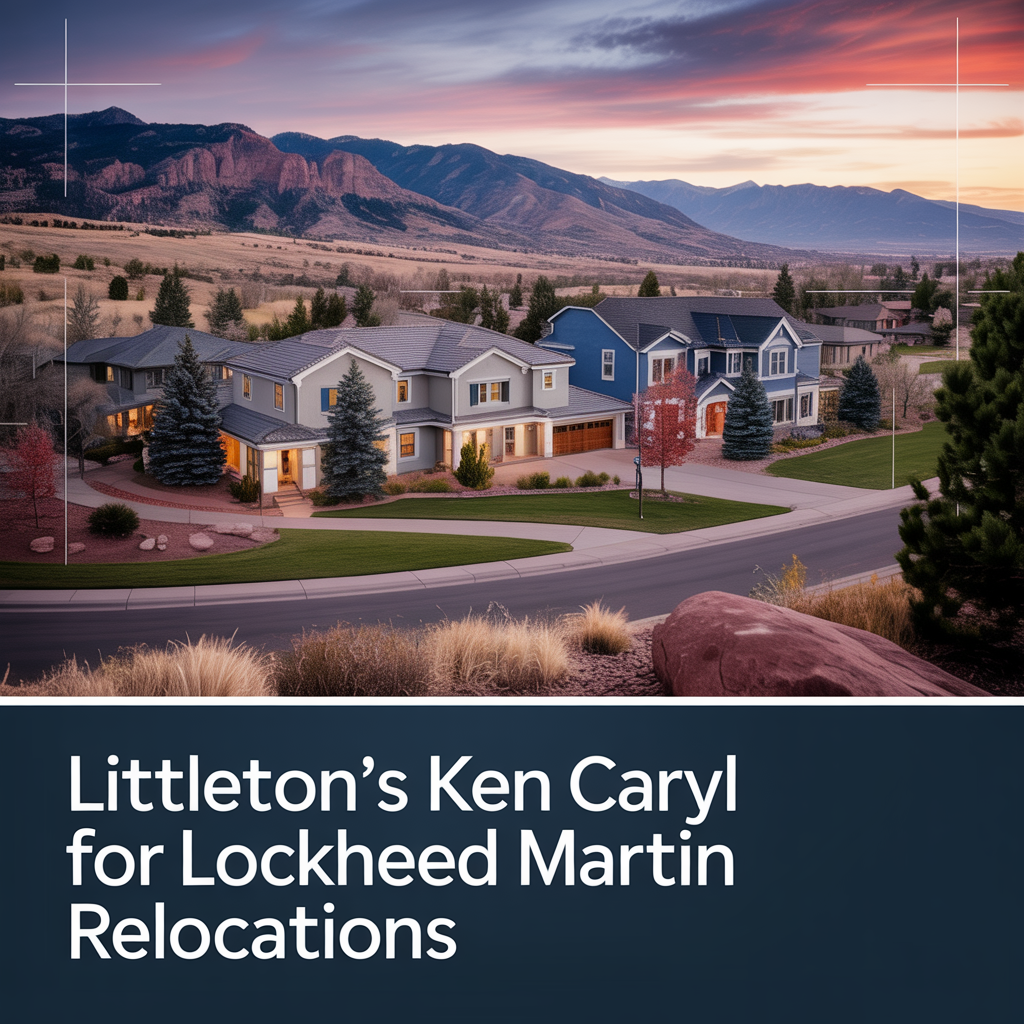
Littleton’s Ken Caryl for Lockheed Relocations
This is part of Lockheed Martin Relocation → [Lockheed Martin Relocation Hub] & the larger Denver Relocation Hub → [Denver Relocation Hub] Written by: Chad Cabalka Ken Caryl is one of the best-kept “family first” relocation options for Lockheed Martin employees who want foothills scenery, strong neighborhood appeal, and a real suburban lifestyle that still feels connected…

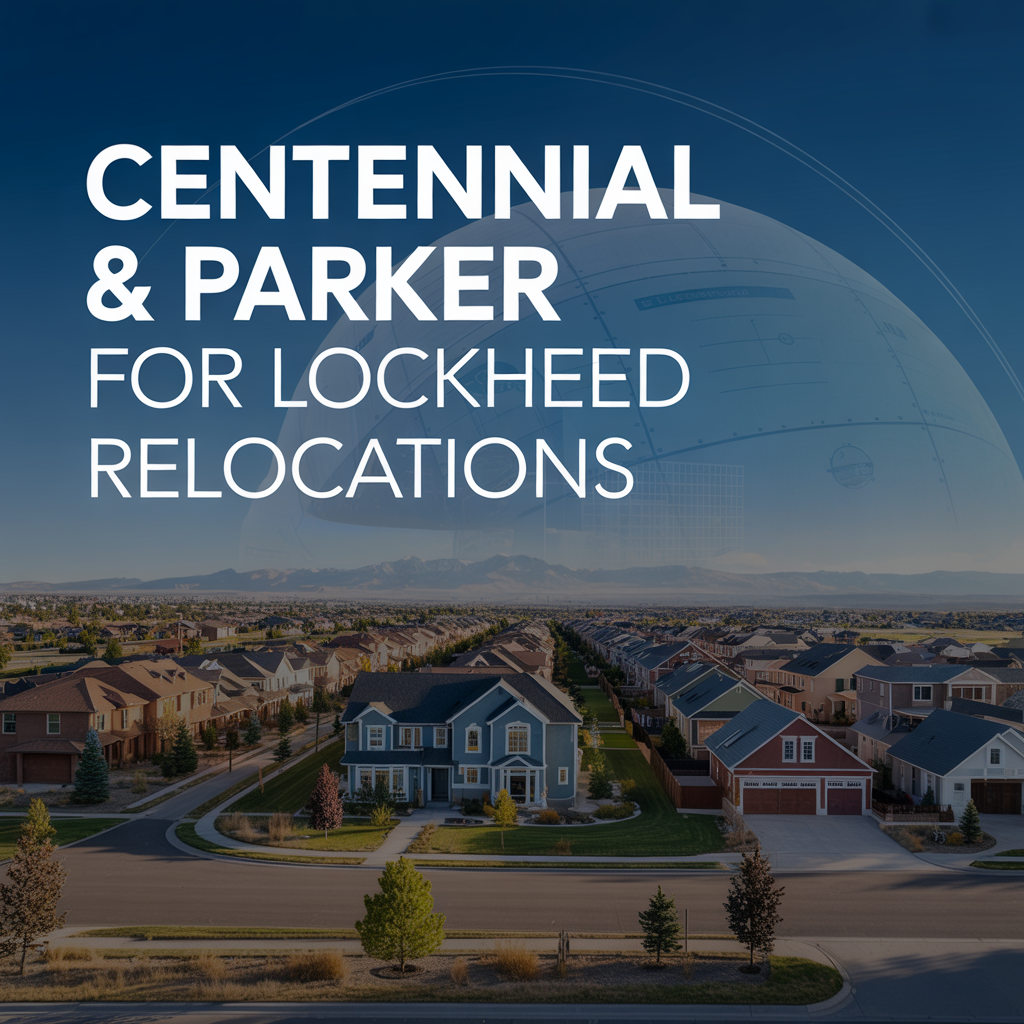
Centennial & Parker for Lockheed Relocations
This is part of Lockheed Martin Relocation → [Lockheed Martin Relocation Hub] & the larger Denver Relocation Hub → [Denver Relocation Hub] Written by: Chad Cabalka Centennial and Parker are two of the smartest suburban choices for Lockheed Martin employees relocating with families because they give you a strong balance of commute flexibility, good neighborhood variety, and…

Highlands Ranch for Family-Friendly Lockheed Relocations
This is part of Lockheed Martin Relocation → [Lockheed Martin Relocation Hub] & the larger Denver Relocation Hub → [Denver Relocation Hub] Written by: Chad Cabalka Highlands Ranch is one of the strongest choices for Lockheed Martin employees relocating with families because it delivers exactly what most parents want after a big move: stable neighborhoods, strong community…