


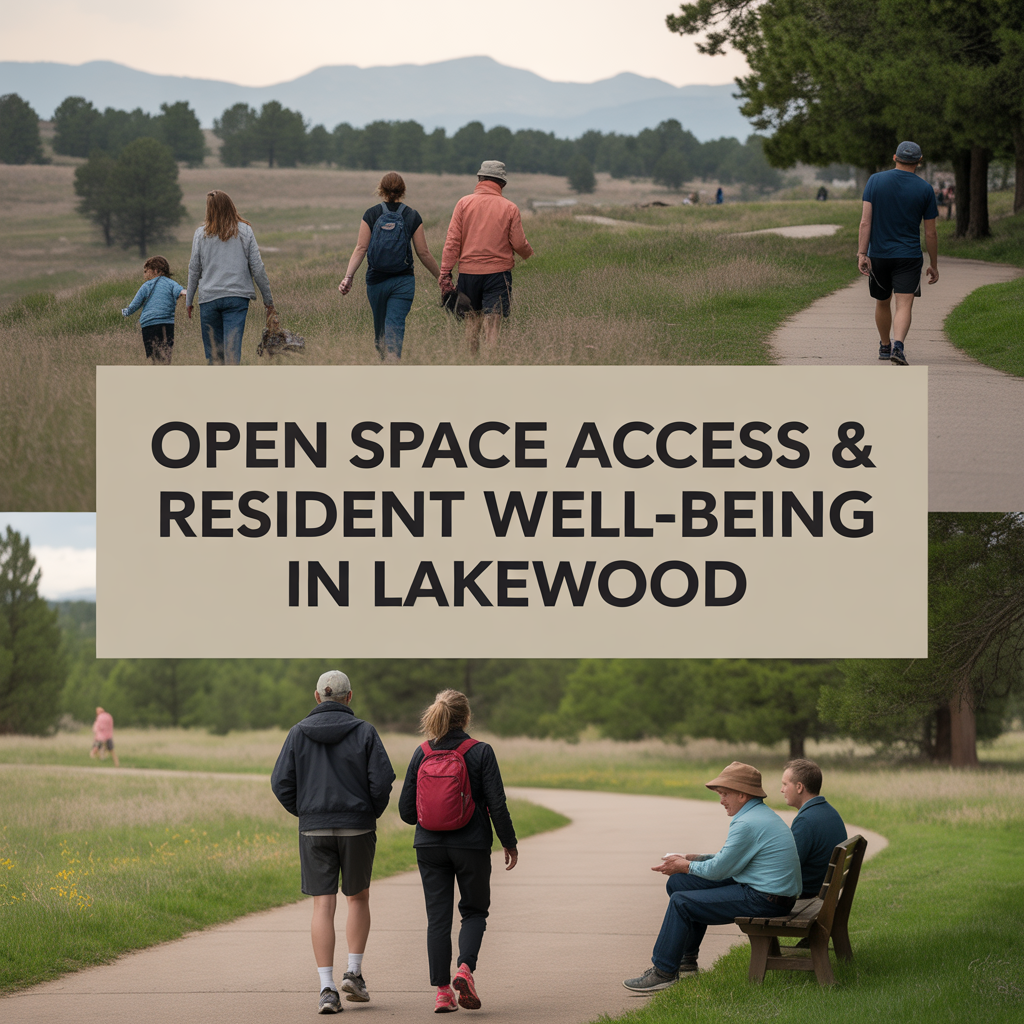
This is part of Lakewood Lifestyle Guide → [Lakewood Lifestyle Hub] & Lakewood Real Estate Guide → [Lakewood Real Estate Guide]
Written by: Chad Cabalka
Lakewood’s relationship with open space isn’t just about scenery; it’s a big part of why long‑time residents feel grounded here over decades. The way parks, trails, and natural areas are woven into the city changes how people move, socialize, and decompress day to day.
How Much Open Space Lakewood Actually Has
Lakewood has more than 7,400 acres of parkland and open space spread across 114 parks and about 240 miles of trails. That includes everything from small neighborhood playgrounds to large regional parks like Bear Creek Lake Park and Green Mountain. Practically, this means most residents are only a short drive—and often a short walk—from some form of green space.
City policy explicitly ties new housing and mixed‑use development to access to usable open space, requiring on‑site common and private outdoor areas or fees that help fund nearby parks. The stated purpose is to provide residents “opportunities for active living and respite,” which tells you that Lakewood sees open space as a health and well‑being issue, not just an amenity.
Community surveys back that up: nearly 9 in 10 respondents say local facilities provide access to greenspace and nature or playgrounds, and a similar share say they help preserve open space and protect the environment. When that many people see nature access as part of what the city is “for,” it shapes expectations about how neighborhoods should feel.
Everyday Well‑Being: Short Walks, Not Just Big Hikes
The well‑being impact most families feel isn’t from big weekend adventures; it’s from the small, repeatable things they can do close to home. Neighborhood parks, paths, and small commons make it easy to:
- Take a 15–30 minute walk after dinner.
- Let kids run on a playground without loading everyone into the car.
- Step outside for a quick mental reset between remote meetings.
Lakewood’s development standards require each dwelling unit in new mixed‑use or residential projects to have a minimum of 48 square feet of private outdoor space (like balconies or patios) and access to common open space designed for real use, not just leftover setback. Those spaces must be large enough to function (typically at least 20 feet in one direction), include walkable surfaces and seating, and be oriented for sun and activity. That kind of design guidance matters because it turns “token” greenery into places where people actually sit, move, and interact.
Over time, those small daily contacts with trees, sky, and grass add up—especially for people who work from home or don’t have flexible schedules for long drives to the mountains.
Big Open Spaces: Green Mountain, Bear Creek, and Mental Reset
On the west edge of Lakewood, Green Mountain Open Space (William F. Hayden Park) and Bear Creek Lake Park function as larger “pressure valves” for the whole city.
Green Mountain is about 2,400 acres of open space with year‑round trails used heavily by hikers, runners, and mountain bikers. Most loops can be completed in one to two hours, making it a realistic after‑work or early‑morning outing rather than a once‑a‑month event. The combination of elevation, expansive views, and proximity to home makes it a go‑to mental reset: you can leave your house, climb to a ridgeline, see downtown and the Front Range, and be back in time for dinner.
Bear Creek Lake Park adds water and broader activity options—lakes, trails, a swim beach, paddling and boating, camping, and year‑round walking and biking routes. For many residents, it turns “I wish we could get to a lake” into something that fits after work or on a partial weekend day. That ability to drop into a semi‑natural setting without a long commute is a big reason people on the southwest side feel they’re getting the best of both city and foothills life.
When you live near these regional open spaces, your well‑being pattern shifts:
- Stress relief becomes a 60–90 minute trail loop instead of an all‑day ordeal.
- Family time can move outdoors more easily—bike rides, simple hikes, swim‑beach evenings.
- Seasonal rhythms feel more connected to weather and landscape than to calendar alone.
Policy, Growth, and the Open Space Conversation
As Lakewood grows and adds housing, the balance between open space and development has become a central political and emotional issue. The city already requires parkland or fees for new residents—currently about 5.5 acres of parkland per 1,000 new residents, with options for fee‑in‑lieu under certain conditions. A recent citizen initiative sought to nearly double that requirement to 10.5 acres per 1,000 residents and to limit the use of fees, aiming to lock in more land preservation.
Supporters argue this is necessary to “preserve our beautiful, natural environment for the health and wellbeing of Lakewood residents for generations to come” and worry about losing mature trees and open views as density increases. Opponents—including affordable housing advocates and environmental groups—warn that making open‑space dedications that strict could severely constrain new housing, especially lower‑cost projects, and might not actually increase practical access to parks.
That debate itself is telling: both sides frame their case around resident well‑being. One emphasizes physical access to nature and long‑term environmental quality; the other emphasizes the mental and financial strain of housing scarcity and the need to keep living close to jobs and transit even while preserving parks. For homeowners and long‑time residents, it’s a reminder that “open space” and “livability” can’t be separated from questions about where and how people live.
What This Means When You Choose Where to Live in Lakewood
From a real, lived‑in standpoint, open space access impacts well‑being through a few practical questions:
- Can you reach a usable park or trail in under 10–15 minutes by foot or bike?
- Do you have both small, everyday green spaces and larger open areas within a short drive?
- Does your home or building give you some private outdoor space—a balcony, patio, or yard—where you can step outside without going anywhere?
Because Lakewood has such a wide range of park types, different pockets of town offer different combinations:
- Older grid neighborhoods might have playground parks and path connections but be a bit farther from major open spaces.
- Green Mountain and Bear Creek‑adjacent areas offer immediate access to big natural areas and still tie into neighborhood parks.
- Denser, downtown‑style pockets rely more on well‑designed common and private open space plus quick access to planned nodal parks and regional trails.
If you match your choice of neighborhood to how you actually use (or want to use) open space—short daily walks, weekly trail runs, seasonal lake days—you’re more likely to feel the “Colorado” lifestyle you’re paying for, rather than just seeing it out the windshield.
If you’d like to talk through which corners of Lakewood give you the mix of nearby parks, big open spaces, and private outdoor nooks that really support your well‑being over the long run, I’m always open to that conversation. We can look beyond square footage and list price and focus on whether your next place will actually make it easier for you—and your family—to get outside in ways that fit your real life, not just your best intentions.
Get the full Denver Market Insights → [Market Insights]


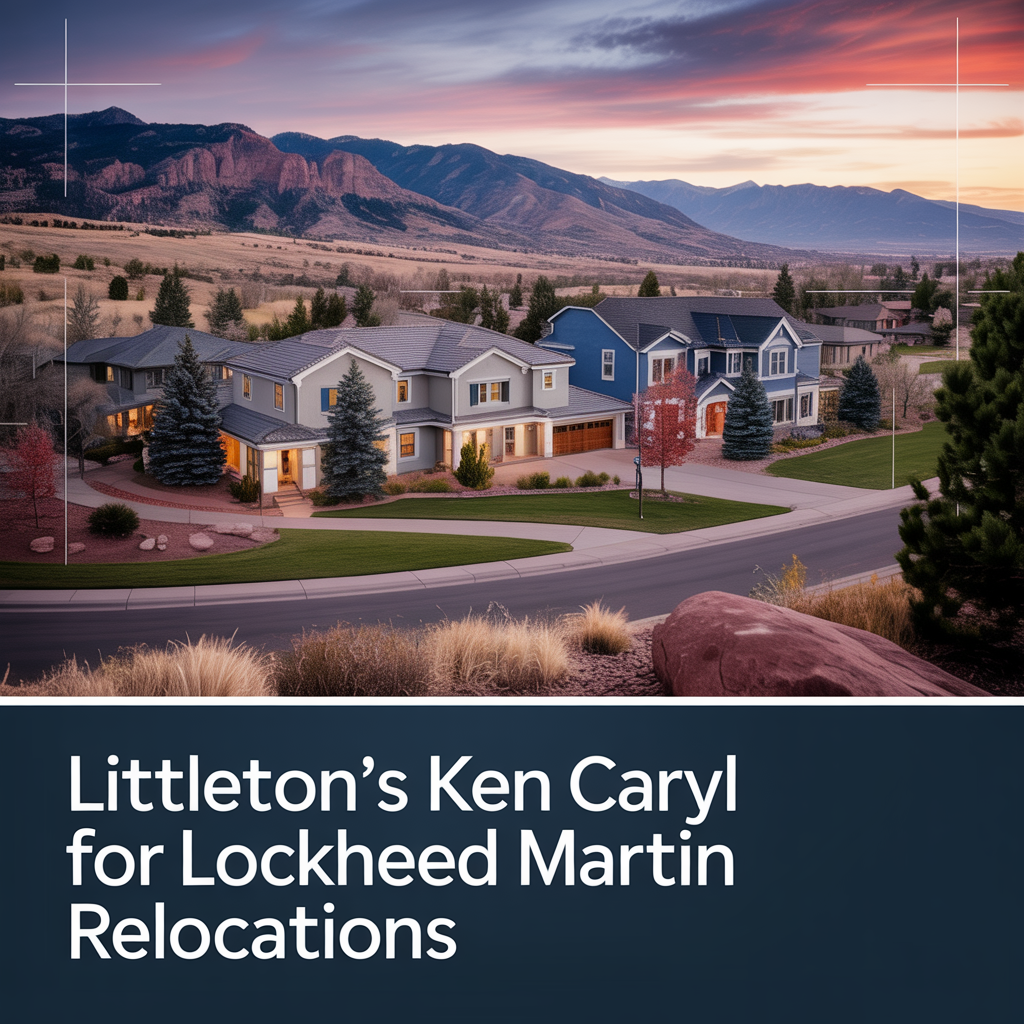
Littleton’s Ken Caryl for Lockheed Relocations
This is part of Lockheed Martin Relocation → [Lockheed Martin Relocation Hub] & the larger Denver Relocation Hub → [Denver Relocation Hub] Written by: Chad Cabalka Ken Caryl is one of the best-kept “family first” relocation options for Lockheed Martin employees who want foothills scenery, strong neighborhood appeal, and a real suburban lifestyle that still feels connected…

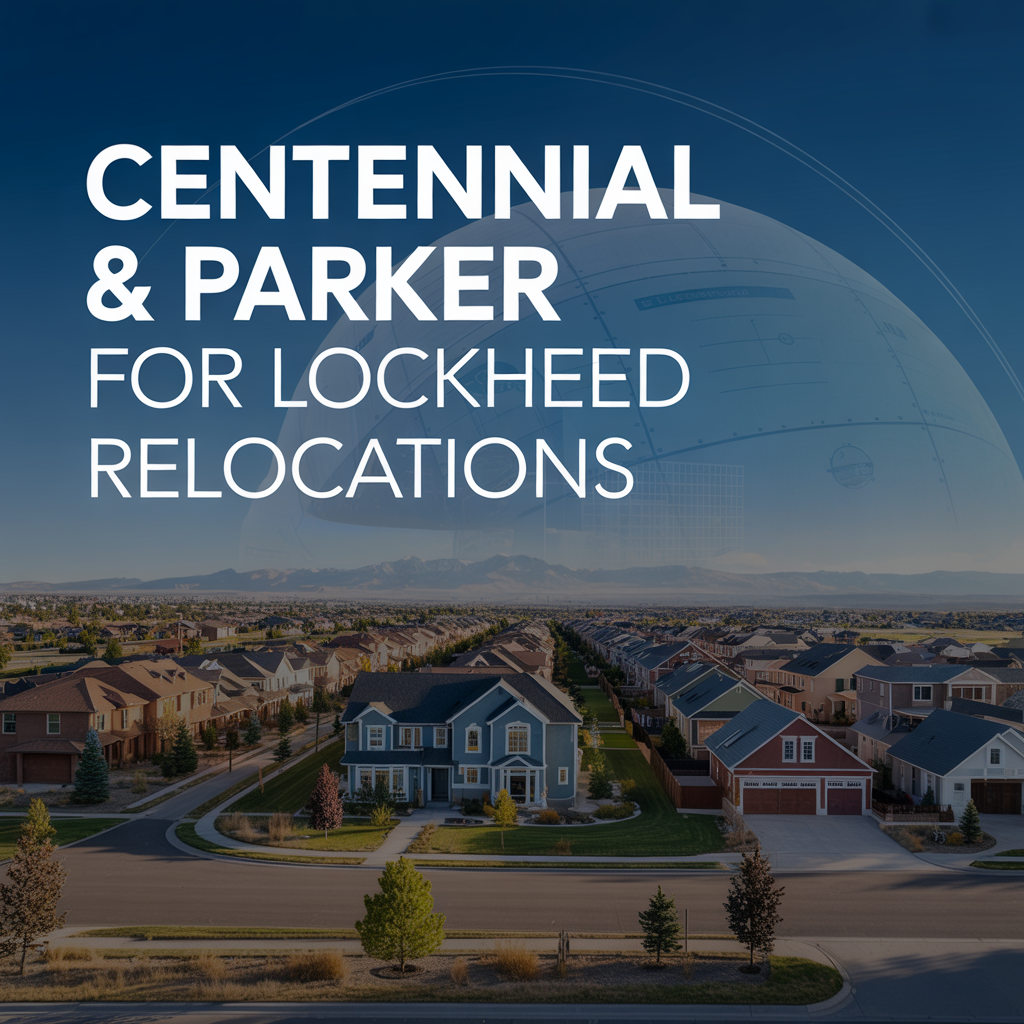
Centennial & Parker for Lockheed Relocations
This is part of Lockheed Martin Relocation → [Lockheed Martin Relocation Hub] & the larger Denver Relocation Hub → [Denver Relocation Hub] Written by: Chad Cabalka Centennial and Parker are two of the smartest suburban choices for Lockheed Martin employees relocating with families because they give you a strong balance of commute flexibility, good neighborhood variety, and…

Highlands Ranch for Family-Friendly Lockheed Relocations
This is part of Lockheed Martin Relocation → [Lockheed Martin Relocation Hub] & the larger Denver Relocation Hub → [Denver Relocation Hub] Written by: Chad Cabalka Highlands Ranch is one of the strongest choices for Lockheed Martin employees relocating with families because it delivers exactly what most parents want after a big move: stable neighborhoods, strong community…