



This is part of Lakewood Lifestyle Guide → [Lakewood Lifestyle Hub] & Lakewood Real Estate Guide → [Lakewood Real Estate Guide]
Written by: Chad Cabalka
Public and private education in and around Lakewood are less about “which is better” and more about what kind of life you want to live day‑to‑day, year after year. When you zoom out beyond test scores and brochures, you’re really choosing a lifestyle pattern for your family as much as a school model.
How Lakewood Families Usually Start This Decision
Most Lakewood parents don’t begin from a blank slate; they start with a mix of budget, values, commute, and their own school experiences. Many who grew up in Jeffco are comfortable with public as the default and treat private as something they’d consider only if there’s a clear reason. Others are drawn to faith‑based education, classical or Montessori models, or very small class sizes and start by touring private campuses first.
Underneath that, there’s usually a core question: “What are we protecting or prioritizing?” For some, it’s financial flexibility and the ability to afford a house, travel, and activities; for others, it’s a specific school culture or academic environment they haven’t found in the neighborhood system. Being honest about that up front makes the rest of the decision much clearer.
What Public School Typically Means for Lifestyle in Lakewood
In Lakewood, “public” usually means Jeffco neighborhood schools, with the option to choice into charters, magnets, and special programs. When you attend your assigned neighborhood school, your life tends to stay geographically tight: drop‑off is close, kids’ friends live nearby, and most weeknight commitments are within a short drive. Over time, that compact radius is one of the biggest lifestyle advantages families point to.
Financially, using public schools keeps tuition off your monthly list, which can free up budget for housing, savings, and experiences. Many Lakewood families deliberately choose public so they can stretch a bit more on the home — getting a yard in Green Mountain, walkability near Belmar, or an extra bedroom for a home office — instead of committing to long‑term tuition. Across a decade or more, those choices can mean more room to move up, remodel, or help with college costs later.
There’s also the community mix. Public schools in Lakewood draw from a broad cross‑section of residents and reflect the diversity of Jefferson County’s west side. Your kids are likely to meet classmates from a range of backgrounds and family situations, which some parents see as an essential part of growing up here. That exposure can feel less curated, more like the real Denver metro they’ll navigate as adults.
What Private School Typically Means for Lifestyle in Lakewood
Private education around Lakewood and west Denver ranges from faith‑based campuses to college‑prep day schools and smaller classical academies. Marketing emphasizes small class sizes, close relationships with teachers, and strong academic and college outcomes — and many schools do offer rigorous, well‑supported programs. But everyday life in a private‑school family has its own texture.
The first factor is tuition. In Jefferson County and the broader Denver area, private school tuition can range from modest faith‑based rates up to high five‑figure annual costs at top college‑prep schools. To afford that over many years, families often make trade‑offs: a smaller or older home, fewer big trips, slower remodeling, or postponing some financial goals. None of that is inherently negative; it just needs to be intentional so you don’t end up house‑poor and tuition‑stressed at the same time.
The second factor is geography. Private schools that Lakewood families use often sit in Englewood, Denver, Littleton, and across the west side. That wider draw means your kids’ friends can be scattered all over the metro area. You may spend more time driving: morning commutes to a distant campus, late pickups after activities, and weekend events nowhere near your own neighborhood. Over time, your social center of gravity may shift from “Lakewood neighborhood” to “school community,” with more of your family life orbiting around that campus.
The third factor is culture. Private schools tend to have a clear identity: Christian or Catholic missions, classical or Montessori pedagogy, or very explicit college‑prep expectations. When that aligns with your family’s values, it can feel like an extension of home — a strong, cohesive community. But it also means your child spends most of their waking hours in a more defined environment than the broader mix you’ll find in a typical Jeffco school, which some families eventually want to balance with more exposure to the local public sphere.
The Long View: Stability, Stress, and Seasonality
What I see, after many years of watching people make these choices, is that very few Lakewood families live in a permanent “public only” or “private only” box. Some start in neighborhood schools, move to a private campus for a few middle‑school years, then come back to public for a strong IB or AP program in high school. Others begin in private early education, then transition to Jeffco once kids are older and more independent.
These decisions often break into seasons:
- Early years: Parents sample preschools, church‑based programs, and neighborhood elementaries, trying to see how their child responds.
- Middle grades: Families reassess whether their child needs a smaller setting, different approach, or more structure.
- High school: Focus shifts to readiness for adulthood — academics, mental health, and a manageable calendar of sports, jobs, and activities.
From a lifestyle standpoint, stability usually comes from aligning school choices with your real bandwidth — financial, emotional, and logistical — not from squeezing into the most prestigious option you can technically afford. When tuition, commute, and expectations all sit at your limit, even a “great” school can feel heavy over time. When you leave a bit of margin in the system, you tend to have more energy for the things that actually make family life rich: dinners together, unhurried weekends, and the freedom to say yes to the occasional curveball.
Common Misunderstandings Around Public vs Private
A few recurring misunderstandings come up in local conversations:
- “Private automatically means better outcomes.”
Outcomes in both public and private settings depend heavily on fit, family involvement, and the individual student. There are high‑performing public programs in and around Lakewood and private schools where not every student thrives; the label alone doesn’t guarantee results. - “Public means we’re stuck with one school forever.”
Between neighborhood schools, choice enrollment, charters, and online or alternative programs, Jeffco families usually have multiple public options over time. You may not land your top pick instantly, but the system isn’t as rigid as many people assume. - “We can always ‘just go private’ later if public doesn’t work.”
Switching to private is absolutely an option, but it’s a big lifestyle pivot: new tuition, new commute, and a new community footprint. Planning for that possibility in advance — financially and emotionally — is wiser than treating it as an easy fallback. - “If we choose private, we can easily step back without ripple effects.”
Moving from a tight‑knit private community back into a large public school can be a big adjustment for kids and parents. It’s very doable, but it’s not as simple as changing buildings; it reshapes social circles, routines, and expectations.
Questions to Clarify What Actually Fits Your Family
Instead of starting with rankings, it helps to sit with a few local‑reality questions:
- How much of our monthly budget are we genuinely comfortable committing to tuition over 10–15 years, given housing, retirement, and college savings?
- Do we want most of our kids’ friends and activities to be nearby in Lakewood, or are we okay with a more metro‑wide lifestyle built around a school across town?
- Is our priority a specific type of curriculum or faith context, or a balanced, neighborhood‑integrated experience?
- Are we open to changing paths as our kids grow, or do we strongly prefer one continuous path to minimize transitions?
When families answer those honestly, the “right” answer for them usually emerges, even if it doesn’t match what neighbors or coworkers chose.
A Local, Relationship‑First Call to Action
After decades living and working around Lakewood and the west side, I’ve seen families thrive on both public and private paths — and I’ve also seen stress when the school choice and the rest of life don’t line up. There’s no universal best option, only what fits your kids, your values, your budget, and the kind of daily rhythm you want in your corner of Jefferson County.
If you’re weighing these trade‑offs alongside a move — or you’re already here and wondering whether a change in school or neighborhood might bring your life back into balance — I’m always open to a real conversation. Not a script, not a sales pitch, just a chance to talk through your specific situation with someone who knows the schools, the micro‑neighborhoods, and how these decisions play out over time in Lakewood. When you’re ready, reach out and we can map out a path that fits both your education priorities and the lifestyle you want to protect.
Get the full Denver Market Insights → [Market Insights]


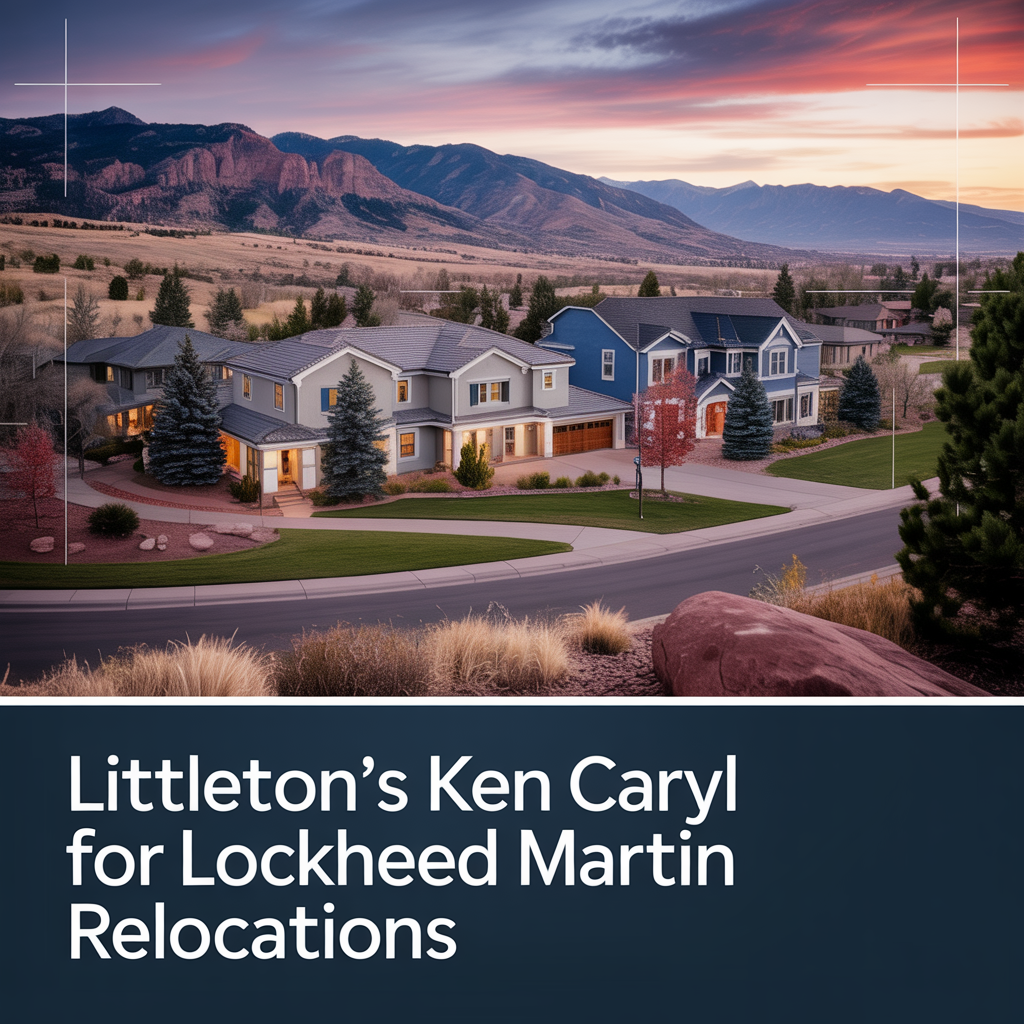
Littleton’s Ken Caryl for Lockheed Relocations
This is part of Lockheed Martin Relocation → [Lockheed Martin Relocation Hub] & the larger Denver Relocation Hub → [Denver Relocation Hub] Written by: Chad Cabalka Ken Caryl is one of the best-kept “family first” relocation options for Lockheed Martin employees who want foothills scenery, strong neighborhood appeal, and a real suburban lifestyle that still feels connected…

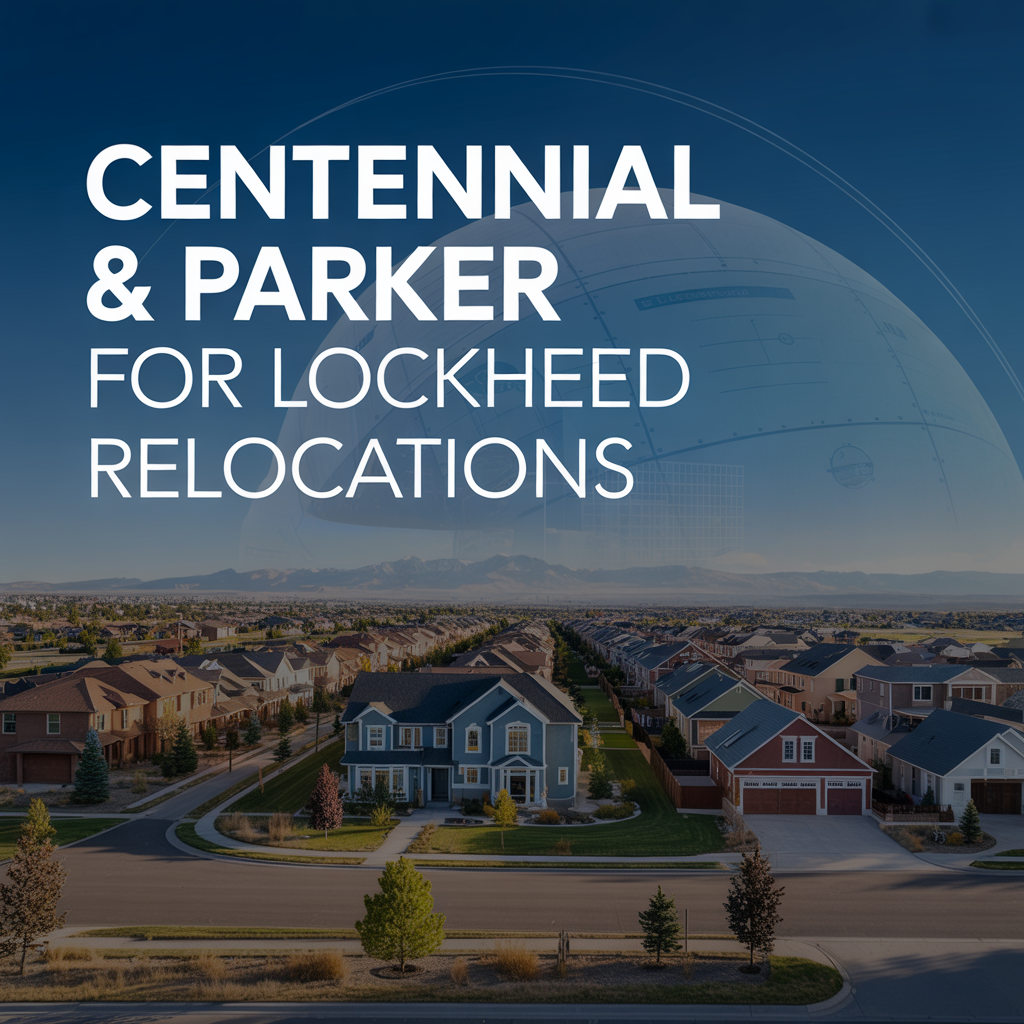
Centennial & Parker for Lockheed Relocations
This is part of Lockheed Martin Relocation → [Lockheed Martin Relocation Hub] & the larger Denver Relocation Hub → [Denver Relocation Hub] Written by: Chad Cabalka Centennial and Parker are two of the smartest suburban choices for Lockheed Martin employees relocating with families because they give you a strong balance of commute flexibility, good neighborhood variety, and…

Highlands Ranch for Family-Friendly Lockheed Relocations
This is part of Lockheed Martin Relocation → [Lockheed Martin Relocation Hub] & the larger Denver Relocation Hub → [Denver Relocation Hub] Written by: Chad Cabalka Highlands Ranch is one of the strongest choices for Lockheed Martin employees relocating with families because it delivers exactly what most parents want after a big move: stable neighborhoods, strong community…