



This is part of Lakewood Lifestyle Guide → [Lakewood Lifestyle Hub] & Lakewood Real Estate Guide → [Lakewood Real Estate Guide]
Written by: Chad Cabalka
For Lakewood residents, “weekend movement” usually means a mix of staying local and timing mountain trips around I‑70’s very specific patterns. The same roads you use for weekday commutes behave differently on Saturdays and Sundays, especially once ski season or summer hiking is in full swing.
Local Weekend Driving Patterns In and Around Lakewood
Within Lakewood itself, crash and congestion data show that weekends are actually calmer than weekdays overall, but with a small late‑afternoon bump. Weekday crashes peak between about 3 p.m. and 6 p.m. Tuesday through Friday; weekends see lower total crash numbers but slightly higher evening incidents—more social trips, more fatigue, and more impaired or distracted driving.
The local “hotspot” roads don’t change just because it’s Saturday. The same high‑injury corridors show up:
On weekends you’re simply using them differently—more for errands, dining, and heading toward the foothills than for office commutes. Late afternoon and early evening remain the riskiest windows for serious crashes, so it’s worth being intentional about timing when you’re hopping between Lakewood neighborhoods or heading home from dinner.
I‑70 Westbound: Getting to the Mountains
From Lakewood, 6th Avenue and C‑470 are your feeders to I‑70, and weekend mountain access lives or dies by timing. Historical and forecast data for ski and travel traffic show consistent patterns:
- Friday westbound: Traffic starts to build around mid‑morning, with peak delays between roughly noon and 5 p.m. on busy winter weekends.
- Saturday westbound: Congestion builds very early—often from 5–8 a.m.—with the worst backups between about 6 and 10 a.m. as Front Range skiers head up.
- Sunday westbound: Still busy, but not as bad as Saturday; delays typically 60–90 minutes between about 6 and 10 a.m., peaking around 7–8 a.m. on big snow weekends.
CDOT and local travel guides have been consistent for years: if you can avoid I‑70 west on Friday afternoons and Saturday/Sunday mornings, you’ll dodge the worst of it. That’s especially relevant in winter when even routine volume can turn into multi‑hour delays if a storm or crash hits.
For a Lakewood household, that usually means one of three strategies:
- Leave very early (pre‑dawn) to beat the wave.
- Leave later on Saturday and accept skiing/riding a partial day instead of rope‑drop laps.
- Shift ski days to non‑peak times (e.g., Sunday‑Monday, midweek, or afternoons) if work schedules allow.
I‑70 Eastbound: Getting Back to Lakewood
Coming home is where many people underestimate the time cost. The data are clear:
- Sunday eastbound is the worst: congestion commonly runs from about 2–8 p.m., with 60–90 minute delays and peak backups between 3 and 7 p.m. near the tunnel and major bottlenecks.
- Holiday Mondays (when Monday is the “return” day) can mirror or exceed a typical Sunday pattern.
Travel times between Denver and Summit/Eagle Counties during busy winter weekends routinely stretch to two and a half hours in at least one direction, even without catastrophic incidents. For Lakewood residents, your advantage is that you’re on the west side of Denver—so once you clear Floyd Hill and the usual choke points, you’re home sooner than someone continuing to Aurora or Parker. But you’re still in the same bottleneck for most of the drive.
Colorado’s transportation department and I‑70 travel resources recommend a few key tactics:
- Leave the slopes early—off the hill by late morning or noon—to beat the main surge.
- Stay up later—have dinner in the mountains, then drive after the peak window if conditions are safe.
- Consider transit (Snowstang buses), carpooling, and using the I‑70 Mountain Express Lanes during peak hours to keep moving, knowing they’re toll‑only even for HOV.
For a Lakewood family, choosing to stay for dinner in Frisco or Evergreen and drive back after 7–8 p.m. can turn a crawling three‑hour grind into a smoother 90‑minute trip.
Choosing Routes From Lakewood: 6th vs C‑470 vs “Back Ways”
Your exact Lakewood starting point determines which mountain access route makes the most sense:
- Central / North Lakewood (Belmar, Colfax, Applewood)
- 6th Avenue to I‑70 is the obvious choice. It’s direct, you avoid C‑470, and you’re on I‑70 quickly.
- South / Southwest Lakewood (Green Mountain, Rooney Valley, Solterra, Bear Creek)
- C‑470 to I‑70 at the Morrison/Golden area often keeps you out of some 6th Avenue congestion and gives you options to bail to US‑285 for South Park / Kenosha / Fairplay destinations.
On heavy weekends, local drivers sometimes string together alternative routes—US‑285 toward Kenosha / Fairplay, Squaw Pass or other scenic byways—to avoid the worst I‑70 choke points altogether, especially for hiking or camping trips that don’t require the main ski corridors. Those “back ways” are slower door‑to‑door at off‑peak times but can be faster (and far less stressful) when I‑70 is in true gridlock.
Whatever route you choose, the patterns are consistent:
- Westbound: avoid Friday afternoon and Saturday/Sunday early mornings if you can.
- Eastbound: avoid Sunday mid‑afternoon to evening if possible.
Lakewood’s location helps because you’re already halfway there. If you’re flexible, you can hit off‑peak windows with shorter drives than someone coming from farther east.
Weekend Movement If You Stay Local
Not every weekend involves I‑70, and honestly, many Lakewood households learn to keep more weekends close to home precisely because of mountain traffic. When you stay local, you’re mostly working around:
- Late‑afternoon activity on the same major corridors that are weekday crash hotspots: Wadsworth, Alameda, Colfax, 6th, and Mississippi/Florida/Jewell.
- Short, predictable bursts around shopping areas (Belmar, Colorado Mills) and restaurant clusters, especially between 5 and 8 p.m.
From a quality‑of‑life standpoint, that’s where Lakewood can shine: you can get to Green Mountain, Bear Creek Lake Park, local breweries, cafés, and Belmar dining without ever touching I‑70. On busy ski or holiday weekends, a lot of west‑side locals simply opt out of the interstate altogether and build “mountain‑lite” days around those parks and open spaces instead.
Putting It All Together for Your Own Routine
The key to making Lakewood work for weekend movement and mountain access is accepting that the patterns are predictable—and planning around them instead of fighting them every time.
A few practical guidelines:
- If you have to ski or hike on peak Saturdays, aim for very early departures or late‑day returns.
- If your schedule is flexible, treat Friday afternoons and Sunday late afternoons on I‑70 as something to avoid, not manage.
- Use Lakewood’s position to your advantage: you’re closer to the hills, so even a half‑day mountain trip can be worthwhile if you time it right.
- On weekends when you’re tired of traffic, lean into Green Mountain, Bear Creek Lake Park, local breweries, and Belmar—you’ll get a lot of the “Colorado feel” without the interstate grind.
If you ever want to walk through your specific weekend patterns—kids’ sports, work schedules, how often you realistically want to ski or hike—and match that to particular Lakewood neighborhoods and access routes, I’m glad to talk it through. Balancing local amenities with smart I‑70 access is one of the big levers that makes living on the west side feel like an upgrade rather than a series of traffic battles.
Get the full Denver Market Insights → [Market Insights]


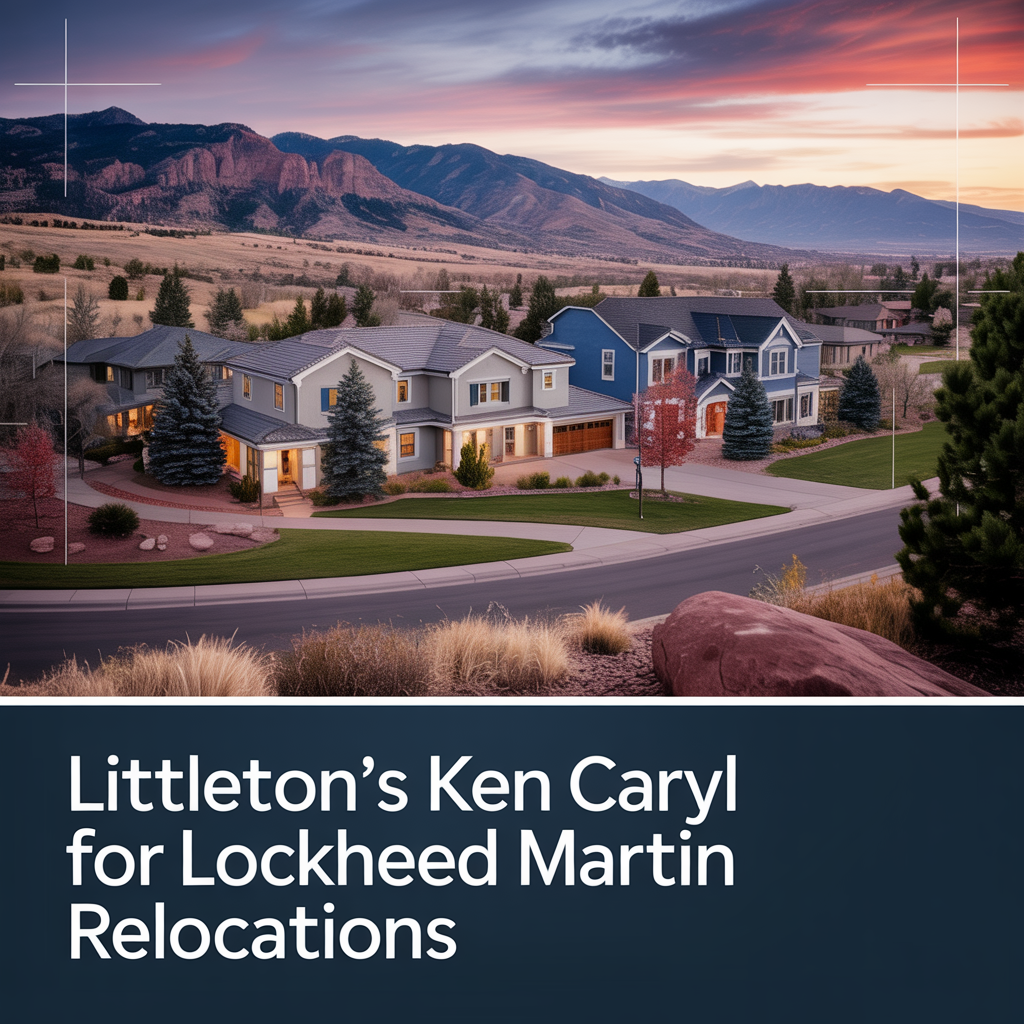
Littleton’s Ken Caryl for Lockheed Relocations
This is part of Lockheed Martin Relocation → [Lockheed Martin Relocation Hub] & the larger Denver Relocation Hub → [Denver Relocation Hub] Written by: Chad Cabalka Ken Caryl is one of the best-kept “family first” relocation options for Lockheed Martin employees who want foothills scenery, strong neighborhood appeal, and a real suburban lifestyle that still feels connected…


Centennial & Parker for Lockheed Relocations
This is part of Lockheed Martin Relocation → [Lockheed Martin Relocation Hub] & the larger Denver Relocation Hub → [Denver Relocation Hub] Written by: Chad Cabalka Centennial and Parker are two of the smartest suburban choices for Lockheed Martin employees relocating with families because they give you a strong balance of commute flexibility, good neighborhood variety, and…

Highlands Ranch for Family-Friendly Lockheed Relocations
This is part of Lockheed Martin Relocation → [Lockheed Martin Relocation Hub] & the larger Denver Relocation Hub → [Denver Relocation Hub] Written by: Chad Cabalka Highlands Ranch is one of the strongest choices for Lockheed Martin employees relocating with families because it delivers exactly what most parents want after a big move: stable neighborhoods, strong community…