


Financing a Home in Denver → [Denver Home Financing Guide] & For more info on Buying in the Denver Metro Area → [Denver Metro Home Buying Process]
Written by: Chad Cabalka
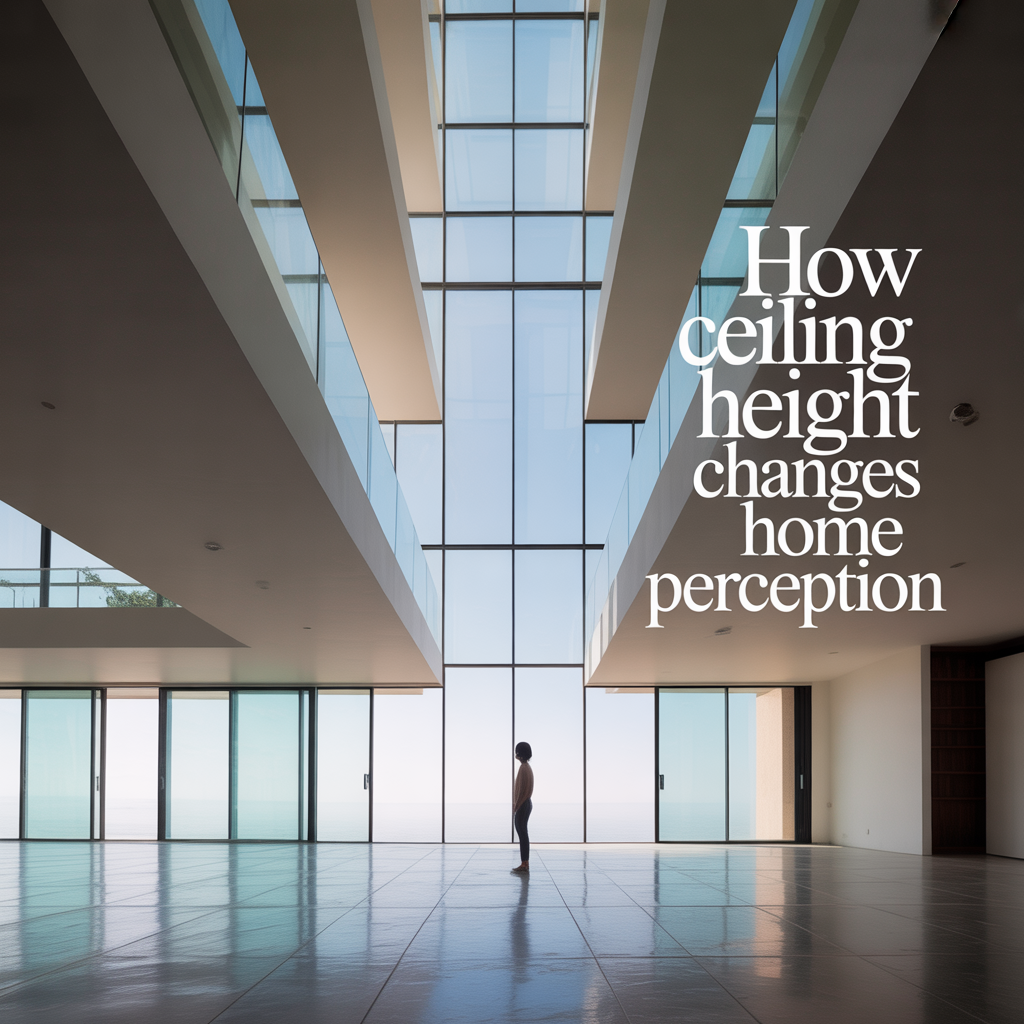
After 15 years helping Denver buyers and sellers choose homes, one of the quietest but most powerful things that shapes how a house feels is the ceiling height. It’s not something most people think about when they walk in, but it changes almost everything: how big the room seems, how light and airy the home feels, and even how calm or stressed you tend to feel over time. In a city where so many homes range from cozy 1950s bungalows to new vertical builds, understanding how ceiling height shapes perception helps you choose a home that feels right not just today, but ten or fifteen years from now.
How Height Changes the Feeling of Space
A room with 8-foot ceilings feels very different from one with 9-foot or 10-foot ceilings, even if the square footage is exactly the same.
In Denver’s older neighborhoods — like Baker, Congress Park, or Washington Park — many homes were built with 8-foot ceilings, which can feel cozy and intimate but also a bit confined, especially in narrow floor plans or when the furniture is large. In those homes, a high ceiling in just one area (like a living room with a vaulted ceiling or a bonus room over the garage) can create a dramatic sense of volume and light, making the whole home feel more spacious.
In newer construction, especially in areas like Stapleton (now Central Park), parts of Cherry Creek, and the newer builds in the south and west suburbs, higher ceilings (9–10+ feet) are common. Those homes feel more open, airy, and modern from the moment you walk in, and that sense of volume can make a smaller home feel larger and more luxurious. That’s a big part of why buyers are willing to pay more for homes that feel “bigger” without adding actual square footage.
How Ceiling Height Affects Mood and Stress
Research in environmental psychology has found that ceiling height actually changes how people think and feel.
Higher ceilings tend to evoke a sense of freedom, openness, and creativity. They encourage broader, more abstract thinking, which is why great rooms, living rooms, and open-plan kitchens in Denver homes often feel like places where people gather, relax, and decompress. That expansive feeling is part of what makes those spaces feel like a refuge after a long day downtown or a busy commute.
Lower ceilings, on the other hand, tend to create a sense of intimacy, coziness, and focus. That’s why they can feel so good in a bedroom, a study, or a home office, where you want to feel grounded and attentive, not scattered. But if the entire home has low ceilings, especially in a narrow floor plan, it can start to feel like it’s closing in, which can subtly increase stress and mental fatigue over time, especially if the house is also busy, noisy, or cluttered.
In Denver, where so many people are working from home or running a business from their house, that balance matters. A home with higher ceilings in the main living areas and slightly lower, more intimate ceilings in bedrooms and private zones tends to feel more balanced and restful long-term.
How Height Shapes Light and Airy Feel
Ceiling height is tightly tied to how light feels in a home, and that’s huge in Denver, where sunshine is a major part of the lifestyle.
With higher ceilings, you can place windows higher, install larger windows, and bring in light from more angles. That combination of height and light makes a home feel much brighter and more open, even on cloudy days. In practical terms, it reduces the feeling of being “boxed in,” which many buyers in central Denver neighborhoods describe as a key reason they prefer newer builds or remodeled homes with taller ceilings.
In homes with very low ceilings, especially in basements or older ranch-style homes, the light tends to feel flatter and more confined. That doesn’t mean the home can’t feel good, but it usually requires more intentional design — reflective finishes, lighter paint, and strategic lighting — to keep it from feeling tight or dark.
How It Affects How Buyers Value a Home
When buyers walk through a home in Denver, they’re often unconsciously adjusting their sense of value based on ceiling height.
A home in South Park Hill or Platt Park with standard 8-foot ceilings generally feels like a solid, comfortable home, especially if it’s move-in ready, and buyers price it according to the neighborhood’s current band. But if that same home has a great room or kitchen with 9–10-foot ceilings and larger windows, it often feels more like a step up, and buyers are more willing to stretch in price. That’s not just about square footage; it’s about how much more open, modern, and appealing the home feels.
In the same way, a home where the ceilings are low throughout (like many older condos, some split levels, or small bungalows) can feel like it needs more updates or a layout change to feel fully livable, even if the condition is good. That tends to lower the sense of value, not just because of the numbers, but because of how the home feels as you move through it.
How Kind of Room Benefits from Height
Not every room needs super-high ceilings, and matching ceiling height to the room’s purpose goes a long way in how livable a home feels over time.
- Great rooms, living rooms, and open-plan kitchens benefit from higher ceilings (9–10+ feet) because they’re the social and functional hub of the house. That extra height makes the space feel more generous, more inviting, and more light-filled, which is exactly what people want in those areas.
- Bedrooms tend to feel cozier and more grounding with slightly lower ceilings (8–9 feet). That sense of enclosure can make it easier to relax and sleep, and many long-term residents find that a bedroom that’s not soaring feels more like a true retreat.
- Home offices and dens can feel great with medium height (8.5–9 feet) and some separation, so the ceiling height supports focus without feeling like a cave.
- Hallways, laundry rooms, and utility areas rarely benefit from very high ceilings and are usually fine at standard height; they’re more about function than impact.
In Denver, the homes that age best are often the ones that use height intentionally: dramatic where it opens up the main living areas, and more intimate where it supports rest and focus.
How to Read Ceiling Height When Buying or Selling
When you’re looking at a home, it’s worth stepping back and asking how the ceiling height affects the home’s feel, not just the numbers.
- Does the main living area feel large and open, or tight and cramped, even if it’s not small?
- Does the home feel bright and airy, or does it feel like the light and space are capped by the ceiling?
- Are there clear zones: a big, open central area, with a bit more enclosure in the bedrooms and private areas?
For sellers, the goal isn’t to change the ceiling height, but to show how the home feels as a whole. That often means:
- Using scale appropriately (furniture that doesn’t overwhelm, but doesn’t feel too small either).
- Using lighting and color to reinforce the sense of space.
- Acknowledging the home’s rhythm — if it’s cozier, show it as a home that feels snug and protective; if it’s open, show it as a home that feels modern and expansive.
A Practical Takeaway
Ceiling height is one of those quiet, physical qualities that gradually shapes how a home feels in daily life. In Denver, where people care about light, space, and that sense of open sky, height is a very real part of the lived experience.
If you’re thinking about buying or selling and want to talk through how ceiling height and room proportions play out in your neighborhood or in a specific home, I’d be glad to walk through how those factors shape value, mood, and long-term livability in today’s Denver market.
Get the full Denver Market Insights → [Market Insights]



Aurora Southlands Living For Aerospace And Defense Families
This is part of Lockheed Martin Relocation → [Lockheed Martin Relocation Hub] & the larger Denver Relocation Hub → [Denver Relocation Hub] Written by: Chad Cabalka Relocating to Denver for Lockheed Martin changes the home search fast, because Waterton Canyon is not the kind of campus you casually “figure out later.” The southwest metro drives the whole…


Best Neighborhoods For Buckley Space Force Base Commuters
This is part of Lockheed Martin Relocation → [Lockheed Martin Relocation Hub] & the larger Denver Relocation Hub → [Denver Relocation Hub] Written by: Chad Cabalka If Buckley Space Force Base is the anchor of your move, the best neighborhoods are usually in east and southeast Aurora, with the strongest practical options around Southlands, Murphy Creek, East…

C-470 Commuting Strategy For South Denver Aerospace Workers
This is part of Lockheed Martin Relocation → [Lockheed Martin Relocation Hub] & the larger Denver Relocation Hub → [Denver Relocation Hub] Written by: Chad Cabalka If you work at Waterton, split time between Waterton and the DTC, or live anywhere in the south metro with a Lockheed Martin paycheck attached to it, C-470 is the corridor…