



This is part of Denver Home Financing Guide → [Denver Home Financing Guide] & Financial Readiness Guide → [Financial Readiness Guide]
Written by: Chad Cabalka
Let me explain this in the calm, straightforward way that long-time Denver residents prefer — not as a hype-filled list of programs, but as a clear, local guide to the help that’s actually meaningful for first-time buyers in Colorado right now.
What’s Really Possible for a First‑Time Buyer
If you’re looking at homes in the Denver metro, Arvada, Boulder, Aurora, or the Front Range, the bad news is that prices are still high, and saving a traditional 20% down is a real stretch for most people. The good news is that Colorado has a deep network of state and local programs that can seriously reduce your out‑of‑pocket costs, especially if you haven’t owned a home in the last three years, work in certain fields, and meet modest income limits.
These programs aren’t “free money” in the sense of a handout you never pay back, but they’re real tools: grants, low‑ or zero‑interest loans, and second mortgages that help cover your down payment and closing costs. Used wisely, they can allow you to buy a home with a 3–5% down payment of your own and use program funds for the rest, while keeping your monthly payment manageable.
What matters most is understanding how they work, what they require, and how they fit into a realistic homebuying budget — not just whether they exist.
Statewide Programs: CHFA, CHAC, and DPA
The backbone of first‑time buyer help in Colorado is the state’s housing agencies. They’re not flashy, but they’re stable, and they’re designed with this market in mind.
- Colorado Housing and Finance Authority (CHFA)
CHFA runs programs like FirstStep and HomeAccess, which are 30‑year fixed‑rate mortgages (often FHA or conventional) specifically for first‑time buyers and certain veterans. You normally need a credit score in the 620+ range, a low‑ or moderate‑income household, and you must complete a homebuyer education class.
CHFA also offers a down payment mortgage (often around $20,000–$25,000, depending on the program) to help cover your down payment and closing costs. This is a second mortgage, so it’s repaid over time, but it can dramatically reduce your cash‑to‑close amount. - Colorado Housing Assistance Corporation (CHAC)
CHAC is a statewide nonprofit that provides down payment assistance as a low‑interest second mortgage for qualified first‑time buyers. Like CHFA, it usually requires a homebuyer education class and income limits (often 80–100% of area median income, depending on the county).
CHAC’s loan is recorded as a lien on the home and is repaid monthly, but it’s flexible and widely accepted by lenders in the Denver area, making it a realistic tool for many families in the city, suburbs, and mountain communities. - Down Payment Assistance (DPA) through Local Governments
Many Colorado counties and municipalities contract with the state (through the Colorado Division of Local Affairs) to run their own DPA programs. These are typically low‑ or deferred‑interest loans that can cover 3–5% of your home’s price to help with your down payment and closing costs.
These programs are very common in the Front Range and are among the most used tools for buyers in the $300,000–$550,000 range.
Local Down Payment Help in the Denver Metro
If you’re buying within the Denver metro or nearby suburbs, several well‑established programs are available that can make a big difference in your budget:
- NeighborhoodLIFT (Adams, Arapahoe, Denver, Douglas, Jefferson Counties)
This program is available in many of the same counties where most Denver buyers shop. It can provide up to $15,000 in assistance for down payment and closing costs on a primary residence.
NeighborhoodLIFT is open not just to first‑time buyers but also to first responders, military members, and teachers, and it includes a homebuyer education requirement. That $15,000 can be what lets you increase your offer in a competitive market without draining your savings. - Aurora Home Ownership Assistance Program (HOAP)
For buyers in Aurora, the city’s HOAP offers up to $10,000 in assistance at zero interest, so it reduces your out‑of‑pocket costs without a high monthly payment.
You’ll need to complete a homebuyer education class, meet income limits, and buy a home that’s used as your primary residence, but it’s a solid resource for many families in the eastern part of the metro. - Douglas County Homeownership Programs
In Douglas County, buyers can access down payment assistance in the form of a loan (often around $15,000) toward the purchase price, structured as a second mortgage. This is a big help for buyers in Highlands Ranch, Parker, and the more suburban neighborhoods where prices are higher but options are still relatively affordable. - Boulder County Programs
In Boulder County, outside city limits, there are down payment and closing cost assistance programs specifically for first‑time buyers, which can be used with CHFA, CHAC, or other state‑backed loans.
These are particularly valuable in a market like Boulder, where even a relatively modest home can feel out of reach without outside support.
Requirements That Trip People Up
All of these programs have a few common requirements that can surprise buyers if they’re not prepared:
- Homebuyer Education Class
Most grant and loan programs require a certified homebuyer education course, usually online and available in English and Spanish. These classes cover the basics of credit, budgeting, the buying process, and homeownership costs, and they’re actually helpful, not just a box to check. - Income Limits
Many programs are designed for households with incomes at or below 80–100% of area median income (AMI), which is around $110,000–$150,000+ depending on county and household size. Some programs are more flexible, especially for teachers, first responders, and other public service workers. - Minimum Contribution
Most programs require you to put some of your own money toward the transaction (often $750–$1,000) that cannot be a gift. This is meant to ensure that you’re truly invested in the home, not relying entirely on outside help. - Primary Residence and Use Rules
Nearly all assistance is only for a primary residence, not a vacation home or investment property. If you sell or refinance early, or if you move out and rent the home, you may be required to repay the assistance, sometimes in full.
How These Programs Change Your Buying Power
In practical terms, these programs can change what you can afford without changing your budget. For example, on a $450,000 home in the Denver area:
- A 3–5% conventional loan might require a $13,500–$22,500 down payment plus 2–5% in closing costs (roughly $10,000–$20,000 more).
- With a CHFA, CHAC, or DPA-type loan or NeighborhoodLIFT, you might only need to bring 3–5% of your own money, with the rest covered by the assistance program.
- That can mean bringing $15,000–$20,000 of your savings to the table instead of $40,000–$60,000, while still having a strong offer and a reasonable monthly payment.
That kind of reduction in upfront cash can be what allows a teacher in Littleton, a nurse in Thornton, or a firefighter in Aurora to buy a home years earlier than they otherwise would have.
Making a Realistic Plan for Your Purchase
The strongest buyers in the Denver market aren’t the ones who just “found a program”; they’re the ones who:
- Talked to a local lender early to understand which programs are available and whether they qualify.
- Took a homebuyer education class so they can meet the requirement without last‑minute scrambling.
- Built a budget that includes the home payment, taxes, insurance, and maintenance, not just the minimum lenders will approve.
- Used a local Realtor who understands how these programs work with competitive offers, especially in neighborhoods where homes get multiple offers.
This isn’t about making a last‑minute grab for a home. It’s about building a realistic, sustainable plan so that you buy a home that fits your life, not one that stretches your budget beyond repair.
A Conversation with a Real Local Advisor
If you’re thinking about buying a home in Colorado and want to know exactly which programs (state, county, city, or nonprofit) are realistic for your income, occupation, and neighborhood, I’m always happy to go through the numbers with you. That conversation should be clear, grounded, and focused on your actual life — not a pitch to enroll in a program that doesn’t quite fit.
When you’re ready to start, I’m here to help you build a true homebuying plan, not just the next step in a sales funnel. Let’s talk about what’s possible for you, right here in Colorado.
Get the full Denver Market Insights → [Market Insights]


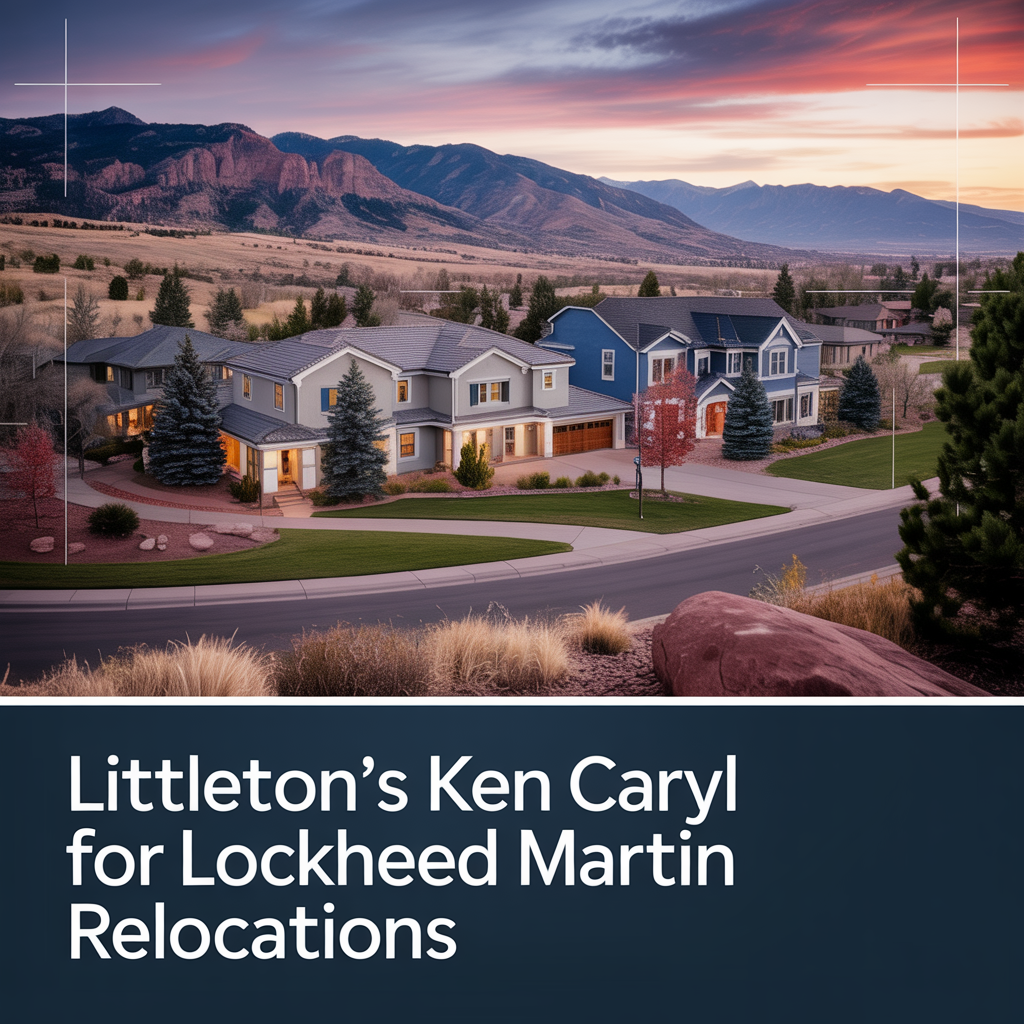
Littleton’s Ken Caryl for Lockheed Relocations
This is part of Lockheed Martin Relocation → [Lockheed Martin Relocation Hub] & the larger Denver Relocation Hub → [Denver Relocation Hub] Written by: Chad Cabalka Ken Caryl is one of the best-kept “family first” relocation options for Lockheed Martin employees who want foothills scenery, strong neighborhood appeal, and a real suburban lifestyle that still feels connected…

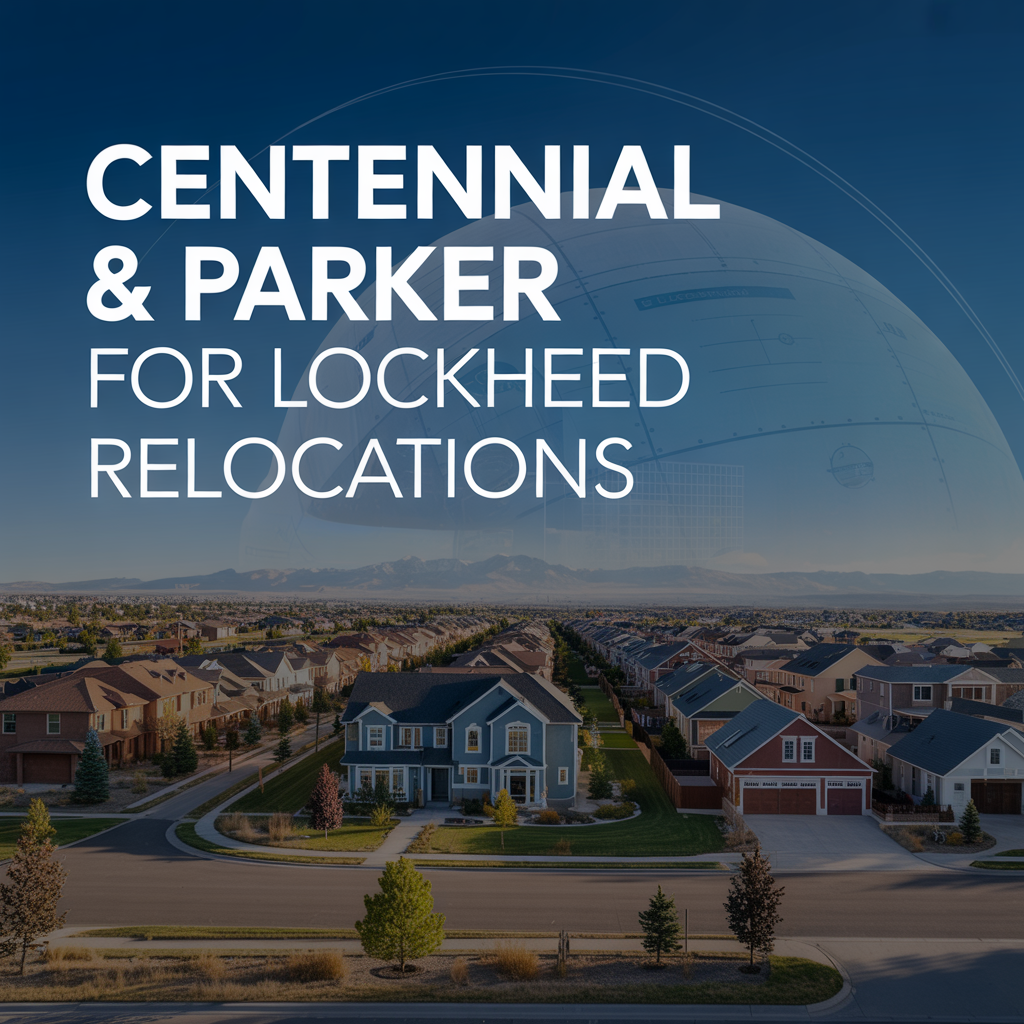
Centennial & Parker for Lockheed Relocations
This is part of Lockheed Martin Relocation → [Lockheed Martin Relocation Hub] & the larger Denver Relocation Hub → [Denver Relocation Hub] Written by: Chad Cabalka Centennial and Parker are two of the smartest suburban choices for Lockheed Martin employees relocating with families because they give you a strong balance of commute flexibility, good neighborhood variety, and…

Highlands Ranch for Family-Friendly Lockheed Relocations
This is part of Lockheed Martin Relocation → [Lockheed Martin Relocation Hub] & the larger Denver Relocation Hub → [Denver Relocation Hub] Written by: Chad Cabalka Highlands Ranch is one of the strongest choices for Lockheed Martin employees relocating with families because it delivers exactly what most parents want after a big move: stable neighborhoods, strong community…