



This is part of Denver Home Financing Guide → [Denver Home Financing Guide] & Financial Readiness Guide → [Financial Readiness Guide]
Written by: Chad Cabalka
Saving a down payment while renting in Colorado, especially in the Denver metro, can feel like climbing a steep hill. Rents are high, costs keep rising, and the gap between what you’re bringing in and what homes cost can be discouraging. But in the real world, most people don’t buy a home because they saved up 20% in cash; they buy because they decided to prioritize ownership, worked with a realistic plan, and used every practical tool available in this market. For a renter in the Front Range, that’s not only possible — it’s how most first‑time buyers in the Denver area actually do it.
Be Clear About Your Realistic Goal
The first step is to stop thinking in fixed “20% of a home price” and start thinking in terms of: What’s the kind of home I can actually afford, and how much do I realistically need to bring to the table? In Colorado in 2026, most buyers don’t need to save 20% of their own money. Conventional loans are approved with 3–5% down, and FHA and state programs (like CHFA, CHAC, and local down payment assistance) can cover a big chunk of the rest.
For someone renting in the Denver area, the goal usually becomes:
- Save enough to meet the minimum down payment (3–5%) on a home in a price range that fits your budget.
- Save enough for closing costs (2–5% of the loan amount, depending on the county and lender).
- Keep a small cushion for immediate repairs, inspections, moving, and a few months of extra expenses once you’re in the home.
If you’re targeting a home in the $450,000–$550,000 range, that might mean saving $20,000–$40,000 of your own money, not $100,000–$110,000. That’s a big difference in how long and how hard you need to save.
Make a Monthly Budget That Prioritizes Ownership
Renters in Colorado often think they can’t save for a home because “rent is eating everything.” But when we look at actual budgets, almost everyone can find a few hundred dollars a month that can be redirected toward a down payment, if they’re intentional about it.
Here’s how to build a realistic saving plan:
- Know your take‑home pay: Start with what you keep each month after taxes, health insurance, and retirement contributions.
- Track your current spending: List your rent, utilities, car payment, insurance, groceries, dining, subscriptions, and any other recurring bills.
- Identify what can be reduced: Common levers in the Front Range are:
- Switching to a roommate or a lower‑rent part of town, if that makes sense for your life.
- Reducing dining out, entertainment, and subscriptions that aren’t truly important.
- Driving a reliable older car instead of upgrading to a new car loan.
- Delaying non‑essential trips or vacations for a year or two.
- Set a realistic monthly savings goal: Many renters in the Denver area can realistically save $300–$800 per month just by slightly tightening the budget. That can add up to $10,000–$20,000 in 3–5 years without drastic lifestyle changes.
The key is to treat home savings like a non‑negotiable bill, not an “extra” if there’s money left at the end of the month.
Use Your Rent as a Saving Tool, Not a Barrier
A lot of renters in the Denver area worry that they’re “wasting money on rent.” But in practice, the stability of renting gives you the breathing room to save. Your rent is known, and your variable costs (cars, food, utilities) are the ones that can be adjusted to make space for a down payment.
Think of it this way: every month that you pay rent on time, keep your credit strong, and avoid new debt, you’re building creditworthiness. That’s part of the work, even if it doesn’t feel like it’s going directly into a home. When you’re ready to buy, a solid rental history and a clean credit report make it easier to qualify for a loan and a good interest rate, which can save you tens of thousands of dollars over the life of the mortgage.
If you’re renting in a duplex, triplex, or four‑plex, and one of the units is available, you can also consider a house‑hacking strategy: use your savings to buy a multi‑family property, live in one unit, and rent out the others. That can greatly reduce your monthly housing cost and make it easier to build equity faster than pure saving.
Look for Side Income Within Your Life
In Colorado, the most sustainable way to save is through a regular monthly surplus, but side income can help shorten the timeline significantly. This doesn’t mean quitting your job to start a chaotic side hustle; it means finding realistic, manageable ways to earn a few hundred dollars a month on top of your regular income.
Ideas that work well for Front Range renters:
- Overtime, side gigs, or freelance work in your existing field (e.g., an extra shift, a small project, or consulting).
- Renting a spare room or parking space if you’re in a duplex or a complex that allows it.
- Caregiving, pet sitting, or tutoring in the evenings or on weekends, especially if you already have those skills.
- Seasonal or part‑time work in ski towns, festivals, or events during peak Colorado seasons.
Even an extra $500–$1,000 a month, directed straight into a separate down payment savings account, can cut years off your timeline.
Protect Your Down Payment Like a Down Payment
Once you start saving, it’s easy to dip into that money for a vacation, a car, or an emergency. That’s why it’s helpful to:
- Open a separate savings account strictly for the down payment.
- Treat it like a second mortgage payment: when it’s time to save, it’s time to pay, regardless of what’s on sale.
- Accept that this is a multi‑year plan, not a sprint.
- Use the occasional bonus, tax refund, or gift wisely: applied to the down payment, it can significantly shorten the timeline.
Many renters in the Denver area build momentum by tracking progress monthly. Seeing that number grow, even if it’s slow, is a powerful motivator to stay on course.
Line Up Local Help Before You’re Fully Ready
Colorado has some of the most accessible down payment help in the country, and the biggest mistake many renters make is thinking they have to save 100% of the down payment on their own. In reality, programs like:
- CHFA and CHAC down payment loans,
- NeighborhoodLIFT in Adams, Arapahoe, Denver, Douglas, and Jefferson counties,
- Local city and county programs in Aurora, Denver, Douglas County, Boulder County, and other Front Range communities
can each cover thousands of dollars toward your down payment and closing costs, often as a second mortgage or low‑interest loan. That means the amount you personally need to save is much lower than it looks at first glance.
The smart move is to research these programs early, talk to a local lender who understands them, and plan your saving goal around: What do I need to bring, once I use available help?
Make It a Realistic, Local Decision
For a renter in the Denver area, Colorado Springs, or the mountain towns, buying a home is not about saving blindly until there’s “enough.” It’s about:
- Deciding what kind of home and neighborhood truly fit your life.
- Building a budget that reflects your real income, spending, and priorities.
- Saving steadily, adjusting your lifestyle just enough to create a meaningful monthly surplus.
- Using local programs, down payment assistance, and the stability of renting to build a strong foundation.
If you’re ready to start planning a realistic down payment strategy for your income, timeline, and target area in Colorado, I’m always happy to talk through a specific game plan. That conversation should be grounded in your real life, not a generic “save 20%” rule. When you’re ready, I’m here for that.
Get the full Denver Market Insights → [Market Insights]


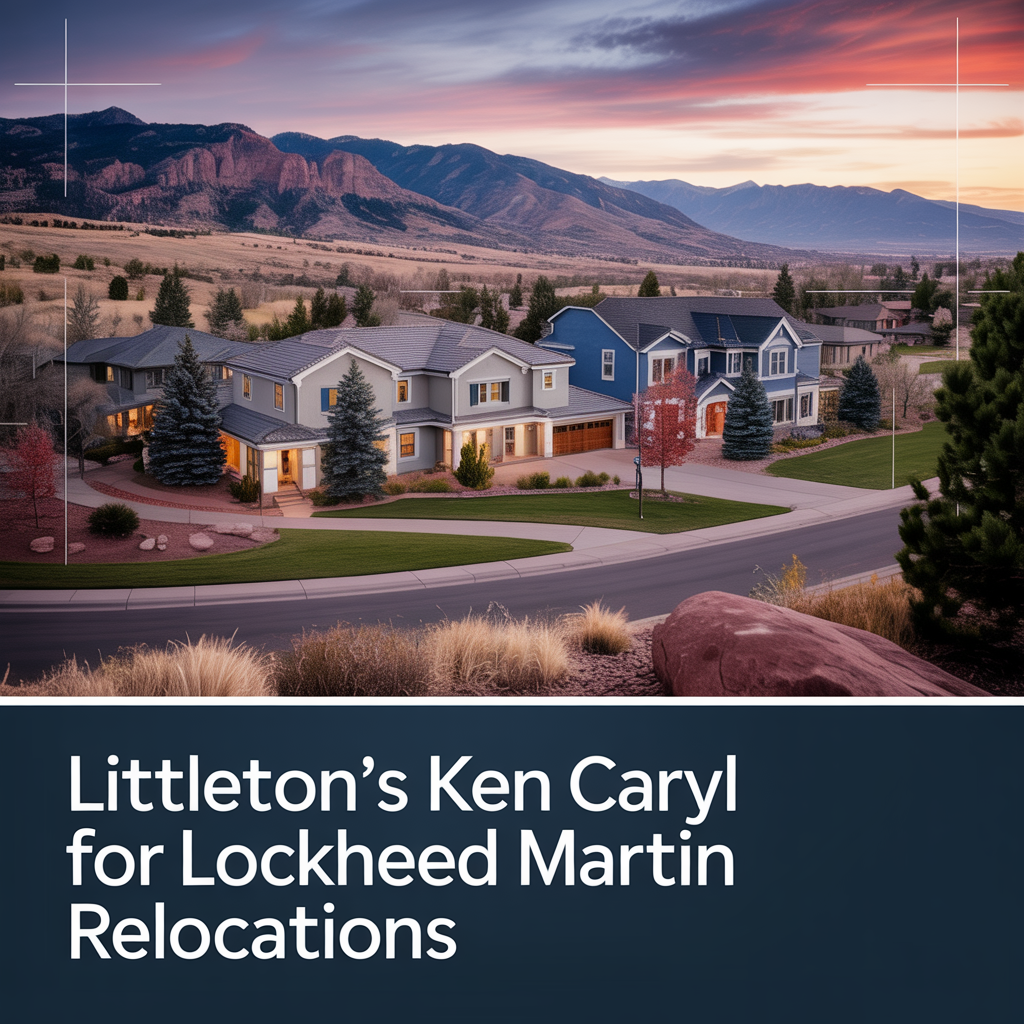
Littleton’s Ken Caryl for Lockheed Relocations
This is part of Lockheed Martin Relocation → [Lockheed Martin Relocation Hub] & the larger Denver Relocation Hub → [Denver Relocation Hub] Written by: Chad Cabalka Ken Caryl is one of the best-kept “family first” relocation options for Lockheed Martin employees who want foothills scenery, strong neighborhood appeal, and a real suburban lifestyle that still feels connected…

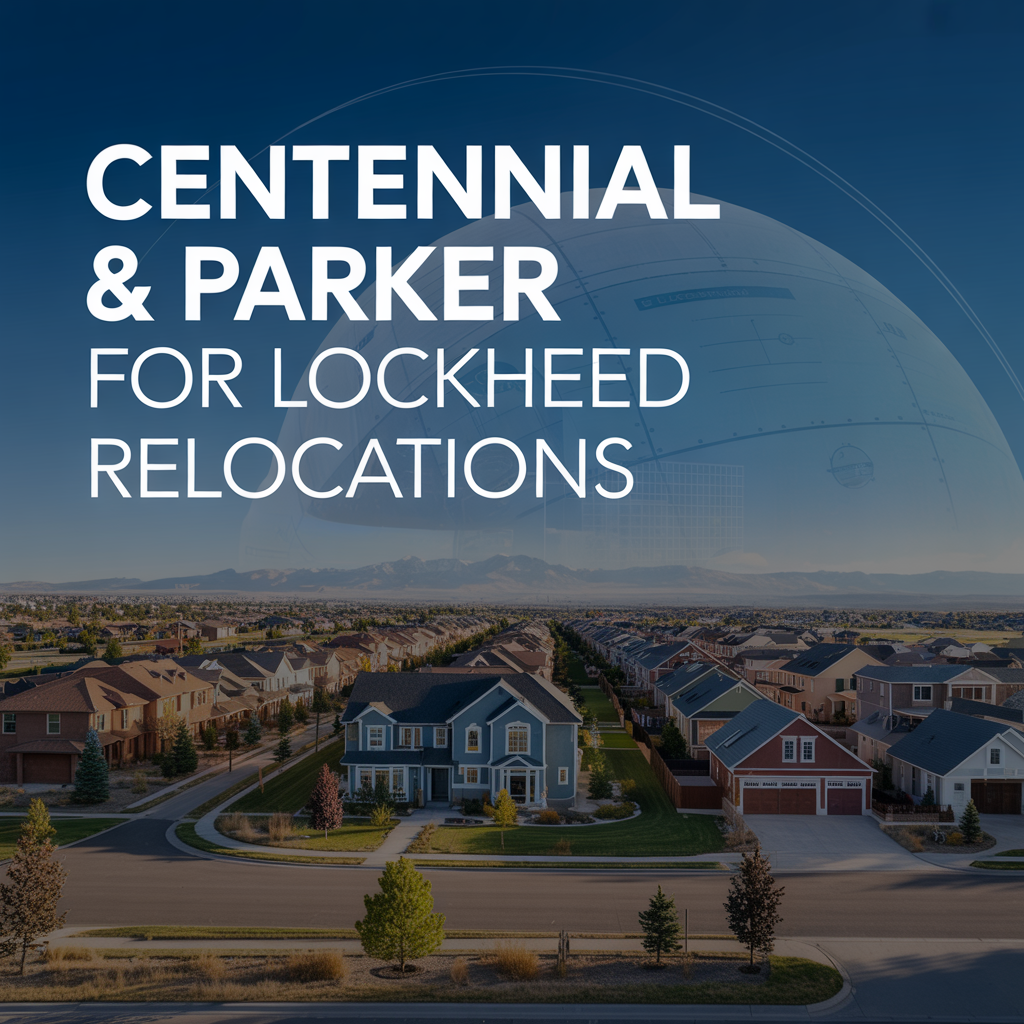
Centennial & Parker for Lockheed Relocations
This is part of Lockheed Martin Relocation → [Lockheed Martin Relocation Hub] & the larger Denver Relocation Hub → [Denver Relocation Hub] Written by: Chad Cabalka Centennial and Parker are two of the smartest suburban choices for Lockheed Martin employees relocating with families because they give you a strong balance of commute flexibility, good neighborhood variety, and…

Highlands Ranch for Family-Friendly Lockheed Relocations
This is part of Lockheed Martin Relocation → [Lockheed Martin Relocation Hub] & the larger Denver Relocation Hub → [Denver Relocation Hub] Written by: Chad Cabalka Highlands Ranch is one of the strongest choices for Lockheed Martin employees relocating with families because it delivers exactly what most parents want after a big move: stable neighborhoods, strong community…