


Home Inspections Guide -> [Home Inspections Guide] & For more info on Buying in the Denver Metro Area → [Denver Metro Home Buying Process]
Written by: Chad Cabalka
Thermal cameras have changed the way good inspectors look at Denver homes, but they haven’t changed the basics of what matters: safety, comfort, and long‑term performance. Used well, they simply let us see what’s happening behind the surfaces so we can make better decisions with fewer surprises down the road.
What A Thermal Camera Actually Does
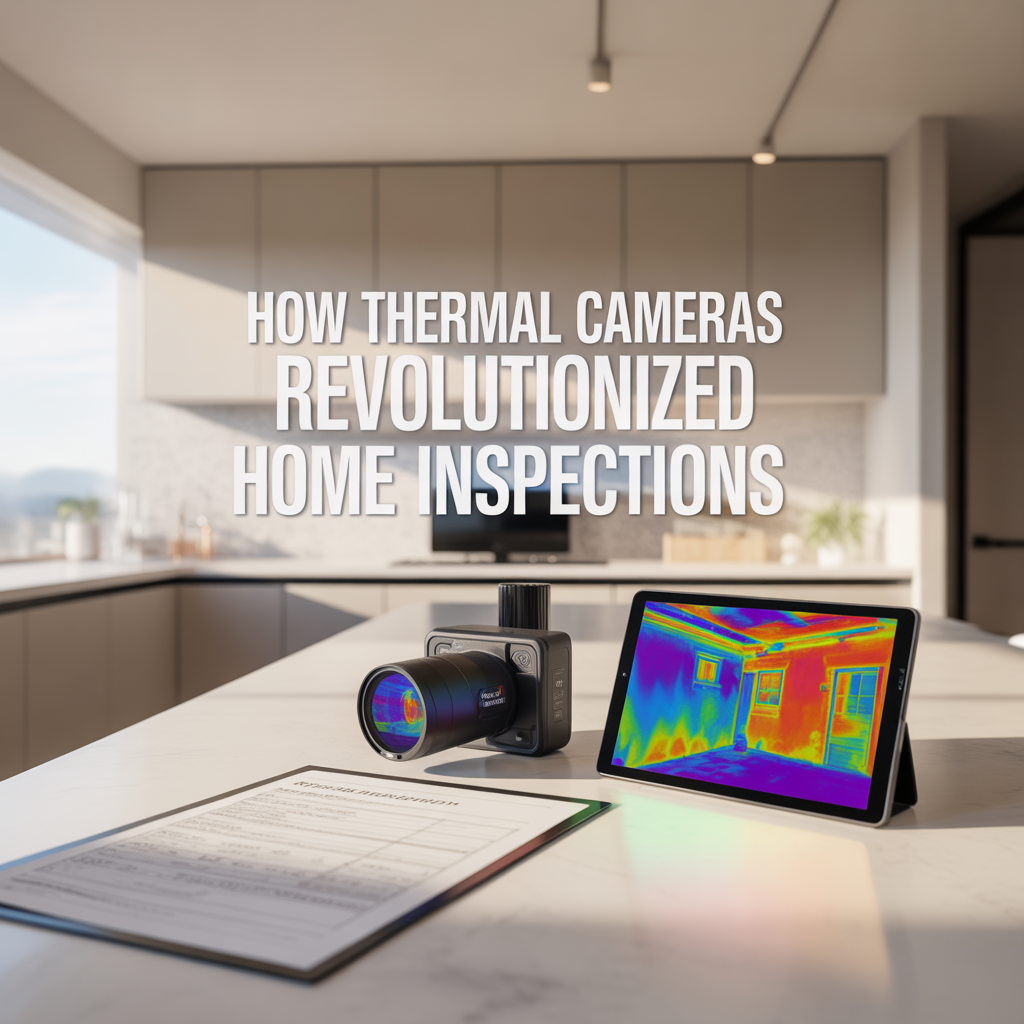
A thermal camera doesn’t see through walls; it reads temperature differences on surfaces. When an inspector scans a wall, ceiling, or electrical panel, the camera translates heat patterns into a color image that highlights hot and cold spots.
Those patterns often point to things the naked eye can’t catch in a standard walk‑through. A colder patch in an interior wall might be moisture, missing insulation, or an air leak. A hotter spot on an electrical breaker could flag a loose connection or overloaded circuit. The camera doesn’t diagnose the problem by itself, but it tells a trained inspector exactly where to look closer.
In a Denver context, that added layer of visibility matters because our homes see big temperature swings and a lot of stress on building materials. Being able to “see” how a house is holding or losing heat in real time is incredibly useful, especially in winter.
From Flashlights to Thermal Imaging
When I first started walking Denver homes, inspections were almost entirely visual: flashlights, ladders, outlet testers, maybe a moisture meter on a suspicious area. Inspectors were very good at what they did, but they were limited by what they could physically see or touch in a few hours.
Thermal cameras have added a new dimension to that work. Instead of guessing where a minor ceiling stain is coming from, an inspector can scan the surrounding area and see if there’s a larger cold, damp section spreading through the drywall. Instead of assuming insulation is intact because walls look fine, they can scan and instantly spot large, colder “shadows” where insulation is missing.
The key shift is speed and focus. Instead of opening up more surfaces or making assumptions, inspectors can quickly zero in on the most suspicious zones and then confirm with other tools. It’s not replacing their judgment — it’s sharpening it.
Hidden Moisture and Denver’s Construction Mix
Moisture is one of the biggest long‑term threats to a home, and in Denver it shows up in unique ways. We don’t have the constant humidity of coastal markets, but we do see ice dams, wind‑driven snow, and snowmelt refreezing around penetrations and overhangs. Over time, that can create slow leaks around roof transitions, skylights, and exterior walls.
Thermal cameras are particularly good at spotting where moisture has cooled a surface slightly compared to the surrounding area. An inspector might scan a vaulted ceiling in a Central Park home after a storm and see irregular cooler patches that don’t yet show staining. That can be the early warning sign that flashing or underlayment needs attention before drywall damage ever appears.
In older brick neighborhoods like Baker or Capitol Hill, where interior finishes may have been updated multiple times, a thermal scan can reveal hidden moisture wicking through masonry or around old window openings that a quick visual pass would miss. That helps buyers and owners address problems early and avoid mold, plaster failure, or rotted framing.
Insulation, Drafts, and Real‑World Comfort
One of the most eye‑opening uses of thermal cameras is checking how well a home actually holds heat. You can walk into a house that looks beautifully renovated and still find cold exterior corners, uninsulated rim joists, and leaky window perimeters once you scan it.
In Denver’s older bungalows and mid‑century ranches, insulation has often been added in layers over the decades. It’s common to see “zebra stripes” of hot and cold on a thermal image where some cavities are full and others are bare. You feel that later as cold spots in winter and hot pockets in summer.
When a thermal camera shows exactly where heat is escaping — around a fireplace chase in Wash Park, at the attic access in Park Hill, or along a poorly sealed sliding door in Highlands Ranch — it gives the owner a very targeted punch list. Instead of guessing and over‑spending on broad upgrades, they can seal and insulate the specific areas that will make the biggest day‑to‑day difference.
Electrical Safety and Quiet Risk Reduction
Thermal imaging also helps with one of the most quietly important parts of a home: the electrical system. Overheating breakers, loose lugs, or undersized wiring can all show up as hot spots long before they fail outright.
An inspector scanning a panel in an older Harvey Park home might notice one breaker glowing hotter than its neighbors on the thermal image. That doesn’t mean the house is unsafe in that moment, but it does tell us that circuit deserves closer evaluation by an electrician. Catching those conditions early can prevent nuisance trips at best and more serious issues at worst.
For buyers, this kind of insight shifts the conversation from vague “old electrical” concerns to very specific, actionable items. That clarity is valuable during negotiations and when planning post‑closing improvements.
Limits and Misconceptions
It’s important to be honest about what thermal cameras cannot do. They don’t magically reveal every hidden problem, and they don’t replace careful, methodical inspection work. A cold spot might be moisture — or it might just be a draft or a framing detail. A hot spot might indicate a wiring issue — or simply a sun‑warmed area.
Good inspectors treat thermal images as clues, not conclusions. They use them to decide where to take moisture readings, open access panels, or recommend further evaluation. When you remember that, you avoid the common misconception that a thermal scan guarantees a “perfect” inspection. It’s a powerful tool, but it still depends on the person using it and the conditions on the day of the inspection.
Another misunderstanding is that every home “must” have thermal imaging or the inspection is inadequate. In reality, it’s one more layer of information. For some homes and situations — finished basements, complex roofs, visible staining — it can be especially helpful. In others, the benefit is more modest. The key is matching the tool to the property and your concerns as a buyer or owner.
How This Feels Over Time, Not Just on Inspection Day
Where thermal imaging really pays off is not just in the report you get that week, but in how the home lives in the years that follow. Catching a subtle roof leak before it ruins a ceiling, identifying a missing insulation bay before another winter of cold drafts, or flagging an electrical connection for repair before it becomes a bigger issue — all of that adds up quietly in your favor.
From a Denver homeowner’s perspective, that usually feels like fewer surprises and more predictability. Repairs can be scheduled on your timeline, not in a panic after damage appears. Energy improvements can be prioritized around the specific weak points the camera revealed. Over a decade of ownership, that kind of informed, targeted care often matters more than any one headline upgrade.
It also influences how buyers see your home later. If you can show that you didn’t just react to visible problems, but used modern tools and good advice to maintain the property thoughtfully, it builds trust. That trust often shows up in smoother negotiations and a more confident buyer on the other side of the table.
Navigating This As a Denver Buyer or Owner
If you’re considering a home here in the Denver area, or thinking about a thorough check‑up on the one you already own, it’s worth talking with your inspector and your agent about whether thermal imaging makes sense for your situation. The right decision depends on the age and type of home, how it’s finished, and what you’re most concerned about.
If you’d like to walk through those questions with someone who’s been in Denver houses for many years and cares as much about how your home feels in ten years as it does on closing day, I’m always open to a real conversation. We can look at your goals, the age and style of your home or target neighborhood, and decide together how tools like thermal imaging fit into a broader strategy of smart, steady ownership — not hype, just honest guidance from someone local.
This is offered as general education only. If you are already under contract with another agent, nothing here is meant to override their guidance or solicit you as a client; I fully respect those boundaries and would encourage you to defer to their advice.
Get the full Denver Market Insights → [Market Insights]



Aurora Southlands Living For Aerospace And Defense Families
This is part of Lockheed Martin Relocation → [Lockheed Martin Relocation Hub] & the larger Denver Relocation Hub → [Denver Relocation Hub] Written by: Chad Cabalka Relocating to Denver for Lockheed Martin changes the home search fast, because Waterton Canyon is not the kind of campus you casually “figure out later.” The southwest metro drives the whole…


Best Neighborhoods For Buckley Space Force Base Commuters
This is part of Lockheed Martin Relocation → [Lockheed Martin Relocation Hub] & the larger Denver Relocation Hub → [Denver Relocation Hub] Written by: Chad Cabalka If Buckley Space Force Base is the anchor of your move, the best neighborhoods are usually in east and southeast Aurora, with the strongest practical options around Southlands, Murphy Creek, East…

C-470 Commuting Strategy For South Denver Aerospace Workers
This is part of Lockheed Martin Relocation → [Lockheed Martin Relocation Hub] & the larger Denver Relocation Hub → [Denver Relocation Hub] Written by: Chad Cabalka If you work at Waterton, split time between Waterton and the DTC, or live anywhere in the south metro with a Lockheed Martin paycheck attached to it, C-470 is the corridor…