



Home Inspections Guide -> [Home Inspections Guide] & For more info on Buying in the Denver Metro Area → [Denver Metro Home Buying Process]
Written by: Chad Cabalka
In Denver’s fast-paced real estate market, the temptation to waive a home inspection to strengthen an offer feels understandable, especially when competing for desirable properties in neighborhoods like Washington Park or Highlands Ranch. As someone who’s lived here all my life and advised hundreds of clients through purchases—from older charmers in Congress Park to newer builds in Centennial—I’ve witnessed the real, often hidden, price of skipping this step. It goes beyond immediate dollars, touching on peace of mind, unexpected disruptions, and long-term home value that affect how you settle into ownership.
Rushing past inspections trades short-term competitiveness for potential long-term regrets, particularly in our climate of clay soil shifts, hail storms, and high-altitude wear. Understanding these costs helps buyers prioritize wisely.
Financial Surprises Post-Closing
Without an inspection, buyers often face immediate repair bills that dwarf the $500-800 cost of the process itself. A seemingly solid Arvada ranch might hide a 20-year-old water heater on its last legs, costing $3,000 to replace just months after move-in. In Denver’s hard water environment, uninspected galvanized pipes in a 1960s Littleton home can fail unexpectedly, leading to floods that run $10,000 or more when slab leaks go undetected.
Over years, these compound: skipped roof checks miss hail-weakened shingles, accelerating full replacements at $15,000-$25,000 every 15 years instead of budgeted stretches. Electrical panels outdated per code raise insurance premiums or deny claims outright. Families I’ve counseled skipped inspections on flipped RiNo properties, only to pour $20,000 into foundation tweaks from poor grading—money that negotiation could have offset.
Savings evaporate when unknowns become expenses.
Compromised Safety Risks
Inspections flag hazards like faulty GFCI outlets near Centennial pools or inadequate attic ventilation causing ice dams in Park Hill winters. Without them, families move in unaware, facing shocks—literally—from ungrounded wiring in older Golden bungalows or carbon monoxide leaks from neglected flues. Denver’s freeze-thaw cycles exacerbate these, cracking unmonitored foundations that shift dangerously over time.
Post-close discoveries disrupt lives: kids can’t safely play on wobbly decks, or basements flood from poor sump setups during monsoons. One client bypassed inspection on a Westminster two-story, discovering mold from hidden moisture weeks later—health scares and $8,000 remediation followed. Safety isn’t negotiable; skipping trades vigilance for vulnerability.
Protections overlooked endanger what matters most.
Lost Negotiation Leverage
An inspection report arms you with facts for fair asks, like credits for HVAC tuning essential at our elevation or stucco repairs common in clay soils. Waiving means accepting “as-is,” where sellers hold all cards—even motivated ones in slower Lakewood markets concede less without evidence. I’ve seen buyers pay full price for Englewood homes, then fund $5,000 sewer scopes revealing root intrusions they could have negotiated.
This imbalance erodes equity from day one, as unaddressed minors snowball. Competitive offers succeed without waivers when paired with strong pre-approvals and earnest money; knowledge strengthens, doesn’t weaken.
Leverage forgone weakens positions.
Emotional and Lifestyle Toll
The stress of unknowns lingers: every creak in a Platt Park Victorian prompts worry—is it settling or structural? New owners second-guess choices, delaying enjoyment of neighborhood trails, local brews, or farmers markets. Families report strained dynamics, with budgets diverted from customizations to emergencies like furnace failures mid-winter.
Over time, this erodes confidence in the investment, making resale harder without maintenance history. Clients reflect regretfully: “We saved $600 upfront but lost weekends and sleep.” Denver’s appreciating market rewards prepared owners who savor stability, not scramble for fixes.
Anxiety unpaid extracts heavy tolls.
Diminished Resale Value Later
Homes without inspection baselines sell slower and lower, as future buyers demand discounts for undocumented wear—like unverified roofs or systems in Castle Pines. Sellers scramble for rushed reports, facing renegotiations that eat profits. Documented diligence, conversely, justifies premiums, showcasing resolved issues like graded yards or updated panels.
In Denver’s buyer-savvy scene, transparency wins; skips create perceived risks that cap offers.
History undocumented haunts exits.
Opportunity Costs in Denver’s Market
Our steady appreciation favors proactive buyers who inspect, negotiate smartly, and build equity through maintenance. Skipping shifts you to reactive mode, missing comp advantages in areas like Sloan’s Lake where informed offers close cleanly. Alternatives abound—strong letters or escalations outperform waivers long-term.
Market smarts prioritize insight over impulse.
Weighing Risks Against Rewards
The true cost tallies thousands financially, safety lapses, emotional strain, and equity gaps—far outweighing inspection fees. Denver’s variables demand diligence; prepared buyers thrive.
Because the inspection is a mid-transaction topic, if you are indeed under contract make sure you reach out to the real estate agent you have an agreement with. This is not an attempt to “steal” clients or gain clout, only an attempt to educate. For general questions or pre-purchase strategy, I’m here for a straightforward conversation rooted in decades of local experience.
Get the full Denver Market Insights → [Market Insights]


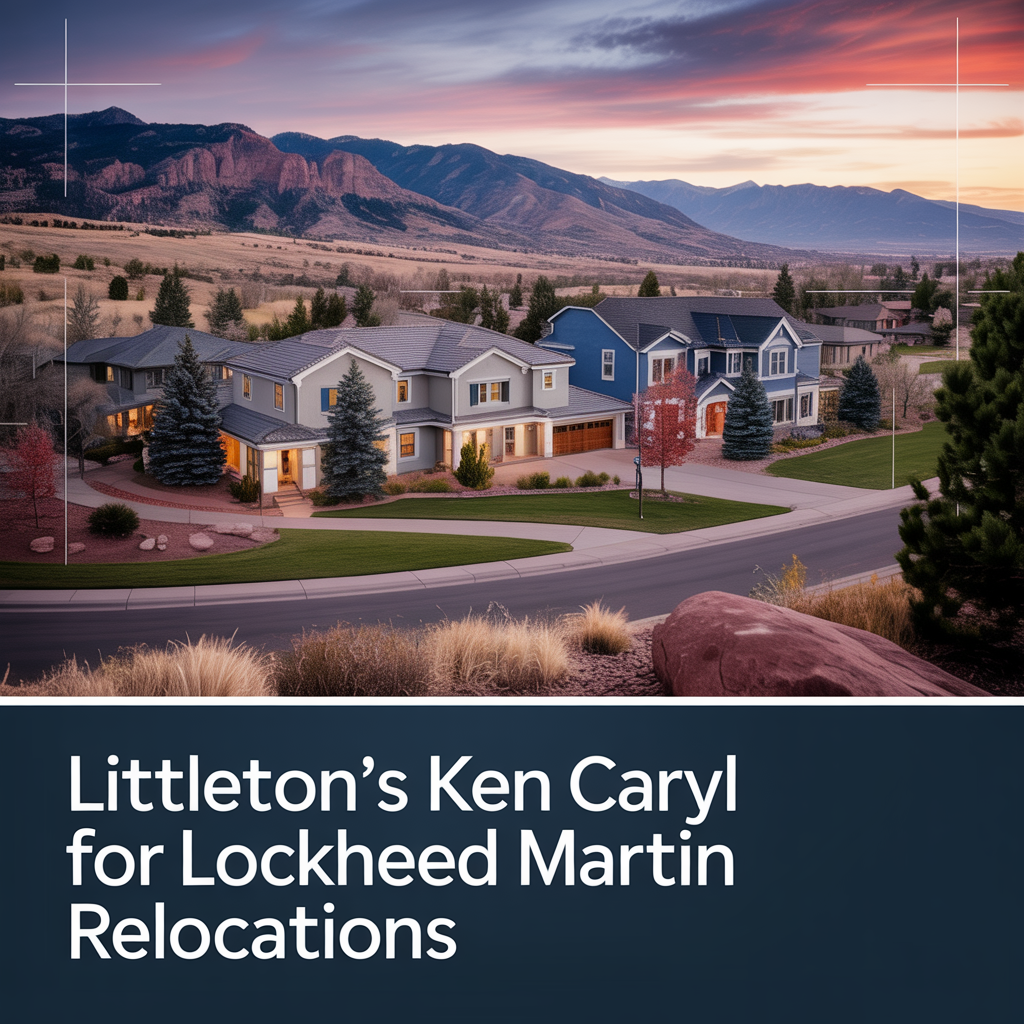
Littleton’s Ken Caryl for Lockheed Relocations
This is part of Lockheed Martin Relocation → [Lockheed Martin Relocation Hub] & the larger Denver Relocation Hub → [Denver Relocation Hub] Written by: Chad Cabalka Ken Caryl is one of the best-kept “family first” relocation options for Lockheed Martin employees who want foothills scenery, strong neighborhood appeal, and a real suburban lifestyle that still feels connected…


Centennial & Parker for Lockheed Relocations
This is part of Lockheed Martin Relocation → [Lockheed Martin Relocation Hub] & the larger Denver Relocation Hub → [Denver Relocation Hub] Written by: Chad Cabalka Centennial and Parker are two of the smartest suburban choices for Lockheed Martin employees relocating with families because they give you a strong balance of commute flexibility, good neighborhood variety, and…

Highlands Ranch for Family-Friendly Lockheed Relocations
This is part of Lockheed Martin Relocation → [Lockheed Martin Relocation Hub] & the larger Denver Relocation Hub → [Denver Relocation Hub] Written by: Chad Cabalka Highlands Ranch is one of the strongest choices for Lockheed Martin employees relocating with families because it delivers exactly what most parents want after a big move: stable neighborhoods, strong community…