



Home Inspections Guide -> [Home Inspections Guide] & For more info on Buying in the Denver Metro Area → [Denver Metro Home Buying Process]
Written by: Chad Cabalka
Planning a renovation in your Denver home demands precise timing for pre-project inspections to uncover hidden issues before hammers swing, ensuring smooth execution and preserved value amid our clay soils and extreme weather patterns. With decades guiding homeowners through updates in neighborhoods from charming Platt Park bungalows to spacious Littleton ranches, I’ve seen how well-timed checks prevent costly mid-demo surprises like unseen plumbing leaks or structural weaknesses exposed during kitchen overhauls. This strategic step aligns inspections with your timeline, budget, and local permitting realities, turning potential disruptions into seamless improvements that enhance livability for years.
In our market, where older homes hide era-specific quirks and new additions face soil movement, timing inspections right maximizes efficiency and minimizes risks.
Before Finalizing Design and Contractors
Schedule your inspection after conceptual plans but before signing contracts or ordering materials—typically 4-6 weeks pre-start. This reveals foundational flaws, like foundation settling in Arvada homes or outdated electrical in Congress Park Victorians, allowing design adjustments without rework. For kitchen remodels, check load-bearing walls and venting paths early; bathroom projects need slab plumbing scans to avoid demo delays.
Early timing informs bids accurately—contractors quote precisely knowing pipe conditions stressed by hard water. Clients save 20-30% by adapting scopes upfront, like reinforcing joists for island additions in Westminster two-stories.
Pre-contract clarity prevents change orders.
Pre-Demolition: The Critical Window
Time inspections 1-2 weeks before demo begins, when walls stand but furnishings clear access. Inspectors assess exposed systems—attic wiring in Park Hill additions, crawlspace moisture in Lakewood basements—flagging hazards like asbestos in pre-1980s materials or knob-and-tube circuits. Denver’s permitting often requires this for structural changes, ensuring code compliance before concealment.
This phase catches interactions: HVAC rerouting conflicting with new ductwork, or roofing ties needed for dormer expansions. Families planning master suite additions in Highlands Ranch confirm soil stability first, avoiding heaving surprises post-demo.
Demo readiness demands thorough eyes.
Aligning with Denver Permitting Cycles
Coordinate with city timelines—submit plans 30-60 days pre-inspection for reviews, as Denver’s Community Planning requires approvals before major electrical or plumbing work. Schedule after permit issuance but pre-mobilization; inspectors verify rough-ins match drawings. For historic overlays in Capitol Hill, layer landmark reviews early to avoid stalls.
After-hours or phased inspections suit tight schedules, billed accordingly. This sync prevents fines or halts, keeping projects on 8-12 week tracks common here.
Permits pace the process wisely.
Phased Timing for Large Projects
Break big renovations into stages: foundation/prep inspection post-excavation, rough-in after framing but pre-drywall, final pre-finish. New additions in Golden benefit from soil tests pre-pour, confirming compaction against clay expansion. Kitchen/great room combos get electrical rough checks before cabinets block panels.
This granularity—$300-500 per phase—catches variances early, like undersized beams or drain slopes failing monsoon tests. Sloan’s Lake deck expansions time structural reviews pre-concrete, ensuring wind resistance.
Stages build quality incrementally.
Seasonal Considerations in Denver
Spring (April-May): Ideal for exteriors—grading, stucco integration before soil swells. Summer (June-August): Avoid monsoons delaying roof ties; focus interiors. Fall (September-October): Perfect for HVAC reroutes pre-winter, chimney mods. Winter: Limit to permitted interiors, using infrared for hidden leaks behind drywall.
Align with hail season lulls for roofing-adjacent work. Clients time basement finishes post-thaw, confirming sump efficacy first.
Weather windows optimize outcomes.
Budget and ROI from Smart Timing
Pre-renovation inspections cost $400-800, yielding 5-10x returns by averting demo redos or code violations. Early catches boost resale—updated systems in Cherry Creek justify premiums. Track via reports: “Pre-kitchen electrical upgraded 2026.”
This foresight sustains equity, freeing budgets for quality finishes.
Integrating with Long-Term Ownership
Pre-renovation timing folds into annual strategies, updating baselines post-project. It equips future sales with histories, smoothing transitions.
Strategic foresight endures.
Important Disclosure for Readers Under Contract
Because home inspections occur mid-transaction, please direct questions to the real estate agent you have an agreement with—this is purely educational, not solicitation. Chad Cabalka and team respect boundaries and hold ourselves harmless from actions based on this content.
Because the inspection is a mid-transaction topic, if you are indeed under contract make sure you reach out to the real estate agent you have an agreement with. This is not an attempt to “steal” clients or gain clout, only an attempt to educate. For renovation planning outside active deals, I’m available for practical guidance rooted in local experience.
Get the full Denver Market Insights → [Market Insights]


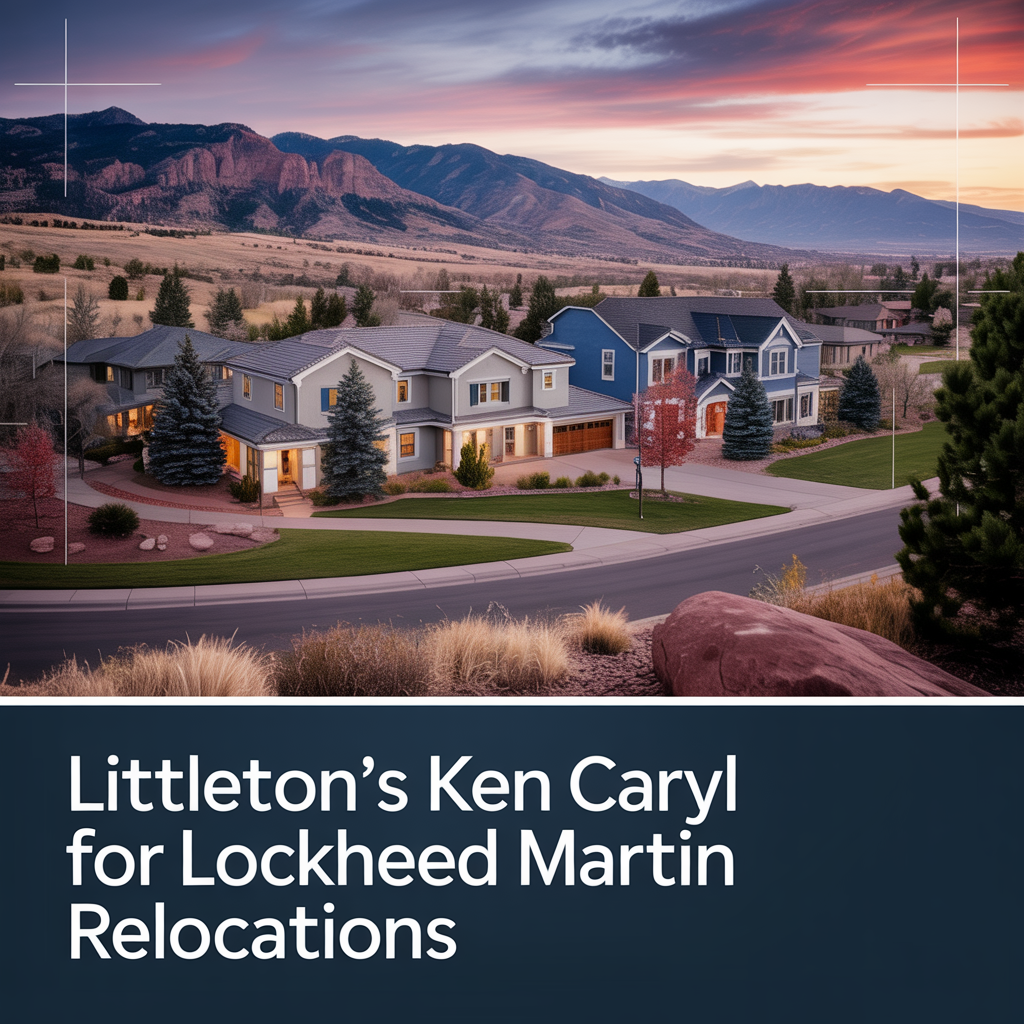
Littleton’s Ken Caryl for Lockheed Relocations
This is part of Lockheed Martin Relocation → [Lockheed Martin Relocation Hub] & the larger Denver Relocation Hub → [Denver Relocation Hub] Written by: Chad Cabalka Ken Caryl is one of the best-kept “family first” relocation options for Lockheed Martin employees who want foothills scenery, strong neighborhood appeal, and a real suburban lifestyle that still feels connected…


Centennial & Parker for Lockheed Relocations
This is part of Lockheed Martin Relocation → [Lockheed Martin Relocation Hub] & the larger Denver Relocation Hub → [Denver Relocation Hub] Written by: Chad Cabalka Centennial and Parker are two of the smartest suburban choices for Lockheed Martin employees relocating with families because they give you a strong balance of commute flexibility, good neighborhood variety, and…

Highlands Ranch for Family-Friendly Lockheed Relocations
This is part of Lockheed Martin Relocation → [Lockheed Martin Relocation Hub] & the larger Denver Relocation Hub → [Denver Relocation Hub] Written by: Chad Cabalka Highlands Ranch is one of the strongest choices for Lockheed Martin employees relocating with families because it delivers exactly what most parents want after a big move: stable neighborhoods, strong community…