



Home Inspections Guide -> [Home Inspections Guide] & For more info on Buying in the Denver Metro Area → [Denver Metro Home Buying Process]
Written by: Chad Cabalka
Home inspections offer invaluable clarity, but recognizing their boundaries prevents unrealistic expectations and empowers smarter choices in Denver’s varied real estate landscape. Having guided countless clients through purchases—from cozy Capitol Hill Victorians to spacious Aurora ranches—I’ve emphasized that inspectors provide snapshots, not guarantees, helping owners plan effectively amid our clay soils, hail storms, and altitude challenges. Grasping these limits turns potential frustrations into opportunities for targeted follow-ups and long-term vigilance.
This knowledge grounds decisions, ensuring you supplement inspections appropriately for full protection in neighborhoods like Highlands Ranch or Park Hill.
Visual Nature of Standard Inspections
Inspections rely on non-invasive, visual assessments of accessible areas—crawling attics, checking roofs from ladders, testing visible plumbing—but never involve demolition or disassembly. In a typical Denver two-story like those in Littleton, inspectors note exposed foundation cracks from soil expansion but can’t probe behind walls for hidden wiring faults or slab leaks without destructive testing.
This scope suits most transactions, prioritizing safety and functionality over exhaustive forensics. Clients appreciate when I explain this upfront, avoiding surprise at uncovered issues like intermittent electrical glitches post-move-in. Local standards, aligned with national groups like ASHI, reinforce this practical focus.
Understanding keeps expectations aligned with reality.
What Standard Inspections Exclude
Core inspections skip specialized tests: radon (prevalent in our uranium-rich soils around Morrison), mold sampling, sewer scopes for root-prone lines in mature Belmar yards, or pest inspections for termites in wooded Centennial spots. Environmental hazards like asbestos in pre-1980s Lakewood attics or lead paint in older Platt Park homes require separate experts.
Appraisals handle value, not condition; builder walkthroughs prioritize sales over diagnostics. In new builds near Sloan’s Lake, municipal framing checks miss finish quality like caulking gaps that leak during monsoons. I’ve recommended add-ons like $200 sewer cams, catching clogs early.
These gaps highlight why layered diligence—inspection plus selects—builds comprehensive insight.
Hidden Defects Beyond Inspector Reach
Concealed problems evade visual exams: wiring inside insulated walls, underground pipes, or roof internals without safe access. Denver’s freeze-thaw cycles might hide pipe bursts under slabs until failure; clay movement conceals slow foundation shifts in Arvada until cracks surface. Inspectors report observed symptoms—like water stains signaling unseen intrusion—but can’t diagnose causes definitively.
Post-inspection discoveries, like gradual settling in a Westminster ranch, underscore monitoring’s role. Warranties cover workmanship but demand proof, where your report aids claims. Clients who’ve documented baselines catch evolutions early, budgeting proactively.
No tool reveals all; vigilance fills the voids.
Climate-Specific Challenges in Denver
Our environment amplifies limitations: hail masks roof damage until peeled back, UV fades shingles prematurely without interior clues, and high winds stress unattached decks in exposed Golden spots. Altitude strains unseen HVAC components; dry air hides moisture buildup in insulated walls until humidity spikes.
Inspectors flag risks—like poor attic venting prone to ice dams—but seasonal timing affects visibility. A summer check misses winter freeze effects on pipes. Local pros adapt with tools like infrared cameras for hot spots, but full verification needs time and tests.
Contextual awareness guides appropriate supplements.
Tools and Technology That Extend Scope
Modern inspectors use moisture meters for basement dampness common in clay-heavy soils, drones for steep Highlands Ranch roofs, and thermal imaging for electrical hotspots. These enhance visuals without invasion, spotting insulation gaps or air leaks boosting efficiency bills.
Software generates photo-rich reports with priorities, aiding your understanding. Still, they complement, not replace, specialties—e.g., drone footage prompts professional roofers. Denver firms increasingly offer bundles, making advanced peeks accessible.
Leveraging these bridges gaps effectively.
Supplementing with Specialized Services
For thoroughness, add radon mitigation checks (Colorado’s high levels warrant it), structural engineer consults for flagged foundations in Littleton, or well/septic tests in rural-edge Ken Caryl. Pre-drywall phases in new Lowry builds expose framing early. Cost 20-50% more but prevent thousands in surprises.
Your agent coordinates; I often pair buyers with vetted pros. Periodic re-inspections—annual for warranties—track changes like deck rot from hail.
Strategic adds complete the picture.
Realistic Expectations for Long-Term Ownership
Inspections inform, not insure—post-closing shifts from settling or wear require owner stewardship. Use reports as baselines: monitor noted roof age against hail seasons, grade around your home yearly. This mindset shifts from dependency to empowerment, sustaining value in appreciating Denver markets.
Clients embracing limits report fewer shocks, more control. Proactive habits—like seasonal checks—extend system life.
Navigating Limits with Confidence
Knowing inspection boundaries equips you for resilient ownership, layering tools to match Denver’s demands. It fosters decisions rooted in facts, not fears.
Facing a report or purchase? Let’s talk specifics—your property, concerns, and plan. Years of local navigation mean straightforward guidance tailored to you. Reach out today.
Get the full Denver Market Insights → [Market Insights]


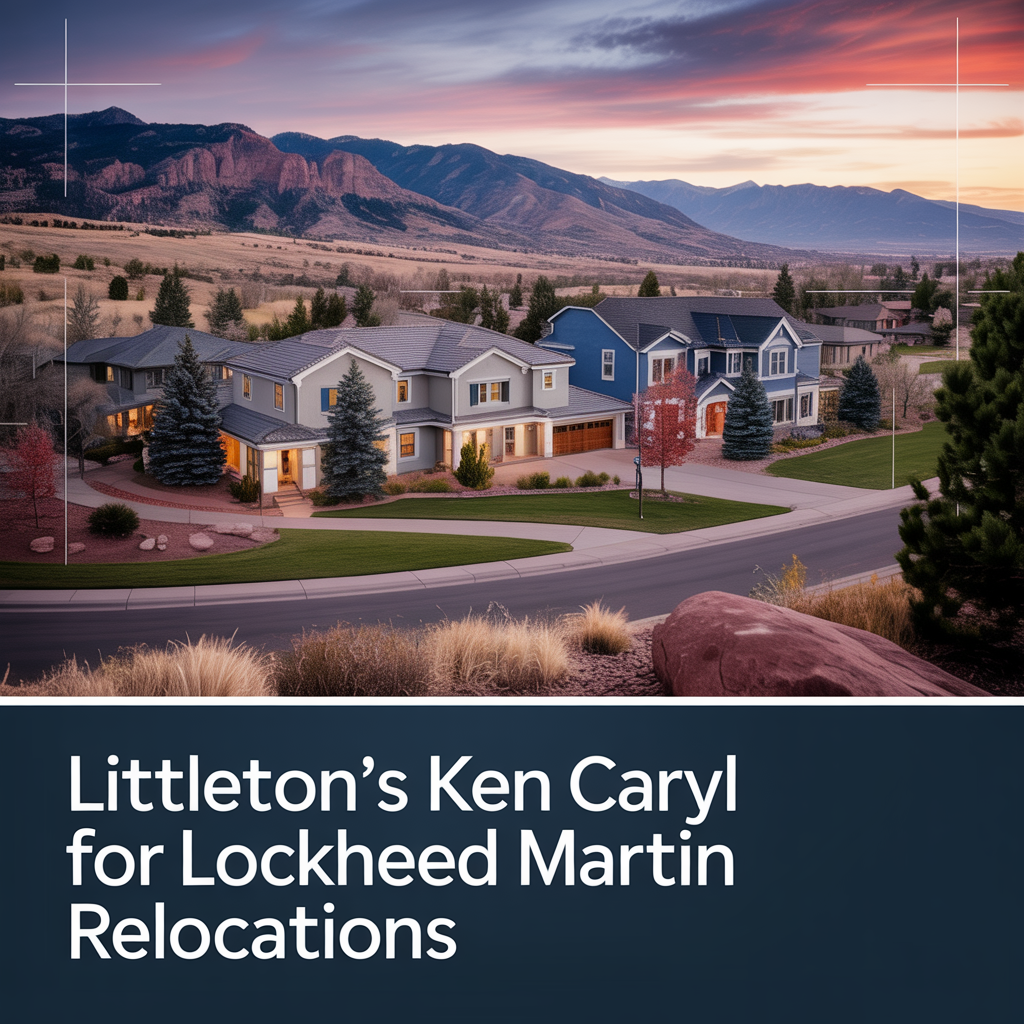
Littleton’s Ken Caryl for Lockheed Relocations
This is part of Lockheed Martin Relocation → [Lockheed Martin Relocation Hub] & the larger Denver Relocation Hub → [Denver Relocation Hub] Written by: Chad Cabalka Ken Caryl is one of the best-kept “family first” relocation options for Lockheed Martin employees who want foothills scenery, strong neighborhood appeal, and a real suburban lifestyle that still feels connected…

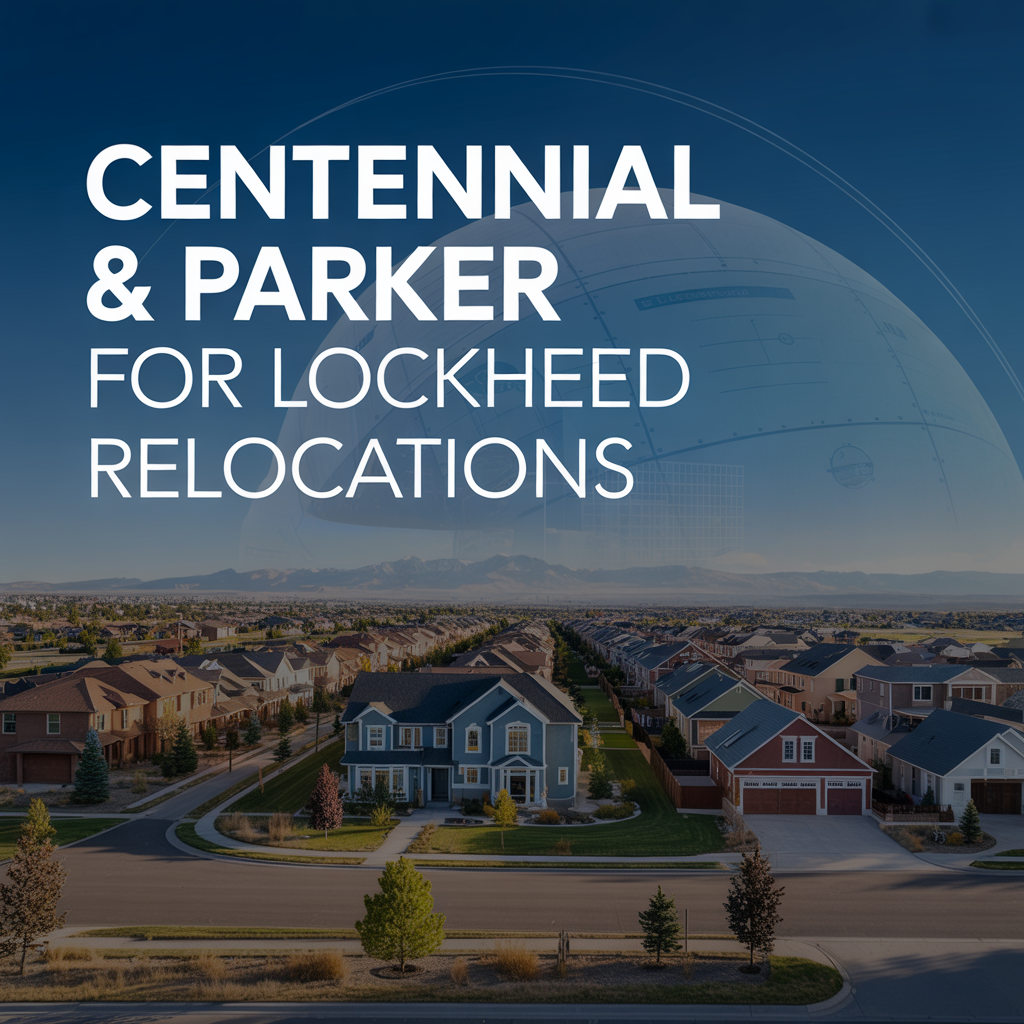
Centennial & Parker for Lockheed Relocations
This is part of Lockheed Martin Relocation → [Lockheed Martin Relocation Hub] & the larger Denver Relocation Hub → [Denver Relocation Hub] Written by: Chad Cabalka Centennial and Parker are two of the smartest suburban choices for Lockheed Martin employees relocating with families because they give you a strong balance of commute flexibility, good neighborhood variety, and…

Highlands Ranch for Family-Friendly Lockheed Relocations
This is part of Lockheed Martin Relocation → [Lockheed Martin Relocation Hub] & the larger Denver Relocation Hub → [Denver Relocation Hub] Written by: Chad Cabalka Highlands Ranch is one of the strongest choices for Lockheed Martin employees relocating with families because it delivers exactly what most parents want after a big move: stable neighborhoods, strong community…